
You wake up. The alarm pierces the quiet, a familiar enemy. The first thought isn’t about the day’s tasks or the coffee brewing, but the familiar knot of dread about the journey ahead. This isn’t just about getting from point A to point B; it’s about the silent siphon on your financial well-being. You might feel like you’re earning a decent salary, but the invisible hand of commuting costs is subtly, relentlessly, eroding your real income, leaving you with less disposable cash than you think.
The sheer expense of your daily trek to work is a multifaceted beast. It’s not just the price of fuel or the monthly train pass. It’s a complex web of expenditures that, when tallied, paint a stark picture of your financial reality. You might be meticulously budgeting for groceries, rent, and utilities, but are you truly accounting for the insidious drain of your commute? This article will delve into the various components of commuting costs, analyze their impact on your real income, and offer strategies to mitigate their corrosive effect.
The Hidden Price Tag of Daily Travel
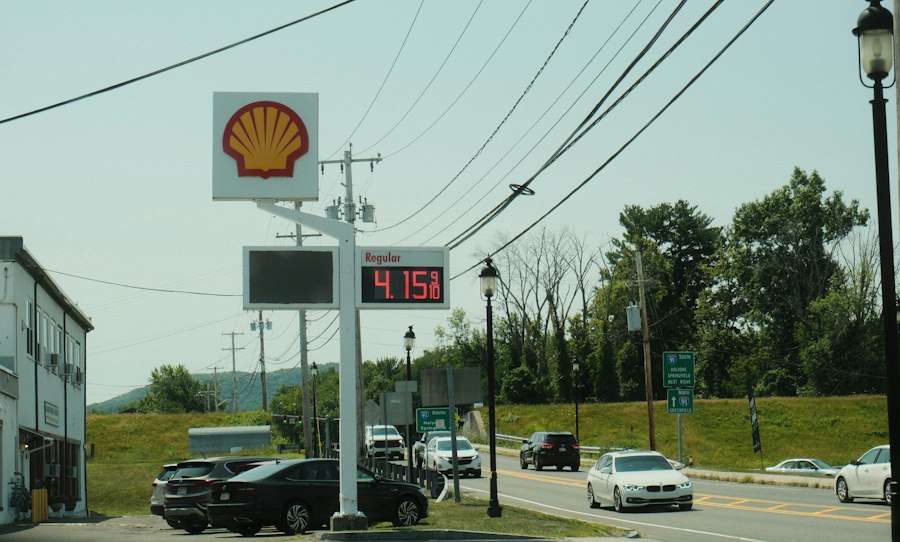
The most obvious component of your commuting costs is the direct expenditure. For those who drive, this means the fluctuating price of gasoline or diesel, a constant source of anxiety. You fill your tank, watch the numbers climb, and feel a pang of regret knowing that a significant portion of your paycheck is disappearing into that hungry engine. Then there’s the wear and tear on your vehicle. Every mile you clock on the odometer contributes to the eventual need for costly maintenance, oil changes, new tires, and, eventually, a replacement vehicle. These aren’t one-off expenses; they are predictable, inevitable costs that loom on the horizon, demanding their share of your hard-earned money.
For those who rely on public transportation, the cost might seem more contained. A monthly pass or daily tickets, while seemingly straightforward, still represent a substantial and recurring outgoing. You pay for the privilege of access, regardless of how many times you actually use it. Think about those days you work from home, or when you’re sick, or when you opt for a different mode of transport. The money for that pass is still gone. Furthermore, the cost of public transport often rises, mirroring inflation and the operational expenses of the transit authority. You’re not just paying for a seat; you’re paying for the infrastructure, the maintenance, the wages of the staff, and the ongoing development. This might not feel as visceral as watching the fuel pump tick, but the financial impact is just as real.
Fuel and Vehicle Maintenance
Let’s break down the automotive expenses further. Imagine a typical commute of 20 miles each way, five days a week. That’s 200 miles per week, or roughly 10,400 miles per year. If your car gets 25 miles per gallon and the average gas price is $3.50 per gallon, you’re looking at an annual fuel cost of approximately $1,456. This is a significant chunk of change, and it doesn’t even factor in price spikes. Beyond fuel, consider the maintenance. A basic oil change every 5,000 miles can cost $50-$100. Tire rotations are essential for longevity, costing around $20-$50. Over the course of a year, these routine services alone can add another $200-$400. And then there are the unexpected repairs: a flat tire ($100-$200), brake pad replacement ($300-$600), or even more significant issues that can run into thousands. When you amortize these potential costs over the year, your total annual car commuting expense can easily exceed $2,000, sometimes much more. This is money that you earned, but can’t spend on anything else because it’s locked into keeping your car running and getting you to work.
Public Transit Fares and Associated Costs
For the public transit commuter, the scenario might appear less daunting initially. Let’s say your monthly pass costs $100. That’s $1,200 per year. On the surface, this seems significantly less than the car owner. However, consider the “opportunity cost” of that pass. If you only use it 20 days a month, you’re paying $6 per ride. If you miss a few days, the per-ride cost increases. Moreover, public transit often comes with its own set of indirect costs. You might need to walk longer distances to and from stations, potentially incurring the cost of comfortable, weather-appropriate footwear and perhaps even an umbrella or rain gear. If you need to take a taxi or rideshare to the station on a particularly bad weather day or if you’re running late, those costs can quickly add up. Furthermore, the punctuality of public transport can be unpredictable. Delays can lead to missed connections, requiring you to purchase an additional ticket or ride, or worse, incurring penalties at work for being late. The perceived simplicity of public transport can mask a steady drain on your wallet, especially when you factor in the daily inconveniences and the potential for unplanned expenses.
As the cost of commuting continues to rise, many individuals are feeling the impact on their real income. A related article discusses the various factors contributing to these increasing commuting costs and offers insights into how they affect overall financial well-being. For more information on this topic, you can read the article here: Understanding Commuting Costs and Real Income.
The Erosion of Real Income

Your nominal income – the number on your paycheck – can be deceptive. Real income, on the other hand, reflects the actual purchasing power of your earnings. Commuting costs act as a direct tax on your real income. Every dollar you spend on your commute is a dollar that could have been allocated to savings, investments, discretionary spending, or paying down debt. This is where the true impact becomes apparent. You might be earning $50,000 a year, but after factoring in $3,000 in annual commuting costs, your effective income available for other expenses is reduced to $47,000. This 6% reduction can have a significant impact on your quality of life and your ability to achieve your financial goals.
Understanding Nominal vs. Real Income
Let’s clarify the distinction between nominal and real income. Imagine you earn $1,000 in January. This is your nominal income. If, in January of the following year, you still earn $1,000, your nominal income hasn’t changed. However, if the cost of goods and services (inflation) has increased by 5% during that year, your purchasing power has effectively decreased. The $1,000 you earn now buys less than it did the previous year. Your real income has declined. Commuting costs, because they are essential for you to earn your nominal income, are effectively a mandatory expense that reduces the amount of money you have left over. If your commute costs $500 a month, that’s $6,000 a year. If your gross annual income is $60,000, after taxes and essential living expenses, you might have $20,000 left. But with $6,000 of that going to your commute, you only have $14,000 for everything else. This is the erosion of your real income. It’s not just about the money spent; it’s about what that money could have done for you.
The

Your $100,000 Job Takes More Back Than You Think
FAQs
What are commuting costs?
Commuting costs refer to the expenses associated with traveling to and from work on a regular basis. These costs can include gas, public transportation fares, tolls, parking fees, and vehicle maintenance.
How do commuting costs impact real income?
Commuting costs can have a significant impact on real income by reducing the amount of money available for other expenses or savings. High commuting costs can eat into a person’s budget, leading to a decrease in their overall real income.
Are commuting costs tax-deductible?
In some cases, commuting costs may be tax-deductible. However, there are specific criteria that must be met in order to qualify for these deductions. It is recommended to consult with a tax professional or refer to the latest tax laws for accurate information.
What are some ways to reduce commuting costs?
Some ways to reduce commuting costs include carpooling, using public transportation, biking or walking to work, working from home, or negotiating for a flexible work schedule. These options can help lower expenses associated with commuting.
How do commuting costs vary by location?
Commuting costs can vary significantly depending on the location. Factors such as distance to work, transportation options available, gas prices, tolls, and parking fees all play a role in determining the overall commuting costs in a specific area.