
You’re standing at a crossroads in your homeownership journey, and the options can feel overwhelming. You’ve likely heard terms like “manufactured home” and “modular home” thrown around, and while they might sound similar, they represent distinct approaches to building your dream dwelling. Understanding the nuances between these two construction methods is crucial to making an informed decision that aligns with your budget, lifestyle, and long-term goals. This guide will walk you through the key differences, helping you navigate the world of off-site construction with confidence.
Before diving into the specifics, it’s essential to grasp the fundamental distinction in how these homes are built and placed. Think of it as the difference between building a car on an assembly line versus assembling a kit car in your driveway.
Manufactured Homes: Built on Wheels, Sold as a Vehicle
You’ve probably seen them on roads, often transported on their own chassis. Manufactured homes, formerly known as mobile homes, are built entirely in a factory setting on a permanent chassis. This chassis is an integral part of the home’s structure, designed for transportation. When the home is delivered to your site, it’s permanently affixed to a foundation, but the chassis remains part of the unit.
The Factory Assembly Line
The process of building a manufactured home is highly standardized and efficient, akin to an automotive assembly line. Components are fabricated and assembled in a controlled environment, ensuring consistency and quality. This controlled setting also minimizes weather-related delays, a common challenge in traditional site-built construction.
Transportability as a Defining Feature
The defining characteristic of a manufactured home is its transportability. Because it’s built on a chassis, it can be moved from the factory to its final destination. This mobility impacts how they are financed, regulated, and even considered in some real estate transactions.
Modular Homes: Built in Sections, Assembled on Site
Modular homes, on the other hand, are constructed in sections or “modules” within a factory. These modules are then transported to your building site, where they are assembled and joined together by a local contractor to create your finished home. While they originate in a factory, the goal is to create a permanent, site-built structure that is indistinguishable from a home built entirely on-site.
The Module Approach
Imagine building your home in several large puzzle pieces. Each module is a self-contained unit, complete with walls, floors, and ceilings. These modules are designed to be seamlessly integrated once they arrive at your property. This allows for complex designs and larger homes that might be challenging to transport as a single unit.
Integration with Site-Built Construction
The key differentiator for modular homes is their integration with traditional site-built practices. Once the modules are delivered and joined, a local contractor will complete the final connections, install utilities, and finish the exterior and interior to your specifications. This results in a home that is permanently attached to a foundation and meets all local building codes, just like a site-built home.
When considering the differences between manufactured homes and modular homes, it’s essential to explore various resources that provide in-depth insights. A related article that delves into the nuances of these housing options can be found at this link. This article offers valuable information that can help potential buyers make informed decisions about which type of home best suits their needs and lifestyle.
Building Codes and Regulations: A Tale of Two Standards
The way manufactured and modular homes are regulated is a significant point of divergence, impacting their value, financing, and the types of locations where they can be placed.
Manufactured Homes: The HUD Code
Manufactured homes are built to a single, national standard: the U.S. Department of Housing and Urban Development (HUD) Code. This code, established in 1976, sets performance standards for design, construction, and durability, ensuring safety and quality across the country.
National Standardization for Safety
The HUD Code provides a consistent framework for the entire industry, meaning a manufactured home built in California will meet the same safety and quality standards as one built in Florida. This national standardization simplifies the inspection and certification process, as it’s overseen by federal agencies rather than individual local jurisdictions.
Implications for Placement and Value
Because of their unique construction and federal regulation, manufactured homes can sometimes face zoning restrictions in certain communities or subdivisions. Their resale value can also be affected by this distinction, although this is changing as perceptions evolve and designs become more sophisticated.
Modular Homes: Local Building Codes Reign Supreme
Modular homes are built to the same local building codes as traditional site-built homes. This is a critical distinction. Each module is inspected at the factory to ensure it meets the relevant codes, and then further inspections are conducted on-site as the home is assembled and finished.
Adherence to Community Standards
This adherence to local codes means that modular homes are generally treated the same as site-built homes by municipalities and zoning boards. They are often indistinguishable in terms of appearance and structural integrity, allowing for placement in a wider range of communities.
Seamless Integration and Permitting
The permitting and inspection process for modular homes is typically more aligned with traditional construction. Local building officials oversee the entire process, from foundation to final occupancy, ensuring compliance with all community regulations.
Financing and Lending: Navigating the Financial Landscape

The financial aspects of purchasing a home can be complex, and the financing options for manufactured and modular homes can differ significantly.
Manufactured Homes: A Shifting Landscape
Financing for manufactured homes has historically been a bit more challenging than for traditional homes, often falling under personal property loans. However, this is evolving as the industry matures and the quality of manufactured homes improves.
Personal Property vs. Real Estate Loans
Traditionally, if a manufactured home was not permanently affixed to the land, it was considered personal property, and financing was secured through chattel loans. These loans often have higher interest rates and shorter repayment terms.
The “Real Property” Option
If a manufactured home is permanently attached to land that you own, it can sometimes be financed as real estate, similar to a site-built home. This often requires meeting specific criteria, such as the home being on a permanent foundation and meeting all local codes. Lenders are increasingly offering mortgage options for manufactured homes that qualify as real property.
Specific Lender Programs
Some lenders specialize in manufactured home financing, offering programs tailored to the unique characteristics of these homes. It’s important to research these options and compare rates and terms carefully.
Modular Homes: Standard Mortgage Options
Because modular homes are built to local building codes and are indistinguishable from site-built homes once assembled, they are generally eligible for the same financing options as traditional homes.
Conventional Mortgages
You can typically obtain conventional mortgages, FHA loans, and VA loans for modular homes, provided they are built on your own land and meet all lending requirements. This offers a significant advantage in terms of lower interest rates and longer repayment periods.
Construction Loans
If you are building a modular home on a new foundation, you may need to utilize a construction loan. These loans cover the cost of building the home and are then often converted into a permanent mortgage once construction is complete. Your builder and lender can guide you through this process.
Customization and Design: Bringing Your Vision to Life

When it comes to making a house your own, both manufactured and modular homes offer varying degrees of personalization.
Manufactured Homes: Streamlined Options
While modern manufactured homes offer far more design choices than their predecessors, the level of customization can be more limited compared to modular or site-built homes due to the factory production process.
Factory-Controlled Design Choices
You’ll typically choose from a range of pre-designed floor plans and select finishes, colors, and options from a catalog. While these selections can be extensive, they are within the parameters set by the manufacturer to maintain efficiency and cost-effectiveness.
The “Set Package” Approach
Many manufacturers offer different “set packages” that include a variety of upgrade options. You can often customize the kitchen cabinets, countertops, flooring, bathroom fixtures, and exterior finishes.
Potential for Customization with Experience
Experienced manufactured home retailers can sometimes work with manufacturers to incorporate some custom modifications, but this is less common and may involve higher costs and longer lead times.
Modular Homes: Unparalleled Design Flexibility
The modular construction method allows for a high degree of design flexibility, closely mirroring the customization capabilities of traditional site-built homes.
Designing from Scratch or Adapting Plans
You can work with an architect or designer to create a completely custom floor plan, or you can adapt existing modular designs to suit your needs. The factory can then build these modules to your exact specifications.
Interconnectivity of Modules
The ability to create multiple modules means you can design complex layouts, including multi-story homes, vaulted ceilings, and unique room configurations. Each module can be designed with specific architectural features.
Interior and Exterior Finishes
You have a wide range of choices for interior and exterior finishes, from high-end appliances and custom cabinetry to specific siding materials and roofing styles. Your local contractor will integrate these elements during the on-site assembly.
When considering the differences between manufactured homes and modular homes, it’s essential to explore various resources that provide in-depth information on the topic. A great article that delves into the nuances of these housing options can be found at How Wealth Grows, where you can learn about the construction processes, regulations, and benefits associated with each type of home. Understanding these distinctions can help you make a more informed decision based on your needs and preferences.
Cost and Value: Investment Considerations
| Feature | Manufactured Home | Modular Home |
|---|---|---|
| Construction Standards | Built to HUD Code (federal standards) | Built to local/state building codes |
| Foundation | Typically on a permanent chassis, can be placed on piers or blocks | Placed on permanent foundation (basement or slab) |
| Size | Usually smaller, single or double-wide | Can be larger, multiple stories possible |
| Customization | Limited customization options | Highly customizable, similar to site-built homes |
| Resale Value | Generally depreciates over time | Typically appreciates like traditional homes |
| Construction Time | Faster, often completed in weeks | Longer, depends on complexity but faster than site-built |
| Cost | Lower initial cost per square foot | Higher cost per square foot, closer to traditional homes |
| Financing Options | More limited, often personal property loans | More options, similar to traditional mortgages |
| Durability | Less durable, designed for transportability | More durable, built for permanent placement |
| Energy Efficiency | Varies, generally less efficient | Often built with energy-efficient materials and methods |
When making a significant financial decision like purchasing a home, understanding the cost and long-term value is paramount.
Manufactured Homes: Affordability and Depreciation Concerns
Manufactured homes have traditionally been known for their affordability, offering a more accessible entry point into homeownership. However, their value retention and appreciation can be a subject of discussion.
Lower Initial Purchase Price
Generally, manufactured homes have a lower upfront cost per square foot compared to modular or site-built homes. This is due to the efficiencies of factory production and the standardization of components.
Depreciation vs. Appreciation
Historically, manufactured homes have been considered depreciating assets, similar to vehicles, especially if they are not permanently affixed to the land. However, as the quality and design of modern manufactured homes improve, and when they are placed on owned land with a permanent foundation, their value can appreciate over time, though often at a slower rate than traditional homes.
Land Costs as a Separate Factor
It’s crucial to remember that the cost of land is a separate consideration for manufactured homes, especially if you are not purchasing a home in a dedicated manufactured home community.
Modular Homes: Value Comparable to Site-Built Homes
Modular homes are often seen as an investment that holds its value similarly to traditional site-built homes, offering a strong return on investment.
Comparable Cost to Site-Built
While the initial cost of a modular home might be slightly higher than a manufactured home, it is often comparable to or even slightly less than a custom site-built home of similar size and quality. The efficiencies of factory production can help control costs.
Appreciation Potential
Because modular homes are built to local codes and are structurally indistinguishable from site-built homes, they tend to appreciate in value over time, similar to traditional construction. This makes them a solid long-term investment.
Foundation and Site Preparation Costs
Remember that the cost of site preparation, foundation, and on-site assembly for a modular home can add to the overall price, so factor these expenses into your budget.
Making the Right Choice for You
Ultimately, the decision between a manufactured home and a modular home depends on your individual circumstances, priorities, and preferences. Both offer compelling advantages, and the landscape of off-site construction is continuously evolving.
Consider Your Budget and Financial Goals
If affordability is your primary concern and you are comfortable with the potential for different financing options, a manufactured home might be an excellent starting point. If long-term appreciation and traditional financing are paramount, a modular home will likely be a better fit.
Evaluate Your Location and Zoning Needs
Research local zoning laws and any homeowner association (HOA) restrictions in the areas where you are considering purchasing land. This will be a significant factor in determining which type of home is permissible.
Define Your Design and Customization Desires
If you have a very specific vision for your home’s layout and finishes, a modular home will offer you far greater flexibility. If you are comfortable choosing from a well-curated selection of options, a manufactured home can still result in a beautiful and functional living space.
Your Long-Term Vision
Think about how long you plan to stay in the home and your future housing needs. This will influence your decision regarding financing and potential resale value.
By thoroughly understanding the distinctions between manufactured and modular homes, you are empowered to make an informed decision that leads you to the home you’ve always dreamed of. Don’t hesitate to consult with builders, retailers, and financial institutions specializing in both types of housing to gather more personalized information. Your journey to homeownership is an exciting one, and with the right knowledge, you can confidently navigate the world of off-site construction.
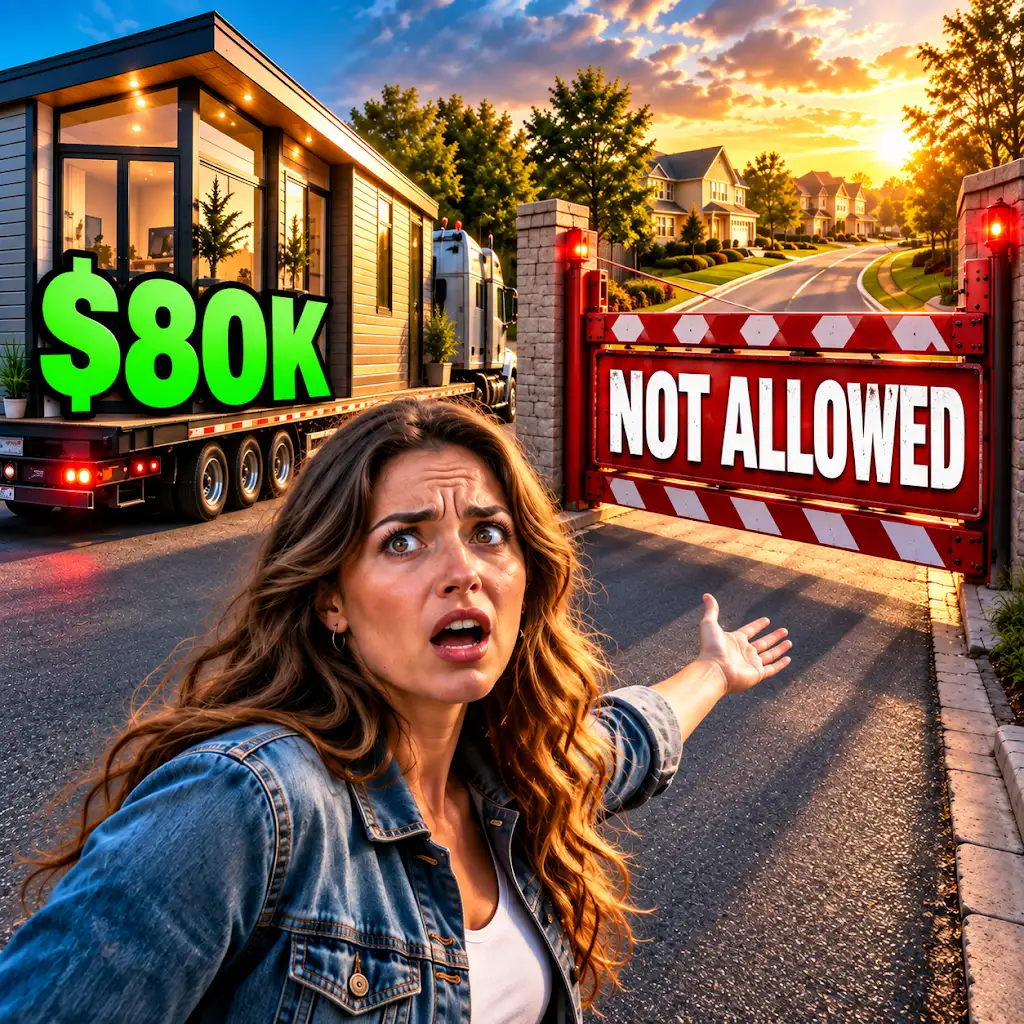
The $80,000 House You’re Not Allowed to Put Anywhere
FAQs
What is the difference between a manufactured home and a modular home?
Manufactured homes are built entirely in a factory and transported to the site, while modular homes are built in sections in a factory and assembled on-site.
Are there differences in building codes for manufactured homes and modular homes?
Yes, manufactured homes are subject to federal building codes set by the Department of Housing and Urban Development (HUD), while modular homes are built to state and local building codes.
Which type of home is typically more affordable, manufactured or modular?
Manufactured homes are generally more affordable than modular homes due to their construction process and materials used.
Can manufactured homes and modular homes be customized?
Both manufactured and modular homes can be customized to some extent, but modular homes typically offer more customization options due to their construction process.
Do manufactured homes and modular homes hold their value over time?
Manufactured homes tend to depreciate in value over time, while modular homes typically hold their value similar to traditional stick-built homes.