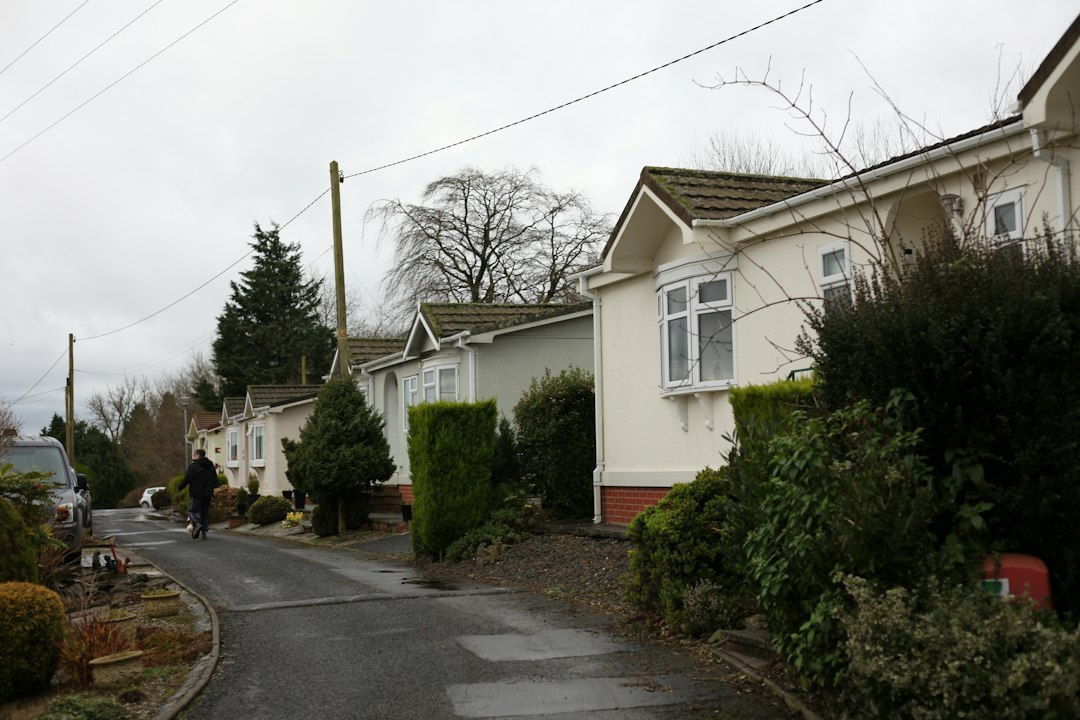
You’re likely feeling the pinch. The rent check looms larger each month, or perhaps the dream of homeownership feels further out of reach than ever before. This isn’t just your personal struggle; you’re a part of a vast, interconnected web experiencing America’s housing crisis, a complex and deeply entrenched problem demanding your immediate attention. The very foundation of your stability, your community, and your future is being tested by the scarcity of affordable homes. It’s time to unpack why this crisis exists, what it means for you and your neighbors, and what can be done to build a more secure housing landscape for everyone.
You see it in the rising numbers. Rents are skyrocketing in cities and towns across the nation, pushing many to the brink of financial instability. Home prices, too, have become astronomical, transforming the American dream into an exclusive privilege. This isn’t a sudden anomaly; it’s a persistent trend fueled by a confluence of factors that have systematically eroded the availability of housing that everyday Americans can afford.
Supply Chain Woes and Construction Costs
The pandemic laid bare vulnerabilities in global supply chains, and the construction industry was hit hard. The cost of lumber, steel, and other essential building materials has surged, making new construction significantly more expensive. This directly impacts the price of new homes and rental units.
The Impact of Material Shortages
You might have noticed delays in home renovation projects or heard about inflated prices for basic building components. These shortages aren’t just minor inconveniences; they translate directly into higher housing costs. Developers face increased upfront expenses, which they inevitably pass on to consumers.
Labor Shortages in Construction
Beyond materials, there’s also a critical shortage of skilled labor in the construction trades. Fewer workers mean longer project timelines and higher labor costs. This further exacerbates the problem of affordability, as the expense of human capital becomes a significant factor in project budgets.
Zoning Laws and Land Use Restrictions
Many of America’s communities have implemented strict zoning laws that limit the types and density of housing that can be built. These regulations, often enacted with good intentions, can inadvertently create artificial scarcity and drive up prices.
Single-Family Zoning Dominance
You’ve probably seen neighborhoods dominated by single-family homes, where multi-family dwellings are prohibited. While this offers a certain aesthetic and lifestyle, it severely restricts the supply of more affordable housing options like duplexes, townhouses, and apartment buildings.
Restrictive Density Limits
Even where multi-family housing is permitted, local ordinances often cap the number of units that can be built on a given parcel of land. This “not in my backyard” (NIMBY) sentiment, while understandable from an individual perspective, collectively chokes off the supply of housing needed to meet demand.
The Investor Influence: Turning Homes into Assets
In recent years, you’ve likely noticed a growing presence of large institutional investors purchasing single-family homes and apartment buildings. While not inherently negative, this trend has contributed to the affordability crisis by shifting the focus from housing as a basic need to housing as a financial asset.
The Rise of Corporate Landlords
Many of these investors are not local homeowners but large corporations that operate as landlords. They can often outbid individual buyers, further driving up prices. Their business model prioritizes maximizing returns, which can sometimes lead to rent increases that outpace wage growth.
Short-Term Rental Markets
The proliferation of short-term rental platforms like Airbnb has also had an impact. In some areas, entire buildings and units have been converted into short-term rentals, removing them from the long-term housing market and contributing to scarcity and higher rental rates for permanent residents.
As the housing crisis continues to impact millions of Americans, the need for more affordable homes has never been more urgent. A related article discusses the various factors contributing to this pressing issue and highlights potential solutions to create a more equitable housing market. For further insights on why America needs more affordable homes, you can read the article here: How Wealth Grows.
The Human Cost: Who is Most Affected by the Housing Crisis?
This crisis isn’t an abstract economic phenomenon; it has profound and devastating consequences for real people, for you and your neighbors. The lack of affordable housing creates a ripple effect, impacting individuals, families, and entire communities in tangible ways.
Low- and Middle-Income Households
You are likely aware that those with lower incomes are disproportionately affected. The dream of stable housing becomes a constant struggle, forcing difficult choices between rent, food, healthcare, and other necessities.
The Rent Burden
For many, a significant portion of their income goes towards rent, leaving little for savings or unexpected expenses. This “rent burden” can trap individuals and families in a cycle of poverty, making it incredibly difficult to escape.
Limited Access to Homeownership
The escalating cost of homes means that the prospect of homeownership is out of reach for a growing segment of the population. This limits wealth-building opportunities and can perpetuate generational economic disparities.
Essential Workers and the Service Economy
The very people who keep our communities running – teachers, nurses, firefighters, retail workers – are often priced out of the very areas they serve. This creates a disconnect and strains essential services.
Long Commutes and Strain on Infrastructure
When essential workers can’t afford to live near their jobs, they face long, costly, and time-consuming commutes. This not only impacts their quality of life but also puts a strain on transportation infrastructure and contributes to pollution.
Difficulty Attracting and Retaining Talent
Businesses and public services struggle to attract and retain qualified workers when affordable housing is unavailable. This can lead to staffing shortages in critical sectors, impacting the quality of life for everyone.
Young Families and Future Generations
The housing crisis casts a long shadow over the future. Young families struggle to find safe, affordable places to raise their children, and the inability to build equity through homeownership can hinder their long-term financial stability.
The “Starter Home” Myth
The idea of a “starter home” is becoming a relic of the past for many. Young adults are facing significant hurdles in getting onto the property ladder, delaying or even preventing them from achieving a key milestone of adulthood.
Intergenerational Wealth Transfer
The ability to pass down wealth through homeownership is a cornerstone of generational prosperity. The current housing market makes it harder for parents to help their children enter the housing market, potentially widening the wealth gap between generations.
Policy Solutions: Building a Path Towards Affordability

The scale of the housing crisis can feel overwhelming, but there are concrete policy solutions that can make a difference. It’s crucial for you and your community to advocate for and support initiatives that prioritize the creation of more affordable homes.
Increasing Housing Supply Through Zoning Reform
Reforming restrictive zoning laws is a critical step towards increasing the supply of housing. This requires a willingness to embrace diverse housing types and densities.
Allowing for More Diverse Housing Types
Encouraging the development of duplexes, triplexes, townhouses, and small apartment buildings in areas currently zoned exclusively for single-family homes can significantly increase housing options without drastically altering neighborhood character.
Streamlining the Permitting Process
Bureaucratic hurdles and lengthy permitting processes can add significant costs and delays to housing development. Simplifying and expediting these processes can encourage more construction.
Investing in Affordable Housing Programs
Direct investment in affordable housing programs is essential to ensure that a portion of the housing stock remains permanently accessible to lower- and middle-income households.
Expanding Rental Assistance Programs
Programs like Section 8 vouchers provide crucial support to families struggling to afford rent. Expanding these programs can offer immediate relief to those most in need.
Publicly Funded Affordable Housing Developments
Governments can directly fund the construction and operation of affordable housing projects. These developments can provide stable, long-term housing options for communities.
Incentivizing Developers for Affordable Units
Governments can use incentives to encourage private developers to include affordable units in their projects.
Inclusionary Zoning Policies
These policies require developers to set aside a certain percentage of units in new developments as affordable housing, often in exchange for concessions like relaxed zoning or density bonuses.
Tax Credits and Subsidies
Offering tax credits or direct subsidies to developers who build affordable housing can make these projects more financially viable.
The Role of Community and Advocacy: Your Voice Matters

Addressing the housing crisis isn’t just the responsibility of policymakers; it requires active engagement from you and your community. Your voice, your actions, and your advocacy are powerful tools for change.
Engaging with Local Government
Your local government has a significant impact on housing policies. Attending town hall meetings, contacting your representatives, and participating in public comment periods are crucial ways to make your concerns heard.
Understanding Local Zoning Decisions
Educate yourself about your local zoning laws and how they affect housing development. Support efforts to reform outdated or overly restrictive regulations.
Advocating for Affordable Housing Initiatives
Speak up in support of proposals that aim to increase affordable housing, whether it’s for new developments, rental assistance programs, or community land trusts.
Supporting Community Land Trusts and Non-Profit Housing Developers
These organizations are often at the forefront of creating and preserving affordable housing. Supporting them through donations, volunteering, or advocating for their initiatives can have a direct impact.
The Mission of Community Land Trusts
Community land trusts take land off the speculative market, ensuring that housing built on that land remains permanently affordable for future generations.
The Impact of Non-Profit Housing Developers
These organizations are dedicated to building and managing affordable housing, often working with communities to create tailored solutions.
Challenging the NIMBY Mentality
The “Not In My Backyard” sentiment, while rooted in understandable concerns about neighborhood changes, often hinders the development of much-needed housing. Engaging in respectful dialogue and education can help shift perspectives.
The Need for Shared Responsibility
Recognize that a healthy community requires housing for everyone, not just those who can afford market-rate prices. Embrace the idea of shared responsibility in creating inclusive neighborhoods.
Highlighting the Benefits of Diverse Housing
Educate yourself and others on the economic and social benefits of having a diverse housing stock, including increased affordability, stronger local economies, and more vibrant communities.
The urgent need for affordable housing in America has become increasingly evident as more families struggle to find suitable living conditions within their budgets. A recent article highlights the various factors contributing to this crisis and discusses potential solutions that could alleviate the burden on low- and middle-income households. For a deeper understanding of the economic implications and the importance of addressing this issue, you can read more in this insightful piece on affordable homes. The article can be found here.
Envisioning a Future of Accessible Housing
| Metric | Value | Explanation |
|---|---|---|
| Percentage of Renters Cost-Burdened | 48% | Nearly half of renters spend more than 30% of their income on housing, indicating a need for affordable options. |
| Homeownership Rate | 65% | Lower homeownership rates among low-income families highlight barriers to affordable housing. |
| Average Rent Increase (Last 5 Years) | 20% | Rents have risen significantly, outpacing wage growth and increasing housing insecurity. |
| Homelessness Rate | 580,000 people | High homelessness numbers are linked to lack of affordable housing options. |
| Housing Supply Deficit | 3.8 million units | There is a shortage of affordable housing units needed to meet current demand. |
| Median Household Income | 70,000 | Many households earn below this, making market-rate housing unaffordable. |
| Cost to Build Affordable Home | 150,000 | High construction costs contribute to the shortage of affordable homes. |
The path forward is not without its challenges, but the vision of a future where everyone has access to safe, stable, and affordable housing is an achievable one. It requires a collective commitment, innovative solutions, and a willingness to prioritize housing as a fundamental human right.
Rethinking Housing as a Right, Not Just a Commodity
Shifting the societal perspective to view housing as a fundamental right, rather than solely as a market commodity, is crucial. This mindset change underpins the urgency and importance of addressing the crisis.
The Social and Economic Benefits of Housing Security
When people have stable housing, they are more likely to be employed, healthier, and more engaged in their communities. This creates a positive ripple effect that benefits everyone.
The Ethical Imperative
At its core, ensuring access to housing for all is an ethical imperative. No one should be denied the basic security and dignity that comes with having a place to call home.
Leveraging Technology and Innovation
New technologies and innovative approaches can play a role in making housing more affordable and accessible.
Modular and Prefabricated Construction
These methods can reduce construction time and costs, potentially leading to more affordable housing options.
Smart City Initiatives and Housing Data
Utilizing data and technology can help identify housing needs, optimize land use, and streamline development processes.
The Power of Collective Action and Sustained Advocacy
Ultimately, the most powerful force for change is collective action. Your sustained advocacy, combined with the efforts of others, can create the momentum needed to overcome the housing crisis.
Building Coalitions for Change
Join forces with like-minded individuals, organizations, and community groups to amplify your message and advocate for policy changes.
The Long Game of Advocacy
Addressing a crisis of this magnitude requires a long-term commitment to advocacy. Stay informed, stay engaged, and continue to push for solutions that prioritize affordable housing for all.
The housing crisis is not an insurmountable problem, but it demands your attention and your action. By understanding the root causes, recognizing the human cost, and advocating for effective solutions, you can be a part of building a future where affordable homes are not a distant dream, but a tangible reality for every American.

The $80,000 House You’re Not Allowed to Put Anywhere
FAQs
What is the current state of affordable housing in America?
As of 2021, there is a shortage of affordable housing in America, with millions of low-income families struggling to find affordable and safe housing options.
Why is affordable housing important for the economy?
Affordable housing is crucial for the economy as it helps to reduce homelessness, improve public health, and stimulate economic growth by providing stable housing for individuals and families.
How does the lack of affordable housing impact communities?
The lack of affordable housing can lead to increased poverty, displacement of residents, overcrowding, and a decrease in overall community well-being and stability.
What are some solutions to increase affordable housing in America?
Some solutions to increase affordable housing in America include investing in affordable housing programs, providing subsidies for low-income families, incentivizing developers to build affordable housing units, and implementing zoning policies that promote affordable housing development.
What are the long-term benefits of investing in affordable housing?
Investing in affordable housing can lead to reduced healthcare costs, improved educational outcomes, increased economic productivity, and overall greater social equity and well-being for communities across America.