You’re staring at the listings again, aren’t you? That familiar ache of aspiration mixed with a growing sense of dread. You’ve seen the numbers, you’ve crunched them, and the reality is sinking in: starter homes, the stepping stones to your future, are becoming increasingly out of reach. It’s not just you; it’s a national phenomenon, a creeping chill that’s freezing out a generation of first-time buyers. But why? What invisible forces are at play, pushing these modest dwellings further up the price ladder? The answer, as it often is, lies in the intricate dance of supply and demand, a complex ballet where every pirouette and plié has a tangible impact on your wallet.
You’ve dreamt of this moment – signing the papers, painting the walls, hosting that first barbecue. But the dream is being met with a harsh dose of economic reality. The cost of starter homes, those more affordable entry points into homeownership, has been on a relentless upward trajectory for years. It’s not just a minor bump; it’s a significant climb that’s forcing you and many others to reconsider timelines, compromise on dreams, or even postpone homeownership indefinitely. This isn’t a localized issue; it’s a pervasive challenge that touches communities across the country, leaving you to ponder what changed and why your path to homeownership feels so much steeper than it did for previous generations.
The Definition of a “Starter Home” in Today’s Market
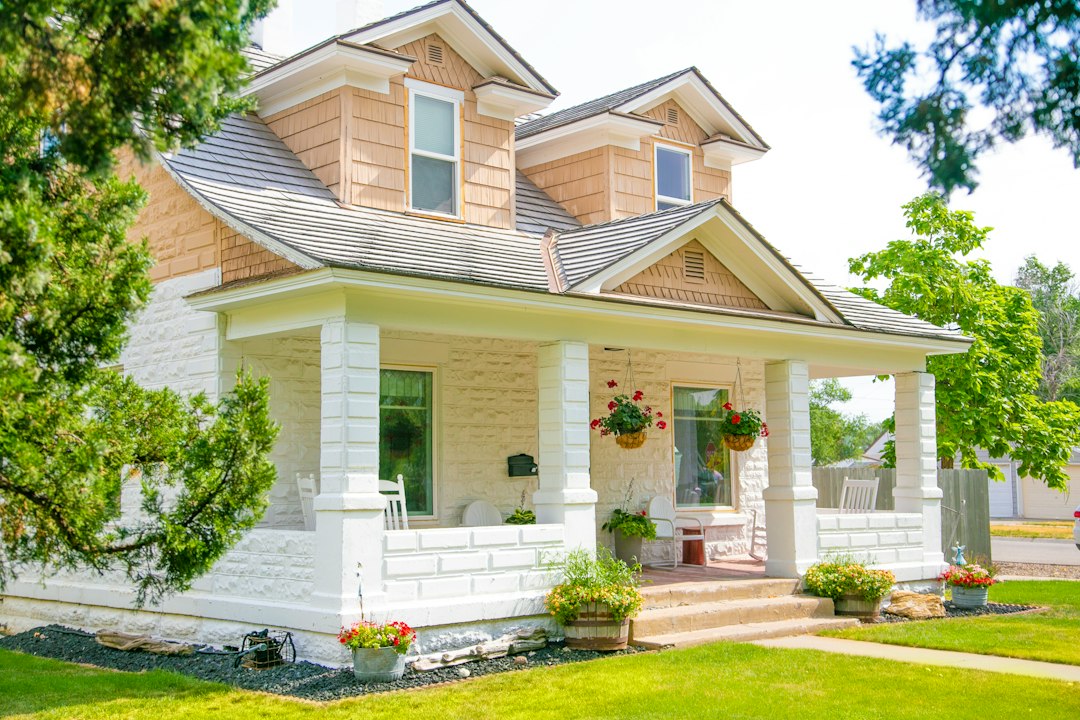
Let’s be clear about what we’re talking about when we say “starter home.” It’s not a mansion, not even a sprawling suburban estate. It’s typically a smaller, less amenity-rich property – perhaps a modest condo, a townhouse, or a single-family home with a smaller footprint. The key characteristic of a starter home has always been its affordability, making it accessible for individuals or couples with moderate incomes, often those just beginning their careers. It’s the place where you learn to fix a leaky faucet, where you plant your first garden, and where you begin building equity. However, in today’s market, the very definition of “starter” is being stretched, with prices climbing so high that what was once a modest entry point now feels like a significant financial hurdle. You’re likely noticing that even these smaller, less glamorous homes are demanding prices that once would have secured something considerably more substantial.
The Impact on Your Financial Planning
This rising cost isn’t just a headline; it’s a direct disruption to your carefully laid financial plans. You’ve been saving diligently, perhaps sacrificing vacations or dining out, all with the goal of accumulating a down payment. But with home prices escalating faster than your savings, that goal feels like it’s constantly moving further away. You’re grappling with questions like: How much more do I need to save? Is my income sufficient? Should I consider a larger loan and higher monthly payments? The sheer magnitude of the challenge can be overwhelming, leading to anxiety and uncertainty about your long-term financial security and your ability to achieve the stability that homeownership often represents.
The Generational Divide in Homeownership
It’s hard not to look at your parents or grandparents and see a stark contrast. They likely bought their first homes at prices that seem almost fantastical in today’s market. This generational divide in homeownership accessibility is a significant source of frustration. You feel like you’re playing by the same rules, working hard and striving for financial prudence, yet the finish line seems to be receding at an alarming rate. This creates a sense of unfairness and raises questions about whether the “American Dream” of homeownership is still attainable for your generation.
The rising costs of starter homes have become a pressing concern for many first-time buyers, as various factors contribute to this trend. A related article that delves into the complexities of the housing market and the financial pressures faced by new homeowners can be found at How Wealth Grows. This resource offers insights into the economic conditions, supply chain issues, and demand fluctuations that are driving up prices, making it increasingly challenging for individuals to secure affordable housing options.
The Supply Squeeze: Why There Aren’t Enough Homes
The most fundamental principle of economics is that when demand exceeds supply, prices rise. And in the starter home market, you’re witnessing this principle in its rawest form. The number of available starter homes simply isn’t keeping pace with the number of people who want to buy them. This scarcity is a driving force behind the escalating prices, and understanding the roots of this supply shortage is crucial to grasping the current housing landscape.
The Decades-Long Underbuilding Trend
For decades, the construction industry, particularly for entry-level housing, has been operating at a deficit. Following the 2008 housing crisis, many homebuilders scaled back significantly, and this retrenchment has had a long-lasting impact. The industry never quite ramped back up to meet the growing demand, especially as the Millennial generation began entering the housing market in large numbers. You’re feeling the residual effects of this period of underbuilding, where the pipeline of new, affordable homes has been running dry for an extended period, creating a significant backlog of unmet demand.
The Challenges of New Construction
Even when builders do decide to break ground on new starter homes, they face a gauntlet of challenges that further inflate costs. The price of land, especially in desirable areas, has skyrocketed. The cost of building materials – lumber, steel, concrete – is subject to market fluctuations and global supply chain issues, which you’ve undoubtedly seen impact the price of everything else. Furthermore, labor shortages plague the construction industry, meaning builders often have to pay higher wages to attract and retain skilled workers. All these increased costs are inevitably passed on to you, the buyer, making new starter homes less affordable than they would have been even a few years ago.
Zoning Laws and Land Use Restrictions
You might not think about zoning laws when you’re scrolling through Zillow, but they play a significant role in limiting the supply of starter homes. Many municipalities have restrictive zoning regulations, such as single-family zoning, which prohibits the construction of multi-family dwellings like duplexes or apartment buildings in certain areas. These regulations can artificially inflate land values by limiting what can be built, thereby reducing the overall housing stock and making it harder to develop more affordable housing options. You’re essentially competing for a limited supply of land where only certain types of housing can be built, further exacerbating the scarcity.
The “NIMBY” Effect: Not In My Backyard
Another hurdle to increasing housing supply, particularly at the entry-level, is the “Not In My Backyard” (NIMBY) phenomenon. Existing homeowners, often concerned about property values, increased traffic, or changes to neighborhood character, can actively oppose new housing developments, especially affordable or multi-family housing. While their concerns are understandable, these community objections can lead to lengthy permitting processes, legal challenges, and outright rejection of development proposals, effectively stifling the creation of more starter homes in areas where they are desperately needed. You’re indirectly affected by this, as the resistance to new construction limits the overall supply you can choose from.
The Demand Surge: Why So Many Want In
While the supply side presents significant constraints, the demand for starter homes is also exceptionally strong. You’re not alone in your desire to own a piece of the American dream. Several demographic and economic factors are converging to create a potent surge in demand, putting further pressure on prices.
The Millennial Generation Entering Homeownership Age
The largest demographic cohort in the United States, the Millennial generation, has now largely entered their prime home-buying years. Having spent years renting, often in increasingly expensive urban centers, a significant number are now looking to settle down, start families, and invest in their futures through homeownership. This sheer volume of potential buyers entering the market simultaneously creates a massive wave of demand that the existing supply simply cannot absorb, particularly for those more affordable starter homes. You are a part of this large cohort, and your aspirations, combined with millions of others, are a driving force.
The Post-Pandemic Desire for Space and Stability
The COVID-19 pandemic dramatically reshaped priorities for many. The lockdowns and the widespread shift to remote work highlighted the desire for more space, both indoors and outdoors. Many renters found themselves cramped in apartments and realized the benefits of owning a home, even a smaller one, that offered more flexibility and personal space. Furthermore, the economic uncertainty of the pandemic, coupled with historically low interest rates for a period, incentivized many to lock in housing costs and invest in an asset perceived as stable and appreciating. You might have experienced this shift in your own perspective, re-evaluating your living situation and your long-term housing needs.
The Appeal of Homeownership as an Investment
Beyond the practicalities of living, homeownership is widely viewed as a sound investment. For many, especially those who have witnessed property values climb steadily over time, buying a starter home is seen as a way to build wealth, create equity, and secure a tangible asset. This investment mindset further fuels demand, as people are not just looking for a place to live but also for a financial opportunity. You’re likely considering this aspect, understanding that a starter home can be the first rung on your financial ladder.
The Role of Investor Activity
While you’re likely focused on your own homeownership goals, you’re also indirectly competing with institutional investors and smaller-scale property flippers. These entities, often with significant capital, can purchase homes in bulk or outbid individual buyers for desirable starter properties, particularly in hot markets. They may then rent out these properties, further reducing the supply available for owner-occupiers, or renovate them to sell at a higher profit, driving up prices across the board. This investor activity can feel like an unfair fight, as you’re up against buyers with deeper pockets and different motivations.
The Financial Tightrope: Affordability Challenges
Even if you find a starter home you love, the financial hurdles don’t end with the purchase price. The ongoing costs associated with homeownership are also on the rise, making the entire prospect of buying a starter home a precarious balancing act.
Escalating Mortgage Interest Rates
For a significant period, historically low mortgage interest rates made purchasing a home more affordable. However, as central banks have raised interest rates to combat inflation, the cost of borrowing money has increased dramatically. Even a small increase in the mortgage interest rate can translate into hundreds of dollars more in your monthly payment, significantly impacting your affordability. You’re now faced with the reality that the same house that might have been affordable a year or two ago could be out of reach today due to these higher borrowing costs.
The Down Payment Dilemma
Saving for a down payment has always been a major obstacle for first-time homebuyers. However, with rising home prices, the absolute dollar amount required for a down payment has also increased. Even with a modest percentage down, the total sum you need to save can be astronomical. This forces many to delay homeownership, seek larger loans with private mortgage insurance (PMI), or explore alternative financing options that may come with their own set of risks and costs. You’re likely feeling the pinch of this, where the target for your down payment savings keeps getting higher.
The Growing Burden of Property Taxes and Insurance
Beyond the mortgage, you also have to contend with property taxes and homeowner’s insurance. These costs are not static; they tend to increase over time, often in correlation with rising property values and the cost of repairs and rebuilding. In areas prone to natural disasters, homeowner’s insurance premiums can be particularly high and may even be difficult to obtain. These recurring expenses, often overlooked in the initial excitement of buying, can significantly impact your monthly budget and your overall affordability. You need to factor these ongoing costs into your decision-making, as they can be a substantial part of your housing expense.
The Challenge of Maintaining and Repairing a Home
When you buy a starter home, you’re not just buying walls and a roof; you’re also buying responsibility. The need for maintenance and repairs is inevitable, and the cost of these can be unpredictable. From a leaky roof to a malfunctioning HVAC system, unexpected expenses can quickly add up, draining your savings and creating financial stress. This is particularly true for older starter homes, which may require more frequent and costly repairs. You need to have a financial cushion for these eventualities, which can be difficult to build when you’re already struggling with the initial purchase.
The rising prices of starter homes have become a significant concern for many first-time buyers, as various factors contribute to this trend. One major reason is the increasing demand for housing in urban areas, where job opportunities are plentiful, leading to a competitive market. Additionally, the cost of construction materials and labor has surged, further driving up prices. For a deeper understanding of the economic factors at play, you can read a related article that explores these dynamics in detail. Check it out here to gain more insights into why starter homes are becoming less affordable.
Looking Ahead: What the Future Holds for Starter Homes
| Factor | Description | Impact on Starter Home Prices |
|---|---|---|
| Land Costs | Rising prices for available land in urban and suburban areas | High |
| Construction Materials | Increased costs of lumber, steel, and other building materials | Moderate to High |
| Labor Shortages | Limited availability of skilled construction workers | Moderate |
| Zoning and Regulations | Strict zoning laws and building codes limiting supply | High |
| Demand vs. Supply | High demand for starter homes with limited inventory | Very High |
| Interest Rates | Higher mortgage rates increasing overall cost of buying | Moderate |
| Investor Activity | Investors buying homes to rent or flip, reducing availability | High |
| Inflation | General increase in prices affecting all aspects of homebuilding | Moderate |
The current situation for starter homes is undeniably challenging, but understanding the forces at play can help you navigate this complex market. While the immediate future may seem daunting, there are potential shifts and strategies that could impact the availability and affordability of starter homes in the years to come.
The Potential for Increased Construction
As the housing shortage becomes more apparent and the demand remains robust, there’s a growing incentive for developers to build more starter homes. Policy changes aimed at streamlining the permitting process, encouraging higher-density housing, and incentivizing affordable housing development could also help increase supply. While this won’t happen overnight, a sustained focus on addressing the supply side could gradually alleviate some of the pressure. You can hope that these efforts will eventually bear fruit, making it easier for you and others to find suitable homes.
The Impact of Economic Cycles
Housing markets are cyclical. While demand is currently high, economic downturns or shifts in interest rate policies could cool the market. A recession might lead to fewer buyers, potentially driving down prices, or at least slowing their ascent. Similarly, a sustained period of lower interest rates could make mortgages more affordable again. These economic fluctuations are beyond your control, but they can significantly influence the housing market and your ability to enter it.
The Role of Policy and Innovation
Government policies, both at the local and national levels, can play a crucial role in addressing the starter home affordability crisis. Initiatives such as first-time homebuyer tax credits, down payment assistance programs, and zoning reform can help make homeownership more accessible. Furthermore, innovative construction methods and materials could potentially lower building costs, leading to more affordable new homes. You can advocate for these policies and hope that they create a more favorable environment for buyers like yourself.
Adapting Your Expectations and Strategies
Given the current landscape, you may need to adapt your expectations and strategies. This could involve considering homes in less expensive areas, exploring alternative housing types like townhouses or condos, or being open to properties that require some renovation. You might also need to continue prioritizing saving for a larger down payment or exploring different mortgage options. The path to homeownership might look different than you initially imagined, but with persistence and flexibility, it can still be achievable. The journey may be longer and require more strategic planning, but understanding the “why” behind the rising costs empowers you to make informed decisions and chart your own course.

The $80,000 House You’re Not Allowed to Put Anywhere
FAQs
1. Why are starter homes so expensive?
Starter homes are expensive due to a combination of factors such as high demand, limited supply, rising construction costs, and low inventory levels.
2. How does high demand contribute to the high cost of starter homes?
High demand for starter homes is driven by factors such as population growth, low mortgage rates, and millennials entering the housing market, which leads to increased competition and higher prices.
3. What role does limited supply play in the expensive nature of starter homes?
Limited supply of starter homes is a key factor in their high cost, as builders are not constructing enough affordable housing units to meet the growing demand from first-time homebuyers.
4. How do rising construction costs impact the affordability of starter homes?
Rising construction costs, including materials, labor, and land prices, contribute to the high cost of starter homes, making it more expensive for developers to build affordable housing options.
5. Why are inventory levels low for starter homes?
Low inventory levels for starter homes are a result of various factors such as slow housing construction, lack of available land for development, and homeowners staying in their homes longer, all of which contribute to the limited supply of affordable housing options.