You’ve dreamt of it. That perfect place. The one where you can truly exhale, where the walls whisper stories and the garden blooms with your aspirations. For many, this dream home conjures images of sprawling estates or charming historic manors. But what if your dream home is… more accessible? What if it’s an $80,000 house in America?
The notion might sound audacious, even impossible, in today’s housing market. You’ve seen the headlines, the soaring median home prices, the bidding wars that push properties hundreds of thousands over asking. Yet, tucked away in the vast tapestry of American real estate, there are still havens to be found for a price that feels like a relic of a bygone era. This isn’t about settling; it’s about a strategic redefinition of what a dream home can be, and where it can be found.
Let’s be honest, when you hear “$80,000 house,” your mind probably conjures images of dilapidated fixer-uppers, condemned buildings, or homes in utterly forgotten corners of the country. This reaction is a testament to the prevailing narrative of the American housing market. The national median home price hovers well over $400,000, a figure that has steadily climbed for years, fueled by a complex interplay of factors.
The Echo Chamber of High-Cost Markets
You’ve likely been exposed to stories from major metropolitan areas and their surrounding suburbs. These are the places that dominate national news cycles and social media feeds. Here, a modest starter home can easily cost half a million dollars or more. The sheer volume of these stories, coupled with the intense competition, creates a powerful echo chamber, making it difficult to imagine any viable housing market that doesn’t demand a six-figure investment.
The Impact of Inflation and Economic Shifts
Over the decades, inflation has steadily eroded the purchasing power of money. What $80,000 could buy you in the 1980s is vastly different from what it can buy you today. Coupled with fluctuating interest rates, a robust job market in certain regions, and increased demand for housing, the cost of building materials and labor has also risen. This economic reality has contributed to the general perception that affordable housing is a scarce commodity.
The Myth of the “Dream Home” as a Luxury Item
Our cultural definition of a “dream home” often leans towards aspirational. We picture large square footage, luxurious finishes, and prime locations. These expectations, while understandable, can inadvertently set an unrealistic bar, making genuinely attainable and charming properties seem inadequate. The $80,000 house challenges this perception, suggesting that a dream can be built on a foundation of smart choices and a different set of priorities.
If you’re curious about the current housing market and the possibility of finding an affordable home in America, you might want to check out a related article that discusses the implications of purchasing an $80,000 house. This article delves into the challenges and opportunities that come with such a budget, providing insights into various locations and the types of properties available. For more information, you can read the full article here: How Wealth Grows.
Unveiling the $80,000 Landscape: Where These Gems Reside
So, if the dominant narrative paints a bleak picture, where do these $80,000 houses exist? They are not hiding in plain sight in the most coveted ZIP codes, but they are undeniably present in communities that offer a different kind of appeal. Your search will require a shift in perspective, a willingness to explore beyond the familiar.
Rural Respite: Embracing the Charm of Small Towns and Countryside
The vast majority of $80,000 houses you’ll find will likely be in rural areas or small towns. These communities often boast lower costs of living, less intense competition, and a slower pace of life. Think rolling hills, quiet streets, and a strong sense of community.
The Allure of the “Heartland”
Regions often referred to as the “heartland” of America – parts of the Midwest and South, for instance – are prime candidates. States like Missouri, Arkansas, Indiana, Ohio, and even certain parts of Texas and Oklahoma can offer incredible value. These areas often have established communities with a rich history, a strong work ethic, and a genuine desire for newcomers to contribute.
The Trade-offs and Rewards of Rural Living
Embracing a rural lifestyle comes with its own set of trade-offs. You might be further from major shopping centers, cultural attractions, or specialized healthcare facilities. However, the rewards can be substantial: more land for your money, a deeper connection to nature, a quieter environment, and often, a more affordable cost of living overall, including utilities and property taxes.
Emerging Opportunities: Revitalizing Communities and Second-Tier Cities
While rural areas are the most common, don’t completely discount smaller cities or towns that are experiencing a resurgence. These are often places that have seen economic downturns but are now attracting new investment and development, leading to a gradual increase in property values, but with still affordable entry points.
The Underrated Potential of Post-Industrial Towns
Some former industrial towns are undergoing a renaissance. As manufacturing has shifted, these communities are attracting new businesses, creative industries, and a younger demographic seeking affordability and a chance to build something new. You might find charming Victorian homes or sturdy bungalows at prices that would be unthinkable elsewhere.
The “College Town” Effect (with a Caveat)
Smaller college towns can also present opportunities, though prices here can be more volatile. The student population can drive demand, but in towns that are not hyper-popular or experiencing rapid growth, you might still find deals. Be cautious, however, as some college towns can be surprisingly expensive due to limited housing supply.
Navigating the $80,000 Market: Your Toolkit for Success
Finding a house at this price point requires a more proactive and informed approach than a typical market. You can’t just scroll through listings and expect the perfect home to appear. You need to be prepared to dig a little deeper and employ a strategic mindset.
Diligent Online Research: Beyond the Mainstream Portals
While major real estate websites are a starting point, they often feature properties in higher-priced markets. You’ll need to broaden your search and utilize more specialized tools.
Local Real Estate Broker Websites
Many local real estate agencies have their own websites that may list properties that don’t make it onto the larger national platforms. Seek out agencies that specialize in the areas you’re interested in.
Government and Foreclosure Listings
Foreclosure websites and government surplus property listings can sometimes offer significant discounts. These properties may require more work, but the potential savings can be substantial.
Niche Online Marketplaces and Forums
Explore online marketplaces focused on rural properties, historic homes, or specific regions. Online forums and social media groups dedicated to real estate in your target areas can also be invaluable for insider tips and off-market opportunities.
The Power of Local Connections: Your Eyes and Ears on the Ground
In markets where $80,000 houses are prevalent, local knowledge is gold. Cultivating relationships within the community can unlock hidden gems.
Engaging with Local Real Estate Agents
As mentioned, local agents are key. Look for agents who have a deep understanding of the neighborhoods you’re considering, and who are known for their integrity and hard work. Don’t be afraid to interview a few before committing.
Attending Local Auctions and Estate Sales
These events can sometimes yield opportunities to purchase properties directly from owners or estates at competitive prices. It requires a bit of luck and a willingness to act quickly.
Becoming a Community Insider
Simply being present in the community can lead to unexpected finds. Strike up conversations at local coffee shops, community centers, or even the grocery store. You never know who might be looking to sell their home discreetly.
What to Expect: The Reality of an $80,000 House
When you find an $80,000 house, it’s crucial to have realistic expectations about what you’re getting. This price point typically comes with certain characteristics, and understanding these will help you make an informed decision and avoid disappointment.
The Condition of the Property: A Spectrum of Possibilities
The condition of an $80,000 house can vary greatly. It’s rarely a move-in-ready, perfectly renovated gem.
The “Sweat Equity” Sweet Spot: Minor to Moderate Renovations
Many homes in this price range will require some level of renovation. This could range from cosmetic updates like fresh paint and new flooring to more substantial projects like a new roof, updated plumbing, or a modern kitchen. This is where the “sweat equity” comes into play – the opportunity to invest your time and effort to increase the value of your home.
The “As-Is” Challenge: Significant Renovation Needs
Some properties may be sold “as-is,” meaning you’ll need to be prepared for more extensive and potentially costly repairs. This might include structural issues, outdated electrical systems, or major water damage. A thorough inspection is paramount in these cases.
Size and Amenities: Prioritizing Your Needs
An $80,000 house is unlikely to be a sprawling mansion. You’ll need to be mindful of size and the amenities you truly need.
Cozy and Functional: Efficient Living Spaces
Expect smaller square footage. This might mean fewer bedrooms, a more compact living area, or a smaller yard. The focus shifts to efficient use of space and prioritizing what’s essential for your lifestyle.
Less “Luxury,” More “Livability”
High-end finishes are rare at this price point. You’ll likely find more basic materials and appliances. However, “livability” and functionality are often prioritized, and you can always upgrade over time.
Location Considerations: The Trade-off for Affordability
As we’ve discussed, the location is a significant factor in the price. You’ll be trading prime urban or suburban desirability for affordability.
Commute and Accessibility
Consider your daily commute. If you work in a city, a longer commute might be necessary. Assess the accessibility of essential services like grocery stores, healthcare, and schools.
Community and Lifestyle
Does the community align with your desired lifestyle? Research the local amenities, social scene, and overall atmosphere to ensure it’s a good fit for you and your family.
In today’s real estate market, finding an affordable home can be quite challenging, but there are still options available for those on a budget. For instance, you might be surprised to learn that there are houses listed for as low as $80,000 in certain areas of America. If you’re interested in exploring more about affordable housing options and how to navigate the market, you can check out this insightful article on the topic. It provides valuable information that can help you make informed decisions about your home purchase. For further details, visit this article to learn more about the potential of affordable homes.
Making Your Dream Home a Reality: Budgeting and Beyond
| Metric | Value | Notes |
|---|---|---|
| Average Price | 80,000 | Typical cost of the house |
| Down Payment (20%) | 16,000 | Standard down payment amount |
| Loan Amount | 64,000 | Amount financed through mortgage |
| Interest Rate (30-year fixed) | 6.5% | Approximate current mortgage rate |
| Monthly Mortgage Payment | 405 | Principal and interest only |
| Property Tax Rate | 1.2% | Annual tax as percentage of home value |
| Annual Property Tax | 960 | Based on 1.2% rate |
| Homeowner’s Insurance (Annual) | 800 | Estimated yearly cost |
| Monthly Total Housing Cost | 490 | Mortgage + taxes + insurance (approx.) |
| Median Household Income (US) | 70,000 | For comparison |
Purchasing an $80,000 house is not just about finding the property; it’s about a comprehensive plan that includes financing, renovation budgeting, and long-term financial planning.
Securing Financing: Options for the Budget-Conscious Buyer
Obtaining a mortgage for a lower-priced home can sometimes present different challenges and opportunities.
FHA Loans and USDA Loans
Government-backed loans like FHA (Federal Housing Administration) and USDA (United States Department of Agriculture) loans can be excellent options for first-time homebuyers or those with lower credit scores. USDA loans, in particular, can be beneficial for rural properties.
Local Banks and Credit Unions
Don’t underestimate the power of smaller, local financial institutions. They often have more flexibility and a better understanding of local market conditions.
The Power of Cash Offers (Even Small Ones)
If you have some savings, even a small down payment can strengthen your offer and potentially lead to better loan terms. In some cases, for very low-priced properties, a cash purchase might even be feasible.
The Renovation Budget: Planning for the Unexpected
This is perhaps the most critical aspect of buying an $80,000 house that needs work. A realistic renovation budget is essential to avoid financial strain.
Getting Professional Estimates
Before you commit to buying, get quotes from contractors for any anticipated repairs or renovations. This will give you a concrete idea of costs.
DIY vs. Professional: Weighing Your Options
If you have skills and time, a significant portion of the renovation can be done yourself, saving substantial money. However, be honest about your capabilities and the time commitment involved.
The “Contingency Fund” is Non-Negotiable
Always set aside a contingency fund – at least 10-20% of your estimated renovation costs – for unexpected issues that inevitably arise.
Long-Term Financial Health: Beyond the Purchase Price
Owning a home is a significant financial commitment. Beyond the purchase and renovation, consider the ongoing costs.
Property Taxes and Insurance
Research the property tax rates and typical homeowner’s insurance costs in your target areas. These can vary significantly and impact your monthly expenses.
Utilities and Maintenance
Factor in the cost of utilities, which can be higher in older homes or rural areas. Ongoing maintenance and repairs are also a part of homeownership.
Building Equity and Future Value
While the initial investment is low, a well-chosen and renovated $80,000 house can appreciate in value over time, especially if the community experiences growth and development. You’re not just buying a house; you’re investing in your future.
Finding your dream home for $80,000 in America is not a fairytale; it’s a tangible possibility for those willing to think outside the conventional real estate box. It requires patience, research, a willingness to explore new locales, and a realistic understanding of what such an investment entails. Your dream home might not have a sprawling mansion facade or a prestigious address, but it can offer a solid foundation, a sense of belonging, and the immense satisfaction of building your future on your own terms. It’s a journey that promises not just a house, but a home, a sanctuary, and the realization of a dream that is truly within your reach.
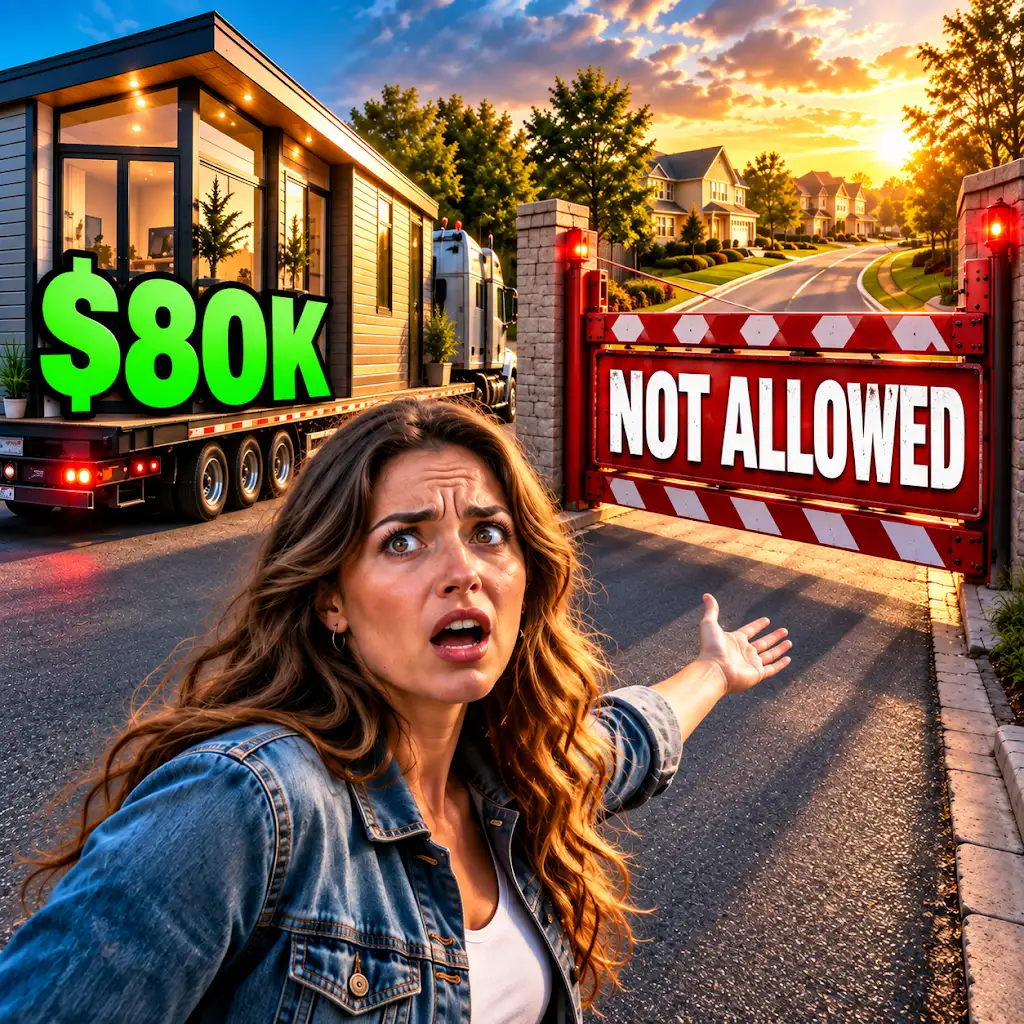
The $80,000 House You’re Not Allowed to Put Anywhere
FAQs
1. What is the average cost of a $80,000 house in America?
The average cost of an $80,000 house in America is typically found in more affordable housing markets, such as rural areas or smaller towns.
2. What factors can influence the price of an $80,000 house in America?
Factors that can influence the price of an $80,000 house in America include location, size, condition, age, and local market conditions.
3. Are $80,000 houses in America typically new constructions or older homes?
$80,000 houses in America are more likely to be older homes or smaller, more modestly sized properties. New constructions at this price point are less common.
4. What are some potential benefits of purchasing an $80,000 house in America?
Some potential benefits of purchasing an $80,000 house in America include lower mortgage payments, affordable homeownership, and the opportunity to build equity over time.
5. What are some considerations to keep in mind when buying an $80,000 house in America?
When buying an $80,000 house in America, it’s important to consider factors such as the property’s location, condition, potential for appreciation, and any additional costs for repairs or renovations.