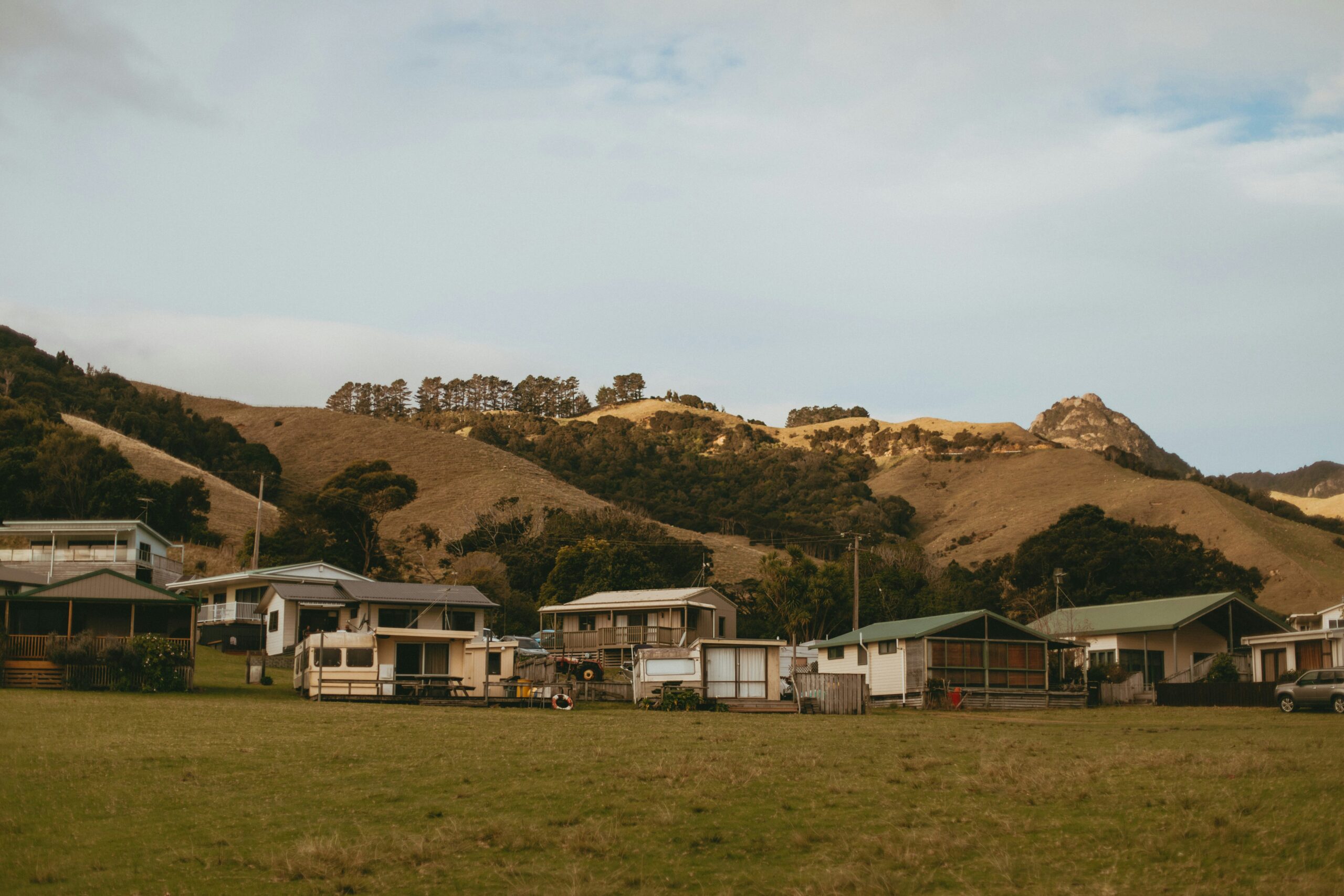
You’ve likely heard the whispers, seen the online ads, or maybe even driven past a community and wondered, “Is there a way to own a home and the land it sits on without breaking the bank?” You’re not alone. The dream of homeownership often feels like a distant fantasy, especially in today’s housing market. But what if you could unlock that dream, and not just with a house, but with the very ground beneath it, at a price that actually makes sense for your budget? Welcome to the world of affordable manufactured homes with land – your key to unlocking a more attainable and fulfilling way of living.
This isn’t about settling for less; it’s about smart choices and discovering a path to financial freedom that many overlook. You’re about to dive into how this unique housing solution can transform your vision of homeownership from a pipe dream into a tangible reality. You’ll learn what makes it so cost-effective, where to find these opportunities, and what you need to consider to make the best decision for your future. So, let’s get started on unlocking your affordable living adventure.
You might picture manufactured homes as simply “mobile homes,” perhaps with a connotation of transience or lower quality. However, that image is significantly outdated. Modern manufactured homes are built in factories to strict federal standards, the same ones that govern traditional site-built homes (HUD Code). This controlled environment allows for efficient construction, minimizing waste and labor costs. When you combine this with owning the land, you’re looking at a powerful combination for affordability.
The Cost-Saving Equation: House + Land
This is where the magic truly happens for your wallet. When you buy a traditional home, you’re paying for both the structure and the land, and the land value can be a significant portion of the total price, especially in desirable areas. With a manufactured home, you have two distinct purchase points, and they can often be acquired more affordably than a single, traditional property.
Factory-Built Efficiency
Imagine building a house on a rainy, windy day. Delays, material waste, and unpredictable labor costs are almost inevitable. Now, picture building in a climate-controlled factory. This controlled setting means:
- Reduced Labor Costs: Fewer weather delays and a more streamlined assembly line translate to lower labor expenses.
- Material Optimization: Factories can purchase materials in bulk and precisely manage their use, minimizing waste.
- Quality Control: The consistent environment allows for rigorous quality checks at every stage of construction, ensuring a well-built home.
Land Acquisition Strategies
The “with land” part is crucial. This means you’re not just buying a home to place in a rented lot in a mobile home park. You are buying a piece of property where your manufactured home will be permanently situated. This offers several advantages:
- Equity Building: You are building equity in both the home and the land, a fundamental aspect of wealth creation.
- Freedom and Control: You have the freedom to customize your property, plant that garden you’ve always dreamed of, or even add a garage, without seeking permission from a park owner.
- Potentially Lower Land Costs: Depending on your chosen location, you can often find parcels of land for manufactured homes at a significantly lower price point than land suitable for traditional site-built homes. This is often because these areas might be more rural, less developed, or simply have less demand for high-end construction.
Debunking the Myths: Modern Manufactured Homes
It’s time to let go of the stereotypes. The manufactured homes of today are a far cry from the flimsy structures of the past.
Construction Standards and Durability
The U.S. Department of Housing and Urban Development (HUD) sets stringent building codes for manufactured homes, ensuring they are:
- Structurally Sound: Built to withstand various weather conditions, including wind and snow loads.
- Energy Efficient: Often designed with energy-saving features to reduce your utility bills.
- Safe and Durable: Equipped with modern safety features and built with quality materials that stand the test of time.
Customization and Aesthetics
You’re not limited to a cookie-cutter design. Manufacturers offer a wide range of floor plans, exterior finishes, and interior amenities. You can often choose from:
- Single-Section Homes: Compact yet efficient, ideal for individuals or small families.
- Multi-Section Homes: Offering more space, multiple bedrooms and bathrooms, and often mimicking the layout of traditional homes.
- Design Options: Select from various roofing styles, siding materials, window types, and interior finishes like flooring, cabinetry, and countertops.
If you’re considering affordable living options, cheap manufactured homes with land can be an excellent choice for those looking to minimize expenses while still enjoying the benefits of homeownership. For more insights on this topic, you can read a related article that explores various aspects of manufactured homes and their financial advantages. Check it out here: How Wealth Grows.
Navigating the “With Land” Advantage
The phrase “manufactured home with land” signifies a pivotal shift in how you approach homeownership. It means you’re not just buying a dwelling; you’re acquiring real estate. This distinction opens up a world of possibilities and financial benefits that are often out of reach with other housing options.
Owning Your Piece of the Earth
When you buy a manufactured home with land, you are purchasing both the structure and the physical property it sits on. This is a fundamental difference from living in a mobile home park where you rent the land.
The Value of Land Ownership
- Appreciation: Land, like most real estate, has the potential to appreciate in value over time. This means your investment could grow beyond just the value of your home.
- Stability and Security: You have a permanent place to call home, free from the anxieties of land lease rent increases or potential park closures. Your property is yours, and its future is in your hands.
- Freedom to Customize: You have the autonomy to make improvements and changes to your property as you see fit. Want to add a patio, a fence, or a detached garage? With land ownership, it’s your decision.
Types of Land Acquisition
The process of acquiring land for your manufactured home can vary, and understanding these options will help you find the best fit for your situation.
Purchasing Undeveloped Land and Placing a New Home
This is the most straightforward approach. You identify a parcel of land that meets your needs and local zoning regulations, purchase it, and then work with a manufactured home dealer to select and install your home on the site.
- Due Diligence is Key: Before buying land, you must research zoning laws to ensure manufactured homes are permitted. You’ll also need to investigate utility access (water, sewer or septic, electricity, internet) and the suitability of the land for building (soil tests, percolation tests for septic systems).
- Permitting and Installation: This process involves obtaining building permits, site preparation (grading, foundation), and the professional installation of your manufactured home.
Buying a Property with an Existing Manufactured Home
You can find pre-owned properties where a manufactured home is already situated on its own land. This can be a faster route to homeownership, as much of the groundwork may have already been laid.
- Inspection is Crucial: Just like with any pre-owned home, a thorough inspection of both the manufactured home and the land is essential. Look for signs of foundation issues, water damage, and the overall condition of the home.
- Financing Considerations: Financing for older manufactured homes on land can sometimes be more challenging than for new ones, so it’s wise to consult with lenders early in the process.
Land-Lease Communities with Option to Buy
While this isn’t strictly owning the land in the traditional sense, some manufactured home communities offer the option to purchase the land your home is on after a period of land leasing. This can be a stepping stone to full ownership.
- Read the Contract Carefully: Understand the terms and conditions under which you can eventually purchase the land, including any associated fees or price escalations.
- Evaluate the Community: If you choose this route, consider the amenities and overall management of the community.
Finding Affordable Manufactured Homes with Land
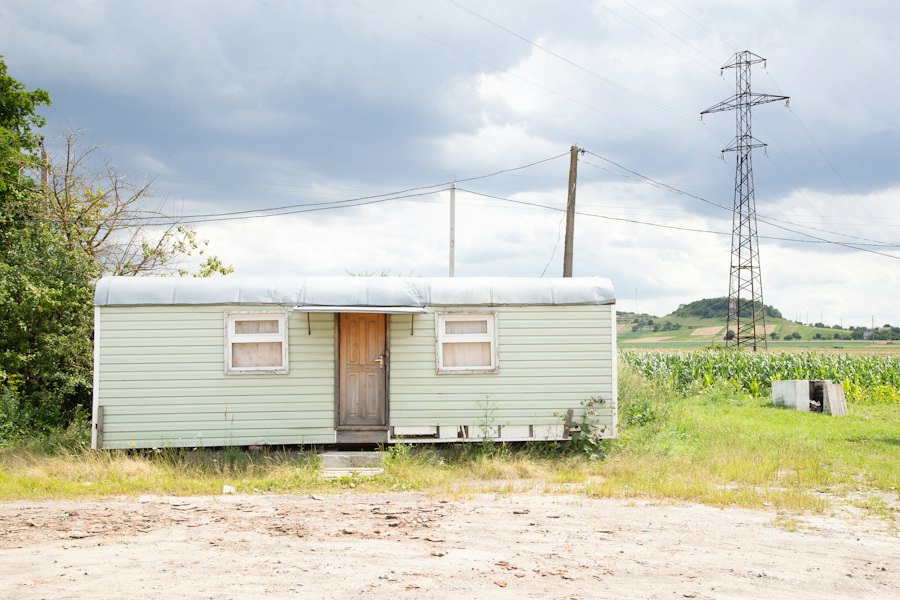
The hunt for affordable housing can feel daunting, but with a strategic approach, you can uncover hidden gems that offer excellent value. The key is to know where to look and what to ask.
Exploring Your Location Options
Affordability is heavily influenced by geography. Areas with lower costs of living or less developed regions often present the best opportunities.
Rural and Suburban Areas
- Lower Land Prices: As you move away from major urban centers, land prices tend to decrease significantly. This can make owning land a much more attainable goal.
- Wider Selection: You might find a broader selection of land parcels and manufactured homes in these areas compared to highly sought-after city locations.
- Community Feel: Many rural and suburban areas offer a strong sense of community, a slower pace of life, and access to nature.
Emerging Markets and Revitalization Zones
Keep an eye on areas that are experiencing economic growth or undergoing revitalization efforts. Sometimes, these areas still have pockets of affordable land before property values fully catch up.
- Potential for Appreciation: Investing in an area on the rise can offer the added benefit of potential future property value appreciation.
- Government Incentives: Some cities or regions may offer incentives for development or homeownership in specific zones.
Utilizing Online Resources and Local Expertise
The internet has revolutionized how we search for homes, and manufactured homes with land are no exception.
Online Listing Platforms
Websites dedicated to real estate often have specific filters for manufactured homes.
- Zillow, Realtor.com, Trulia: Use their search filters to specify “manufactured” or “mobile” homes and look for listings that explicitly state “with land.”
- Specialized Manufactured Home Websites: There are also websites that focus exclusively on manufactured homes, which can be excellent resources.
- Keywords are Crucial: When searching, try variations like “manufactured home on acreage,” “modular home with land,” or “land and home package.”
Local Manufactured Home Dealers and Brokers
These professionals are invaluable resources. They have their finger on the pulse of the local market and often have access to listings that aren’t yet widely advertised.
- Knowledge of Inventory: Dealers know what homes are available, what customizations are possible, and can guide you through the process.
- Site Assessment: Many dealers can help you assess potential land sites and advise on the feasibility of placing a manufactured home there.
- Networking: They often have connections with real estate agents who specialize in land sales or properties with manufactured homes.
Working with Real Estate Agents
A real estate agent experienced in manufactured homes and land can be a significant asset.
- Understanding Zoning: They can help you navigate the complexities of local zoning laws and ensure a property is suitable for your intended use.
- Negotiation Skills: A good agent can help you negotiate the best possible price for both the home and the land.
- Paperwork Navigation: The process of buying land and a manufactured home can involve unique paperwork; an experienced agent can guide you through it.
Financing Your Affordable Dream
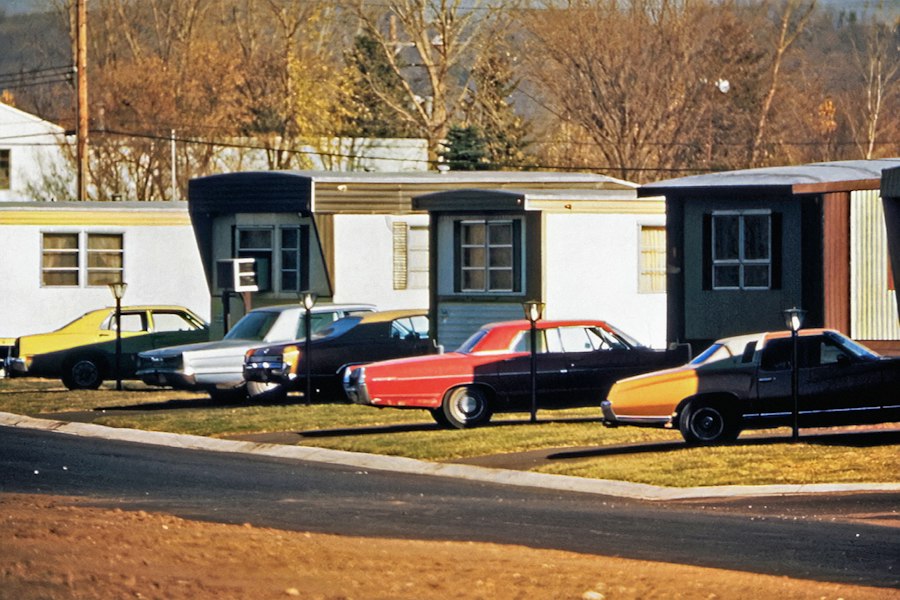
Securing financing for a manufactured home with land can sometimes be different from obtaining a mortgage for a traditional site-built home. However, there are various loan options available that can make your dream a reality.
Understanding Loan Options
The type of loan you qualify for often depends on whether the home is permanently affixed to the land and its age.
Chattel Loans
These are loans specifically for personal property, and a manufactured home is often considered personal property when it’s not permanently attached to land or when the land is being leased.
- Higher Interest Rates: Chattel loans typically have higher interest rates and shorter repayment terms compared to traditional mortgages.
- Common for Homes in Parks: While less common for homes on owned land, they can sometimes be an option if other financing falls through.
Traditional Mortgages (Secured Loans)
If your manufactured home is permanently affixed to the land you own, and meets certain criteria (like being built after June 15, 1976, and having a permanent foundation), you can often qualify for a traditional mortgage.
- Lower Interest Rates: Mortgages generally offer lower interest rates and longer repayment terms, making them more affordable in the long run.
- Lender Requirements: Lenders will want to ensure the home is considered real property, which involves specific installation requirements and often requires the home and land to be purchased together as a single transaction.
FHA and VA Loans
Government-backed loans can be excellent options for affordable housing.
- FHA Loans: The Federal Housing Administration insures loans, making it easier for borrowers with lower credit scores or smaller down payments to qualify. They have specific guidelines for manufactured homes, often requiring them to be permanently affixed and meet certain standards.
- VA Loans: For eligible veterans and active-duty military personnel, VA loans offer competitive interest rates and often require no down payment. Like FHA loans, there are requirements for manufactured homes.
The Importance of a Pre-Approval
Before you start seriously looking at properties, getting pre-approved for a loan is a critical step.
Knowing Your Budget
- Financial Clarity: Pre-approval tells you exactly how much a lender is willing to loan you, setting a realistic budget for your home search.
- Strengthening Your Offer: A pre-approval letter shows sellers you are a serious and qualified buyer, making your offer more attractive.
Shopping Around for Lenders
- Comparing Rates and Terms: Different lenders offer different interest rates, fees, and loan products. Shopping around can save you thousands of dollars over the life of your loan.
- Specialized Lenders: Some lenders specialize in manufactured home financing, and they may have more favorable terms or a better understanding of the process.
If you’re considering investing in affordable housing options, you might find it helpful to read a related article on cheap manufactured homes with land. This resource provides valuable insights into the benefits and potential challenges of owning a manufactured home, along with tips on how to find the best deals in your area. Understanding these aspects can help you make an informed decision and maximize your investment.
Preparing for the Manufactured Home Lifestyle
| Metric | Value | Notes |
|---|---|---|
| Average Price | 50,000 – 90,000 | Includes both home and land in rural areas |
| Average Size | 800 – 1,200 sq ft | Typically 2-3 bedrooms, 1-2 bathrooms |
| Land Size | 0.5 – 2 acres | Varies by location and zoning |
| Monthly Property Taxes | 50 – 150 | Depends on local tax rates |
| Average Utility Costs | 100 – 200 | Electricity, water, and sewage |
| Financing Options | FHA Title I, VA Loans, Personal Loans | Varies by lender and credit score |
| Typical Age of Homes | 5 – 20 years | Newer homes tend to cost more |
| Common Locations | Rural and suburban areas | Lower land costs outside urban centers |
Owning a manufactured home with land is a fantastic way to achieve affordability, but like any homeownership journey, it requires preparation and understanding. You’re not just buying a house; you’re embracing a lifestyle that offers unique advantages.
Site Preparation and Installation
Ensuring your land is ready for your new home is a crucial first step.
Foundation and Utilities
- Permanent Foundation: For most mortgage financing, a permanent foundation (e.g., concrete piers, blocks, or a full basement/crawl space) is required. This also ensures the stability and longevity of your home.
- Utility Connections: You’ll need to ensure connections for electricity, water, and sewer or septic systems are available and functional. This might involve trenching, permits, and inspections.
Site Work
- Grading and Drainage: The land needs to be properly graded to ensure water drains away from the foundation.
- Driveway Access: You’ll need a clear and accessible path for the delivery and installation of your manufactured home.
Maintenance and Upkeep
Manufactured homes require regular maintenance, just like any other home. Being proactive will help you keep your home in excellent condition and protect your investment.
Home Systems
- HVAC: Regular servicing of your heating, ventilation, and air conditioning system is essential for efficiency and longevity.
- Plumbing and Electrical: Periodically check for leaks, ensure outlets are working correctly, and address any minor issues promptly.
- Roof and Siding: Inspect your roof for damage and keep your siding clean and in good repair to prevent water intrusion.
Land Maintenance
- Landscaping: Maintaining your yard, including mowing, trimming trees, and managing any garden areas, is part of homeownership.
- Septic System (if applicable): If you have a septic system, regular pumping and maintenance are vital to prevent costly problems.
Building Equity and Future Possibilities
Owning a manufactured home with land is not just about current affordability; it’s about building a secure future for yourself.
Long-Term Investment
- Asset Growth: As you pay down your mortgage and the value of your land potentially appreciates, you build significant equity.
- Financial Security: This equity provides a strong financial foundation, offering options for future investments, education funding, or a comfortable retirement.
Potential for Renovation and Expansion
- Personalization: As your needs change or your budget allows, you can make improvements to your home and property. This might include adding a deck, updating the kitchen, or even expanding the living space.
- Increased Value: Strategic renovations can further increase the value of your property.
In conclusion, the path to affordable living often involves looking beyond the conventional. Affordable manufactured homes with land offer a compelling solution, allowing you to own not just a comfortable dwelling but also the very ground beneath your feet. By understanding the nuances of this housing option, navigating the market strategically, securing appropriate financing, and preparing for the lifestyle, you are well on your way to unlocking a more secure, fulfilling, and financially accessible future. Your dream of homeownership, with all its associated benefits, is within your reach.
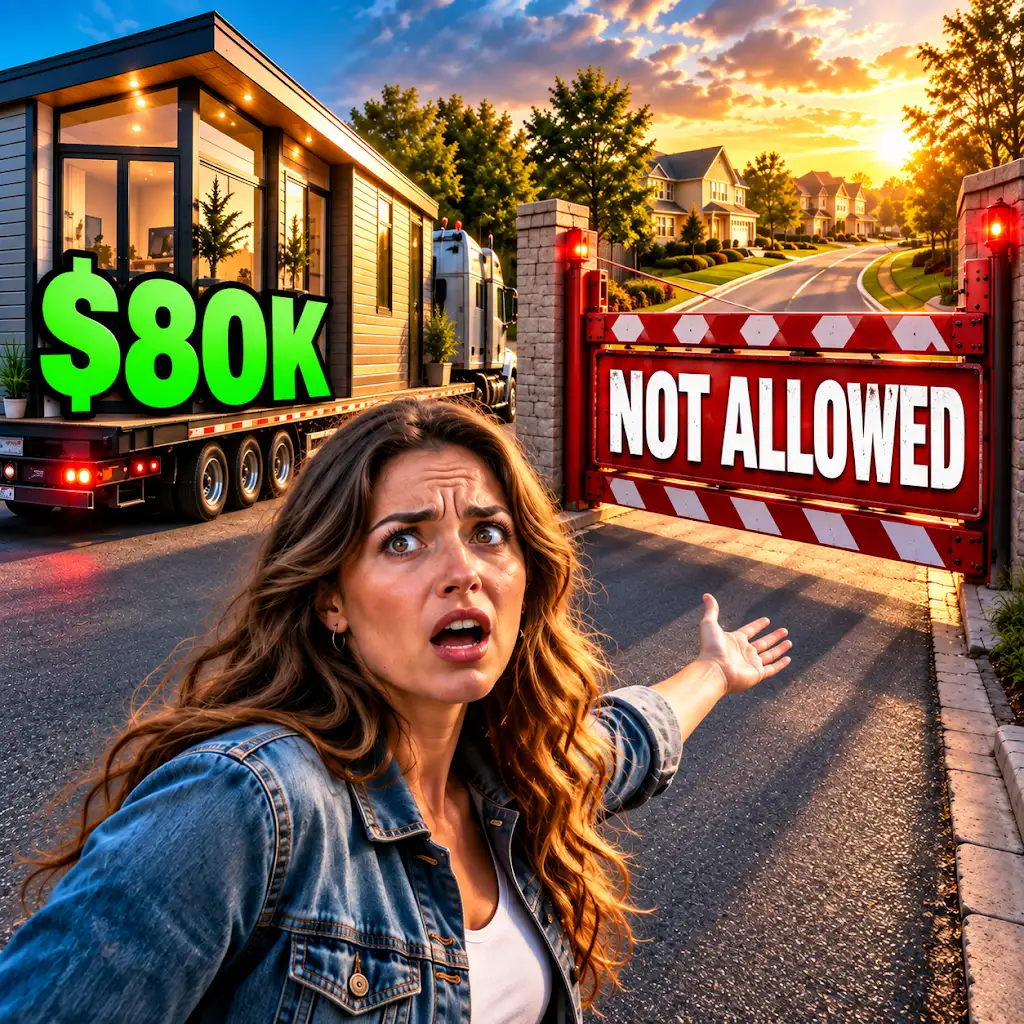
The $80,000 House You’re Not Allowed to Put Anywhere
FAQs
What are cheap manufactured homes with land?
Cheap manufactured homes with land refer to prefabricated homes that are built off-site and then transported to a piece of land that is included in the purchase. These homes are typically more affordable than traditional stick-built homes.
What are the benefits of buying a cheap manufactured home with land?
Some benefits of buying a cheap manufactured home with land include lower upfront costs, quicker construction timelines, and the ability to customize the home to your preferences. Additionally, owning the land can provide long-term value and investment potential.
What should I consider before purchasing a cheap manufactured home with land?
Before purchasing a cheap manufactured home with land, it is important to consider factors such as the location of the land, zoning regulations, utility connections, financing options, and the reputation of the manufacturer. It is also advisable to inspect the property and home thoroughly before making a purchase.
Are there any drawbacks to buying a cheap manufactured home with land?
Some drawbacks of buying a cheap manufactured home with land may include potential resale challenges, limited financing options, and the perception of lower quality compared to traditional homes. Additionally, maintenance and repair costs may vary depending on the age and condition of the home.
How can I find cheap manufactured homes with land for sale?
You can find cheap manufactured homes with land for sale by searching online real estate listings, contacting local real estate agents specializing in manufactured homes, attending home expos or auctions, and exploring government programs or incentives for affordable housing. It is important to conduct thorough research and inspections before making a purchase.