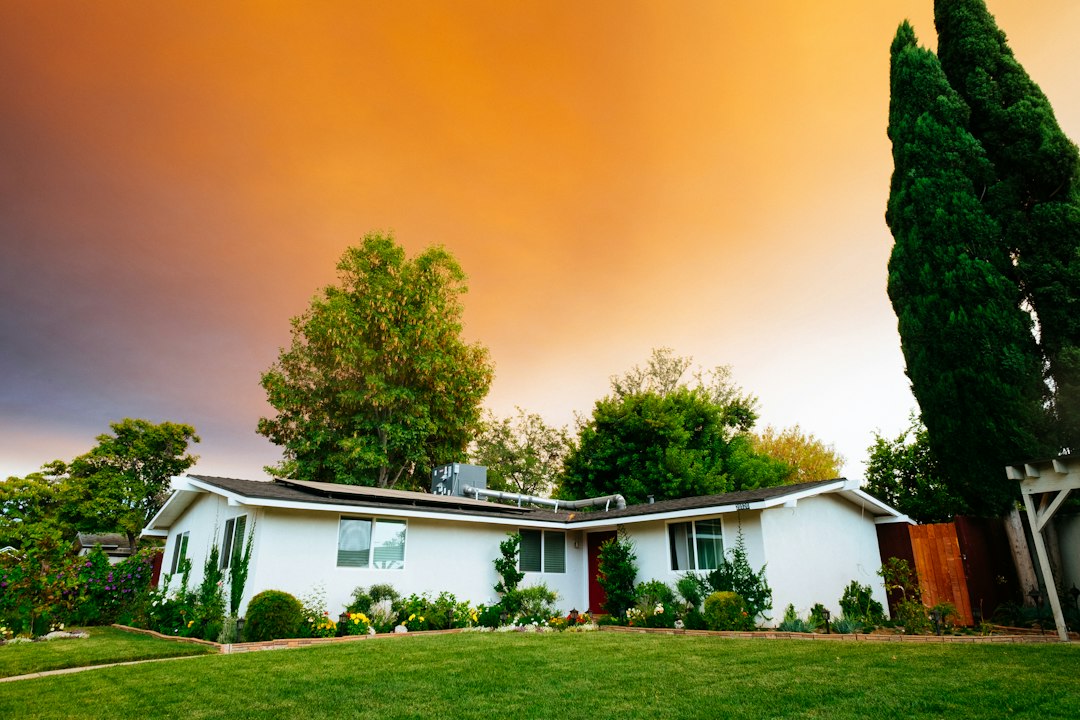
You’re likely reading this because you’re facing a familiar challenge: finding a place to call home that doesn’t feel like an insurmountable financial mountain. The dream of homeownership, or even just securing stable, comfortable housing, seems to be slipping further out of reach for many Americans. Rents are soaring, traditional home prices are astronomical, and the hurdles to getting a mortgage can feel like scaling Everest in flip-flops. It’s a frustrating reality, and you’re not alone in feeling it. But what if there was a solution, an often-overlooked avenue that offers quality, affordability, and a genuine path to owning your own space? You might be surprised to learn that manufactured homes are precisely that solution.
For too long, manufactured housing has been saddled with outdated stigmas and misconceptions. Images of flimsy, temporary dwellings from decades past likely come to mind, and it’s time to shatter those perceptions. Today’s manufactured homes are a far cry from their predecessors. They are modern, energy-efficient, customizable, and, most importantly, remarkably affordable, offering a viable answer to America’s persistent housing crisis. This isn’t just about cheaper housing; it’s about accessible homeownership and secure living for a broad spectrum of the American population.
You might be wondering, what exactly is a manufactured home, and how does it differ from what you might have called a mobile home in the past? The terminology itself is part of the evolving narrative. While the term “mobile home” still lingers in the public consciousness, the industry officially shifted to “manufactured home” in 1976, coinciding with the implementation of the HUD Code. This federal code established stringent building standards for safety, construction quality, and energy efficiency, bringing manufactured homes up to par with, and in many cases exceeding, site-built homes.
The HUD Code: A Guarantee of Quality and Safety
You’ve probably heard about building codes, whether you’re building a house from scratch or just doing a major renovation. The HUD Code is the national standard for manufactured housing construction, set and enforced by the U.S. Department of Housing and Urban Development (HUD). Think of it as the ultimate quality control for your home. This isn’t a voluntary guideline; it’s a mandatory set of regulations that every manufactured home built in the United States must adhere to.
Rigorous Construction Standards
The HUD Code covers everything from the structural integrity of the home to its electrical and plumbing systems, fire safety, and energy efficiency. Manufacturers are subjected to regular inspections and must maintain detailed records of their building processes. This means that the walls, floors, and roof of your manufactured home are designed to withstand significant wind loads and snow, and the materials used are held to specific quality standards. You’re not just buying a structure; you’re investing in a home built to rigorous, federally regulated specifications.
Energy Efficiency Built-In
One of the most significant advantages of the HUD Code is its emphasis on energy efficiency. Manufactured homes are designed and built to meet specific insulation R-values, window performance standards, and sealing requirements. This translates directly into lower utility bills for you. You’ll find that your heating and cooling costs are often considerably less than in older, less efficiently built site-built homes, which is a major consideration for your monthly budget.
The Affordability Factor: Why They Cost Less
The primary driver behind the affordability of manufactured homes is the efficiency of their production. Instead of building one house at a time on a potentially unpredictable construction site, manufactured homes are built in controlled factory environments. This streamlined process, coupled with bulk purchasing of materials, leads to significant cost savings that are passed on to you.
Factory Production Efficiencies
Imagine a factory assembly line, but for homes. This is the core of manufactured home construction. Materials are delivered in bulk, specialized tools and equipment are readily available, and skilled workers can focus on specific tasks. This controlled environment minimizes waste, reduces labor costs, and allows for a faster production cycle. You’re not paying for unpredictable weather delays or the overhead of a traditional construction crew working on-site for weeks or months.
Reduced Land and Foundation Costs
While you will need land for your manufactured home, the foundation requirements are typically less extensive and less costly than those for a traditional site-built home. In many cases, a manufactured home can be placed on a simpler foundation system, further contributing to the overall affordability. Of course, this varies depending on local zoning and the type of land you choose.
Customization and Modern Design
Forget those boxy, uninspired models of the past. Today’s manufactured homes offer a surprising level of customization and boast modern, attractive designs. You can often choose from a variety of floor plans, interior finishes, exterior appearances, and upgrade packages to create a home that truly reflects your style and needs.
Diverse Floor Plans and Layouts
Whether you need a cozy starter home with two bedrooms or a spacious residence with four bedrooms and multiple bathrooms, manufactured home builders offer a wide array of floor plans. You can find designs that cater to families, individuals, or those looking for a home that accommodates guests or specific hobbies. Many layouts incorporate open-concept living areas, modern kitchens, and well-appointed bathrooms.
Interior and Exterior Finishes
The days of limited choices are long gone. You can select from a range of cabinetry styles, countertop materials (like laminate, quartz, or granite), flooring options (from vinyl and carpet to hardwood-look LVP), and paint colors. Externally, you can often choose siding materials, roofing styles, and even window types to enhance your home’s curb appeal and complement your surroundings.
Affordable manufactured homes are becoming an increasingly popular solution for those seeking budget-friendly housing options in America. For a deeper understanding of this trend and its implications, you can explore a related article that discusses various aspects of manufactured housing and its impact on the housing market. Check out the article here: Affordable Manufactured Homes in America.
Overcoming the Stigma: Modern Realities of Manufactured Homes
It’s crucial to address the lingering stereotypes that have unfairly painted manufactured homes in a negative light. These outdated perceptions often stem from historical context and a lack of awareness about the advancements in the industry. You deserve to have accurate information when making such a significant decision.
Distinguishing from Mobile Homes of the Past
The term “mobile home” often conjures images of homes that were intended to be moved frequently and offered little in the way of durability or long-term living. While these were the early iterations, the manufactured housing of today is fundamentally different. The HUD Code, as mentioned, revolutionized the industry, mandating permanent construction standards that make these homes as stable and durable as their site-built counterparts.
Built to Last, Not Just to Move
Once a manufactured home is placed on its permanent foundation, it is considered a real estate asset, just like a traditional home. While they are transported from the factory in sections, the intention is for them to be a permanent residence. The chassis and wheels are typically removed after placement, and the home is secured to a foundation, making it a stable and lasting dwelling.
Comparable Longevity and Durability
With proper maintenance, a well-built manufactured home can last as long as any site-built home. The materials used are comparable, and the construction standards ensure durability. You’re investing in a quality home that is designed for long-term occupancy.
Affordable manufactured homes are becoming an increasingly popular solution for many Americans seeking budget-friendly housing options. These homes offer a viable alternative to traditional housing, allowing families to achieve homeownership without breaking the bank. For those interested in exploring this topic further, a related article discusses the various benefits and considerations of manufactured homes in America. You can read more about it here.
Financing Your Manufactured Home: Options Available to You
One of the biggest hurdles to homeownership for many is securing financing. You might be concerned that obtaining a loan for a manufactured home is more difficult. While the financing landscape has its nuances, there are indeed robust options available to you.
Traditional Mortgages for Manufactured Homes
You’ll be pleased to learn that manufactured homes, especially those permanently affixed to land you own, are often eligible for traditional mortgage financing. Lenders like Fannie Mae and Freddie Mac have programs that support the financing of qualified manufactured homes. This means you can potentially access competitive interest rates and loan terms, similar to those for site-built homes.
Specific Manufactured Home Loans
Beyond traditional mortgages, there are also specialized loan products designed specifically for manufactured homes. These loans can sometimes be more accessible and may have slightly different qualification requirements. It’s worth exploring these options with lenders who are experienced in manufactured housing finance.
Land/Home Packages
A popular and often streamlined financing option for first-time homebuyers or those looking to purchase both land and a manufactured home is a land/home package loan. This type of financing allows you to bundle the cost of the land and the manufactured home into a single mortgage, simplifying the process and often providing a more favorable interest rate than securing separate loans.
Addressing Resale Value and Appreciation
A common concern you might have is about the resale value of a manufactured home. Historically, the perception has been that they depreciate like vehicles. However, this is a generalization that no longer holds true for modern manufactured homes, particularly when they are situated on privately owned land and properly maintained.
Impact of Land Ownership
The most significant factor influencing the resale value of a manufactured home is whether it is situated on land you own or on leased land. Homes on leased land (in manufactured home communities) may have different appreciation patterns than those on private property. When you own the land, your manufactured home becomes a component of real estate, and its value is influenced by the land’s appreciation and the home’s condition.
Factors Influencing Appreciation
Similar to site-built homes, the appreciation of a manufactured home is influenced by several factors: location, the overall housing market in the area, the condition and upgrades of the home itself, and the desirability of the neighborhood. A well-maintained, modern manufactured home in a sought-after location can indeed appreciate in value over time.
Manufactured Homes as a Viable Solution for Diverse Needs
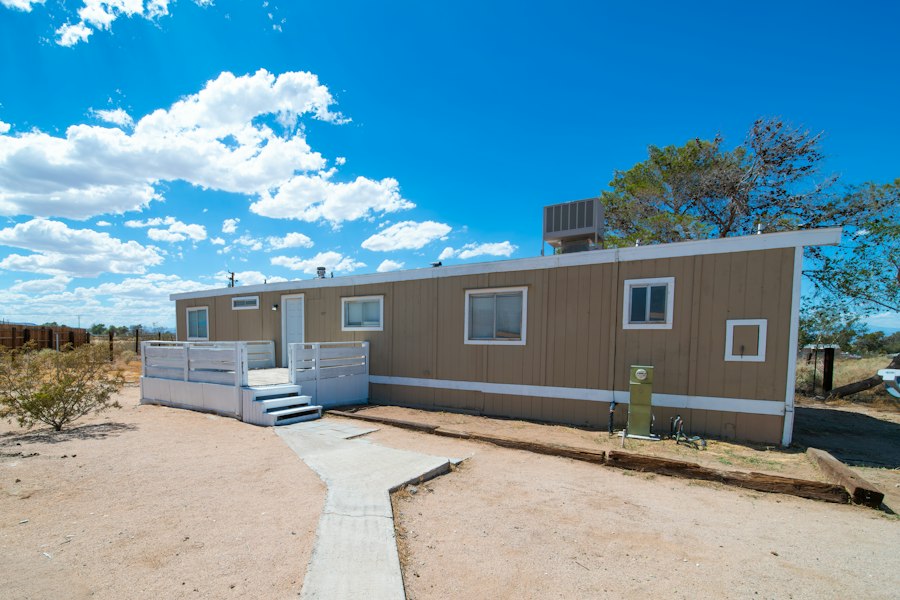
The affordability and quality of manufactured homes make them a versatile solution that can meet the housing needs of a wide range of individuals and families. You might be surprised to see how many different situations they can effectively address.
First-Time Homebuyers: Your Gateway to Ownership
For many young families or individuals just starting out, the dream of homeownership can feel like an impossible feat due to the high cost of traditional housing. Manufactured homes offer a realistic and attainable entry point into the real estate market.
Making Homeownership Accessible
With a lower upfront cost compared to traditional homes, manufactured homes allow you to build equity and establish yourself as a homeowner sooner. This can be a crucial step in building long-term financial security and stability.
Building a Foundation for Future Investments
Owning a manufactured home can provide you with a stable base from which to save, invest, and potentially upgrade to a larger or different type of home in the future. It’s a stepping stone towards your broader financial goals.
Retirees and Downsizers: Comfortable and Affordable Living
As you enter or approach retirement, your housing needs and priorities may shift. You might be looking for a more manageable, lower-maintenance, and cost-effective living situation. Manufactured homes can be an excellent fit for this life stage.
Reduced Maintenance and Living Expenses
Smaller manufactured homes often mean less maintenance and lower utility bills, freeing up your retirement income for travel, hobbies, or other pursuits. The single-level living often found in manufactured homes can also be beneficial.
Secure and Community-Oriented Living
Many manufactured home communities offer a strong sense of community, providing opportunities for social interaction and shared activities. This can be particularly appealing for retirees seeking companionship and a supportive environment.
Families Seeking Space and Value
You might be a growing family looking for more space without breaking the bank. Manufactured homes come in various sizes, including larger models with multiple bedrooms and bathrooms, offering ample room for your family to live and grow comfortably.
Cost-Effective Family Housing
The affordability of manufactured homes means you can often get more living space for your money compared to a similarly priced site-built home. This allows you to provide a comfortable and spacious home for your family without the financial strain.
Customizable Spaces for Everyone
With customizable floor plans, you can often create distinct living areas, playrooms, or home offices to suit your family’s unique needs and preferences.
The Future of Affordable Housing: Manufactured Homes Leading the Way
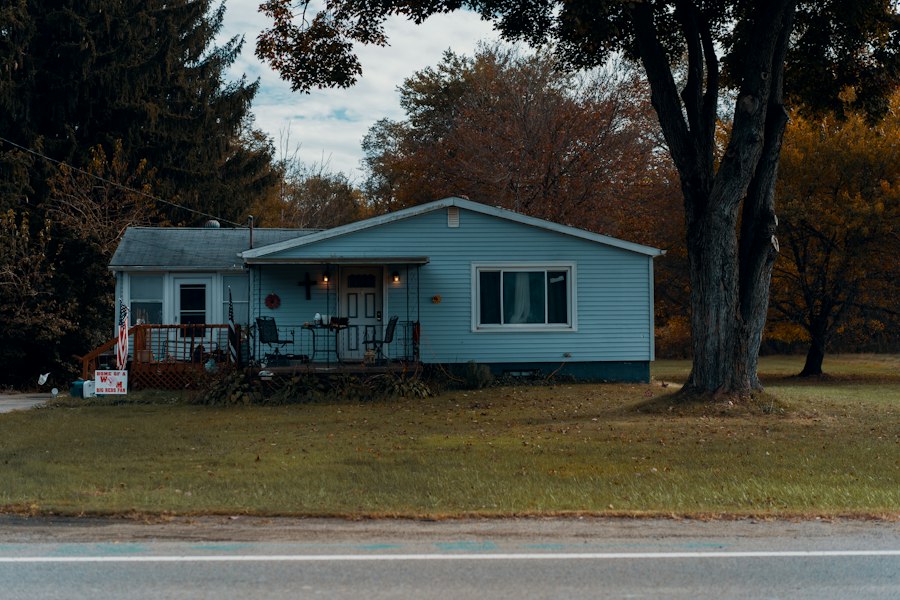
As the challenges of urban sprawl, rising construction costs, and the persistent housing shortage continue to impact communities across the nation, manufactured housing is increasingly being recognized as a crucial component of the solution. You’re seeing a shift in perception and policy that favors these innovative housing options.
Innovation in Construction and Design
The manufactured housing industry is not static. Manufacturers are continually investing in new technologies and design innovations to improve the quality, efficiency, and sustainability of their homes. You can expect to see even more advanced features and eco-friendly options becoming standard.
Sustainable Building Practices
Many manufacturers are incorporating sustainable building practices into their operations, from using recycled materials to reducing waste in their factories. This commitment to environmental responsibility makes manufactured homes an even more attractive option for conscientious consumers.
Smart Home Technology Integration
Just like traditional homes, manufactured homes are increasingly incorporating smart home technology. You can find options for integrated thermostats, smart lighting, security systems, and more
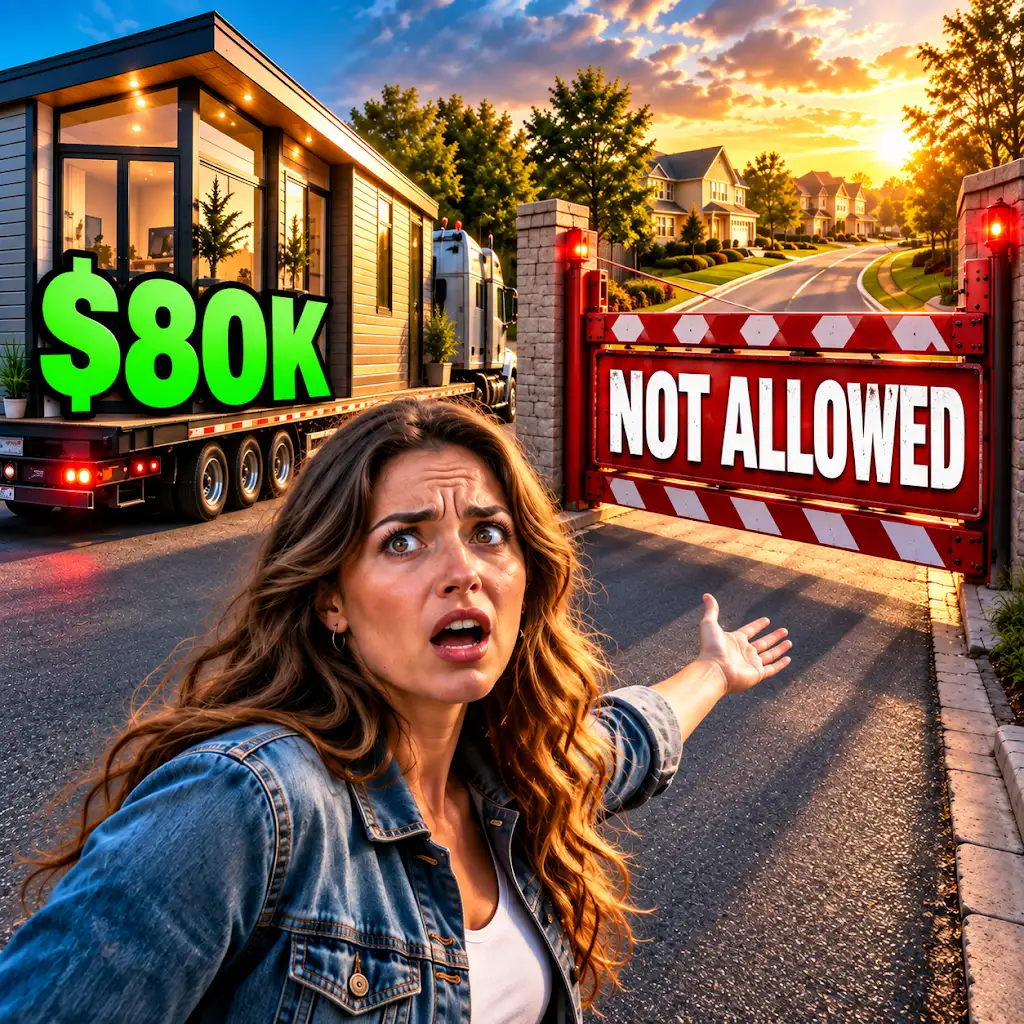
The $80,000 House You’re Not Allowed to Put Anywhere
FAQs
What are manufactured homes?
Manufactured homes are prefabricated homes that are built in a factory and then transported to a site for installation. They are also known as mobile homes or trailers.
How affordable are manufactured homes in America?
Manufactured homes are generally more affordable than traditional site-built homes. The average cost of a manufactured home in America is around $70,600, making them a more budget-friendly housing option.
What are the benefits of choosing a manufactured home?
Some benefits of choosing a manufactured home include lower cost, quicker construction time, energy efficiency, and customization options. Manufactured homes also offer the flexibility of being able to be moved to a different location if needed.
Are there any regulations for manufactured homes in America?
Yes, manufactured homes are regulated by the U.S. Department of Housing and Urban Development (HUD). There are federal construction and safety standards that must be met for manufactured homes to ensure they are safe and durable.
Can manufactured homes appreciate in value?
While traditional site-built homes typically appreciate in value over time, manufactured homes may not appreciate at the same rate. However, factors such as location, condition, and market trends can still impact the appreciation of a manufactured home.