You’re probably reading this because you’re either a resident of Austin, Texas, dreaming of buying a home here, or perhaps someone considering a move to the vibrant, booming city. The allure of Austin is undeniable – its live music scene, thriving tech industry, delicious food, and undeniable charm. But there’s a shadow looming over this Texan paradise: the sky-high cost of living, particularly when it comes to housing. It feels like every week, you hear about another record-breaking sale, another neighborhood becoming unaffordable, and another Austinite forced to make difficult choices. You’re not alone in this bewilderment and frustration. The question on everyone’s mind is: why are housing prices in Austin soaring like a rocket?
Austin’s growth isn’t an accident; it’s a deliberate, often celebrated, phenomenon. The city has become a magnet, drawing people from all walks of life for a multitude of compelling reasons. This constant influx of new residents is arguably the most significant driver of your soaring housing costs.
The Tech Boom’s Gravitational Pull
You’ve seen the headlines, you’ve probably encountered the tech workers, and you’ve definitely felt the impact. Austin has cemented its reputation as “Silicon Hills,” a major hub for technology companies.
Major Tech Companies Setting Up Shop
Think about the giants that have established significant presences here: Apple, Google, Amazon, Facebook (Meta), Tesla, Oracle – the list goes on. These aren’t just small satellite offices; they are massive campuses employing thousands. Each new campus, each expansion, signals a wave of new, well-compensated employees entering the Austin market, all needing a place to live.
The Rise of Startups and Venture Capital
Beyond the established giants, Austin boasts a thriving ecosystem of startups. This entrepreneurial spirit attracts ambitious individuals and the venture capital to fuel their growth. Many of these startups are in high-growth sectors, offering attractive salaries that enable their employees to compete fiercely for housing. The energy is palpable, and with that energy comes increased demand.
High-Paying Jobs Fueling Demand
The influx of tech and other high-paying industries means a significant portion of the new population has substantial disposable income. When more people with money are looking to buy or rent, the prices naturally get pushed upwards. You’re competing with individuals who can afford to pay top dollar, making it increasingly difficult for those with more modest incomes to find affordable options.
The “Keep Austin Weird” Charm: A Lifestyle Unmatched
While the tech industry is a major economic driver, it’s not the only reason people flock here. Austin offers a lifestyle that many find incredibly appealing, a blend of urban energy and outdoor recreation.
Music, Culture, and Entertainment
Austin’s status as the “Live Music Capital of the World” isn’t just a catchy slogan; it’s a reality. The sheer volume and quality of live music venues, festivals like SXSW and Austin City Limits, and a vibrant arts and culture scene draw in creative individuals and those who appreciate a lively social environment. This cultural richness contributes to the city’s desirability.
Outdoor Recreation Paradise
The sprawling greenbelts, Barton Creek, Lady Bird Lake, and the surrounding Hill Country offer an unparalleled outdoor playground. For many, the ability to easily access hiking, biking, kayaking, and swimming is a significant quality of life factor. This access makes Austin a desirable location for active individuals and families who value this connection to nature.
A Welcoming and Progressive Atmosphere
Austin has long been known for its progressive and inclusive atmosphere. This welcoming spirit attracts a diverse population, further contributing to the city’s growth and appeal. People feel comfortable being themselves here, and that sense of belonging is a powerful draw.
The rising cost of housing in Austin can be attributed to a combination of factors, including a booming tech industry, a limited supply of homes, and increasing demand from both residents and investors. For a deeper understanding of the economic dynamics at play, you can read a related article that explores these issues in detail. Check it out here: Why Housing is Expensive in Austin.
The Constrained Supply: When Demand Outstrips Availability
Even if Austin weren’t experiencing such a meteoric rise in popularity, a fundamental principle of economics is at play: supply and demand. When demand is high, and supply is limited, prices inevitably climb. Austin’s supply chain for housing has struggled to keep pace with the surging demand.
Geographic Limitations: The Hill Country’s Embrace
Austin’s beauty is intrinsically linked to its unique geography. Nestled in the Texas Hill Country, the city is surrounded by rolling hills, sensitive ecosystems, and protected land. This natural beauty, while a major asset, presents significant constraints on outward expansion.
The Delicate Balance of Development and Preservation
Building in the Hill Country is not as straightforward as developing on flat plains. Environmental regulations, concerns about water resources, and the desire to preserve the natural landscape limit the amount of land available for new construction. Developers face more hurdles and often higher costs when trying to build in these areas. You can’t just pave over everything without consequences.
Infrastructure Challenges in Sprawling Areas
As Austin has grown, so has the need for infrastructure – roads, water, sewer, schools, and public transportation. Developing further out into the Hill Country means extending these services, which is a massive and expensive undertaking. This makes large-scale development in certain outlying areas less feasible or much slower to materialize.
Restrictive Zoning Laws: A Legacy of Past Decisions
For decades, Austin’s zoning laws have been relatively restrictive compared to other rapidly growing cities. While intended to maintain neighborhood character and prevent uncontrolled sprawl, these regulations have inadvertently created a bottleneck for new housing development.
Single-Family Zoning Dominance
A significant portion of Austin’s residential land is zoned exclusively for single-family homes. This limits the potential for building denser housing types like duplexes, townhouses, and apartment buildings, which could accommodate more people on the same amount of land. You see it when you drive through many established neighborhoods – vast stretches of single-family homes with large yards.
The Slow Pace of Rezoning and Approvals
Getting a rezoning approved in Austin can be a lengthy and complex process, often involving lengthy community meetings, public hearings, and navigating a bureaucratic maze. This discourages developers from undertaking projects that might require significant zoning changes, further slowing down the pace of new construction. The process can feel like an uphill battle.
The “Not in My Backyard” (NIMBY) Effect: Resistance to Density
While not unique to Austin, the “Not in My Backyard” sentiment is a palpable force that influences housing development. Existing residents, concerned about traffic, school overcrowding, or changes to neighborhood aesthetics, often oppose new housing projects, especially those that involve increased density.
Community Opposition to New Developments
You’ve likely witnessed or heard about community groups forming to protest new apartment complexes or multi-family developments. While these concerns are often valid, the collective impact of such opposition can significantly delay or even halt the construction of much-needed housing. This resistance directly limits the supply.
The Trade-off Between Character and Affordability
There’s a constant tension between preserving the existing character of neighborhoods and addressing the pressing need for more affordable housing. When residents advocate strongly against any changes that could increase density, they inadvertently contribute to the scarcity that drives up prices for everyone else. It’s a difficult balancing act, and the scales often tip towards preserving the status quo, at the expense of affordability.
The Rising Costs of Construction: Building Becomes More Expensive
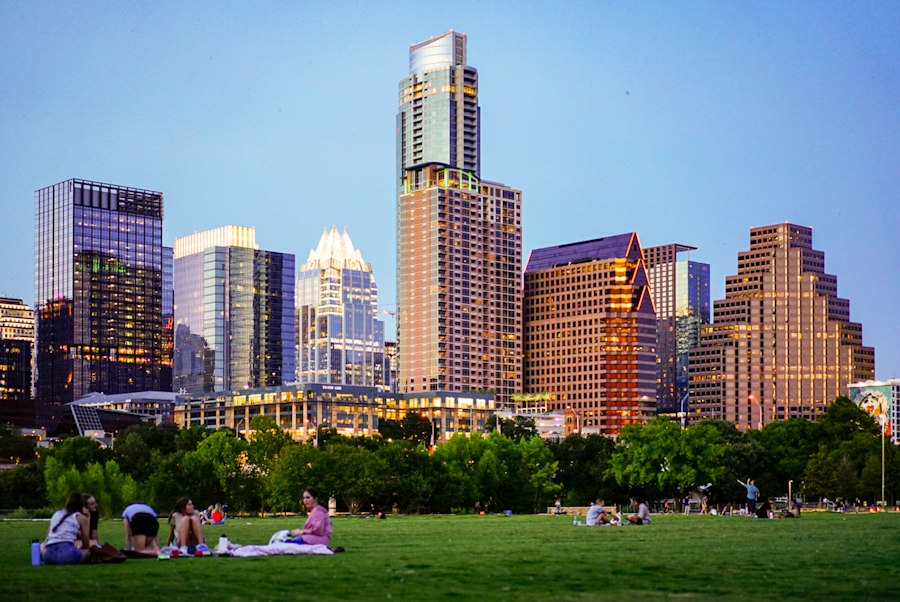
Even if there were ample land and less zoning restriction, the actual cost of building new homes has also increased significantly. This is another factor contributing to the soaring prices you’re experiencing.
Escalating Material Costs: From Lumber to Labor
The cost of raw materials needed for construction has seen a dramatic increase in recent years. This is due to a variety of global factors, including supply chain disruptions, increased demand, and inflation.
Lumber Prices Fluctuations
You’ve probably heard about the wild swings in lumber prices. While they’ve stabilized somewhat, the prolonged period of high costs for this essential building material has had a substantial impact on the final price of homes. Everything from framing to roofing relies on lumber.
Other Essential Materials
It’s not just lumber. The costs of steel, concrete, insulation, roofing materials, and even basic fixtures have all climbed. These increased input costs are directly passed on to the buyer. You can’t build a house without these components, and their rising prices are unavoidable.
Labor Shortages and Wage Increases: The Human Element
Beyond the materials, the cost of labor in the construction industry has also surged. A shortage of skilled construction workers, coupled with increased demand for their services, has led to higher wages.
Demand for Skilled Tradespeople
The booming construction environment means a high demand for electricians, plumbers, carpenters, and other skilled tradespeople. When demand outstrips supply, wages rise to attract and retain talent. This increased labor cost is a significant component of the overall construction budget.
The Impact of a Robust Economy on Labor
A strong economy, while good for job growth, also means that workers have more options and can command higher wages across various industries, including construction. This creates a competitive labor market that pushes up labor costs for builders.
The Investment Angle: Real Estate as a Lucrative Asset
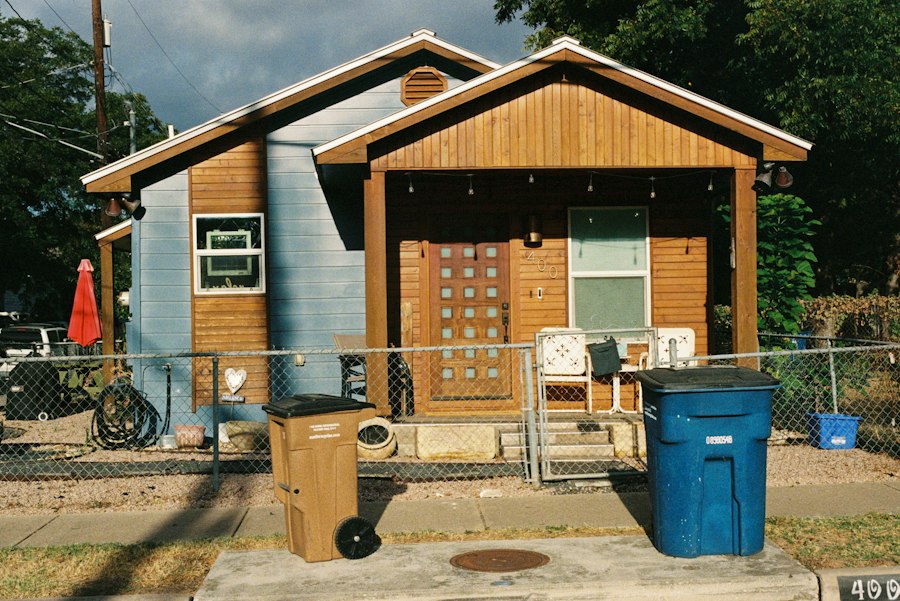
It’s no secret that real estate in desirable areas can be a very profitable investment. Austin’s rapid appreciation in home values has attracted investors, further intensifying the competition for housing.
The Allure of Appreciation and Rental Income
Austin’s consistent and rapid home price appreciation makes it an attractive market for real estate investors. They see the potential for significant returns on their investment, both through capital gains as prices rise and through rental income.
Institutional Investors and Speculators
Beyond individual investors, you’re seeing larger institutional investors and even speculative buyers entering the market. These entities have the capital to purchase multiple properties and are often less concerned with immediate personal use than with maximizing financial returns. This adds another layer of demand.
Short-Term Rental Boom: Airbnb and Beyond
The popularity of short-term rental platforms like Airbnb has also had an impact. In some popular areas, investors have converted long-term rental properties into short-term vacation rentals, reducing the supply of housing available for residents and further driving up rental prices. You might notice more listings for short-term rentals in desirable neighborhoods.
The “Fear of Missing Out” (FOMO) Effect
For individual buyers, the rapid price increases can create a sense of urgency and a “fear of missing out.” When you see prices consistently rising, you might feel compelled to buy sooner rather than later, even if it means stretching your budget. This collective urgency can further inflate demand.
Bidding Wars and Escalating Offers
The competitive market often leads to bidding wars, where multiple buyers offer above the asking price. This aggressive bidding, fueled by FOMO and the desire to secure a home in a desirable location, pushes prices even higher. You’ve heard the stories of homes selling for tens of thousands over asking price, sometimes with waived contingencies.
The Influence of a Hot Market on Buyer Psychology
A hot market can create a psychological loop. Buyers become accustomed to seeing high prices and may adjust their expectations upwards. This can make what was once considered an outrageous price seem more palatable in the context of ongoing appreciation.
The rising cost of housing in Austin can be attributed to various factors, including a booming tech industry and a surge in population. Many people are drawn to the city’s vibrant culture and job opportunities, which has led to increased demand for housing. For a deeper understanding of the economic dynamics at play, you can read a related article that discusses how wealth accumulation impacts real estate markets. This insightful piece can be found here.
The Future of Austin Housing: What Lies Ahead?
| Factor | Description | Impact on Housing Prices | Example Metric |
|---|---|---|---|
| Population Growth | Rapid influx of new residents moving to Austin for jobs and lifestyle | Increased demand for housing drives prices up | Growth rate approx. 3% annually |
| Limited Housing Supply | Slow pace of new home construction relative to demand | Scarcity of homes increases competition and prices | New permits lagging behind population growth by 20% |
| Zoning and Land Use Regulations | Restrictive zoning laws limit density and development | Reduces available land for affordable housing | Only 30% of land zoned for multi-family units |
| Construction Costs | Rising prices for materials and labor | Increases overall cost to build new homes | Material costs up 15% year-over-year |
| Investor Activity | High levels of investment and speculation in housing market | Drives prices higher, reducing affordability | Investor purchases account for 25% of home sales |
| Desirable Location | Austin’s strong job market, culture, and climate attract buyers | Increases demand and willingness to pay premium prices | Median home price growth of 10% annually |
It’s impossible to predict the future with certainty, but understanding the current dynamics provides some insight into what you might expect for housing in Austin.
The Ongoing Debate: Affordability vs. Growth
Austin is at a crossroads. There’s an ongoing debate about how to balance the city’s incredible growth with the need to maintain affordability for its existing residents and attract a diverse range of individuals.
Policy Solutions and Their Potential Impact
Various policy solutions are being discussed and, in some cases, implemented. These include reforms to zoning laws to allow for more diverse housing types, incentives for affordable housing development, and potentially even measures to curb speculative investment. The effectiveness of these policies will be crucial.
The Role of the City and State Government
Both the city of Austin and the state of Texas have roles to play in addressing the housing crisis. Local governments can enact zoning changes and development policies, while state governments can provide funding and set broader regulatory frameworks. You’ll be watching to see what actions are taken.
The Possibility of Continued Price Increases
Given the persistent demand and the complex factors influencing supply, it’s plausible that housing prices in Austin will continue to rise, at least in the short to medium term. The underlying drivers of growth are strong, and the challenges to increasing supply are significant.
The Pace of Appreciation Might Slow
While prices may continue to climb, the pace of appreciation might eventually slow down as the market matures and more housing becomes available. However, “slowing down” is relative, and even a slower pace could still mean significant price increases compared to other markets.
The Importance of Long-Term Planning and Innovation
Addressing Austin’s housing crisis requires a long-term perspective and a willingness to embrace innovative solutions. This includes exploring new construction methods, investing in public transportation to enable development in more accessible areas, and fostering a collaborative approach between developers, policymakers, and residents. You can’t just keep doing things the same way and expect different results.
The soaring cost of housing in Austin is a complex issue with deep roots and multifaceted causes. You’ve seen how a relentless influx of people, a constrained supply of homes, rising construction costs, and a robust investment market all contribute to the current situation. It’s a challenging reality for many, but understanding these factors is the first step towards navigating this dynamic market and advocating for solutions that can help make Austin a more accessible and affordable place for everyone.
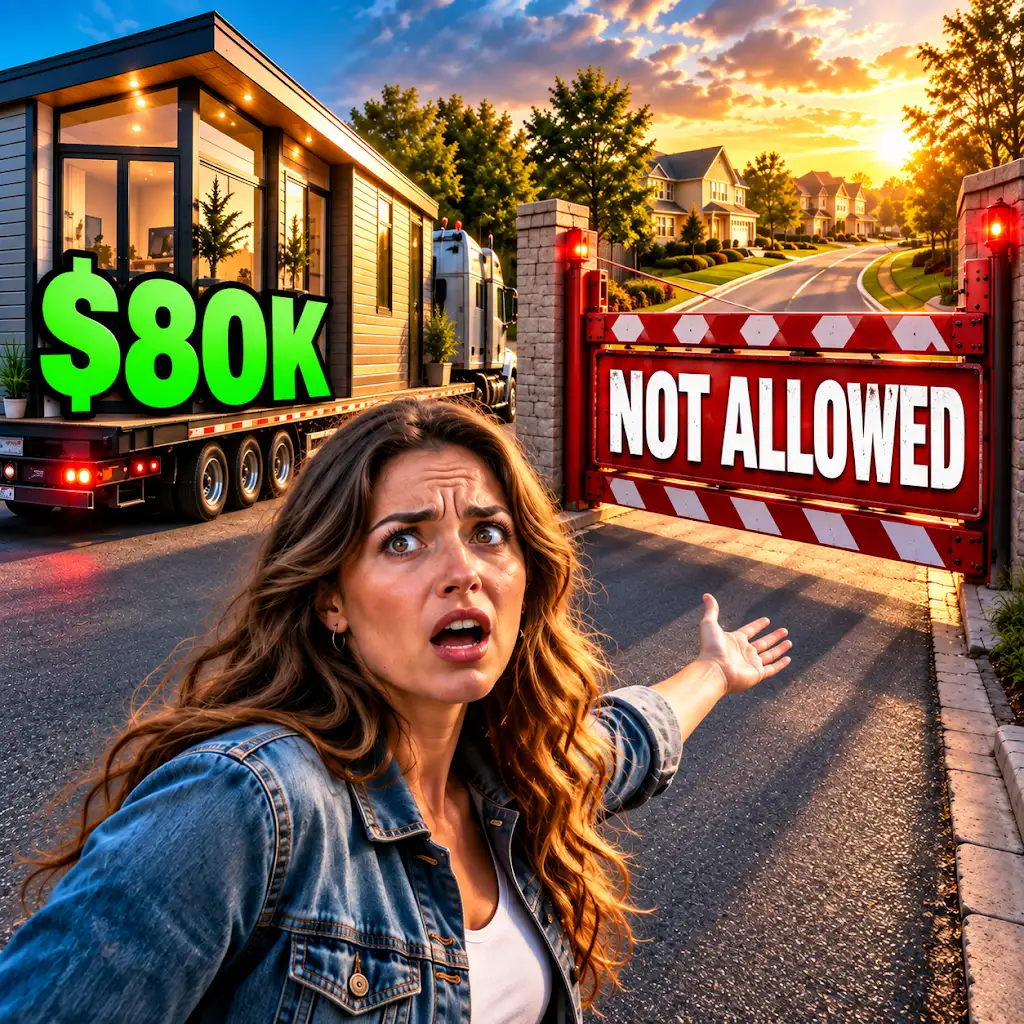
The $80,000 House You’re Not Allowed to Put Anywhere
FAQs
1. What factors contribute to the high cost of housing in Austin?
Factors contributing to the high cost of housing in Austin include high demand due to population growth, limited housing supply, rising construction costs, and increasing property taxes.
2. How does population growth impact housing prices in Austin?
Austin’s rapid population growth has led to increased demand for housing, resulting in higher prices. The city’s popularity as a tech hub and desirable place to live has attracted many new residents, putting pressure on the housing market.
3. What role does limited housing supply play in the high cost of housing in Austin?
The limited supply of housing in Austin has not kept up with the demand, leading to a shortage of available homes. This imbalance between supply and demand has driven up prices, making it more expensive for residents to purchase or rent homes in the city.
4. How do rising construction costs impact housing affordability in Austin?
Rising construction costs, including labor, materials, and land prices, contribute to the overall cost of building new homes in Austin. These increased costs are often passed on to buyers and renters, making housing less affordable for many residents.
5. What role do property taxes play in the high cost of housing in Austin?
Property taxes in Austin have been increasing, which can add to the overall cost of homeownership. Higher property taxes can make it more expensive for homeowners to afford their mortgage payments, contributing to the overall high cost of housing in the city.