You’ve made the exciting decision to build a manufactured home! Congratulations. This is a fantastic way to achieve homeownership with potentially more affordability and speed than traditional stick-built houses. But before you can even think about floor plans and paint colors, there’s a crucial step that will profoundly impact your life as a homeowner: choosing your location. This isn’t just about finding a plot of land; it’s about understanding the possibilities, the limitations, and the lifestyle you want to cultivate. Your manufactured home can be placed in a variety of settings, each offering a unique set of advantages and considerations. This guide will walk you through the diverse location options available to you, helping you make an informed decision that perfectly complements your new home.
One of the most sought-after and liberating options for placing your manufactured home is on land you own outright. This offers you the ultimate control over your property and the freedom to design your surroundings exactly as you envision. It’s a dream for many, blending the affordability of a manufactured home with the prestige and autonomy of private land ownership.
Rural Retreat: Embracing Serenity and Space
Imagine waking up to the sound of birdsong, with nothing but rolling hills or expansive fields stretching before you. This is the allure of placing your manufactured home in a rural setting. You gain a sense of peace and quiet that is often hard to find in more populated areas.
Privacy and Seclusion
Rural locations inherently offer greater privacy. Your closest neighbors might be miles away, allowing you to enjoy your property without the constant proximity of others. This is ideal if you value quietude, personal space, and the ability to live life on your own terms. You can have bonfires without disturbing anyone, let your pets roam freely (within property boundaries, of course), and enjoy the night sky unpolluted by city lights.
Ample Space for Your Lifestyle
Owning land in a rural area often means you have plenty of acreage to work with. This opens up a world of possibilities for your lifestyle. Do you dream of a large garden? You can have it. Want to build a workshop, a detached garage, or even a small barn for animals? With enough land, these are achievable. You can create dedicated outdoor living spaces, play areas for children or pets, or simply enjoy the luxury of open space.
Potential for Hobby Farming or Gardening
If you have a green thumb or a desire to grow your own food, a rural setting is perfect. You’ll have the space for extensive vegetable gardens, fruit trees, and perhaps even a small flock of chickens or a few goats, depending on local zoning regulations. This self-sufficiency can be incredibly rewarding.
Lower Property Taxes (Often)
While not always the case, rural land often comes with lower property taxes compared to urban or suburban areas. This can be a significant financial advantage over the long term, freeing up more of your budget for other aspects of your life or home improvement projects.
Considerations for Rural Living
- Utilities: This is a significant factor. Rural areas may lack access to municipal water and sewer systems. You will likely need to arrange for well water and a septic system, which involve upfront costs and ongoing maintenance. Electricity and internet access can also be more challenging to secure, requiring longer runs from utility poles and potentially satellite or fixed wireless internet options.
- Accessibility: While peace is a draw, consider how accessible your property is. Are roads well-maintained, especially in winter? How far are you from essential services like grocery stores, medical facilities, and schools?
- Zoning and Covenants: Even on private land, local zoning ordinances will dictate what you can and cannot do. You’ll need to research building codes, restrictions on livestock, and any potential homeowner association (HOA) covenants if you’re in a planned community, even a rural one.
- Home Services: Emergency services like ambulance, fire, and police response times can be longer in remote areas.
Suburban Charm: Balancing Convenience and Community
For many, the ideal location strikes a balance between the tranquility of the countryside and the conveniences of urban living. Suburban settings offer a familiar landscape with access to amenities while still providing a sense of community and often more affordable land prices than city centers.
Proximity to Amenities
Suburban areas are typically characterized by their proximity to essential services. You’ll find a wider selection of grocery stores, shopping centers, restaurants, and entertainment options within a reasonable driving distance. This convenience can significantly simplify your daily life.
Access to Schools and Healthcare
Families often choose suburban locations for their access to reputable school districts. You’ll also find a greater concentration of doctors’ offices, clinics, and hospitals, providing peace of mind for your healthcare needs.
Established Neighborhoods and Infrastructure
Suburban communities are often well-established with developed infrastructure. Roads are generally well-maintained, and utility services are readily available and reliable. You can expect consistent access to water, sewer, electricity, and internet.
A Sense of Community
Suburbs often foster a strong sense of community. You might find active neighborhood associations, local parks with community events, and opportunities to connect with neighbors. This can be particularly appealing for families seeking a supportive environment.
Considerations for Suburban Living
- Lot Size: Suburban lots tend to be smaller than rural ones. You might have a yard, but it will likely be more modest. This means less space for large gardens or extensive outdoor structures.
- HOA Restrictions: Many suburban communities have Homeowner Associations (HOAs) that come with a set of rules and regulations. These can dictate everything from the type of fencing you can have to the exterior color of your home, and even where you can park your vehicles. You’ll need to thoroughly review the HOA’s covenants to ensure they align with your vision for your manufactured home.
- Property Taxes: Suburban property taxes can be higher than in rural areas due to the increased demand for services and amenities.
- Noise Levels: While not as intense as a city, suburban areas can still experience traffic noise, lawnmower sounds, and other typical neighborhood sounds.
Urban Infill: A Modern Approach to City Living
While less common for manufactured homes due to lot size and zoning complexities, urban infill opportunities are emerging. This involves placing a manufactured home on a vacant lot within an existing city, often in an underserved neighborhood or an area undergoing redevelopment.
Embracing the City Lifestyle
If you crave the energy, culture, and convenience of city living, urban infill could be an option. You’ll be steps away from diverse dining, entertainment, and cultural institutions. Public transportation is often readily available, reducing your reliance on a personal vehicle.
Potential for Affordability within the City
While city living is generally expensive, an urban infill manufactured home can offer a more affordable entry point compared to traditional city homes. You might find opportunities in areas that are more affordable than established, prime urban neighborhoods.
Considerations for Urban Infill
- Zoning Challenges: This is the biggest hurdle. Many cities have strict zoning laws that may not be conducive to manufactured homes, especially regarding lot size, setback requirements, and foundation types. You will need to do extensive research into local zoning ordinances and potentially work with city officials to gain approval.
- Limited Lot Sizes: Urban lots are typically very small. This will significantly limit your outdoor space and may require creative design solutions for placement.
- Utilities: While utilities are usually readily available, connecting them to your manufactured home will require adherence to city building codes.
- Parking and Access: Finding adequate parking for your vehicles and ensuring easy access for delivery and installation of your manufactured home can be a challenge in dense urban environments.
- Noise and Congestion: Be prepared for higher noise levels and greater traffic congestion compared to rural or suburban settings.
If you’re considering the possibilities of placing a manufactured home, it’s essential to understand the regulations and zoning laws that may affect your options. For a deeper dive into this topic, you can check out a related article that discusses various factors influencing where you can build a manufactured home. This article provides valuable insights and guidance to help you navigate the complexities of home placement. For more information, visit this link.
Manufactured Home Communities: A Turnkey Solution with Built-in Amenities
Manufactured home communities, often referred to as mobile home parks, offer a different approach to land ownership. In these communities, you purchase or rent a lot within a dedicated development designed for manufactured homes. You own your home, but you typically lease the land it sits on. This model provides a streamlined and often more affordable path to homeownership.
The Benefits of Community Living
These communities are designed to be self-contained living environments, offering a host of benefits that appeal to a wide range of homeowners.
Convenience and Simplicity
One of the most significant advantages of a manufactured home community is the simplicity of the process. The community management often handles the site preparation, utility connections, and landscaping of common areas. This can greatly reduce the stress and complexity of setting up your home.
Affordable Land Lease Options
Instead of purchasing land, you pay a monthly land lease fee. This can significantly lower your upfront cost of homeownership compared to buying a plot of land. These fees often cover the maintenance of the community’s infrastructure, amenities, and common spaces.
Access to Shared Amenities
Many manufactured home communities boast impressive amenities that you might not be able to afford on your own. These can include swimming pools, clubhouses, fitness centers, playgrounds, dog parks, recreational areas, and even organized social activities. This provides opportunities for recreation and social engagement right outside your door.
Built-in Community and Social Network
These communities are specifically designed to foster a sense of belonging. You’ll be surrounded by people who have made a similar lifestyle choice, making it easier to build friendships and social connections. Many communities organize events and activities, further strengthening the social fabric.
Professional Management and Maintenance
The community management is typically responsible for maintaining roads, common areas, and ensuring the overall upkeep of the development. This means you don’t have to worry about mowing common areas or shoveling snow on community walkways.
Considerations for Manufactured Home Communities
- Land Lease Fees: While often more affordable than buying land, these monthly fees are a recurring expense that can increase over time. You need to understand the terms of the lease agreement and any potential for rent increases.
- Community Rules and Regulations: Like HOAs, manufactured home communities have rules and regulations that all residents must follow. These can cover everything from pet policies and exterior home maintenance to parking and noise levels.
- Limited Customization: While you own your home, the land it sits on is leased, which can limit your ability to make significant external modifications to your property or landscaping.
- Resale Value: The resale value of your manufactured home can be influenced by the desirability of the community and the terms of the land lease.
- Privacy: Depending on the layout of the community, you may have less privacy than you would on your own land, with homes situated closer together.
Different Types of Manufactured Home Communities
Manufactured home communities are not one-size-fits-all. They cater to various demographics and lifestyle preferences.
Age-Restricted Communities (55+)
These communities are designed for residents aged 55 and older, offering a tranquil and adult-oriented environment. They often focus on amenities and activities that appeal to retirees, such as quiet pools, bocce ball courts, and organized social gatherings.
Family-Friendly Communities
These communities are geared towards families with children, featuring playgrounds, community pools with family hours, and perhaps even planned summer activities. They offer a safe and engaging environment for children to grow and play.
Pet-Friendly Communities
For those with furry companions, pet-friendly communities are a boon. They often include designated dog parks, walking trails, and lenient pet policies, making it easier to live with your pets.
Upscale or Luxury Communities
Some communities offer a more luxurious experience with premium amenities like golf courses, fitness centers with advanced equipment, and beautifully maintained common areas. These communities often come with higher land lease fees.
Customizing Your Land: The Path to a Truly Unique Placement

Whether you’re buying raw land or have a vision for a specific spot, there are numerous ways to customize your land to perfectly suit your manufactured home and lifestyle. This requires a proactive approach and a willingness to invest in site preparation.
Site Preparation: The Foundation of Your Dream
Before your manufactured home can be delivered and installed, the land needs to be prepared. This is a crucial step that ensures your home is level, stable, and properly connected to utilities.
Clearing and Grading
The first step often involves clearing the land of trees, brush, and debris. Grading ensures the site is level and has proper drainage, preventing water from pooling around your home.
Utility Installation
This is where you’ll arrange for connections to water, sewer (or septic system), electricity, and potentially natural gas or propane. The complexity and cost of this step will depend on the remoteness of your location and the availability of municipal services.
Foundation and Anchoring
Manufactured homes require specific foundation systems, which can include concrete piers, a concrete slab, or a crawl space. Your chosen foundation will be engineered to meet local building codes and ensure the stability and wind resistance of your home. Proper anchoring is also critical for safety.
Driveway and Access
You’ll need a durable driveway that can accommodate the delivery of your manufactured home and provide easy access for you and your guests. Consider the material (gravel, asphalt, concrete) and its longevity.
Landscaping and Outdoor Living
Once your home is in place, you can turn your attention to the surrounding landscape, transforming your plot into an extension of your living space.
Creating Outdoor Rooms
Think about how you want to use your outdoor space. You can create distinct “rooms” for dining al fresco, lounging, gardening, or playing. Patios, decks, and pergolas can define these areas.
Gardens and Green Spaces
Whether you dream of a sprawling vegetable garden, a vibrant flower garden, or simply a well-manicured lawn, landscaping adds beauty and functionality to your property. Consider native plants that require less maintenance and water.
Fencing and Privacy
Fencing can provide security, privacy, and define property boundaries. It can also be a way to create a safe space for pets or children.
Outdoor Structures
From sheds for storage to detached garages or even studios, outdoor structures can significantly enhance the utility and enjoyment of your property.
Working with Professionals: Navigating the Complexities
Building and placing a manufactured home involves a team of professionals. Understanding who they are and how they contribute to the process will empower you to make informed decisions.
Manufacturers and Retailers
These are the companies that build and sell manufactured homes. They will guide you through the selection of your home, its features, and the delivery process.
Choosing the Right Home Model
Work closely with your chosen manufacturer or retailer to select a home that fits your needs, budget, and the site you’ve chosen. Consider layout, size, energy efficiency, and available options.
Understanding the Delivery and Installation Process
The retailer will coordinate the transportation of your home from the factory to your site and oversee its placement and initial setup. This involves specialized trucks and equipment, as well as skilled technicians.
Site Developers and Contractors
If you’re placing your home on private land, you’ll likely need to engage site developers and contractors to prepare your property.
Site Assessment and Planning
A good contractor will assess your land, identify potential challenges, and help you plan the necessary site preparation steps, including utility connections and foundation work.
Building Permits and Inspections
Your contractor will be instrumental in obtaining the necessary building permits from your local municipality and ensuring that all work meets code requirements through various inspections.
Foundation Specialists
Some contractors specialize in building the foundations required for manufactured homes, ensuring a stable and compliant base for your dwelling.
Real Estate Agents and Land Specialists
If you’re looking to purchase land, a real estate agent can be invaluable.
Locating Suitable Land
A specialized agent can help you find parcels of land that are suitable for manufactured homes, considering zoning, topography, and utility availability.
Negotiating Land Purchase
They will guide you through the process of making an offer, negotiating terms, and closing on the land.
Architects and Designers (Optional)
While manufactured homes come with pre-designed floor plans, you may choose to work with an architect or designer for custom additions or significant modifications.
Customizing Floor Plans
If you want to alter a standard floor plan or add custom features, an architect can help you visualize and engineer these changes.
Exterior Design and Integration
An architect or designer can help you integrate your manufactured home into its landscape, considering elements like porch designs, landscaping, and outdoor living spaces.
If you’re considering the possibility of building a manufactured home, it’s essential to understand the regulations that may affect where you can place it. Many people are unaware that local zoning laws and land use regulations can significantly influence your options. For a deeper dive into this topic, you might find it helpful to read a related article that discusses various factors affecting manufactured home placement. You can explore more about this subject by visiting this informative resource. Understanding these guidelines will help you make informed decisions as you embark on your journey to homeownership.
Making the Final Decision: Your Perfect Manufactured Home Location
| Location | Building Restrictions | Zoning Requirements | Permits Needed | Utility Access | Typical Time to Approval |
|---|---|---|---|---|---|
| Urban Areas | Often restricted or prohibited | Residential or mixed-use zoning required | Building permit, zoning permit | Usually available | 1-3 months |
| Suburban Areas | Generally allowed with conditions | Residential zoning with manufactured home allowance | Building permit, zoning permit | Available | 2-4 weeks |
| Rural Areas | Usually allowed | Less restrictive zoning | Building permit may be required | May require well and septic | 1-2 weeks |
| Flood Zones | Restricted or special requirements | Floodplain zoning regulations | Special permits and inspections | May require elevated utilities | Varies |
| Protected Lands (e.g., parks, reserves) | Generally prohibited | Strict conservation zoning | Usually not permitted | Limited or no access | Not applicable |
Choosing the right location for your manufactured home is as significant as choosing the home itself. It’s a decision that will shape your daily life, your budget, and your overall homeownership experience. Take your time, do your research, and don’t hesitate to seek professional advice.
Weighing the Pros and Cons
- Privacy vs. Community: Do you crave solitude or the camaraderie of neighbors?
- Convenience vs. Tranquility: How important are immediate access to amenities versus a peaceful, secluded setting?
- Cost of Land vs. Land Lease Fees: What is your budget for land ownership and ongoing expenses?
- Control vs. Simplicity: Do you want complete control over your property or the ease of a managed community?
Financial Considerations
- Land Purchase Costs: The price of land varies dramatically by location.
- Site Preparation Costs: Clearing, grading, utility installation, and foundation work can be substantial.
- Land Lease Fees: Understand the monthly cost and potential for increases.
- Property Taxes: These will vary depending on the location and whether you own the land or lease it.
- HOA Fees: If applicable, factor in these recurring costs.
Lifestyle Alignment
Ultimately, the best location for your manufactured home is the one that aligns with your desired lifestyle. Consider your hobbies, your family needs, your desire for social interaction, and your preferred pace of life.
By carefully exploring these location options and considering your personal priorities, you’ll be well on your way to finding the perfect spot to place your beautiful, new manufactured home. This is an exciting journey, and with thorough planning, you can create a living space that truly feels like yours.
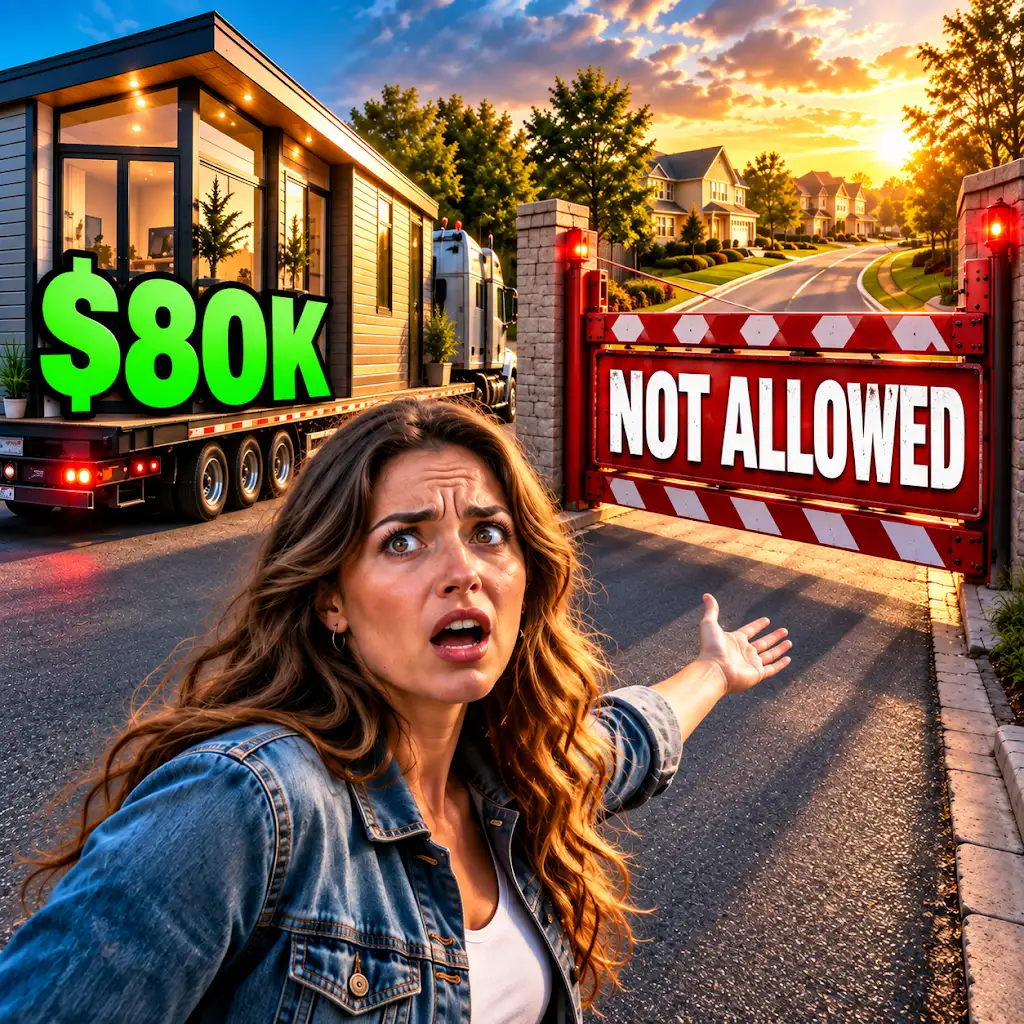
The $80,000 House You’re Not Allowed to Put Anywhere
FAQs
1. Can you place a manufactured home on any piece of land?
No, there are zoning laws and regulations that dictate where manufactured homes can be placed. It is important to check with local authorities before purchasing land for a manufactured home.
2. Are there restrictions on where you can build a manufactured home?
Yes, there may be restrictions on the location, size, and appearance of manufactured homes. Some areas may have specific zoning laws that prohibit placing manufactured homes in certain neighborhoods or areas.
3. Do manufactured homes require a foundation like traditional homes?
Yes, manufactured homes typically require a foundation to be properly installed. The type of foundation needed may vary depending on local building codes and regulations.
4. Can you move a manufactured home once it is placed on a piece of land?
Yes, manufactured homes can be moved, but it can be a complex and costly process. It is important to consider this before deciding on a permanent location for a manufactured home.
5. Are there any advantages to building a manufactured home over a traditional home?
Manufactured homes can be more affordable and quicker to build compared to traditional homes. They also offer flexibility in terms of design and customization options.