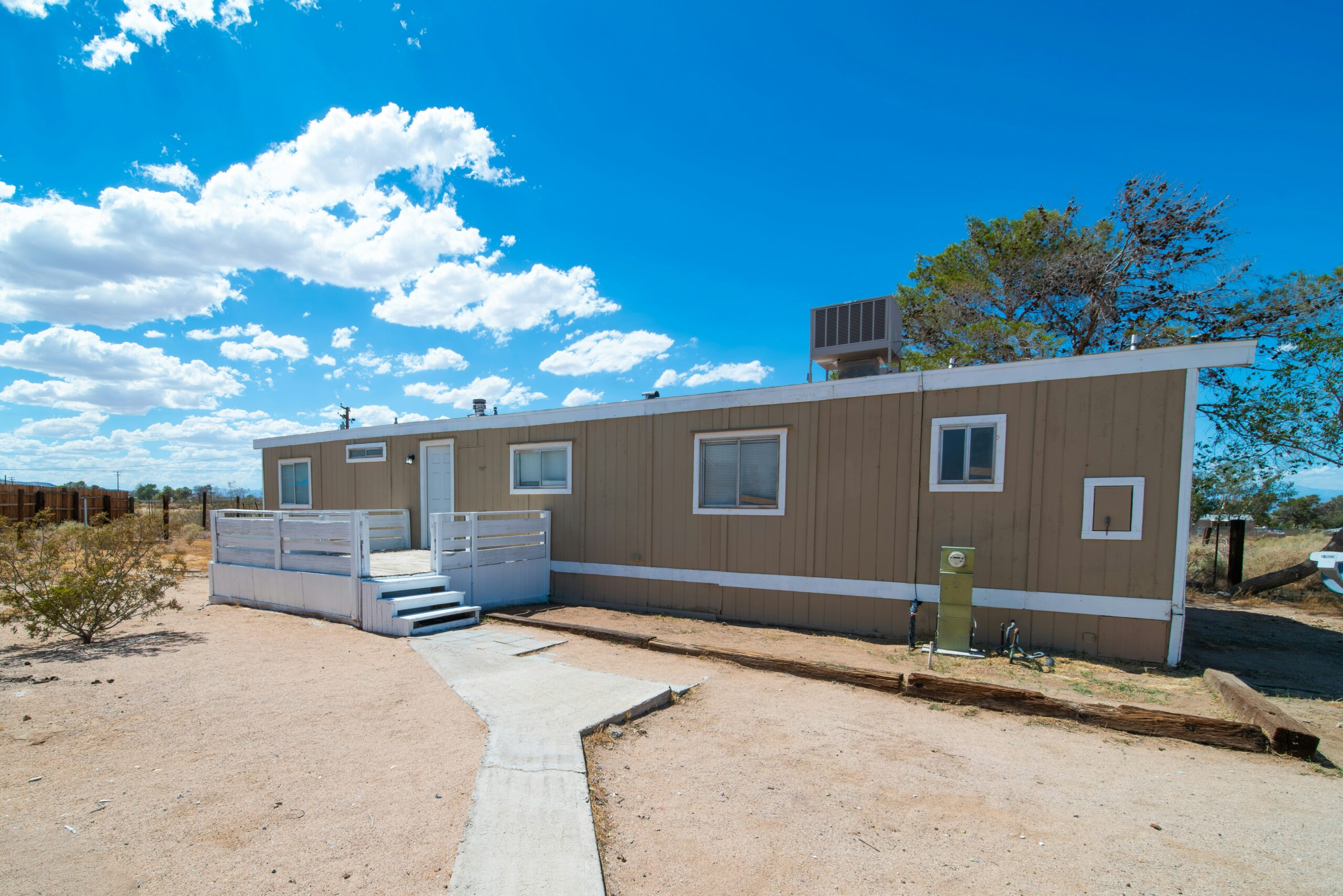
You’ve been dreaming of a new home, perhaps a more affordable option, a custom design, or even a secondary dwelling unit on your land. The idea of a manufactured home has likely crossed your mind. You’re standing on your property, picturing it: a modern, stylish residence, perfectly situated. But the burning question remains: “Can I place a manufactured home on my property?” This isn’t a simple yes or no answer. It’s a journey through regulations, zoning, and practical considerations that will determine if your dream can become a reality.
The most significant factor determining whether you can place a manufactured home on your property is local zoning ordinances. These are the rules your city or county government has in place to govern land use. Think of them as the gatekeepers to your construction plans. Not all areas are created equal when it comes to manufactured housing.
Understanding Local Zoning Ordinances
Every municipality has its own set of zoning laws. These laws dictate what types of structures are permitted in specific zones (residential, commercial, agricultural, etc.) and often include restrictions on the type of housing allowed. For manufactured homes, these restrictions can be quite specific. Some areas may outright prohibit them, while others may have very particular requirements.
Residential Zones and Manufactured Homes
Residential zones are usually where you’ll find the most stringent rules. Many communities classify manufactured homes differently than site-built homes. This distinction can be based on age, foundation requirements, or even the overall aesthetic appeal. You might find that some zoning codes specifically address “mobile homes” (an older term often associated with temporary or less permanent structures) and have different rules than for “manufactured homes” (built to federal HUD code, often with more permanent features).
Rural and Agricultural Zones
In rural or agricultural areas, you might find more flexibility. These zones often have fewer residents and therefore less concern about neighborhood aesthetics. However, even here, there can be limitations on the number of dwellings or the overall purpose of the land. You’ll need to verify if a manufactured home is permitted as a primary residence or if it’s restricted to being an accessory dwelling unit.
Manufactured Home Communities vs. Private Property
It’s crucial to differentiate between placing a manufactured home within a dedicated manufactured home community and placing one on your own private land. Manufactured home communities have their own set of rules and regulations, but they are generally designed to accommodate manufactured housing. Placing one on private property requires adherence to broader municipal zoning laws.
How to Access and Interpret Zoning Information
The first practical step you need to take is to identify the correct authority. This will typically be your local city planning department or county zoning office.
Contacting Your Local Planning Department
Don’t hesitate to pick up the phone or visit the office. The planning department is there to help you understand the regulations. Ask specifically about zoning for your property and whether manufactured homes are permitted. Be prepared to provide your property address or parcel number.
Reviewing Official Zoning Maps and Ordinances
Most municipalities have their zoning maps and ordinances available online. This can be a good starting point for research, but it’s always best to confirm with a planning department official. Zoning maps will show you the zoning classification of your property, and the ordinances will detail the specific rules associated with that classification. Look for sections related to “dwelling types,” “housing standards,” and “manufactured housing.”
Understanding “Permanent Foundation” Requirements
A common requirement for manufactured homes to be treated similarly to site-built homes, especially for financing and resale value, is the installation of a permanent foundation. This usually involves concrete footings, a crawl space, or a full basement. Zoning ordinances often specify what constitutes a “permanent foundation.” This is a critical detail you’ll need to investigate.
If you’re considering placing a manufactured home on your property, it’s essential to understand the zoning regulations and requirements that may apply to your specific location. For more detailed information on this topic, you can refer to a related article that discusses the various factors to consider when placing a manufactured home, including permits, land use, and local laws. To read more, visit this article.
Building Codes and Permitting: Ensuring Safety and Compliance
Beyond zoning, your manufactured home must meet state and local building codes. These codes are in place to ensure the safety and structural integrity of your home. Obtaining the necessary permits is a non-negotiable step in the process.
State and Local Building Codes
While manufactured homes are built to a federal standard (HUD Code), they still need to comply with local building codes for installation and any modifications. This includes requirements for electrical, plumbing, and structural components.
The HUD Code: A Foundation of Quality
The U.S. Department of Housing and Urban Development (HUD) sets the national standards for manufactured homes. These homes are built in factories under strict quality control and must meet specific safety and construction guidelines. This code ensures a baseline level of quality and safety, differentiating them from older “mobile homes.”
Local Amendments and Additions to Codes
Even with the HUD code, local jurisdictions can have their own building codes that apply to the installation of any home, including manufactured ones. These might cover things like wind zone requirements, snow load capacity, or specific plumbing and electrical connections.
The Permitting Process: Your Official Green Light
Before any construction or installation can begin, you’ll need to obtain permits from your local building department. This is how the authorities ensure your project adheres to all applicable codes and regulations.
Applying for Building Permits
The permitting process typically involves submitting detailed plans for your home, including site plans, foundation details, and utility connections. The specific requirements will vary by municipality.
Inspections During Construction and Installation
Once your permits are issued, your project will be subject to inspections at various stages. This could include inspections of the foundation, framing, electrical, plumbing, and final completion. These inspections are crucial for ensuring everything is built according to code.
Certificate of Occupancy
After all inspections are passed and the home is deemed compliant, you will receive a Certificate of Occupancy. This document officially declares that your home is safe to live in and meets all legal requirements.
Site Preparation and Foundation: Setting the Stage for Your Home

Once you’ve navigated the zoning and permitting hurdles, the next crucial step is preparing your land and constructing a suitable foundation. This is where the dream begins to take physical form.
Clearing and Grading Your Land
Before any construction can begin, your building site needs to be properly prepared. This involves clearing vegetation, debris, and ensuring the land is graded appropriately for proper drainage.
Drainage Considerations
Effective drainage is paramount for the longevity of any home, especially a manufactured one. Proper grading will direct water away from the foundation, preventing moisture issues that can lead to structural damage and mold.
Utility Access
You’ll need to ensure access to essential utilities: water, sewer or septic, electricity, and potentially natural gas. This may involve trenching, running lines, and connecting to existing municipal services or installing your own systems.
Foundation Types for Manufactured Homes
The type of foundation you choose is critical. It not only provides support for your home but also determines its permanence and can impact its value and ability to be financed.
Permanent Foundations: The Gold Standard
As mentioned, a permanent foundation is often a key requirement. Common types include:
- Concrete Slab Foundation: A poured concrete slab that the home is built upon.
- Pier and Beam Foundation: Support piers are set in the ground, and beams are placed on top to support the home.
- Basement or Crawl Space Foundation: Similar to traditional site-built homes, offering the possibility of added living space or storage.
Anchoring and Tie-Down Systems
Regardless of the foundation type, manufactured homes must be securely anchored and tied down to prevent movement, especially in areas prone to high winds. Your building department will have specific requirements for these systems.
Frost Line Considerations
In colder climates, it’s essential to ensure your foundation extends below the frost line to prevent frost heave, which can damage the foundation and the home.
Utilities and Infrastructure: Connecting Your Home to Essential Services
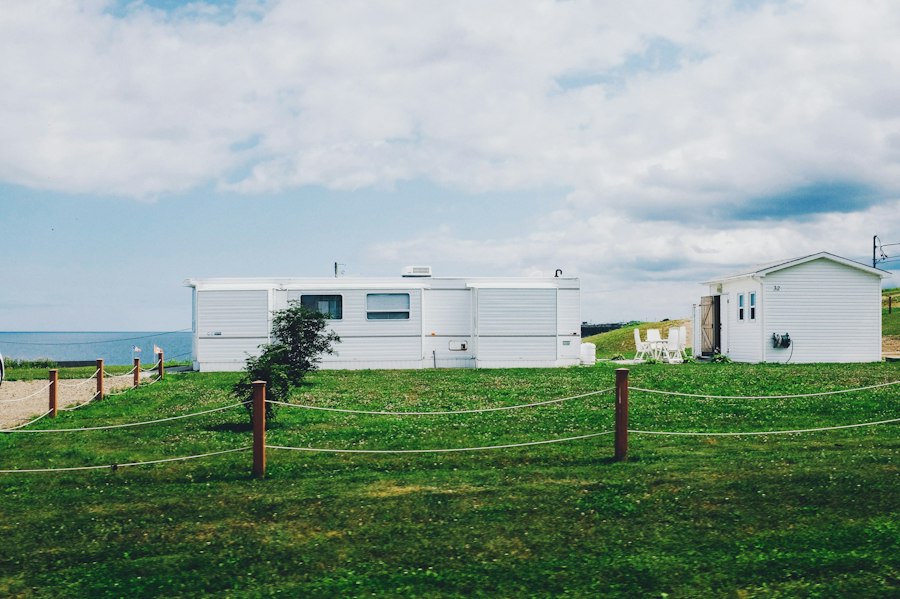
A manufactured home, like any other dwelling, needs to be connected to essential utilities. This can be a straightforward process or a more complex undertaking, depending on your property’s location and existing infrastructure.
Water and Sewer/Septic Systems
You’ll need a reliable source of potable water and a system for wastewater disposal.
Municipal Water and Sewer Connections
If your property is within a developed area, you may be able to connect to existing municipal water and sewer lines. This is often the most convenient and reliable option.
Well Water and Septic Systems
In rural areas, you’ll likely need to install your own well for water and a septic system for wastewater treatment. This involves drilling a well to reach an underground water source and installing a tank and leach field to process sewage. There are often specific regulations regarding the placement and installation of wells and septic systems.
Electrical and Gas Connections
Powering your home and providing heating are vital considerations.
Connecting to the Electrical Grid
You’ll need to connect your manufactured home to the local power grid. This involves installing underground or overhead electrical lines from the nearest service pole to your home’s electrical panel.
Propane or Natural Gas
If you plan to use natural gas for heating or cooking, you’ll need to determine if natural gas lines are available in your area. Otherwise, propane tanks will be necessary for fuel.
Telecommunications and Internet
In today’s world, reliable internet and phone service are practically necessities. You’ll need to investigate the availability of these services in your chosen location.
If you’re considering placing a manufactured home on your property, it’s essential to understand the zoning regulations and requirements that may apply to your area. For more detailed information on this topic, you can check out a related article that discusses various aspects of property ownership and home placement. This resource can provide valuable insights into the legalities and practicalities involved in such a decision. To learn more, visit this article for guidance on navigating the complexities of property development.
Considerations for Financing, Resale Value, and Long-Term Ownership
| Metric | Description | Typical Range |
|---|---|---|
| Zoning Approval | Whether local zoning laws allow manufactured homes on the property | Varies by municipality |
| Lot Size Requirement | Minimum land area required to place a manufactured home | 5,000 to 10,000 sq ft |
| Setback Requirements | Distance from property lines and other structures | 5 to 20 feet |
| Foundation Type | Approved foundation or anchoring system for the home | Concrete slab, piers, or crawl space |
| Utility Connections | Availability of water, sewer, electricity, and gas hookups | Must be accessible on-site |
| Permitting Process | Required permits for installation and occupancy | Building permit, electrical permit, and possibly others |
| Home Size Limits | Maximum size allowed for manufactured homes on the property | Varies; often up to 2,000 sq ft |
| Property Taxes | Impact on property taxes after placing a manufactured home | May increase based on home value |
| Insurance Requirements | Insurance coverage needed for the manufactured home | Homeowners or manufactured home insurance |
Beyond the technical aspects, you’ll want to consider the financial implications and long-term viability of placing a manufactured home on your property.
Financing a Manufactured Home on Private Land
Financing a manufactured home can be different from financing a site-built home. Lenders often have specific requirements for manufactured homes, especially when they are placed on owned land.
Lender Requirements
Many lenders prefer manufactured homes to be permanently affixed to the land with a permanent foundation. This can make them more attractive as collateral. You may also find that loan terms or interest rates differ from those for traditional homes.
Importance of a Permanent Foundation for Loans
The presence of a permanent foundation is often a deal-breaker for lenders. It signifies a more permanent and valuable asset, making it easier to secure a mortgage.
Resale Value and Appreciation
The resale value of a manufactured home can vary significantly. Factors like age, condition, location, and the presence of a permanent foundation all play a role.
Impact of Permanent Foundation on Value
A manufactured home on a permanent foundation in a desirable location is more likely to appreciate in value over time, similar to a site-built home. Homes that are not permanently affixed or are on leased land may depreciate.
Neighborhood Aesthetics and Covenants
If you are in a neighborhood with strict homeowner association (HOA) covenants, they may have specific rules regarding the type of housing permitted, which could impact your ability to place a manufactured home or its future resale value.
Long-Term Ownership and Maintenance
Owning any home requires ongoing maintenance. Manufactured homes are no exception, and understanding their specific needs is important for long-term satisfaction.
Regular Maintenance and Inspections
Just like a site-built home, manufactured homes require regular maintenance, including roof inspections, plumbing checks, and HVAC servicing.
Potential for Upgrades and Customization
Many manufactured homes today offer significant opportunities for upgrades and customization. You can often add features like decks, garages, landscaping, and interior finishes to enhance your home’s appeal and functionality.
In conclusion, the question “Can I place a manufactured home on my property?” is a multifaceted one. It’s a journey that requires diligent research, careful planning, and unwavering attention to local regulations. By understanding zoning laws, building codes, site preparation, utility connections, and the financial implications, you can confidently navigate the path towards potentially making your manufactured home dream a reality on your very own piece of land. Don’t be discouraged by the complexity; with the right information and approach, you can successfully answer that question for yourself.

The $80,000 House You’re Not Allowed to Put Anywhere
FAQs
Can I put a manufactured home on my property?
Yes, in most cases, you can put a manufactured home on your property. However, there may be local zoning laws and regulations that dictate where and how you can place a manufactured home on your property.
Do I need a permit to put a manufactured home on my property?
Yes, you will likely need a permit to place a manufactured home on your property. The specific requirements for permits vary depending on your location, so it is important to check with your local government or planning department.
What are the requirements for placing a manufactured home on my property?
The requirements for placing a manufactured home on your property can vary depending on your location. Some common requirements may include meeting certain size restrictions, setbacks from property lines, and foundation specifications.
Are there any restrictions on the size or type of manufactured home I can place on my property?
There may be restrictions on the size or type of manufactured home you can place on your property, depending on local zoning laws and regulations. It is important to check with your local government or planning department to ensure compliance.
Are there any utility or infrastructure considerations when placing a manufactured home on my property?
Yes, when placing a manufactured home on your property, you will need to consider utility connections such as water, sewer, and electricity. You may also need to ensure that the property has proper access roads and meets any other infrastructure requirements.