
You’re dreaming of a new manufactured home, a place to call your own without the exorbitant price tag of traditional site-built houses. That’s a fantastic goal! But before the beautiful new home arrives and is set in place, there’s a crucial step: preparing the land. This is where many first-time manufactured home buyers encounter unexpected costs and complexities. Don’t let that happen to you. This guide will walk you through everything you need to know about the cost to prepare land for a manufactured home, so you can budget effectively and avoid unwelcome surprises.
Preparing land for a manufactured home isn’t a one-size-fits-all process. The costs involved can fluctuate wildly depending on a multitude of factors. Think of it like building a house from scratch; you wouldn’t expect the foundation cost to be the same for a house perched on a steep hillside versus one sitting on a perfectly flat, cleared lot. The same principle applies here. Your land’s current state, its location, and the specific requirements for your chosen manufactured home will all play significant roles in the final bill.
Site Assessment: The Crucial First Step
Before any heavy machinery rolls onto your property, a thorough site assessment is paramount. This is where you’ll get a realistic understanding of what needs to be done and, consequently, what it will cost. This assessment is not optional; it’s the bedrock upon which your entire land preparation budget will be built.
Soil Testing and Geotechnical Surveys
One of the most critical elements of a site assessment is soil testing. You need to know the composition and stability of the ground that will support your home.
Bearing Capacity
Your manufactured home, even though it’s built off-site, has weight. The soil needs to be able to bear that weight without shifting or settling excessively. A geotechnical engineer will perform tests to determine the soil’s bearing capacity. If the soil is inadequate, you might need to undertake significant remediation, which can add substantially to the cost.
Drainage and Water Table
Understanding the water table and natural drainage patterns is vital. A high water table or poor drainage can lead to foundation issues, moisture problems within the home, and even structural damage over time. Remediation might involve grading, installing drainage systems, or even raising the home’s elevation on piers.
Topography and Grading Needs
Is your land perfectly flat, or does it have slopes? Significant grading can be one of the most expensive components of land preparation. You’ll need to ensure a level surface for your home, and potentially create driveways and access paths. The steeper the slope, the more earth will need to be moved, and the higher the cost.
Identifying Utilities: What’s Available and What’s Not
Where are your utilities located, and are they accessible? This is a massive factor in your preparation costs.
Water and Sewer Connections
Do you have access to municipal water and sewer lines? If so, how far away are they? The cost to tap into these services and run the necessary lines to your home can vary significantly based on distance and local utility company fees. If municipal services are not an option, you’ll be looking at the costs of drilling a well and installing a septic system, which are substantial investments.
Electricity
Similar to water and sewer, the distance from the nearest power pole will dictate the cost of bringing electricity to your site. Trenching and running conduit can be expensive, especially over long distances. You also need to consider the capacity of the electrical service needed for your manufactured home.
Gas
If you plan to use natural gas for heating, cooking, or your water heater, you’ll need to factor in the cost of extending gas lines if they aren’t already available. Propane tanks are an alternative but come with their own ongoing costs.
When considering the cost to prepare land for a manufactured home, it’s essential to explore various factors that can influence the overall expenses. For a comprehensive understanding of these costs, you can refer to a related article that delves into the intricacies of land preparation and its financial implications. This article provides valuable insights and tips that can help you budget effectively. To read more, visit How Wealth Grows.
Essential Site Work and Infrastructure
Once you understand your site’s characteristics, you can begin planning the essential infrastructure that will support your manufactured home. This is where you’ll see a significant portion of your land preparation budget allocated.
Foundation and Anchoring Systems
The foundation is the literal bedrock of your manufactured home. It’s not just about leveling the ground; it’s about creating a secure and stable platform.
Permanent Foundation vs. Temporary Support
Manufactured homes can be placed on various foundation types. The most common and durable option is a permanent foundation, such as a concrete slab or a crawl space with concrete footings.
Concrete Slab Foundation
A concrete slab is a popular choice for manufactured homes. It provides a solid, level base and is relatively cost-effective. However, the cost will depend on the size of your home, the thickness of the slab, and local concrete prices. You’ll also need to factor in the cost of rebar reinforcement and proper curing.
Crawl Space Foundation
A crawl space foundation involves building concrete footings and walls to create a raised foundation. This can be advantageous for utility access and ventilation, but it generally costs more than a slab due to the additional labor and materials. You’ll need to ensure proper sealing and insulation for the crawl space.
Pier and Beam Foundation
In some cases, especially on uneven terrain or for certain types of manufactured homes, a pier and beam foundation might be used. This involves setting concrete piers into the ground and attaching wooden beams to support the home. This method can be more adaptable to sloped sites but requires careful engineering.
Anchoring Requirements
Manufactured homes are typically anchored to their foundations to protect them from wind and other environmental factors. These anchoring systems are crucial for safety and can vary in complexity and cost. Your local building codes and the manufacturer’s specifications will dictate the exact anchoring requirements.
Site Clearing and Excavation
Before any foundation work can begin, your chosen site likely needs to be cleared and potentially excavated.
Clearing Vegetation
Trees, bushes, rocks, and other vegetation need to be removed from the building footprint and surrounding areas. The cost will depend on the density and type of vegetation, as well as the size of the area to be cleared.
Tree Removal
Large trees can be costly to remove, especially if they are close to existing structures or require specialized equipment. Arborist fees can add up quickly.
Brush and Debris Removal
Clearing underbrush and hauling away debris are standard parts of this process. The volume of debris will directly impact the hauling costs.
Excavation and Grading
If your land isn’t perfectly level, you’ll need excavation and grading services. This involves moving earth to create a flat, stable surface for your home and ensuring proper drainage away from the foundation.
Earthmoving Costs
The amount of earth that needs to be moved is a significant cost driver. Heavy machinery like bulldozers and excavators are required, and operators charge by the hour or by the cubic yard of earth moved.
Landscaping and Final Grading
Once the main grading is complete, you might need to do some final landscaping to ensure proper water runoff and an aesthetically pleasing finish. This could involve adding topsoil, seeding, or planting.
Utility Installation and Connections
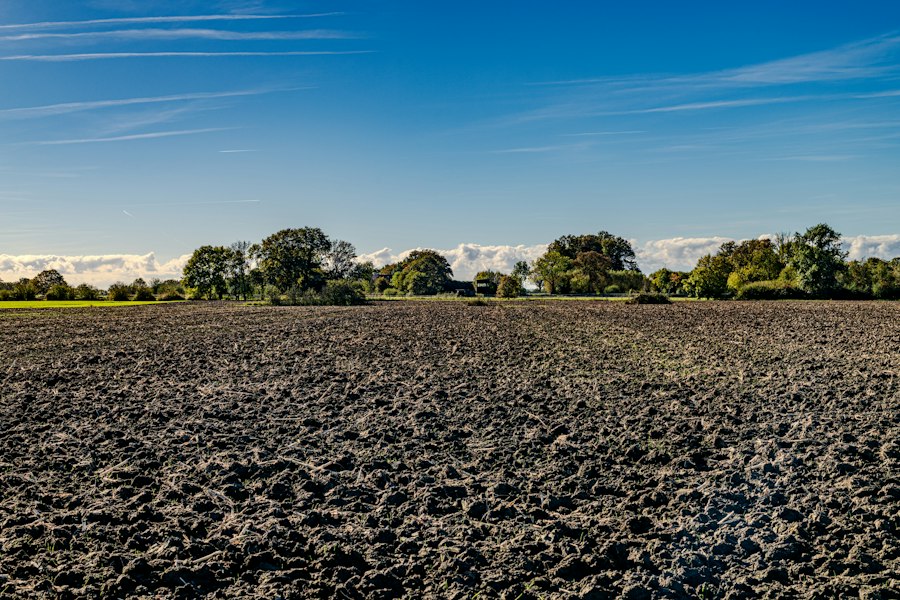
This is often where the bulk of unexpected costs can arise for manufactured home buyers. Having access to essential utilities is non-negotiable, and the cost of bringing them to your site can be substantial.
Water and Sewer Systems
Your home needs water to function and a way to dispose of wastewater.
Water Source: Municipal vs. Well
Municipal Water Connection Fees
If you’re connecting to a municipal water supply, you’ll likely incur tap-in fees from the water authority. The cost of trenching and laying water pipes from the main line to your home will also be a significant expense, determined by distance and local labor rates.
Well Drilling and Pump Installation
Drilling a well is a complex and costly undertaking. The depth of the well, the geological conditions of your land, and the cost of the pump and pressure tank all contribute to the overall expense. You’ll also need to consider water quality testing and potential treatment systems.
Wastewater Disposal: Municipal Sewer vs. Septic System
Municipal Sewer Connection Fees
Similar to water, connecting to a municipal sewer system will involve tap-in fees and the cost of running sewer lines from your home to the main sewer line. This often involves digging trenches and ensuring proper slope for gravity flow.
Septic System Installation
If a municipal sewer is not an option, you’ll need a septic system. This involves installing a septic tank and a drain field. The size of the system will depend on the number of bedrooms in your home, and the cost will be influenced by soil percolation rates, the type of drain field required, and the complexity of the installation.
Electrical and Gas Lines
Powering your home and potentially heating it requires bringing in electricity and, if desired, gas.
Electrical Service Installation
Trenching and Conduit Installation
Bringing electricity to your home typically involves trenching and burying conduit to protect the electrical wires. The cost will depend on the distance from the power source, local labor rates, and the type of conduit required.
Transformer and Meter Installation Fees
Utility companies often charge fees for installing a transformer (if needed) and a meter to measure your electricity usage. These fees can vary significantly.
Gas Line Installation
Natural Gas Extension
If you’re extending natural gas lines, the utility company will likely charge an extension fee based on distance. You’ll also need to pay for trenching and laying the gas pipes to your home.
Propane Tank Installation and Connection
If you opt for propane, you’ll need to purchase or rent a propane tank and have it installed and connected to your home. The cost of the tank and the initial fill will be an upfront expense.
Navigating Permits, Inspections, and Professional Services
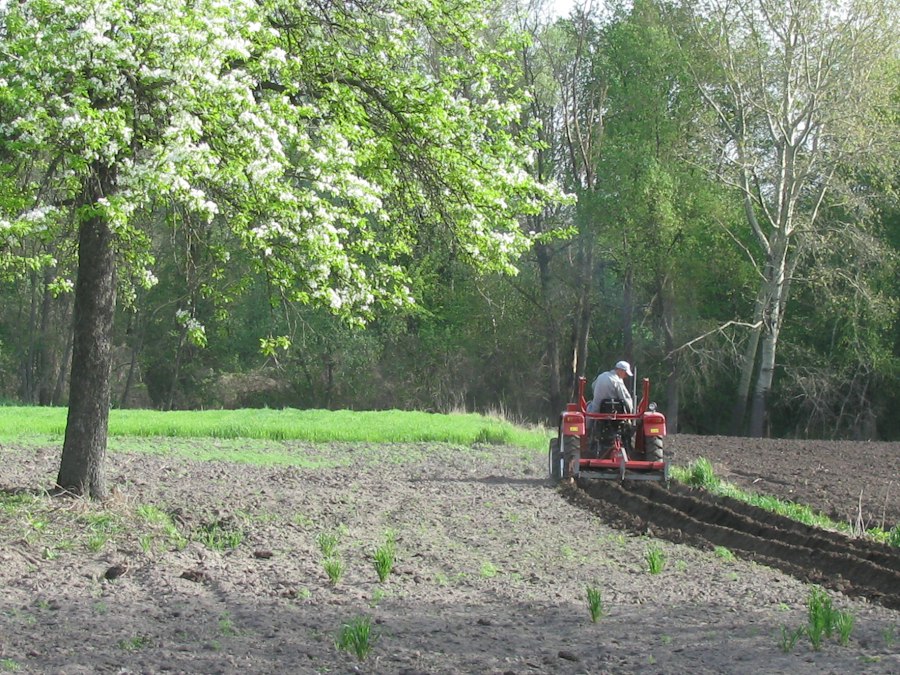
Don’t underestimate the administrative and professional costs associated with preparing land for a manufactured home. These are crucial steps that ensure your project is compliant and safe.
Obtaining Necessary Permits
Before you can even break ground, you’ll almost certainly need permits from your local municipality or county.
Building Permits
These permits are required for any significant construction, including foundation work, utility installations, and site preparation. The cost of building permits is typically based on the estimated value of the work to be done.
Septic and Well Permits
If you’re installing a septic system or drilling a well, you’ll need separate permits for these specific installations. These permits ensure that your systems meet health and environmental regulations.
Professional Services
Beyond the obvious contractors, you’ll likely need to engage other professionals to ensure your project is done correctly and legally.
Surveying and Boundary Markers
A land surveyor can establish property boundaries, mark utility easements, and ensure your home is placed within your property lines. This is especially important if you have any doubts about your property’s exact dimensions.
Engineering Services
In cases of complex topography, challenging soil conditions, or specific foundation requirements, you may need to hire a structural or geotechnical engineer to design and oversee the foundation and anchoring systems.
Inspections
Throughout the land preparation and foundation building process, you will likely have multiple inspections by local building officials. These inspections are to ensure that the work is being done according to code and the approved plans. Missing an inspection or having to redo work due to a failed inspection can lead to significant delays and additional costs.
When considering the cost to prepare land for a manufactured home, it’s essential to understand the various factors that can influence your overall budget. From site clearing to utility installation, these expenses can add up quickly. For a deeper insight into the financial aspects of setting up a manufactured home, you may find it helpful to read a related article that discusses these costs in detail. You can explore more about this topic by visiting this informative resource.
Unexpected Costs and Contingency Planning
| Cost Component | Estimated Cost Range | Description |
|---|---|---|
| Land Clearing | 500 – 3,000 | Removing trees, brush, and debris to prepare the site |
| Grading and Leveling | 1,000 – 5,000 | Ensuring the land is flat and stable for home placement |
| Soil Testing | 200 – 600 | Assessing soil stability and suitability for foundation |
| Foundation Preparation | 3,000 – 10,000 | Installing piers, slabs, or crawl spaces for the home |
| Utility Hookups | 1,500 – 7,000 | Connecting water, sewer, electricity, and gas |
| Permits and Inspections | 300 – 1,200 | Local government fees for approvals and inspections |
| Total Estimated Cost | 6,500 – 26,800 | Overall cost range to prepare land for a manufactured home |
No matter how meticulously you plan, there’s always a chance for unforeseen expenses to crop up. It’s wise to build a buffer into your budget.
Unforeseen Site Conditions
Even with thorough initial assessments, you might encounter surprises once you start digging.
Hidden Rock Formations
Discovering large rock formations during excavation can significantly increase costs, as it requires specialized equipment and more labor to remove or break them up.
Underground Utilities or Debris
You might uncover old, unmarked utility lines, buried debris, or even undocumented structures that need to be professionally dealt with, adding to your expenses.
Material and Labor Fluctuations
The cost of building materials and labor can change, especially in dynamic economic environments.
Rising Material Costs
Prices for concrete, lumber, piping, and other construction materials can fluctuate based on supply and demand, inflation, and global economic factors.
Labor Shortages and Wage Increases
In areas experiencing construction booms, labor shortages can drive up wages, increasing your overall labor costs.
Contingency Fund: Your Safety Net
It is highly recommended to set aside a contingency fund, typically 10-20% of your estimated land preparation costs. This fund is your safety net for those inevitable “what ifs” that can arise during any construction project. It will provide peace of mind and prevent your dream home from being derailed by an unexpected expense.
By understanding these various cost components and planning diligently, you can approach the preparation of your land for a manufactured home with confidence. Don’t shy away from getting multiple quotes, asking detailed questions, and doing your due diligence. This upfront effort will save you money, stress, and ensure that your new manufactured home is placed on a solid foundation, both literally and figuratively.

The $80,000 House You’re Not Allowed to Put Anywhere
FAQs
What factors influence the cost to prepare land for a manufactured home?
Factors that can influence the cost include the size of the land, the condition of the land, the location, the need for site clearing or excavation, and any necessary permits or utility connections.
What are some common steps involved in preparing land for a manufactured home?
Common steps may include site clearing, grading and leveling the land, installing a foundation or footings, connecting utilities such as water, electricity, and sewage, and obtaining any necessary permits.
How much does it typically cost to prepare land for a manufactured home?
The cost can vary widely depending on the factors mentioned earlier, but on average, it can range from $3,000 to $15,000 or more. Additional costs may be incurred for specific site conditions or requirements.
Do I need to hire professionals to prepare land for a manufactured home?
While some homeowners may choose to do some of the work themselves, it is often recommended to hire professionals for tasks such as site clearing, grading, foundation installation, and utility connections to ensure the job is done correctly and safely.
Are there any cost-saving measures I can take when preparing land for a manufactured home?
Some cost-saving measures may include doing some of the simpler tasks yourself, obtaining multiple quotes from different contractors, and carefully planning the project to avoid any unnecessary expenses.