
You’ve seen them, haven’t you? Sleek, modern designs that stand proudly next to traditional houses, or perhaps nestled in a quiet, established neighborhood. Manufactured homes, once confined to mobile home parks, are increasingly becoming a viable housing option for many. But as you explore the possibilities of owning one, a fundamental question arises: can you truly place a manufactured home anywhere? The answer, as with many things in life, is a nuanced one, leaning heavily on the word “anywhere.” While the dream of dropping your beautifully crafted modular dwelling onto any patch of land you desire is appealing, reality presents a complex web of regulations, zoning laws, and practical considerations. This article will delve into the multifaceted answer, guiding you through the intricacies of siting a manufactured home and helping you understand where you can and, more importantly, where you cannot place one.
The most significant hurdle to placing a manufactured home anywhere you please is the intricate and often site-specific nature of local regulations. Every town, county, and municipality has its own set of rules governing land use, construction, and housing types. These regulations are designed to maintain neighborhood character, ensure public safety, and protect property values. For manufactured homes, these regulations can be particularly stringent.
Zoning Ordinances: The Gatekeepers of Land Use
Zoning ordinances are the primary tools municipalities use to dictate what can be built and where. You’ll find that zoning laws are typically divided into categories based on the intended use of the land: residential, commercial, industrial, agricultural, and mixed-use. Within residential zones, there are often further subdivisions: single-family detached, multi-family, and sometimes, specifically for manufactured homes.
Single-Family Detached Zones: The Traditional Battleground
This is where many prospective manufactured home owners encounter their first major roadblock. Many single-family detached zones explicitly prohibit manufactured homes. This prohibition stems from historical perceptions of manufactured homes as temporary or less desirable housing, leading to concerns about aesthetics and property values. Even if manufactured homes are not explicitly banned, there may be strict design standards you must adhere to. These can include requirements for permanent foundations, skirting that mimics the appearance of a traditional house, roof pitch requirements, and even specific siding materials. You’ll need to consult the zoning map and ordinance for the specific parcel of land you’re interested in. This often involves a trip to your local planning or zoning department.
Multi-Family and Planned Unit Development (PUD) Zones: Emerging Opportunities
As manufactured housing has evolved in quality and design, some communities are becoming more receptive. You might find that manufactured homes are permitted in multi-family zones, particularly if they are integrated into larger developments. Planned Unit Developments (PUDs) offer more flexibility, allowing for a mix of housing types and designs, and can be a good avenue for placing manufactured homes, often with specific design guidelines. In these scenarios, the manufactured home is treated more like a custom-built house, with the emphasis on its integration into the overall community plan.
Manufactured Home-Specific Zones: A Rare but Welcome Sight
In some areas, you might find zones specifically designated for manufactured housing. These zones are often established to provide designated areas for high-quality manufactured home communities. While these offer clear pathways for placement, they typically involve placing your home within a community developed by a third party, rather than on your own private land.
Building Codes and Permits: Ensuring Safety and Standards
Beyond zoning, you’ll need to contend with building codes. Manufactured homes are built to federal standards (HUD Code), but once they are delivered to your site, they must often comply with local building codes for installation and any site-built additions. This means ensuring your foundation meets local requirements, your plumbing and electrical hookups are done to code, and any necessary permits are obtained.
Foundation Requirements: More Than Just a Level Surface
Forget the image of a manufactured home simply resting on concrete blocks. Most jurisdictions now require a permanent foundation for manufactured homes to be considered real property and to meet building codes. This typically involves pouring a concrete foundation, such as a slab, crawl space, or basement, designed to support the weight of the home and withstand local weather conditions. The specific type and depth of the foundation will be dictated by local building codes and soil conditions.
Utility Hookups: The Practicalities of Connection
Connecting your manufactured home to essential utilities – water, sewer or septic, electricity, and gas – is a critical step that requires compliance with local regulations. You’ll need to work with utility providers and local authorities to ensure these connections are made safely and according to code. This can involve significant costs and time, especially if the parcel of land is not already serviced.
Subdivision Regulations and Covenants: The Unseen Hurdles
If you’re looking to place a manufactured home on a piece of land that is part of a larger subdivision, you’ll also need to consider subdivision regulations and restrictive covenants. These are private agreements among property owners that can impose even stricter limitations than municipal zoning. You might find covenants that prohibit certain types of housing or specify architectural styles. Thoroughly reviewing the plat map and any recorded covenants for the property is essential.
If you’re considering placing a manufactured home on a specific piece of land, it’s essential to understand the zoning regulations and land requirements that may apply. For more in-depth information on this topic, you can read a related article that discusses the various factors to consider when choosing land for a manufactured home. Check it out here: How Wealth Grows. This resource provides valuable insights that can help you make informed decisions about your manufactured home placement.
The Critical Role of Land Suitability and Site Preparation
Even if you manage to find a location where manufactured homes are permitted by zoning, the physical characteristics of the land itself will play a crucial role in whether you can successfully place your home there. Not all land is created equal, and some sites are simply not suitable for manufactured home installation.
Topography and Drainage: The Foundation of Stability
The lay of the land is paramount. Steep slopes can make excavation and foundation construction prohibitively expensive and complex. Poor drainage is another major concern. You don’t want your home sitting in a low-lying area that collects water, leading to foundation issues, mold, and pest problems. Proper grading and drainage systems will likely be necessary, adding to the overall cost of site preparation.
Slope Considerations: Minimizing the Gradient
If the land has a significant slope, you’ll need to assess the feasibility and cost of creating a level building pad. In some cases, extensive earthmoving might be required, which can be costly and may have environmental implications. Steep slopes can also pose challenges for accessing the property with large trucks and for future landscaping.
Water Management: Keeping Your Home Dry
Effective water management is crucial. You’ll need to ensure that rainwater and any potential runoff are directed away from your home’s foundation. This might involve installing drainage ditches, French drains, or retaining walls, depending on the site’s natural topography. Neglecting drainage can lead to severe structural damage over time.
Soil Conditions: The Unseen Support System
The type of soil on your property will significantly impact the type of foundation you can install and its stability. Some soils are more stable than others. For example, sandy soils might require different foundation designs than clay soils. Geotechnical surveys might be necessary to understand the soil’s load-bearing capacity and to identify any potential issues like expansive clay or bedrock close to the surface.
Load-Bearing Capacity: Supporting the Weight
Your foundation needs to be able to adequately support the weight of your manufactured home. A soil report will provide crucial information about the soil’s ability to bear weight, guiding the design and engineering of your foundation to ensure it is robust and stable.
Expansive Soils and Bedrock: Potential Complications
Expansive soils can swell and shrink with changes in moisture content, putting immense stress on foundations. If your land has such soils, you’ll need specialized foundation solutions and potentially ongoing monitoring. Similarly, encountering bedrock close to the surface can complicate excavation and foundation construction, increasing costs.
Access and Utilities: The Practicalities of Delivery and Connection
Even with perfect zoning and suitable land, you need to consider the practicalities of getting your home to the site and connecting it to services.
Road Access for Delivery: The Logistical Challenge
Manufactured homes are delivered in sections on large trucks. You need to ensure that there are adequate roads and clearances to bring these trucks to the building site. This includes considering bridge weight limits, overhead power lines, narrow roads, and sharp turns. You might need to coordinate with local authorities for temporary road closures or modifications.
Utility Availability: The Lifelines of Modern Living
As mentioned earlier, access to water, sewer or septic systems, electricity, and gas is essential. If these utilities are not readily available at the property line, extending them can be a significant undertaking and expense. Extending power lines or water mains can cost tens of thousands of dollars, depending on the distance to the nearest connection point.
Different Types of Manufactured Homes and Their Siting Implications

The term “manufactured home” encompasses a range of housing types, each with its own set of rules and considerations when it comes to placement. Understanding these distinctions is crucial for a successful outcome.
“Mobile Homes” vs. “Manufactured Homes”: A Historical Distinction
It’s important to differentiate between older “mobile homes” built before the HUD Code (June 15, 1976) and modern “manufactured homes” built to that code. Older mobile homes often face much stricter regulations and are frequently prohibited in many areas where newer manufactured homes are permitted. They were designed to be moved more frequently and often lacked the permanent foundation requirements and robust construction standards of modern manufactured homes.
HUD Code Manufactured Homes: The Standard for Modern Placement
Today, when people refer to manufactured homes, they are generally talking about homes built to the HUD Code. These homes are built in a factory under federal standards and are designed for a more permanent installation. Because of this, they are more likely to be accepted in a wider range of locations, provided they meet local requirements for site installation.
Modular Homes: The Closest to Site-Built
Modular homes are also built in a factory but are constructed to the same state and local building codes as site-built homes. They are then transported to the site in sections and assembled by local contractors. Because they adhere to local building codes from the outset, modular homes are generally treated more like traditional homes and face fewer placement restrictions. You can often place a modular home in the same locations where you could build a traditional stick-built house.
Factory-Built vs. Site-Built Codes: A Key Difference
The fundamental difference lies in the code compliance. Modular homes are built to local codes, meaning they can be placed in any zone where site-built homes are permitted, provided they meet all other local requirements. Manufactured homes, built to the HUD Code, may require additional steps to demonstrate compliance with local building codes once on-site.
The “Real Property” Distinction: Financing and Permitting
Whether a manufactured home is considered “real property” or “personal property” significantly impacts financing and permitting. When a manufactured home is permanently affixed to a foundation and treated as part of the land, it is typically considered real property, allowing for traditional mortgage financing and easier integration into local permitting processes. This usually requires adherence to local installation codes and the establishment of a permanent foundation.
The Role of the Homeowner and the Developer
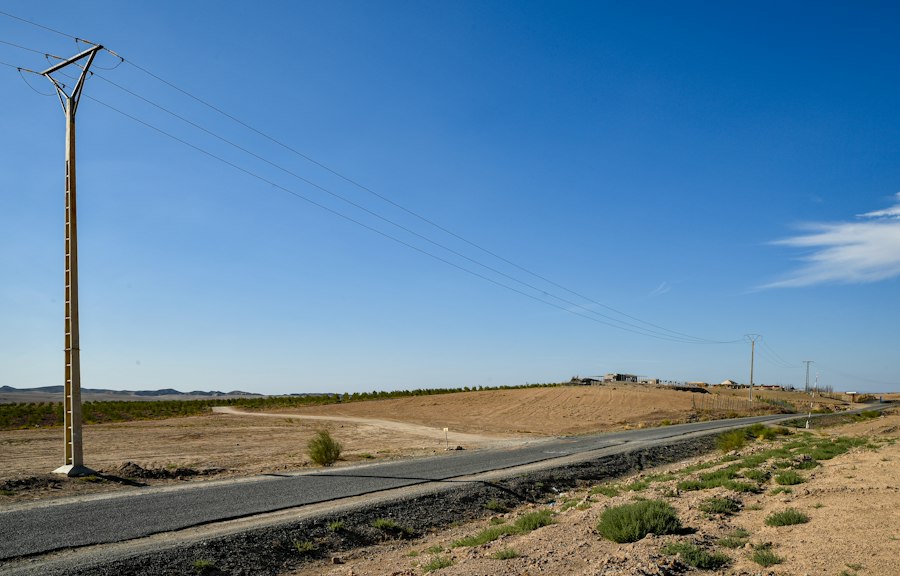
Your own approach to homeownership and the involvement of developers can significantly influence where and how you can place a manufactured home.
The Independent Landowner: Navigating the System Yourself
If you own a piece of land, you are responsible for navigating all the regulations, obtaining permits, and overseeing site preparation and installation. This offers the most control but also requires the most effort and knowledge. You’ll be the one meeting with zoning boards, engineers, and contractors.
Due Diligence is Paramount: Researching Before You Buy
Before you even purchase land with the intention of placing a manufactured home, conduct thorough due diligence. Contact the local planning and zoning department. Review zoning maps and ordinances. Speak with real estate agents who specialize in rural or less regulated areas. Understand the property’s history and any existing restrictions.
Building a Relationship with Local Officials: A Strategic Advantage
Developing a positive and communicative relationship with your local planning and zoning officials can be invaluable. By being transparent about your intentions and understanding their concerns, you can often find solutions and navigate the process more smoothly.
Manufactured Home Communities: Pre-Approved Placement
Many manufactured home owners choose to purchase their homes and place them in a manufactured home community. These communities are specifically designed to accommodate manufactured homes and often have a streamlined approval process. However, this means placing your home within a community developed by someone else, with their rules and regulations to follow.
Park Rules and Regulations: Understanding the Community Guidelines
While these communities offer a convenient solution, you’ll need to adhere to the community’s specific rules regarding home appearance, lot maintenance, and pet policies. You’ll also be paying lot rent, which is a recurring expense.
Lot Lease vs. Land Ownership: A Financial Consideration
In manufactured home communities, you typically lease the lot your home sits on, rather than owning the land. This is a significant financial difference compared to owning your own land and building.
Custom Site-Built Developments: The Luxury of Integration
In some newer developments, developers may be open to integrating high-quality manufactured homes into their overall plan. This often involves working closely with the developer and adhering to their architectural guidelines. This is becoming more common with the increasing sophistication and design appeal of modern manufactured homes.
When considering the placement of a manufactured home, it’s essential to understand the zoning laws and regulations that may apply to different parcels of land. Many people are unaware that not all land is suitable for manufactured homes, which can lead to complications during the purchasing process. For more insights on this topic, you can explore a related article that discusses various factors affecting land suitability for manufactured homes. This information can help you make an informed decision about where to place your new home. To read more, visit this article.
The Future of Manufactured Home Placement: Evolving Perceptions
| Criteria | Description | Considerations | Typical Restrictions |
|---|---|---|---|
| Zoning Laws | Local government regulations that determine land use | Check if the land is zoned for residential or manufactured homes | Some areas prohibit manufactured homes or require specific zones |
| Land Ownership | Whether the land is privately owned or leased | Must have ownership or permission to place a home | Leased land may have restrictions on home placement |
| Land Size and Topography | Physical characteristics of the land | Must be large and level enough to support the home and utilities | Steep slopes or flood zones may be unsuitable |
| Utility Access | Availability of water, electricity, sewage, and gas | Essential for habitability and code compliance | Remote land may require costly utility installation |
| Building Codes and Permits | Local and state regulations for construction and installation | Must obtain permits and meet HUD or local standards | Non-compliance can result in fines or removal orders |
| Home Type and Size | Specifications of the manufactured home | Some land may only allow certain sizes or types | Restrictions on multi-section or older homes |
| Environmental Restrictions | Protected areas, wetlands, or conservation zones | May prohibit or limit development | Strict limitations in protected or sensitive areas |
The landscape of manufactured home placement is continuously evolving. As the quality and design of these homes improve, so too do the attitudes of communities and regulators.
Changing Perceptions: From “Mobile Home” to “Manufactured Housing”
The terminology itself reflects a shift. The term “manufactured housing” implies a more permanent and quality-driven product than the older “mobile home” designation. This subtle change in language is indicative of a broader acceptance.
Overcoming Stigma: Education and Design Innovation
A significant part of the challenge is overcoming the historical stigma associated with manufactured homes. Education about the modern building processes, energy efficiency, and design flexibility of these homes is crucial. The continued innovation in design and construction is playing a vital role in changing perceptions.
The Rise of “Accessory Dwelling Units” (ADUs): A New Avenue
In some areas, manufactured homes are being considered and utilized as Accessory Dwelling Units (ADUs). ADUs are secondary housing units on a single-family residential lot, and some municipalities are relaxing regulations to allow for the placement of manufactured homes as ADUs. This can be a way to create rental income or provide housing for family members.
Zoning for ADUs: A Developing Trend
As housing affordability becomes a pressing issue, more cities are actively exploring and implementing zoning regulations that permit ADUs, including those that can be met by manufactured homes. This represents a significant opportunity for increasing the placement options for these homes.
Government Incentives and Programs: Encouraging Modern Housing Solutions
In some cases, government incentives or programs may be available to encourage the use of manufactured homes, particularly in areas facing housing shortages or for disaster recovery. These programs can help streamline the permitting process or offer financial assistance.
In conclusion, while the dream of placing a manufactured home “anywhere” is an appealing one, the reality is that it’s a complex undertaking governed by a multitude of factors. You cannot simply drop a manufactured home on any piece of land you desire without thorough research and adherence to local laws. However, with careful planning, due diligence, and an understanding of the regulations, you can absolutely find suitable locations and successfully place a manufactured home in a way that meets your needs and desires. The key is to approach the process with informed expectations and a willingness to navigate the intricate system of zoning, building codes, and site considerations. Your journey to placing a manufactured home will be one of research, collaboration, and a deep dive into the specific rules that govern the land you choose.

The $80,000 House You’re Not Allowed to Put Anywhere
FAQs
1. Can you place a manufactured home on any piece of land?
No, not all land is suitable for placing a manufactured home. Zoning laws, land use regulations, and restrictions in certain areas may prohibit placing a manufactured home on the land.
2. What factors should be considered when placing a manufactured home on land?
Important factors to consider include zoning laws, land use regulations, soil conditions, access to utilities (such as water, electricity, and sewage), and any homeowner association rules or covenants that may apply.
3. Do I need a permit to place a manufactured home on land?
Yes, in most cases, you will need to obtain a permit from the local government or relevant authority before placing a manufactured home on land. The permit process may involve inspections to ensure compliance with building codes and regulations.
4. Are there specific requirements for placing a manufactured home on land?
Yes, there are specific requirements that must be met when placing a manufactured home on land. These requirements may vary depending on the location and jurisdiction, but typically include foundation specifications, setback distances, and size restrictions.
5. Can I place a manufactured home on agricultural or rural land?
In some cases, it may be possible to place a manufactured home on agricultural or rural land, but specific regulations and restrictions may apply. It is important to check with the local zoning authority or planning department to determine if placing a manufactured home on such land is allowed.