
You’ve decided a manufactured home is the right choice for you. Smart! They offer affordability, customization, and often a quicker path to homeownership. But now comes the big question: what’s the actual cost of getting that beautiful new home set up on your land? It’s not just the price of the house itself; there’s a whole world of site preparation, installation, and connection costs to consider. This guide will walk you through everything you need to know, so you can budget effectively and avoid any unwelcome surprises.
Before your manufactured home even arrives on your property, a significant amount of work needs to be done to prepare the site. This is where a substantial portion of your installation costs will lie, and it’s absolutely crucial for the long-term stability and safety of your home. Think of it as building the bedrock for your future.
Land Clearing and Grading
The first step is ensuring your chosen spot is ready to receive your home. This involves removing any existing structures, trees, bushes, rocks, or debris. The cost here can vary wildly depending on what’s on your land.
Tree Removal Costs
If your land is heavily wooded, tree removal can be a significant expense. Professionals charge by the tree, the size of the tree, and the difficulty of access. Expect to pay anywhere from $200 to $1,500 per tree, with larger or more hazardous trees costing more. Stump grinding is often an additional cost, typically ranging from $100 to $300.
Demolition Services
If you have an old shed, barn, or even a previous mobile home to remove, demolition is necessary. This can be a complex and potentially hazardous undertaking. Costs can range from $500 for a small shed to several thousand dollars for larger structures, depending on the materials and complexity. Don’t forget to factor in debris disposal fees, which can also add up.
Excavation and Grading
Once the land is cleared, it needs to be graded to ensure a level surface for your home’s foundation. This involves moving earth to create a slight slope away from the home for proper drainage. The amount of excavation and grading needed will depend on the natural topography of your land. Minor grading might cost a few hundred dollars, while more extensive earthmoving could run into the thousands. Factors like soil type, accessibility for heavy machinery, and the required precision will influence the price.
Utility Access: Connecting to the Essentials
Your manufactured home is just a shell without power, water, and a way to handle waste. Connecting to existing utilities or installing new ones is a critical and often costly part of the process.
Water and Sewer Hookups
Public Water and Sewer: If your property is connected to municipal water and sewer systems, you’ll need to pay for the tap fees and the trenching to run the lines from the street to your home. Tap fees can vary by municipality, but expect to pay a few hundred to a couple of thousand dollars for each. Trenching costs depend on the distance and the difficulty of digging (rocky soil, existing underground obstacles). This could range from $20 to $50 per linear foot.
Well and Septic System: If you’re not connected to public utilities, you’ll need to install a private well and a septic system.
- Well Drilling: This is a significant investment. The depth of the well, the geological conditions of your area, and the type of pump required will all affect the cost. Expect to pay anywhere from $5,000 to $15,000 or more for a new well. This includes drilling, casing, and pump installation.
- Septic System Installation: A typical septic system consists of a tank and a drain field. The size of the system will be determined by the number of bedrooms in your home. Costs can range from $5,000 to $15,000 or more, depending on the complexity of the design, soil conditions (percolation tests are required), and local regulations.
Electricity Hookup
Connecting to the power grid involves trenching for underground electrical lines or installing overhead poles. You’ll need an electrician to run the service from the utility pole or transformer to your home’s electrical panel.
Trenching for Underground Power: Similar to water and sewer, the distance and difficulty of trenching will impact the cost. This can range from $20 to $50 per linear foot.
Utility Company Fees: The power company may also charge connection or service fees.
Electrician Costs: The electrician will charge for labor and materials to install the service entrance, meter base, and run the wiring to your home’s breaker box. Expect to pay $1,000 to $3,000 or more, depending on the complexity.
Gas or Propane Connection
If your home uses natural gas for heating or cooking, you’ll need to connect to the gas line. This involves trenching and a connection fee from the gas company. If natural gas isn’t available, you’ll likely opt for propane. This involves installing a propane tank on your property and having it filled, along with the necessary lines to your home.
- Propane Tank Purchase/Lease: You can purchase a tank outright (ranging from $500 to $2,000+) or lease one from a propane supplier.
- Propane Delivery: The cost of propane fluctuates with market prices. You’ll pay for each delivery.
- Installation of Lines: Plumbers or HVAC technicians will install the gas lines from the tank to your home, adding to the cost.
Foundation and Support Systems: The Unsung Heroes
Your manufactured home needs a solid foundation to rest on, ensuring its stability, proper leveling, and protection from moisture. This is not a do-it-yourself job for most.
Permanent Foundation Options
Manufactured homes can be placed on various types of permanent foundations, each with its own cost implications.
- Concrete Slab Foundation: This is a common and durable option. It involves pouring a thick concrete slab on your prepared site. Costs for a concrete slab foundation can range from $10,000 to $25,000 or more, depending on the size of your home, the thickness of the slab, and local concrete prices.
- Crawl Space Foundation: This involves building concrete block or poured concrete walls to create a space between the ground and the underside of your home. This allows for easier access to plumbing and electrical systems for repairs. Costs can range from $8,000 to $20,000.
- Basement Foundation: While less common for manufactured homes, it is an option. This is the most expensive foundation type, as it involves significant excavation and concrete work. A full basement can easily add $25,000 to $50,000 or more to your installation costs.
Anchoring and Tie-Down Systems
Regardless of the foundation type, manufactured homes must be securely anchored to the ground to protect them from wind uplift. This is a critical safety requirement mandated by HUD.
- Standard Anchoring: This typically involves metal straps, anchor bolts, and concrete anchors. The cost is usually included in the installation package from the manufacturer or dealer, but if not, it can cost a few hundred to a couple of thousand dollars.
- Frost Line Considerations: In colder climates, foundations and anchoring systems need to extend below the frost line to prevent heaving. This will increase excavation and material costs.
Drainage and Landscaping: Protecting Your Investment
Proper drainage is essential to prevent water damage to your foundation and the underside of your home. Thoughtful landscaping can also enhance your property’s appeal and functionality.
Grading for Drainage
As mentioned earlier, proper grading is crucial. Ensuring water flows away from your home is paramount. This might involve additional earthmoving, installing drainage ditches, or even French drains.
French Drains and Other Drainage Solutions
If your site has persistent water issues, you may need to invest in more robust drainage solutions like French drains. These systems of perforated pipes buried in gravel-filled trenches can cost anywhere from $1,000 to $5,000 or more, depending on the size and complexity of the installation.
Basic Landscaping
While not strictly part of the home installation, some basic landscaping around the foundation is often necessary to manage erosion and create a finished look. This could include topsoil, grass seed, or sod. Factor in a few hundred to a couple of thousand dollars for this.
When considering the cost to install a manufactured home on land, it’s essential to explore various factors that can influence the overall expenses, such as site preparation, utility connections, and permits. For a more in-depth understanding of these costs and additional insights, you can refer to a related article that discusses the financial aspects of setting up a manufactured home. Check it out here: Cost to Install Manufactured Home on Land.
Transportation and Delivery: Bringing Your Home to You
Once your manufactured home is built in the factory, it needs to be transported to your property. This is a specialized logistical operation with its own set of costs.
When considering the cost to install a manufactured home on land, it’s essential to explore various factors that can influence the overall expenses. For a comprehensive understanding of these costs, you might find it helpful to read a related article that discusses financing options and site preparation. This information can provide valuable insights into budgeting for your new home. To learn more, check out this informative piece on how wealth grows.
Distance and Difficulty of Transport
The further your land is from the manufacturing facility, the higher the transportation costs will be. Additionally, the route itself can influence the price. Roads with tight turns, steep inclines, or low bridges may require special permits, escort vehicles, or alternative routes, all of which add to the expense.
Mileage Fees
Most transporters charge a per-mile fee. This can range from $5 to $15 per mile, depending on the size and type of home being transported, as well as the trucking company’s rates.
Escort Vehicles and Permits
For larger homes, or when traveling on specific roadways, escort vehicles (pilot cars) are legally required to warn oncoming traffic and ensure safe passage. Obtaining necessary permits from various state and local authorities is also a cost. These combined can add several hundred to a few thousand dollars to the delivery bill.
Loading and Unloading
The process of getting the home off the transport trailer and onto your prepared site requires specialized equipment like cranes or heavy-duty jacks. The cost of this labor and equipment is typically factored into the delivery fee.
Double-Wide and Triple-Wide Transport
Larger manufactured homes, such as double-wides (which are two sections) and triple-wides (three sections), are transported separately and then joined together on-site. This means you’re paying for the transport of multiple sections, and the on-site assembly process adds to the overall cost. The delivery cost will be multiplied by the number of sections, and the on-site labor for joining them will be a separate charge.
Installation and Setup: The Art of Assembling Your Home
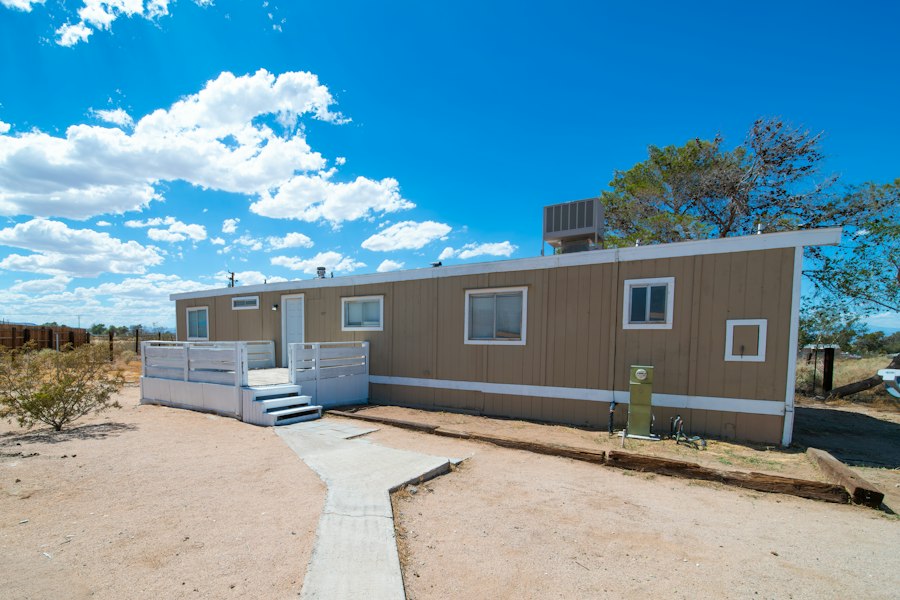
This is where your house becomes a home. Professional installers will connect the sections (if applicable), level the home, and ensure it’s properly secured.
Professional Installation Services
Most manufactured home retailers include installation in their pricing, but it’s essential to clarify what’s covered. If you’re buying directly from a manufacturer or using a third-party installer, these are the costs you’ll encounter.
Skilled Labor Costs
Experienced installation crews are skilled in handling manufactured homes. Their labor is a significant component of the installation cost. This includes the team that unloads, levels, joins sections, and secures the home.
Joining and Sealing Sections (for Multi-Section Homes)
If you’ve purchased a double-wide or triple-wide home, the sections need to be meticulously joined and sealed to create a weather-tight and structurally sound dwelling. This involves precise alignment, welding (or other fastening methods), and sealing to prevent leaks and drafts. This labor-intensive process can add $1,000 to $5,000 or more to the installation cost.
Leveling and Skirting
Ensuring your home is perfectly level is crucial for its structural integrity and the proper functioning of doors and windows. Skirting is the material used to cover the gap between the bottom of the home and the ground, providing a finished look and protection from pests and weather. The cost of skirting varies depending on the material (vinyl, metal, wood, stucco-like) and the perimeter of your home, typically ranging from $500 to $3,000.
On-Site Utility Connections
Once the home is in place, the internal utility lines need to be connected to the external hookups you’ve prepared.
Plumbing Connections
Plumbers will connect your home’s water supply lines to the incoming water source (well or municipal) and connect the drainage pipes to your septic system or sewer line.
Electrical Connections
Electricians will connect the home’s electrical panel to the service entrance, ensuring all circuits are properly wired and functional.
HVAC System Installation
If your HVAC system (furnace, air conditioner, ductwork) is installed on-site, this is an additional cost. This can range from $3,000 to $8,000 or more, depending on the size and efficiency of the system.
Final Inspections and Permitting
After installation, your local building department will likely need to inspect the home and its systems to ensure they meet local building codes and safety standards.
Building Permits
Obtaining the necessary building permits from your local municipality is a mandatory step. Permit fees vary widely by location but can range from a few hundred to several thousand dollars.
Inspection Fees
You’ll also have to pay for the inspections conducted by the building department. These can include foundation inspections, plumbing inspections, electrical inspections, and final occupancy inspections.
Ancillary Costs and Contingencies: The Unexpected Expenses
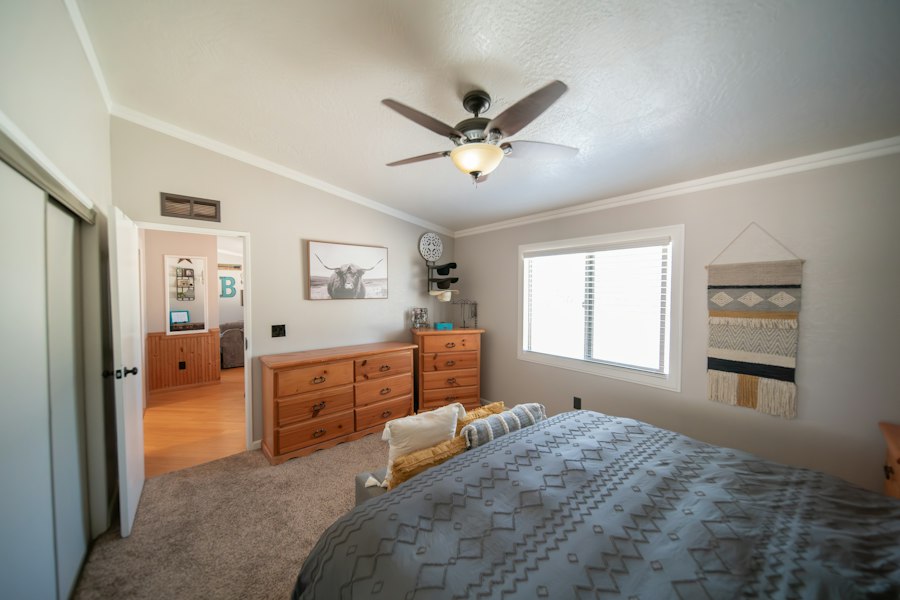
Beyond the core installation, there are often other expenses that can arise, and it’s wise to have a buffer for the unexpected.
Interior Finishing Touches
While the home itself is finished in the factory, some minor on-site finishing might be required, especially where sections are joined.
Drywall Patching and Painting
The seams where double-wide or triple-wide sections are joined may require some drywall patching, taping, and painting to create a seamless look.
Trim Work and Caulking
Ensuring all trim is properly installed and caulked around windows, doors, and seams is crucial for aesthetics and weatherproofing.
Appliance Installation and Hookup
While some appliances might be included, others may need to be purchased and installed separately.
Refrigerator, Washer, Dryer, etc.
The cost of these appliances and their installation (if not included) needs to be factored in.
Gas Line Hookup for Stoves
If you have a gas stove, the connection to your propane or natural gas line will incur an additional plumbing cost.
Landscaping and Exterior Improvements
Beyond basic drainage, you might want to invest in more substantial landscaping, a driveway, or a walkway.
Driveway Installation
The cost of a gravel, asphalt, or concrete driveway can range from $2,000 to $10,000 or more, depending on the size, material, and existing ground conditions.
Walkways and Patios
Adding pathways or a patio can enhance your outdoor living space and add to your overall costs.
Emergency Fund and Contingency Planning
It’s always a good idea to have a contingency fund of at least 10-20% of your estimated installation costs. Unforeseen issues like discovering unexpected soil conditions, encountering buried utilities, or needing additional site work can and do arise. Being prepared will save you stress and financial strain.
By thoroughly understanding each of these cost components, you can approach the installation of your manufactured home with confidence. Don’t hesitate to get multiple quotes from reputable installers and dealers, and always ask for a detailed breakdown of all services and costs before signing any contracts. Your dream home awaits, and with careful planning, you can make the installation process a smooth and rewarding one.
The $80,000 House You’re Not Allowed to Put Anywhere
FAQs
What is the average cost to install a manufactured home on land?
The average cost to install a manufactured home on land can range from $5,000 to $15,000, depending on various factors such as site preparation, foundation type, permits, and utility connections.
What factors can affect the cost of installing a manufactured home on land?
Factors that can affect the cost of installing a manufactured home on land include site preparation, foundation type (such as concrete slab or piers), permits, utility connections (water, electricity, sewer), transportation costs, and any additional customization or upgrades.
Do I need to hire professionals to install a manufactured home on land?
Yes, it is highly recommended to hire professionals to install a manufactured home on land. This includes contractors for site preparation, foundation installation, utility connections, and the actual placement of the home. Hiring professionals ensures that the installation is done correctly and safely.
Are there any additional costs associated with installing a manufactured home on land?
In addition to the installation costs, there may be additional costs such as landscaping, driveway construction, skirting installation, and any necessary permits or inspections. It’s important to budget for these additional costs when planning to install a manufactured home on land.
Can I finance the cost of installing a manufactured home on land?
Yes, there are financing options available for the cost of installing a manufactured home on land. This can include personal loans, home improvement loans, or financing through the manufacturer or a lender specializing in manufactured home loans. It’s important to research and compare different financing options to find the best fit for your situation.