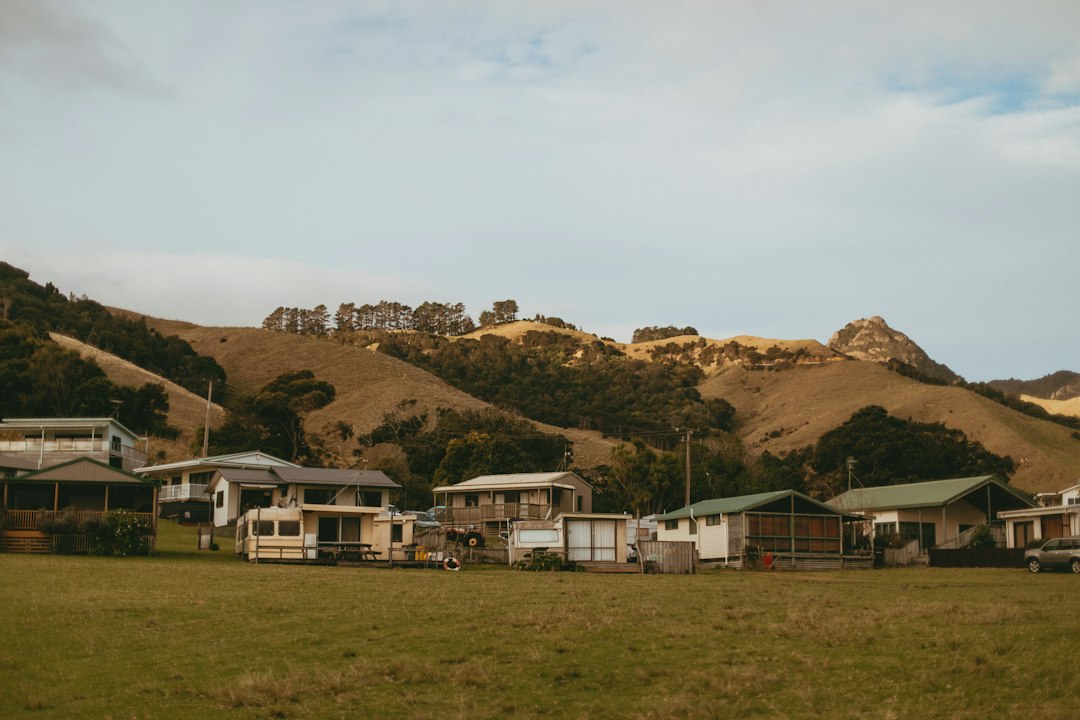
You’re looking at a manufactured home. It’s sleek, modern, and significantly cheaper than a traditional site-built house. It promises affordability, quick occupancy, and the dream of homeownership without the crushing debt. You’ve crunched the numbers, and it seems like a no-brainer. But as you delve deeper, you start to uncover a landscape of hidden costs, subtle expenses that can erode the initial savings and add a layer of complexity you might not have anticipated. It’s not that manufactured homes are inherently bad; they offer a valuable housing solution for many. However, understanding the full financial picture, beyond the sticker price, is crucial for making an informed decision and avoiding unpleasant surprises down the line.
The allure of a manufactured home often begins with its attractive base price. Compared to stick-built homes in many areas, you’ll likely find a significant difference, often tens of thousands of dollars. This initial saving is the hook, the promise of attainable homeownership. However, this advertised price is rarely the final figure you’ll pay. It’s the starting point, a foundation upon which a series of additional expenses will be built. Understanding these upfront costs, even before you sign any paperwork, is paramount to avoid a rude awakening.
Base Model vs. Customization
You might be drawn to a pre-designed floor plan that perfectly suits your needs. This is often the most cost-effective route. However, many buyers want to personalize their space, and this is where costs begin to creep in. Even minor alterations to the layout, window placements, or fixture selections can incur additional charges. The manufacturer will have a menu of options, from upgraded countertops to different flooring materials, each with its own price tag. Be discerning here; not every upgrade is worth the investment in terms of resale value.
Delivery and Installation Fees
Once you’ve selected your home, it needs to be transported to your property. This is not a simple truck ride. Manufactured homes are large, complex structures, and their delivery requires specialized equipment, permits, and trained personnel. The distance from the factory to your site will be a major factor in this cost, but even local deliveries can be surprisingly expensive. Beyond just getting the home to your land, installation involves setting it up, leveling it, connecting utilities, and securing it to its foundation. These are not DIY tasks and represent a significant portion of the upfront investment.
Land Acquisition and Preparation
This is perhaps the most overlooked hidden cost for many prospective manufactured home buyers. Unlike a traditional home where the price includes the land it sits on, a manufactured home is a structure that you will place on land. You will either need to own land outright or secure financing for both the home and the land. If you don’t own land, the cost of purchasing a suitable plot can be substantial, varying wildly by location. Furthermore, the land itself needs preparation. This involves clearing trees, grading the land to ensure proper drainage, and potentially excavating for a foundation or basement. These site preparation costs can be significant and are often underestimated.
When considering the purchase of manufactured homes, it’s essential to be aware of the hidden costs that can arise beyond the initial price tag. These costs can include expenses related to land leasing, maintenance, and utility bills, which may not be immediately apparent. For a deeper understanding of these financial implications, you can read a related article that discusses various aspects of manufactured home ownership and its associated costs. To learn more, visit this informative article.
The Foundation of Your Home: More Than Just Concrete
The foundation is the bedrock of any home, and for manufactured homes, it’s a critical component that often carries hidden expenses. While the term “foundation” might conjure images of a simple concrete slab, the reality for manufactured homes can be more involved and costly than you might initially imagine.
Types of Foundations and Their Costs
There are several types of foundations suitable for manufactured homes, and each comes with a different price tag. A simple concrete slab is often the most affordable option, but it may not be suitable for all terrains or local building codes. A pier and beam foundation, which elevates the home off the ground using concrete piers, offers better ventilation and accessibility for plumbing and electrical work but is generally more expensive. For those seeking the feel and stability of a traditional home, a basement or crawl space can be an option, but these are the most costly and complex to construct. The choice of foundation will be dictated by factors like soil conditions, climate, and local regulations, so understanding these options and their associated costs is vital.
Site-Specific Requirements
Your land’s topography will play a significant role in the cost of your foundation. If your land is sloped, it will require more extensive excavation and grading to create a level surface for the foundation. This can involve retaining walls, significant earthmoving, and specialized engineering to ensure stability. Even seemingly minor variations in the landscape can add thousands to the foundation cost. It’s essential to have a professional survey your land and assess its suitability for different foundation types before making any decisions.
Frost Lines and Local Building Codes
Building codes are designed to ensure safety and structural integrity, but they can also add to the cost of your manufactured home. In colder climates, foundations must extend below the frost line to prevent the ground from shifting and damaging the structure. This requirement can significantly increase the depth of excavation and the amount of concrete needed. Similarly, local building departments may have specific requirements for manufactured home installations, such as wind zone bracing or tie-down systems, which add to the overall expense.
Utilities and Connections: The Unseen Plumbing and Wiring

While the manufactured home itself comes with plumbing and electrical systems, connecting them to the necessary external services is a separate and often surprisingly expensive undertaking. You’re not just buying a house; you’re investing in an entire system that needs to integrate with the surrounding infrastructure.
Water and Sewer Hookups
Bringing potable water to your manufactured home and disposing of wastewater are fundamental necessities. If you are on municipal water and sewer systems, the cost of connecting your home to these lines can be substantial. This involves trenching, laying pipes, and potentially obtaining permits from local authorities. The distance from your home to the existing utility lines will directly impact the cost. If you are opting for a well and septic system, the initial investment is even higher, encompassing drilling a well, installing a pump, and digging and constructing a septic tank and leach field. These systems require ongoing maintenance and potential repairs, adding to long-term costs.
Electricity and Gas Connections
Similarly, connecting your manufactured home to the electrical grid and any necessary gas lines will incur fees. This involves running power lines from the nearest pole or transformer to your home, installing a meter, and potentially upgrading your home’s internal electrical panel if it’s not sufficient for your needs. If you plan to use propane or natural gas for heating and cooking, you’ll need to arrange for tank installation (for propane) or pipe connection (for natural gas), along with the associated labor and materials.
Internet, Phone, and Cable
In today’s connected world, reliable internet, phone service, and cable TV are essential. While the service providers themselves will have monthly fees, the initial installation can sometimes involve costs, especially if your property is in a remote location or requires specialized wiring to be run. Don’t forget to factor in these potential setup fees when budgeting for your utilities.
Financing and Insurance: The Long-Term Financial Commitments

The initial purchase price and setup costs are just the beginning of your financial journey with a manufactured home. Securing financing and obtaining adequate insurance are crucial steps that involve their own set of expenses and considerations.
Manufactured Home Loans vs. Traditional Mortgages
Financing a manufactured home can differ from securing a traditional mortgage. Many lenders offer specialized chattel loans for manufactured homes that are not permanently affixed to the land. These loans often have higher interest rates and shorter repayment terms than conventional mortgages. If you choose to permanently affix your manufactured home to your land, you may be eligible for a traditional mortgage, but this process can be more complex and may require specific documentation regarding the home’s construction and installation. The interest rates, fees, and loan terms will significantly impact your monthly payments and the total cost of ownership over time.
Insurance Premiums and Requirements
Insuring a manufactured home can also present unique challenges and costs. Lenders will typically require you to have comprehensive insurance coverage, which can be more expensive than for a site-built home due to factors like perceived risk and the materials used in construction. You’ll need to understand the different types of insurance available, such as homeowner’s insurance, flood insurance, and windstorm insurance (especially in coastal or hurricane-prone areas). Researching different insurance providers and comparing quotes is essential to find the best coverage at a reasonable price.
Property Taxes
Regardless of how you finance your home, you will likely be responsible for property taxes. The amount of these taxes will depend on the assessed value of your home and land, as well as the tax rates in your local jurisdiction. It’s important to research the property tax rates in the area you’re considering to accurately estimate this ongoing expense.
When considering the purchase of a manufactured home, it’s essential to be aware of the hidden costs that can arise, which may not be immediately apparent. These costs can include expenses related to land leasing, maintenance, and insurance, all of which can significantly impact your overall budget. For a deeper understanding of these financial implications, you can read a related article that explores the various factors influencing the affordability of manufactured homes. This resource provides valuable insights and tips for prospective buyers looking to navigate the complexities of home ownership. To learn more, visit this informative article.
Resale Value and Depreciation: The Long-Term Investment Picture
| Cost Category | Description | Estimated Range | Notes |
|---|---|---|---|
| Land Lease Fees | Monthly fees for renting land in a manufactured home community | 300 – 800 per month | Varies by location and community amenities |
| Site Preparation | Costs for grading, foundation, utility hookups, and permits | 2,000 – 10,000 one-time | Depends on land condition and local regulations |
| Property Taxes | Annual taxes on the home and/or land | 500 – 2,500 per year | Varies by state and whether land is owned or leased |
| Insurance | Homeowner’s insurance specific to manufactured homes | 600 – 1,500 per year | Higher premiums due to vulnerability to weather events |
| Maintenance and Repairs | Ongoing upkeep including roof, skirting, and HVAC | 500 – 2,000 per year | Costs increase with home age and wear |
| Utilities Setup | Connection fees for water, sewer, electricity, and gas | 1,000 – 5,000 one-time | May vary based on location and existing infrastructure |
| Transportation and Installation | Costs to deliver and set up the home on site | 1,000 – 5,000 one-time | Depends on distance and complexity of installation |
| Community Fees | Additional fees for amenities, security, or services | 50 – 300 per month | Applicable in some manufactured home parks |
When you purchase a home, you’re not just buying a place to live; you’re also making an investment. Understanding the long-term financial implications, particularly concerning resale value and potential depreciation, is crucial for manufactured homes.
Depreciation of the Home Itself
Unlike traditional homes, which often appreciate in value over time, manufactured homes are generally considered personal property, similar to a vehicle, and are subject to depreciation. This means that the value of the structure itself will decrease over time. While the land you own will likely retain or increase its value, the home’s contribution to the overall property value will diminish. This can significantly impact your ability to recoup your initial investment when you decide to sell.
Factors Affecting Resale Value
Several factors can influence the resale value of a manufactured home. The age and condition of the home are paramount. Regular maintenance, upgrades, and a well-kept exterior can help mitigate depreciation. The quality of the installation and the foundation also play a significant role; a well-installed home on a solid foundation will generally command a higher resale price than one that is poorly situated or shows signs of settling. The location of the home is also critical. Homes in desirable neighborhoods with good schools and amenities will generally hold their value better than those in less attractive areas.
The Importance of Land Ownership
Owning the land your manufactured home sits on is a key factor in its long-term financial viability. If you own the land, you can potentially remove the depreciating structure and replace it with a new manufactured home or even build a traditional home in the future, thereby preserving the value of your land investment. If you are renting a lot in a manufactured home park, you are essentially investing in a depreciating asset with no underlying land value. This can make selling much more challenging.
In conclusion, while manufactured homes offer a compelling path to homeownership for many, it’s vital to look beyond the initial sticker price. By thoroughly researching and budgeting for delivery, installation, foundation, utility connections, financing, insurance, and understanding the realities of depreciation and resale value, you can make a more informed and financially sound decision, ensuring that your dream of homeownership doesn’t become a source of unexpected financial strain.

The $80,000 House You’re Not Allowed to Put Anywhere
FAQs
What are some hidden costs associated with manufactured homes?
Some hidden costs of manufactured homes include land costs, delivery and installation fees, utility connections, foundation expenses, and ongoing maintenance costs.
Are there any additional fees to consider when purchasing a manufactured home?
Yes, additional fees to consider when purchasing a manufactured home may include permit fees, taxes, insurance, financing costs, and potential homeowner association fees.
How do land costs impact the overall price of a manufactured home?
Land costs can significantly impact the overall price of a manufactured home as the location and size of the land can vary in price, affecting the total cost of the property.
What are some common maintenance costs associated with manufactured homes?
Common maintenance costs associated with manufactured homes include repairs to the roof, siding, plumbing, electrical systems, HVAC systems, and general wear and tear on the home.
How can buyers prepare for hidden costs when purchasing a manufactured home?
Buyers can prepare for hidden costs when purchasing a manufactured home by conducting thorough research, obtaining multiple quotes, budgeting for additional expenses, and working with reputable professionals in the industry.