You’re thinking about the dream of homeownership, and a manufactured home has captured your attention. It’s a smart choice, offering affordability and speed. But before you get too far into floor plans and financing, you’ll want to delve into a crucial, often overlooked, aspect: the foundation. You might be thinking, “A foundation is a foundation, right?” Well, for manufactured homes, it’s a bit more nuanced, and understanding the costs involved is essential for a realistic budget and a secure home.
You’ve decided on a manufactured home, and now you’re standing at the threshold of another significant decision: how will you support this structure? Unlike site-built homes, which are typically poured on-site, manufactured homes can rest on a variety of foundation systems. The choice you make here isn’t just about aesthetics; it directly impacts the stability, longevity, and yes, the cost of your new home. You need to familiarize yourself with the main categories of foundations to make an informed decision.
Permanent Foundations: The Gold Standard for Value and Security
When you talk about a permanent foundation for a manufactured home, you’re talking about creating a structure that’s as robust and integrated as that of a site-built home. This is the most expensive but also the most advantageous option in the long run. It significantly increases your home’s value, makes it eligible for traditional mortgage financing, and provides the greatest security against the elements.
Concrete Slab Foundations: A Solid and Durable Choice
A poured concrete slab is a very common and reliable permanent foundation. It’s a single, monolithic pour of concrete that creates a solid base for your home.
Site Preparation and Excavation Costs
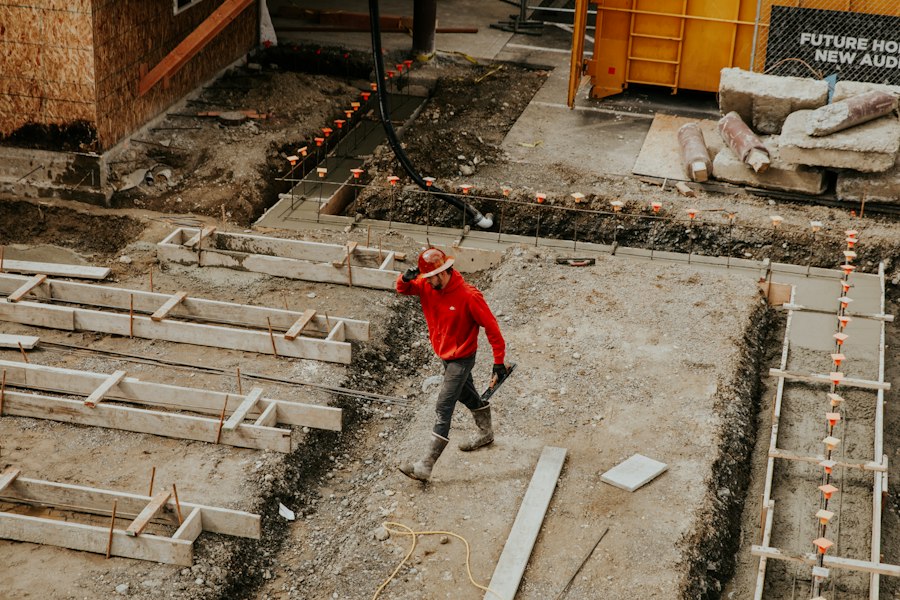
Before the concrete can even think about being poured, the ground needs to be prepared. This involves clearing the land of any trees, rocks, or debris. Excavation is then required to level the site and create trenches for any necessary plumbing and electrical conduits that will run beneath the slab. The complexity of the terrain and the amount of earth moved will directly influence this cost. You’re looking at fees for heavy machinery rental and labor to do the digging.
Forming and Reinforcement Expenses
Once the site is ready, forms are constructed around the perimeter of the foundation area. These forms will hold the wet concrete in place. Inside these forms, a network of rebar (steel reinforcing bars) is laid. This rebar provides structural integrity to the concrete, preventing cracks and adding significant strength. The amount and gauge of the rebar, along with the complexity of the formwork, will add to the overall price.
Concrete Material and Pouring Costs
This is where a significant chunk of the expense lies. The cost of concrete is calculated by the cubic yard, and the size of your foundation will determine how much you need. This includes the cost of the raw materials (cement, aggregate, water) and the labor involved in mixing and pouring the concrete. Specialized equipment like concrete pumps might be needed if the pour site is difficult to access. You’ll also have to factor in the cost of labor for smoothing and finishing the surface.
Plumbing and Electrical Rough-in
Before the concrete is poured, any plumbing pipes (for water supply and drainage) and electrical conduits that need to be embedded within the slab must be installed. This requires careful planning and precise placement to ensure they are correctly located and protected. The labor and materials for this “rough-in” work are part of the slab foundation cost.
Basement Foundations: Maximizing Usable Space
A basement foundation offers the significant advantage of creating an entirely new level of usable space beneath your manufactured home. This can be invaluable for storage, workshops, or even a finished living area.
Excavation for a Full Basement
The excavation required for a basement is considerably more extensive than for a slab. You’re digging a much deeper hole, often requiring heavy-duty excavation equipment and extensive soil removal. The cost here is driven by the volume of earth to be moved and the potential need for shoring or retaining walls to prevent cave-ins during construction.
Foundation Walls (Concrete Block or Poured Concrete)
Basement walls are typically constructed from either concrete blocks (CMUs) or poured concrete.
- Concrete Block Walls: These involve laying concrete blocks one by one, filling the cores with concrete and rebar for strength. The cost includes the blocks, mortar, concrete fill, and rebar, as well as the significant labor involved in laying thousands of blocks.
- Poured Concrete Walls: This method involves building formwork on-site and then pouring liquid concrete into these forms. This is often more expensive upfront but can result in a stronger, more monolithic wall. The cost includes lumber for forms, rebar, and the concrete itself, along with the specialized labor for setting up and pouring.
Waterproofing and Drainage Systems
A basement is susceptible to moisture intrusion. Therefore, robust waterproofing measures are essential. This typically involves applying waterproof membranes or coatings to the exterior of the foundation walls and installing a drainage system (like a French drain) around the perimeter to divert groundwater away from the foundation. These materials and the labor to install them add a significant cost.
Interior Floor Slab for the Basement
Once the basement walls are complete, a concrete slab is poured for the basement floor. Similar to a slab foundation, this involves excavation, forming, reinforcement, and pouring concrete, though on a smaller scale than the main home’s slab.
Crawl Space Foundations: A Compromise Between Slab and Basement
A crawl space foundation provides a gap between the ground and the floor of your manufactured home, offering more accessibility than a slab but less usable space than a basement.
Foundation Wall Construction (Concrete Block or Poured Concrete)
Similar to a basement, crawl space walls are typically constructed from concrete blocks or poured concrete. However, they are significantly shorter than basement walls, reducing the material and labor costs.
Piers and Support Beams
In a crawl space, your home will rest on a system of strategically placed piers (concrete or masonry supports) and substantial support beams that span between these piers. The number and size of these piers and beams will depend on the layout and weight of your manufactured home. The cost includes the materials for the piers and beams, as well as the labor to set them correctly.
Ventilation and Access
Adequate ventilation is crucial for a crawl space to prevent moisture buildup and potential issues like mold or pest infestation. This involves installing vents in the foundation walls. You’ll also need to ensure there’s an access point, often a small door or hatch, for inspections and any necessary work.
Vapor Barrier Installation
A vapor barrier (usually a thick plastic sheeting) is laid on the ground within the crawl space to prevent moisture from rising from the soil and condensing on the underside of your home. The material cost and labor for installation are factored in.
Non-Permanent Foundations: Temporary and Less Costly Options
While permanent foundations offer the most long-term benefits, there are less permanent, and consequently less expensive, options available, particularly for homes that might be moved in the future or for temporary situations. It’s crucial to understand that these options may limit your financing options and can impact your home’s resale value.
Concrete Block Piers: A Simple and Affordable Choice
This is one of the most basic and economical foundation types. It involves placing concrete blocks directly on prepared ground or on small concrete footings to support the home.
Site Preparation and Leveling
Even with this simpler foundation, the ground needs to be leveled and compacted to provide a stable base for the blocks. Minor grading and clearing are usually required.
Cost of Concrete Blocks and Labor
The primary cost here is the purchase of concrete blocks and the labor to stack them to the required height. The number of blocks and the complexity of the stacking pattern will influence the price.
Anchoring the Home
Crucially, even with simple piers, the home must be securely anchored to prevent it from shifting or being lifted by high winds. This involves using tie-down straps and anchoring systems, which are an additional cost.
Steel or Composite Skirted Foundations: A Streamlined Approach
Some manufactured homes can be installed on steel or composite frames that are then supported by concrete footings or piers. This approach often streamlines the foundation process.
Ground Preparation and Footings
Similar to other methods, the ground needs to be prepared, and concrete footings are poured to provide a stable base for the steel or composite structure.
Cost of Steel/Composite Frame and Installation
The price of the specialized frame itself, along with the labor to assemble and install it onto the footings, is a significant component.
Anchoring and Skirting Installation
Just like with piers, proper anchoring is paramount. The skirting, which is the material used to cover the gap between the bottom of the home and the ground, also needs to be considered as part of this system.
Factors Influencing Foundation Costs
Regardless of the specific foundation type you choose, several overarching factors will play a significant role in the final price tag. Being aware of these will help you anticipate potential budget variations.
Soil Conditions and Site Accessibility
The type of soil on your property can dramatically affect foundation costs.
Soil Bearing Capacity
Some soils are more stable and can bear more weight than others. If your soil has low bearing capacity, you might need deeper footings, more extensive excavation, or even soil stabilization measures, all of which increase costs. A soil report might be necessary, adding another expense.
Rocky Terrain vs. Sandy Soil
Excavating through solid rock is far more expensive and time-consuming than digging through sandy or loamy soil. The presence of significant rocks will require specialized equipment and more labor.
Sloping Lots and Drainage Challenges
If your property has a slope, you’ll likely incur additional costs for excavation, grading, and potentially for retaining walls to stabilize the soil. Poor natural drainage will also necessitate more complex drainage systems, adding to the expense.
Site Access for Heavy Equipment
If your property is difficult to access with large excavation machinery, concrete trucks, or delivery vehicles, you may face extra costs for smaller equipment, manual labor, or longer transit times. Remote or heavily wooded locations can be more challenging.
Local Building Codes and Permits
You can’t escape the influence of regulations and official approvals.
Permitting Fees
Obtaining the necessary building permits from your local municipality is a mandatory step. These fees vary widely depending on your location and the complexity of the project.
Code Compliance Requirements
Building codes dictate the minimum standards for foundation construction to ensure safety and structural integrity. These codes can influence the type of materials you must use, the depth of your footings, and the reinforcement required, all of which can impact cost. For instance, areas prone to seismic activity or extreme weather may have more stringent foundation requirements.
Labor Rates and Material Prices in Your Region
The economic landscape of your area will directly affect the cost.
Prevailing Wage Rates
The cost of skilled labor varies significantly from one region to another. In areas with a high cost of living or a high demand for construction workers, labor rates will be higher.
Material Availability and Transportation Costs
The cost of concrete, rebar, lumber, and other foundation materials can fluctuate based on local availability and the distance they need to be transported to your site. Being in a remote area might mean higher delivery charges.
Contractor Selection and Overhead
Who you choose to do the work matters.
Contractor Experience and Reputation
Highly experienced and reputable contractors often command higher prices, but their expertise can save you money in the long run by avoiding costly mistakes. A less experienced contractor might offer a lower bid, but there’s a greater risk of poor workmanship or delays.
Contractor Overhead and Profit Margins
All businesses have overhead costs (insurance, office expenses, etc.) and aim for a profit. These are factored into their bids. Comparing bids from multiple contractors can give you a sense of the going rates.
Hidden Costs and Potential Savings
Beyond the obvious expenses, there are often less apparent costs to consider, and sometimes opportunities to save money.
Unexpected Excavation Issues
You might plan for a certain amount of excavation, but then you hit an unexpected obstacle like an underground spring, large boulders, or old buried utilities. These unforeseen challenges will invariably add to your costs.
Engineering and Design Fees
For more complex foundations, or if required by local codes, you may need to hire a structural engineer to design the foundation and provide stamped plans. This professional service adds to the overall expense.
Future Maintenance and Repair
While not an upfront cost, consider the long-term implications. A poorly constructed or inappropriate foundation can lead to expensive repairs down the line, such as foundation settlement, cracking, or water damage. Investing in a solid foundation upfront can save you significant money in the future.
DIY vs. Professional Installation
While you might be tempted to save money by doing some of the foundation work yourself, it’s crucial to be realistic about your skills and the risks involved. Foundation work is critical for the safety and stability of your home. For anything beyond the most basic tasks, professional installation is highly recommended. Mistakes can be incredibly costly and dangerous.
Timing and Material Price Fluctuations
The time of year can sometimes influence foundation costs. During peak construction seasons, demand for labor and materials might be higher, potentially leading to increased prices. Conversely, building during an off-peak season might offer some savings.
When considering the costs associated with manufactured home foundations, it’s essential to understand the various factors that can influence these expenses. For a deeper insight into financial planning and budgeting for such projects, you may find the article on wealth management particularly helpful. It provides valuable information that can assist homeowners in making informed decisions about their investments. To read more, visit this article.
The Price Breakdown: What to Expect for Different Foundation Types
Now that you’ve explored the options and influencing factors, let’s talk numbers. It’s important to remember that these are estimates, and actual costs can vary significantly based on your specific location, site conditions, and the contractor you choose.
When considering the costs associated with manufactured home foundations, it is essential to explore various factors that can influence the overall expense. For a deeper understanding of these costs and how they can vary based on location and materials, you might find this related article helpful. It provides valuable insights into budgeting for your manufactured home project. You can read more about it here.
Approximate Cost Ranges for Permanent Foundations
When you opt for a permanent foundation, you are investing in the long-term stability and value of your manufactured home. This is typically the most substantial part of your upfront homeownership costs, beyond the home itself.
Concrete Slab Foundations: A Moderate Investment
For a standard-sized manufactured home, a poured concrete slab foundation typically falls into a moderate price range.
Slab Foundation Cost Estimate
You can generally expect to pay anywhere from $8,000 to $25,000 or more for a poured concrete slab foundation. This range accounts for variations in slab size, thickness, and the complexity of site preparation.
Factors Affecting Slab Costs
- Size of the Home: A larger home requires a larger slab, directly increasing material and labor costs.
- Site Prep: If your land needs significant clearing, grading, or excavation, this will add to the price.
- Concrete Thickness and Reinforcement: Thicker slabs and more extensive rebar will increase material costs.
- Local Concrete Prices: The cost of concrete per cubic yard varies by region.
Basement Foundations: The Premium Option
If you’re looking for maximum utility and a substantial increase in your home’s value, a basement is the way to go. However, this comes with a significantly higher price tag.
Basement Foundation Cost Estimate
A full basement foundation for a manufactured home can range from $20,000 to $60,000 or even higher. This wide range is due to the extensive excavation, construction of robust walls, waterproofing, and the option for a finished basement floor.
Factors Affecting Basement Costs
- Depth of Excavation: The deeper the basement, the more earth needs to be moved, and the higher the walls need to be constructed.
- Wall Construction Method: Poured concrete walls are generally more expensive than concrete block walls.
- Waterproofing and Drainage: The extent and quality of waterproofing and drainage systems significantly impact the cost.
- Size and Design of the Basement: A larger or more complex basement layout will cost more.
- Potential for Finishing: If you plan to finish the basement later, the initial foundation costs might be lower, but the overall investment will be higher.
Crawl Space Foundations: A Balanced Approach
A crawl space offers a good balance between the cost of a slab and the space of a basement. It provides some accessibility while keeping costs more manageable.
Crawl Space Foundation Cost Estimate
For a crawl space foundation, you can anticipate costs ranging from $5,000 to $15,000. This cost is primarily driven by the height of the crawl space, the materials used for the walls, and the number of piers and beams required.
Factors Affecting Crawl Space Costs
- Height of the Crawl Space: A taller crawl space requires more materials for walls and more piers.
- Length of Foundation Walls: The perimeter of your home dictates the amount of wall material needed.
- Number and Type of Piers and Beams: The structural design will determine the quantity and size of these support elements.
- Accessibility: Ensuring adequate access for maintenance can influence the design and cost.
Approximate Cost Ranges for Non-Permanent Foundations
These options are generally more budget-friendly, but you must weigh the cost savings against potential long-term disadvantages.
Concrete Block Piers: The Most Economical Choice
This is the entry-level option for manufactured home foundations, offering the lowest upfront cost.
Concrete Block Piers Cost Estimate
You might find costs for a concrete block pier foundation ranging from $1,500 to $5,000. This depends heavily on the number of piers needed and the labor involved.
Factors Affecting Piers Costs
- Number of Piers: The more piers required to support the home, the higher the cost.
- Height of Piers: Taller piers require more blocks.
- Labor Rates: The cost of labor to set and level the blocks.
- Anchoring System: The cost of tie-down straps and anchors.
Steel or Composite Skirted Foundations: Mid-Range Affordability
This option can offer a streamlined installation process at a more affordable price point than a full permanent foundation.
Steel/Composite Skirted Foundation Cost Estimate
Expect costs for this type of foundation to range from $4,000 to $10,000. This includes the cost of the frame, footings, and installation.
Factors Affecting Steel/Composite Costs
- Size and Type of Frame: The dimensions and structural requirements of the frame.
- Complexity of Installation: The ease or difficulty of assembling and securing the frame.
- Cost of Footings: The number and size of concrete footings required.
- Skirting Materials: The type of skirting chosen to cover the base.
The Long-Term Financial Implications of Your Foundation Choice
Your foundation isn’t just a one-time expense; it’s an investment that has ripple effects throughout your homeownership journey. Understanding these long-term financial implications can help you make a choice that aligns with your financial goals.
Impact on Home Value and Resale
The foundation you choose has a direct impact on how much your home is worth and how easily it sells in the future.
Financing and Mortgage Eligibility
Traditional lenders and mortgage insurers often have specific requirements for manufactured homes. Homes placed on permanent foundations (like concrete slabs, basements, or properly constructed crawl spaces) are generally viewed as real estate and are therefore eligible for conventional mortgages. Homes placed on less permanent foundations (like piers) might be treated as personal property, limiting your financing options to chattel loans, which often have higher interest rates and shorter repayment terms. This can make it harder to sell your home to a wider range of buyers.
Appraisals and Market Value
When your home is appraised for sale or refinancing, the foundation type is a significant factor. A permanent foundation adds substantial value to your property, making it more comparable to site-built homes in terms of market value. Less permanent foundations will generally lead to a lower appraisal value.
Buyer Perception and Appeal
Prospective buyers often associate permanent foundations with stability, durability, and a higher quality of construction. A home with a concrete slab or basement foundation will generally have broader appeal and be more attractive to a wider pool of buyers compared to a home on piers. This can lead to quicker sales and potentially higher offers.
Durability and Maintenance Costs Over Time
The initial cost is only one part of the equation; consider the ongoing expenses associated with maintaining your foundation.
Long-Term Durability and Lifespan
Permanent foundations, when properly constructed, are designed to last for the lifespan of your home. Concrete slabs and basements, in particular, offer exceptional durability and resistance to the elements. Less permanent foundations, while potentially serviceable for a period, may require more frequent inspections and maintenance to ensure their continued stability.
Potential for Repairs and Associated Costs
A well-built permanent foundation is less likely to require major repairs. However, issues like settlement, cracking, or water intrusion can occur if not properly installed or maintained. Repairs to concrete slabs or basements can be expensive and disruptive.
For less permanent foundations, you might face more frequent repairs. This could include leveling piers, replacing damaged blocks, or reinforcing support beams. These ongoing costs, while perhaps individually smaller, can add up over time.
Addressing Moisture and Pest Issues
Foundations play a critical role in preventing moisture intrusion and pest infestations. A poorly constructed or maintained foundation can lead to damp crawl spaces or basements, creating ideal conditions for mold growth, wood rot, and attracting pests like termites and rodents. Remediation of these issues can be costly and detrimental to your home’s structural integrity and your health.
Insurance Considerations
Your foundation choice can also influence your home insurance premiums.
Premium Differences Based on Foundation Type
Insurance companies assess risk differently. Homes on permanent foundations are generally considered lower risk due to their increased stability and resistance to damage from common perils like wind or ground movement. This can translate into lower homeowner’s insurance premiums.
Coverage Limitations for Non-Permanent Foundations
In some cases, insurers may place limitations on coverage for homes on less permanent foundations, or they may charge higher premiums due to the perceived increased risk of damage. It’s always wise to discuss your foundation choice with your insurance provider to understand the implications for your policy.
Expert Advice and Recommendations for Your Foundation Decision
Navigating the world of manufactured home foundations can be complex. Seeking advice from experienced professionals is invaluable in making the right choice for your situation.
Consulting with Manufactured Home Retailers and Installers
The professionals who sell and install manufactured homes are your first line of defense for practical advice.
Understanding Manufacturer Recommendations
Many manufactured home manufacturers have specific recommendations or even requirements for the type of foundation their homes can be placed on. Always consult their guidelines to ensure compliance and warranty validity. Ignoring these can void your warranty.
Getting Multiple Installation Quotes
Don’t settle for the first quote you receive. Obtain detailed quotes from at least three reputable manufactured home installers who specialize in foundations. Ensure these quotes clearly outline the scope of work, materials used, and timelines.
Discussing Site-Specific Challenges
A good installer will visit your property, assess your specific site conditions, and discuss any potential challenges they foresee. They can advise on the most suitable foundation types for your land and climate.
Engaging with Local Building Professionals and Engineers
For a deeper understanding of structural integrity and code compliance, consider consulting with local experts.
Soil Testing and Engineering Reports
If you have concerns about your soil conditions or if your building department requires it, hire a local geotechnical engineer to perform soil testing. This report will provide crucial information about your soil’s bearing capacity and inform the foundation design. A structural engineer can then design a foundation that is specifically suited to your home and your soil conditions.
Understanding Local Building Codes
A local building inspector or code official can provide valuable insights into the specific foundation requirements in your area. They can explain which foundation types are permissible and what standards must be met.
Prioritizing Longevity and Value Over Short-Term Savings
While budget is always a consideration, try to view your foundation as a long-term investment.
The True Cost of a “Cheap” Foundation
The cheapest foundation option upfront might seem appealing, but it could lead to significant hidden costs down the line. Increased maintenance, potential repairs, financing difficulties, and a lower resale value can quickly negate any initial savings.
Investing in a Permanent Foundation for Future Security
For most homeowners, a permanent foundation offers the best long-term value. It enhances your home’s structural integrity, increases its market value, and makes it more attractive to future buyers. It provides peace of mind knowing your home is securely and stably supported.
Balancing Budget with Durability and Desirability
The ideal foundation choice for you will involve a careful balance between your budget, the durability required for your climate and soil conditions, and the long-term desirability of your home. Don’t be afraid to ask questions and do your research. Your foundation is the bedrock of your manufactured home – choose wisely.

The $80,000 House You’re Not Allowed to Put Anywhere
FAQs
What are the typical costs associated with a manufactured home foundation?
Manufactured home foundation costs can vary depending on factors such as the type of foundation needed, the size of the home, and the location. On average, the cost of a manufactured home foundation can range from $5,000 to $15,000.
What are the different types of foundations for manufactured homes?
There are several types of foundations that can be used for manufactured homes, including concrete slab foundations, pier and beam foundations, and block foundations. The type of foundation needed will depend on factors such as soil conditions, local building codes, and the size of the home.
Do manufactured home foundation costs include installation?
Manufactured home foundation costs typically include the materials needed for the foundation, such as concrete, blocks, or piers. However, the cost of installation may be an additional expense. It is important to factor in the cost of labor when budgeting for a manufactured home foundation.
Are there any additional costs associated with a manufactured home foundation?
In addition to the cost of the foundation itself, there may be additional costs associated with preparing the site for the foundation, such as clearing vegetation, leveling the ground, and obtaining any necessary permits. These additional costs should be taken into consideration when budgeting for a manufactured home foundation.
Can I finance the cost of a manufactured home foundation?
Some lenders may offer financing options specifically for manufactured home foundations. It is important to shop around and compare rates and terms from different lenders to find the best financing option for your needs. Additionally, some manufactured home dealers may offer financing packages that include the cost of the foundation.