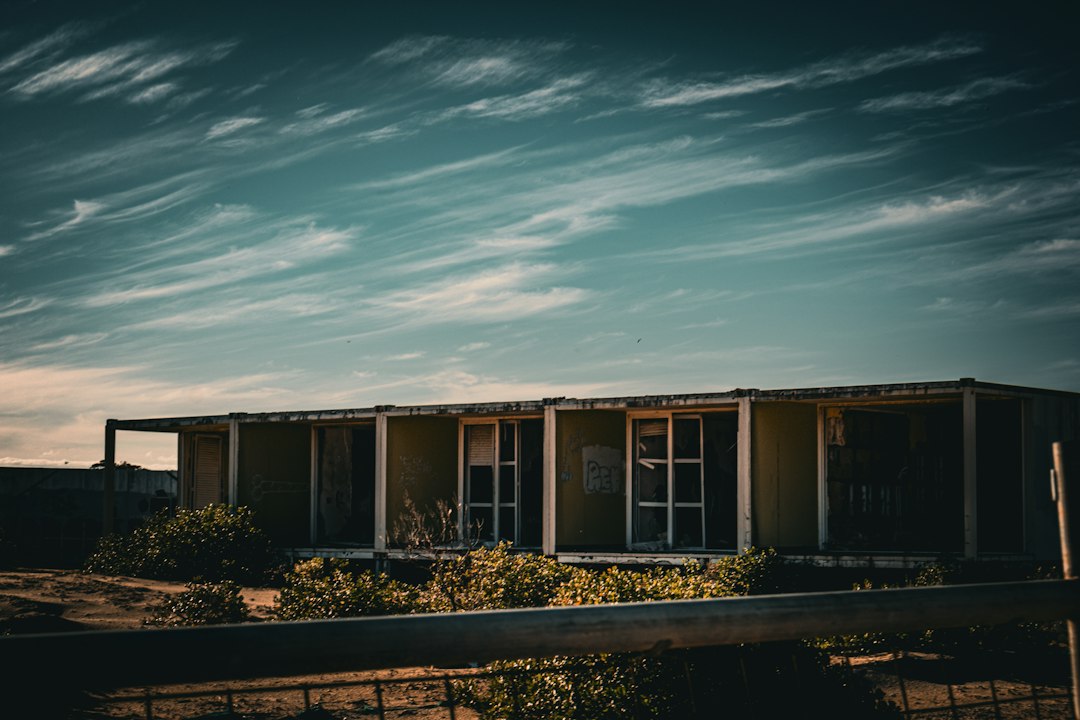
You’ve seen them. They dot the landscapes on the outskirts of town, often clustered in neat rows, promising affordability and a quicker path to homeownership. Manufactured homes. They conjure images of spacious interiors, modern amenities, and a price tag that seems almost too good to be true. And in many ways, they are. But like any seemingly simple solution, beneath the veneer of convenience lies a complex reality. The “real cost” of a manufactured home isn’t just the sticker price; it’s a multifaceted financial and lifestyle commitment that extends far beyond the initial purchase.
When you first start browsing for housing, the allure of a manufactured home is undeniable. You’re likely comparing it to traditional site-built homes, and the difference in upfront cost can be staggering. This is the most obvious and often the most attractive aspect of manufactured housing, and it’s precisely what draws so many people in. However, it’s crucial to understand what that initial price doesn’t include, and how those omissions contribute to the overall financial picture.
What’s Included (and What’s Not)
The advertised price of a manufactured home typically covers the structure itself. Think of it as buying a very large, very well-equipped appliance. It includes the walls, the roof, the plumbing, the electrical systems, the appliances (often), and interior finishes. This is a significant portion of what constitutes a dwelling, and its inclusion in the initial price is a major cost saver compared to building a home from scratch.
However, what you’re often not paying for in that initial price is the land. This is a critical distinction. Unless you are purchasing a package deal that includes both the home and the plot of land it sits on, you will need to secure land separately. This means either buying land outright or, more commonly for manufactured home buyers, leasing a lot in a manufactured home community or “park.” This leased land introduces a recurring monthly expense that needs to be factored into your budget, a cost that is absent when you own the land beneath a traditional home.
The Illusion of Total Ownership
The perception of owning a “home” can be slightly skewed with manufactured housing. While you own the physical structure, you may not own the ground it rests upon. This fundamental difference in property ownership has significant implications for financing, equity building, and long-term stability. If you lease your land, you are subject to the terms of the lease agreement, which can include rent increases, community rules, and even the potential for the community itself to be sold, forcing you to relocate your home. This lack of land ownership can be a significant emotional and financial hurdle for many.
The Hidden Costs of Site Preparation
Even if you have secured your land, the manufactured home doesn’t magically appear on it. Significant site preparation is almost always required. This can include clearing and grading the land, digging for utility hookups (water, sewer/septic, electricity, gas), and preparing a foundation or permanent support system for the home. These costs can vary wildly depending on the terrain and existing infrastructure but can easily add thousands of dollars to your overall investment before the home even arrives.
When considering the purchase of a manufactured home, it’s essential to understand the various costs involved beyond just the initial price. An insightful article that delves into the true expenses associated with manufactured homes can be found at How Much Does a Manufactured Home Really Cost?. This resource provides a comprehensive breakdown of factors such as land acquisition, installation, insurance, and maintenance, helping potential buyers make informed decisions about their investment.
The Complexities of Financing
Securing financing for a manufactured home is a distinct process compared to obtaining a mortgage for a traditional site-built home. The perceived depreciation and lack of land ownership (in many cases) can make lenders more cautious, leading to different loan types, potentially higher interest rates, and more stringent requirements. Understanding these nuances is vital to avoid financial pitfalls.
Chattel Loans vs. Mortgages
This is perhaps the most significant financial differentiator. If you are placing your manufactured home on leased land, you will likely be financing it through a chattel loan. A chattel loan is essentially a loan for personal property, treating the manufactured home as an automobile or other movable asset.
- Interest Rates: Chattel loans typically have higher interest rates than traditional mortgages because the lender has less collateral (no land) and the asset is perceived as depreciating more rapidly.
- Loan Terms: The repayment periods for chattel loans are often shorter than those for mortgages, resulting in higher monthly payments.
- Appreciation: Chattel loans are designed for depreciating assets. This means your home’s value will likely decrease over time, making it harder to build equity and potentially leaving you owing more than the home is worth.
If, however, you are purchasing a manufactured home and the land it sits on and plan to make it a permanent, affixed dwelling, you may be able to secure a traditional mortgage. This typically requires the home to be permanently affixed to a foundation and meet specific building code requirements.
The Impact of Land Ownership on Financing
As mentioned, owning the land where your manufactured home is situated opens up more traditional financing options.
- Mortgage Eligibility: With land ownership, your home can be considered real property, making you eligible for standard home mortgages. This usually means lower interest rates and longer repayment terms.
- Equity Building: Owning the land allows you to build equity in both your home and your property. This is a crucial component of long-term wealth creation and financial security.
- Financing the Land and Home Together: In some cases, you can finance the purchase of the land and the manufactured home as a single package, simplifying the process and potentially securing more favorable terms.
The Role of the Manufactured Home Community
Many manufactured home buyers choose to place their homes in dedicated communities. While this offers convenience and amenities, it also introduces another layer of financial consideration.
- Lot Rent: The monthly fee you pay to occupy a lot in a manufactured home community is often referred to as “lot rent.” This rent can increase over time, impacting your long-term affordability.
- Community Fees and Regulations: Beyond lot rent, communities may have additional fees for amenities, maintenance, or social events. They also come with rules and regulations that you must abide by, which can sometimes feel restrictive.
- Homeowner Association (HOA) Dues: Some manufactured home communities operate like planned developments with HOA dues, which cover shared expenses and upkeep of common areas.
The Ongoing Costs of Ownership
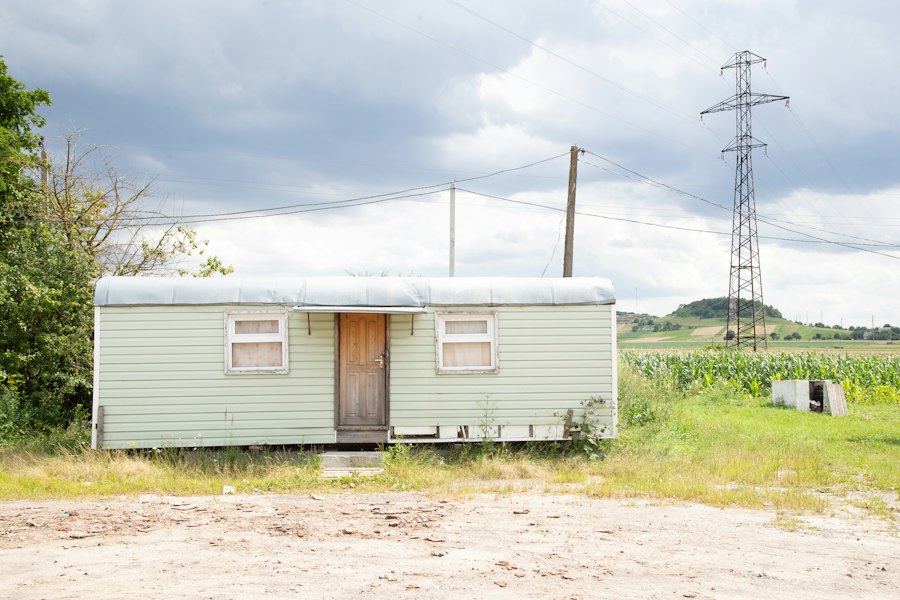
Beyond the initial purchase and financing, owning a manufactured home involves a set of ongoing costs that are crucial to understand for realistic budgeting. These costs can be both financial and practical, impacting your quality of life and long-term financial health.
Utilities and Maintenance
While manufactured homes are designed to be energy-efficient, they can sometimes have higher utility bills than comparably sized site-built homes. This can be due to variations in insulation quality, window efficiency, and the way the home is constructed.
- Heating and Cooling: Older manufactured homes, in particular, may have less efficient insulation and older HVAC systems, leading to higher heating and cooling costs. Modern manufactured homes have made significant strides in energy efficiency, but it’s still worth comparing utility costs to similar-sized traditional homes.
- Water and Sewer: If your manufactured home is not connected to a municipal water and sewer system, you’ll incur costs for well water maintenance, septic system pumping, and potential repairs. These can be significant and unpredictable expenses.
- Appliance Repairs and Replacement: Like any home, the appliances within a manufactured home will eventually need repair or replacement. The cost of these repairs and the eventual replacement of major appliances can add up.
Insurance Considerations
Insuring a manufactured home can be a more complex and potentially expensive endeavor than insuring a traditional home.
- Higher Premiums: Due to their construction methods and potential for depreciation, manufactured homes can sometimes carry higher insurance premiums.
- Specialized Policies: You may need specialized insurance policies that are designed specifically for manufactured housing. These policies may have different coverage limits and deductibles compared to standard homeowner’s insurance.
- Landlord Insurance (if applicable): If you own the land and rent it out to someone with a manufactured home, you’ll need landlord insurance, which has its own set of costs and considerations.
Repairs and Upgrades
Manufactured homes are built to specific standards, and while they are durable, they are not immune to the wear and tear of time and weather.
- Material Durability: The materials used in manufactured homes may have different lifespans compared to those used in site-built homes. For example, siding materials or roofing can sometimes require more frequent attention.
- Foundation and Skirting: The foundation and skirting (the material that encloses the underside of the home) require regular inspection and maintenance to prevent moisture issues and pest infestations.
- Resale Value and Upgrades: If you plan to sell your manufactured home in the future, making tasteful upgrades can improve its resale value. However, these upgrades represent an additional investment of time and money.
The Depreciation Factor and Resale Value
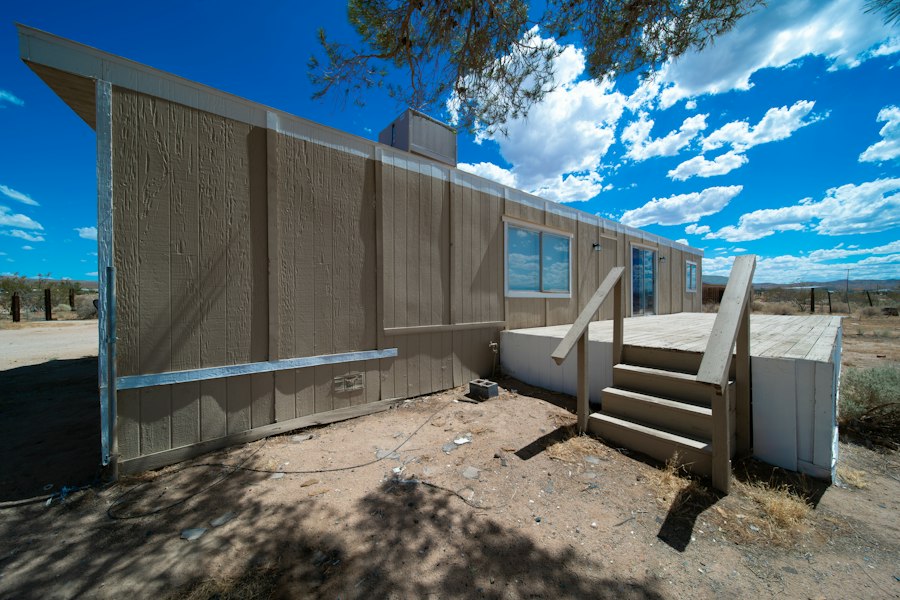
One of the most significant financial considerations when it comes to manufactured homes is their tendency to depreciate, much like vehicles. This is a stark contrast to traditional site-built homes, which often appreciate in value over time. Understanding this depreciation is crucial for managing expectations and making informed financial decisions.
The Difference Between “Mobile” and “Manufactured” Homes
It’s important to distinguish between older “mobile homes” and newer “manufactured homes.” The term “mobile home” often refers to homes built before the HUD code (the National Manufactured Home Construction and Safety Standards Act) was implemented in 1976. These homes were often built on wheeled chassis and were designed to be moved easily, but they lacked the structural integrity and safety features of modern manufactured homes.
Modern manufactured homes, built to the HUD code, are significantly more durable and are often intended for permanent placement. However, even these homes can face depreciation challenges, especially if they are not treated as real property.
How Land Ownership Affects Depreciation
As we’ve discussed, land ownership plays a pivotal role in how a manufactured home’s value is perceived.
- Home as Personal Property: If the manufactured home is considered personal property (like in a chattel loan scenario), its value will likely depreciate over time. This is because it’s viewed as a depreciating asset, similar to a car.
- Home as Real Property: If the manufactured home is permanently affixed to land that you own and is treated as real property, its value is more likely to be influenced by the appreciation of the land itself. In this scenario, the home’s value might not depreciate as rapidly, and the overall property value can increase.
Strategies for Mitigating Depreciation
While complete avoidance of depreciation may be difficult, there are strategies you can employ to mitigate its impact and maximize your investment.
- Permanent Foundation and Affixing: Ensuring your manufactured home is permanently affixed to a proper foundation, meeting all local building codes, is crucial for it to be treated as real property and to potentially qualify for more favorable financing and appreciation.
- Regular Maintenance and Upgrades: Keeping your home in excellent condition through regular maintenance and investing in tasteful upgrades can help it retain its value and remain attractive to future buyers.
- Location, Location, Location: Just like with any real estate, the location of your manufactured home can significantly influence its resale value. Homes in desirable areas with good schools, amenities, and job opportunities tend to hold their value better.
When considering the purchase of a manufactured home, it’s essential to understand the various costs involved beyond just the initial price tag. A related article that delves deeper into the financial aspects of manufactured homes can be found at How Wealth Grows. This resource provides valuable insights into factors such as land costs, maintenance, and financing options, helping potential buyers make informed decisions about their investment.
The Lifestyle and Long-Term Considerations
| Cost Component | Average Cost | Description |
|---|---|---|
| Base Price of Manufactured Home | 50,000 – 100,000 | Cost for the home itself, varies by size and model |
| Land Purchase or Lease | 10,000 – 50,000 | Cost to buy land or monthly lease fees for a mobile home park |
| Site Preparation | 5,000 – 15,000 | Clearing, leveling, and foundation work |
| Delivery and Installation | 3,000 – 8,000 | Transporting the home and setting it up on site |
| Utility Hookups | 2,000 – 5,000 | Connecting water, electricity, sewage, and gas |
| Permits and Fees | 500 – 2,000 | Local government permits and inspections |
| Additional Features and Upgrades | 5,000 – 20,000 | Customizations like decks, porches, or upgraded appliances |
| Total Estimated Cost | 75,500 – 200,000 | All costs combined for a fully installed manufactured home |
The “real cost” of a manufactured home extends beyond financial metrics. It encompasses the lifestyle choices you make, the flexibility you have, and the long-term implications for your personal and financial well-being.
Mobility and Flexibility
One of the original appeals of manufactured homes was their perceived mobility. While modern manufactured homes are more permanent, the concept of relocation still exists.
- Relocating Your Home: If you own your manufactured home outright and it’s built to be transportable, you have the option to move it to a new location. However, this is a costly and complex undertaking, involving specialized movers and site preparation at the new location. It’s not as simple as hitching up a trailer.
- Community Changes: If you live in a manufactured home community, your ability to move might be dictated by the community’s rules. You might have to sell your home to someone who can continue to rent the lot, or if the community is sold, you might be forced to move your home at your own expense.
Community Living and Rules
For many, living in a manufactured home community is an integral part of the experience. This communal living comes with its own set of advantages and disadvantages.
- Sense of Community: Manufactured home communities often foster a strong sense of community, with organized activities and a close-knit atmosphere. This can be particularly appealing for retirees or those seeking social connection.
- Restrictive Rules: These communities often have strict rules regarding landscaping, pet ownership, vehicle parking, and home modifications. While these rules are designed to maintain a certain aesthetic and quality of life, they can feel restrictive to some homeowners.
- Potential for Rent Hikes: As mentioned earlier, lot rents can increase over time, impacting your long-term affordability and potentially forcing you to make difficult financial decisions.
Long-Term Investment and Wealth Building
When considering the “real cost,” it’s essential to evaluate the long-term impact of a manufactured home on your ability to build wealth.
- Equity vs. Depreciation: The core difference lies in equity building. Traditional homes, when purchased with a mortgage, are typically purchased as real property, allowing you to build equity as you pay down the loan and as the property appreciates. Manufactured homes financed with chattel loans, due to depreciation, can make wealth building more challenging.
- Retirement Planning: If your manufactured home is your primary residence and financed through a chattel loan, its depreciating value could impact your retirement planning. You may not have the same level of equity to draw upon as someone who owns a traditional home.
- Selling Your Home: The process of selling a manufactured home can be more challenging than selling a site-built home, especially if it’s on leased land. The pool of potential buyers might be smaller, and the financing options available to them could be more limited.
Ultimately, the decision to purchase a manufactured home is a significant one with a complex set of costs and benefits. While the initial affordability is a powerful draw, a thorough understanding of the ongoing expenses, financing intricacies, depreciation factors, and lifestyle implications is crucial to making an informed choice and ensuring that your dream of homeownership doesn’t become a financial burden. You are not just buying a house; you are entering into a multifaceted financial and lifestyle commitment.

The $80,000 House You’re Not Allowed to Put Anywhere
FAQs
What factors influence the cost of a manufactured home?
Manufactured home costs can vary based on factors such as size, location, customization, features, and the manufacturer.
What is the average cost of a manufactured home?
On average, a manufactured home can cost between $50,000 to $100,000. However, this cost can increase depending on the factors mentioned above.
Are there additional costs associated with buying a manufactured home?
Yes, there are additional costs to consider such as land purchase or rental fees, delivery and installation costs, utility hook-ups, permits, taxes, and maintenance expenses.
Can financing options be available for purchasing a manufactured home?
Yes, there are financing options available for purchasing a manufactured home, including personal loans, chattel mortgages, and FHA loans specifically designed for manufactured homes.
Are there any ongoing costs associated with owning a manufactured home?
Yes, ongoing costs of owning a manufactured home include property taxes, insurance, utilities, maintenance, and any fees associated with the community or park where the home is located.