You’re standing at a crossroads, contemplating your housing future. The dream of homeownership feels increasingly out of reach, with traditional housing prices soaring and mortgage rates adding to the financial strain. You’ve heard murmurs about manufactured homes, perhaps with some outdated preconceptions, but the idea of a more affordable path to owning a place you can truly call your own keeps tugging at your thoughts. You’re looking for a solution that doesn’t require a lottery win or a lifetime of sacrifice. You’re seeking a practical, sensible way to achieve your housing goals. This article is for you. You’ll discover how manufactured homes, often misunderstood, represent a significant and often overlooked cost-effective housing solution, offering a genuine pathway to homeownership without the overwhelming financial burden associated with traditional stick-built homes.
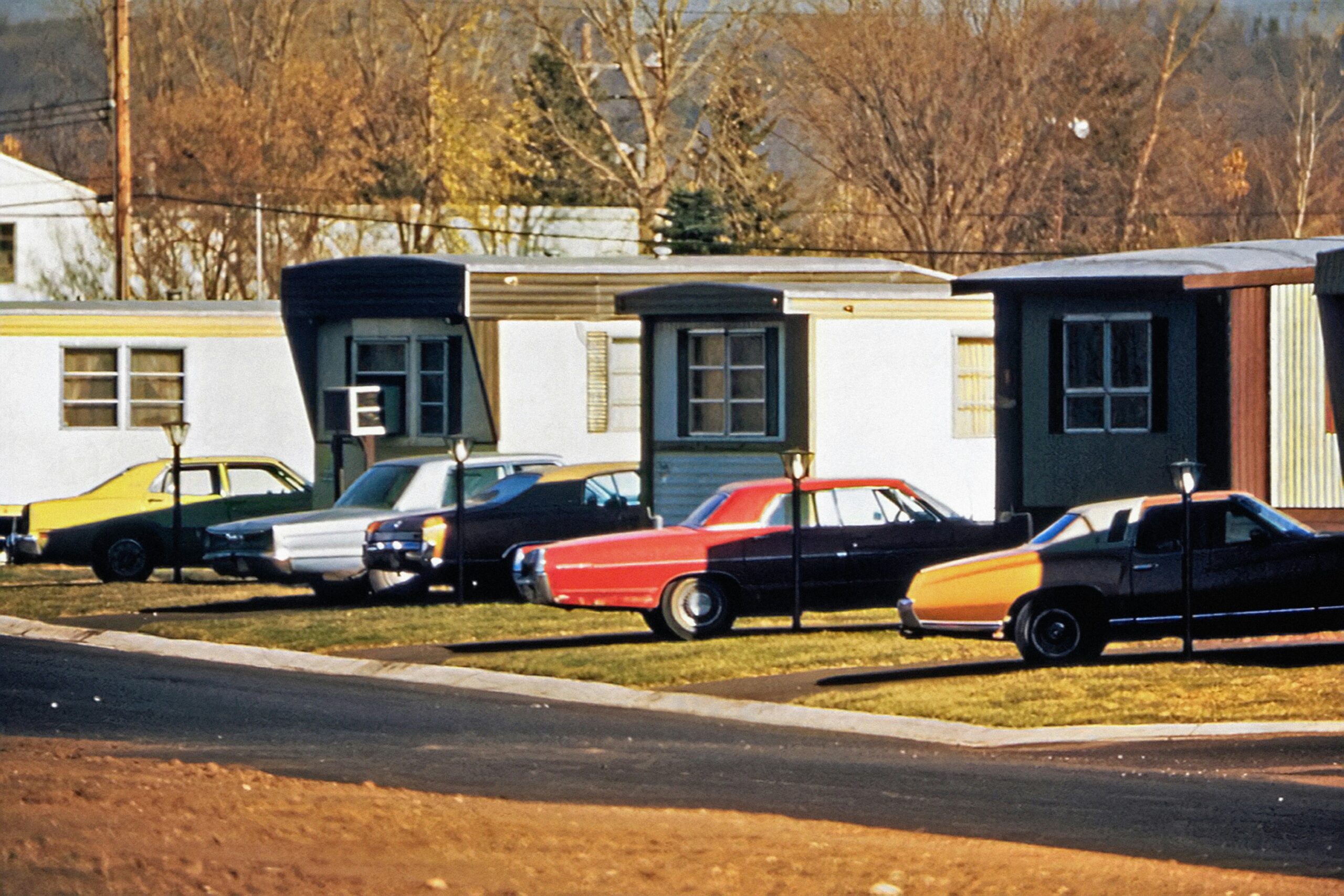
You might be picturing something rudimentary or temporary when you hear “manufactured home.” Let’s dispel those myths right from the start. Modern manufactured homes are a far cry from the mobile homes of yesteryear. They are built in a controlled factory environment, adhering to strict federal building codes set by the U.S. Department of Housing and Urban Development (HUD). This controlled setting allows for greater precision, efficiency, and quality control, directly contributing to their affordability. You’re not just buying a house; you’re investing in a product built with meticulous attention to detail and standardized processes that minimize waste and labor inefficiencies.
The Factory-Built Difference: Precision and Efficiency
You’ve likely experienced the frustration of weather delays impacting construction timelines and budgets for traditional homes. In contrast, the manufacturing of your home takes place indoors, shielded from the elements. This means construction proceeds consistently, regardless of rain, snow, or extreme temperatures. This predictable schedule translates into predictable costs, a significant advantage for your budget. You’re not subject to the unpredictable costs that can arise from unforeseen weather events during on-site construction.
Reduced Labor Costs: A Direct Benefit to You
The assembly-line nature of factory production allows for specialized teams to focus on specific tasks. This division of labor leads to increased efficiency and reduced overall labor costs compared to the more generalized approach required for on-site building. You benefit directly from this optimized workforce, as these savings are passed on to you in the form of a lower purchase price. Imagine skilled carpenters, electricians, and plumbers working in a streamlined environment, leading to faster and more cost-effective construction.
Bulk Purchasing Power: Savings Amplified
Manufacturing facilities purchase materials in bulk, which allows them to negotiate significant discounts from suppliers. This economies of scale mean you’re not paying retail prices for your building materials. Instead, you’re benefiting from wholesale pricing that contributes to the overall affordability of your home. Think about the power of buying in bulk – a principle that applies directly to the construction of your manufactured home, driving down costs for you.
The HUD Code: A Guarantee of Quality and Safety
You deserve to know that your home is safe and built to last. The HUD Code is the only national building code that exists in the United States for manufactured homes. It covers all aspects of construction, from design and fabrication to testing and transportation. This code is regularly updated to reflect advancements in building science and safety standards. When you choose a manufactured home, you are choosing a dwelling that meets rigorous federal safety and quality standards, giving you peace of mind and protecting your investment.
Uniform Standards, Nationwide Acceptance
Unlike state or local building codes that can vary significantly, the HUD Code is uniform across the entire country. This means a manufactured home built to HUD standards is recognized and accepted anywhere in the U.S., ensuring its value and portability if you decide to relocate your home in the future. You don’t have to worry about differing regulations or the need for costly modifications if you move your manufactured home.
Continuous Improvement and Innovation
The HUD Code isn’t static. It’s a living document that undergoes regular review and revision by experts. This ensures that manufactured homes are built with the latest safety features and energy-efficient technologies. You’re not just buying a home; you’re buying into a continuously improving product that benefits from ongoing research and development.
Manufactured homes are often considered an affordable housing option due to several key factors, including lower construction costs and efficient manufacturing processes. For a deeper understanding of the economic advantages of manufactured homes, you can explore this insightful article on the topic. It discusses how these homes are built in controlled environments, which reduces waste and labor costs, ultimately making them more accessible for buyers. To read more about this, visit this article.
Affordability Beyond the Purchase Price
It’s crucial to look beyond the initial sticker price when evaluating the affordability of any housing option. Manufactured homes continue to offer significant advantages in terms of long-term ownership costs, making them a truly cost-effective solution for your financial well-being. You’re not just buying a home; you’re setting yourself up for a more manageable and financially stable future.
Lower Initial Investment: Your First Step to Homeownership
The most immediate and striking benefit of manufactured homes is their significantly lower upfront cost compared to site-built homes. This reduced initial investment is what makes the dream of homeownership attainable for a wider range of individuals and families. You can finally stop renting and start building equity in your own property without facing the daunting down payments often associated with traditional housing.
Smaller Down Payments, Easier Qualification
Because the purchase price is lower, the down payment required for a manufactured home is also typically much smaller. This makes it easier for you to qualify for financing and reduces the immediate financial hurdle to homeownership. You can access the benefits of homeownership sooner, rather than delaying for years to save for a larger down payment.
Reduced Overall Debt Burden
With a lower purchase price comes a lower mortgage amount. This translates into a smaller overall debt burden for you to carry over the life of your loan. You’ll likely pay less in interest over time, leading to significant long-term savings. Imagine paying off your home faster and with less financial strain.
Energy Efficiency: Saving Money Month After Month
The misconception that manufactured homes are drafty and energy-inefficient is outdated. Modern manufactured homes are designed and built with energy efficiency in mind, often exceeding the performance of many traditional homes. You will see tangible savings on your utility bills month after month, contributing to the overall affordability of your home.
Superior Insulation Standards
Factory construction allows for precise installation of insulation, often exceeding the standards found in many on-site built homes. This means your home will retain heat in the winter and stay cooler in the summer, reducing your reliance on heating and cooling systems. You’ll experience consistent comfort and lower energy consumption.
Advanced Window and Door Technology
Manufactured homes often feature double-pane, energy-efficient windows and well-sealed doors, further minimizing heat loss and gain. These components are crucial in maintaining a comfortable indoor temperature and reducing energy waste. You’ll notice the difference in your home’s ability to maintain a stable environment.
Energy Star Certified Options Available
Many manufacturers now offer Energy Star certified manufactured homes, which are independently verified to meet strict energy efficiency guidelines. Choosing an Energy Star certified home means you are investing in a dwelling that is designed for maximum energy savings, leading to even greater long-term financial benefits for you.
Lower Property Taxes: A Continuous Financial Advantage
In many areas, manufactured homes, particularly those that are not permanently affixed to the land, may have lower property tax assessments compared to traditional stick-built homes. This can translate into ongoing savings throughout your ownership. You’ll appreciate the reduced annual financial obligation.
Differentiated Tax Assessments
The valuation of manufactured homes for property tax purposes can differ from that of site-built homes, often resulting in lower tax liabilities. This is an important factor to consider when comparing the total cost of homeownership over time. You’re not just buying the home; you’re understanding its ongoing financial impact.
Land vs. Home Ownership Nuances
It’s important to note that property taxes are levied on the land as well as any structures on it. If you purchase land separately and place a manufactured home on it, the tax assessment will be a combination. However, the tax associated with the manufactured home itself can still be more favorable than that of a comparable site-built home.
Design and Customization: Your Style, Your Budget
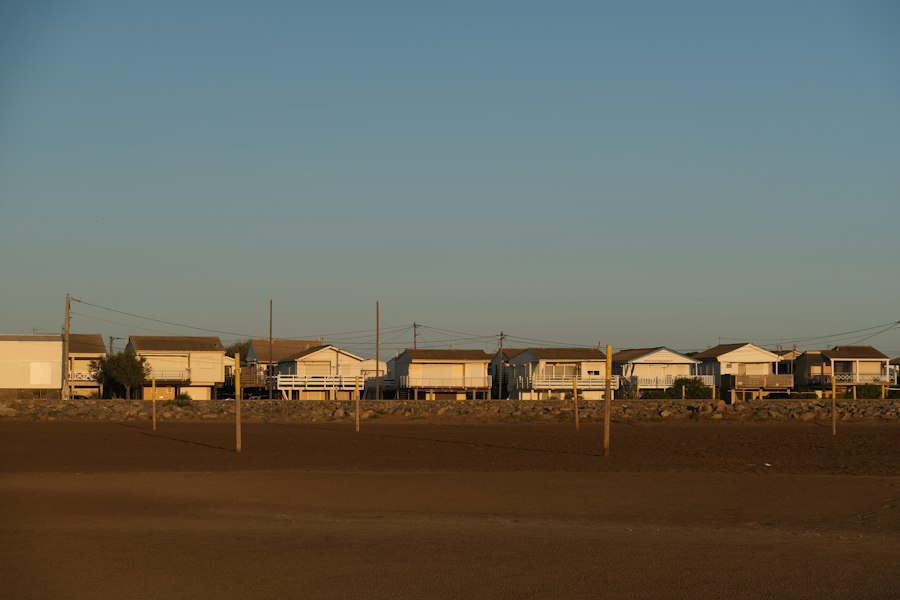
You shouldn’t have to compromise on your personal style or functional needs to achieve affordability. Manufactured homes offer a surprising degree of design flexibility and customization, allowing you to create a home that truly reflects your personality and fits your lifestyle, all within your budget. You can have both aesthetics and practicality.
Diverse Floor Plans to Suit Your Needs
Manufacturers offer a wide array of floor plans, from cozy one-bedroom units to spacious multi-section homes with multiple bedrooms and bathrooms. You can find a layout that perfectly suits your family size, lifestyle, and functional requirements. You’re not limited to a few basic options; you have choices that cater to your specific needs.
Single-Section Homes: Compact and Efficient
Ideal for individuals, couples, or those seeking a simpler living space, single-section manufactured homes offer efficient use of space and are typically the most affordable option. They provide all the essentials for comfortable living in a compact footprint.
Multi-Section Homes: Room to Grow
For families or those who desire more living space, multi-section manufactured homes, often referred to as double-wide or triple-wide homes, offer ample room. These can be customized with multiple bedrooms, bathrooms, living areas, and even garages. You can essentially design a home that rivals the size and layout of many traditional homes.
Interior and Exterior Finishes: Personalizing Your Space
You have the power to choose the interior and exterior finishes that appeal to you, allowing you to personalize your manufactured home to your taste. From flooring and cabinetry to siding and roofing, you can select options that align with your aesthetic preferences and budget.
Kitchens and Bathrooms: Functional and Stylish
You can select countertops, cabinetry, fixtures, and appliances to create kitchens and bathrooms that are both functional and aesthetically pleasing. Many manufacturers offer a range of modern and stylish options to choose from. You can have the kitchen of your dreams without the exorbitant price tag.
Flooring, Walls, and Ceilings: Creating Your Ambiance
You can choose from a variety of flooring materials, paint colors, and ceiling finishes to create the desired ambiance in your home. From durable laminate and plush carpeting to elegant hardwood-look options, your choices are extensive.
Exterior Siding and Roofing: Curb Appeal and Durability
You can select from various siding materials, such as vinyl, metal, or engineered wood, and choose roofing options that provide both durability and curb appeal. This allows you to create a home that looks as good as it feels.
Smart Home Integration and Modern Amenities
Increasingly, manufactured homes are incorporating modern amenities and even smart home technology. You can find homes equipped with energy-efficient appliances, programmable thermostats, and even pre-wiring for smart home devices, ensuring your home is both comfortable and technologically up-to-date. You don’t have to sacrifice modern conveniences for affordability.
Financing Manufactured Homes: More Accessible Than You Think
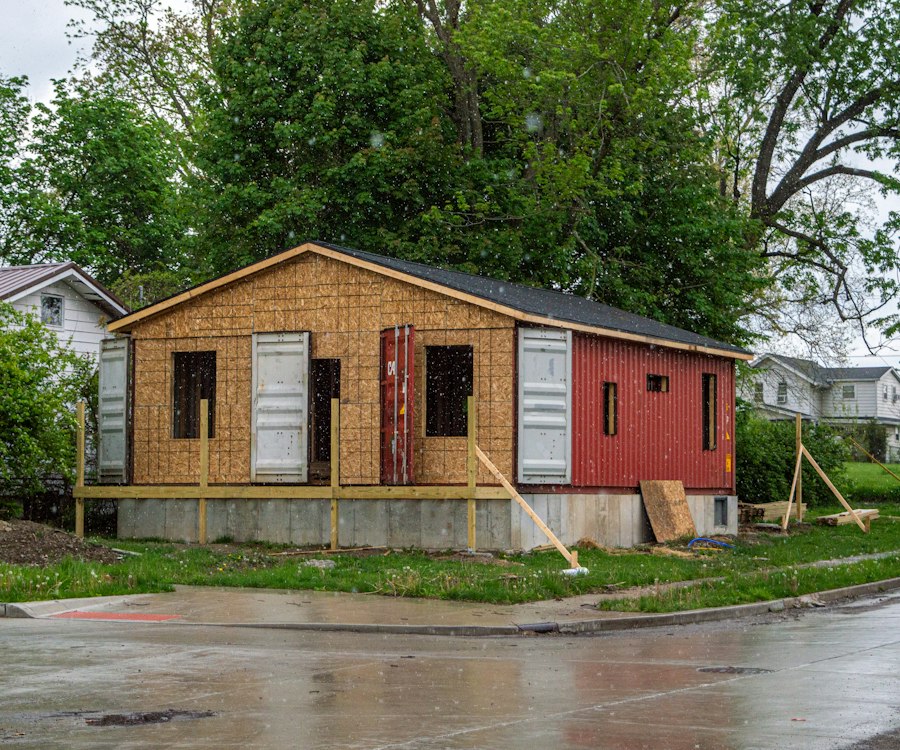
You might be concerned about the financing options available for manufactured homes. Rest assured, the landscape has evolved significantly, and you have several viable pathways to secure a mortgage for your manufactured home. The days of needing solely cash are largely over, making this a truly accessible housing solution.
Traditional Mortgages: Increasingly Available
Many lenders now offer traditional mortgages for manufactured homes, especially for those permanently affixed to land owned by the homeowner. These mortgages function much like those for site-built homes, offering competitive interest rates and loan terms. You can leverage the same financing tools available for traditional housing.
Fannie Mae and Freddie Mac Involvement
Government-sponsored enterprises like Fannie Mae and Freddie Mac play a crucial role in making manufactured home financing more accessible. They provide a secondary market for manufactured home loans, which encourages lenders to offer these mortgages. This institutional support is vital for affordability.
Owner-Occupied vs. Investment Properties
Financing terms and availability can differ depending on whether you plan to occupy the home yourself or use it as an investment property. Owner-occupied loans are generally more readily available and may offer more favorable terms.
Chattel Loans: For Homes Not Attached to Land
If you plan to place your manufactured home in a dedicated manufactured home community and lease the land, you will likely utilize a chattel loan. These loans are secured by the home itself, rather than the land. While interest rates on chattel loans can sometimes be higher than traditional mortgages, they provide a crucial financing option for many.
Understanding the Loan Structure
Chattel loans are specifically designed for personal property, which is how a manufactured home not permanently affixed to land is classified. It’s important to understand the terms and conditions of these loans to ensure they align with your financial goals.
Key Considerations for Chattel Loans
When considering a chattel loan, you’ll want to compare interest rates, loan terms, and any associated fees from different lenders. Shopping around is as important here as it is for any other type of loan.
USDA Rural Development Loans: Opportunities for Rural Buyers
For those looking to purchase a manufactured home in a rural area, USDA Rural Development loans can be an excellent option. These loans often offer low interest rates and require no down payment, making homeownership more attainable in these locations. You can tap into government programs designed to support rural housing.
Eligibility Requirements and Benefits
Understanding the specific eligibility requirements for USDA loans is key. If you qualify, the benefits of low interest rates and no down payment can significantly reduce your financial burden.
Investing in Rural Communities
By utilizing programs like USDA loans, you contribute to the revitalization and stability of rural communities, while also achieving your homeownership dreams.
Manufactured homes are often seen as a budget-friendly housing option, and a related article explores the various factors contributing to their affordability. These homes are typically built in factories, which allows for streamlined production processes and reduced labor costs. Additionally, the use of standardized materials can significantly lower expenses, making homeownership more accessible for many families. For a deeper understanding of the economics behind manufactured homes, you can read more in this insightful article here.
Long-Term Value and Resale Potential
| Factor | Description | Impact on Affordability |
|---|---|---|
| Factory Construction | Homes are built in a controlled factory environment. | Reduces labor costs and material waste, leading to lower prices. |
| Bulk Material Purchasing | Manufacturers buy materials in large quantities. | Obtains discounts and reduces per-unit material costs. |
| Standardized Designs | Use of pre-designed floor plans and components. | Speeds up production and lowers design and engineering expenses. |
| Reduced Land Costs | Often placed in manufactured home communities or leased land. | Eliminates or reduces the cost of purchasing expensive land. |
| Lower Financing Costs | Shorter loan terms and specialized lending options. | Can reduce interest paid over time, though terms vary. |
| Efficient Use of Space | Compact and optimized layouts. | Maximizes living area while minimizing construction costs. |
| Less Regulatory Burden | Subject to federal HUD codes rather than local building codes. | Reduces compliance costs and speeds up approval processes. |
You might wonder about the long-term value and resale potential of manufactured homes. As the industry continues to innovate and perceptions change, manufactured homes are increasingly recognized for their enduring value and growing resale market. You’re investing in a home that can appreciate and provide a good return.
Modern Design and Quality Construction Appreciating Value
The improved quality of construction, modern design aesthetics, and energy efficiency of contemporary manufactured homes contribute significantly to their long-term value. As consumers become more aware of these advancements, demand for well-maintained manufactured homes is increasing.
Higher Quality Materials and Craftsmanship
The use of superior materials and the precision of factory assembly lead to more durable and aesthetically pleasing homes. This translates into a home that holds its value better over time and appeals to a wider range of potential buyers.
Energy Efficiency as a Selling Point
In today’s environmentally conscious market, the energy efficiency of a manufactured home is a significant selling point. Buyers are increasingly seeking homes that offer lower utility costs, making energy-efficient manufactured homes more attractive on the resale market.
Upgrades and Renovations: Enhancing Your Investment
Similar to site-built homes, manufactured homes can be upgraded and renovated to increase their value and appeal. Investing in improvements can enhance your living experience and yield a better return when you decide to sell.
Kitchen and Bathroom Remodels
Modernizing kitchens and bathrooms with updated fixtures, countertops, and appliances can significantly boost a manufactured home’s resale value. These are often the first areas buyers look at.
Exterior Improvements and Landscaping
Enhancing the exterior with new siding, roofing, landscaping, or additions like decks or porches can dramatically improve curb appeal and perceived value.
Shifting Perceptions and a Growing Market
Public perception of manufactured homes is evolving. As more people experience the quality, affordability, and design flexibility of modern manufactured homes, the stigma associated with older mobile homes is diminishing. This shift is driving increased demand and a more robust resale market. You are part of a growing movement towards smart, affordable housing.
In conclusion, you have the power to make informed decisions about your housing future. Manufactured homes are no longer a compromise; they are a smart, cost-effective, and increasingly desirable housing solution. By understanding their advantages, from their construction and affordability to their design flexibility and financing options, you can confidently explore this pathway to homeownership and build a stable, comfortable future for yourself. You can achieve your dream of owning a home without the crushing financial weight, and this article has provided you with the knowledge to start that journey.
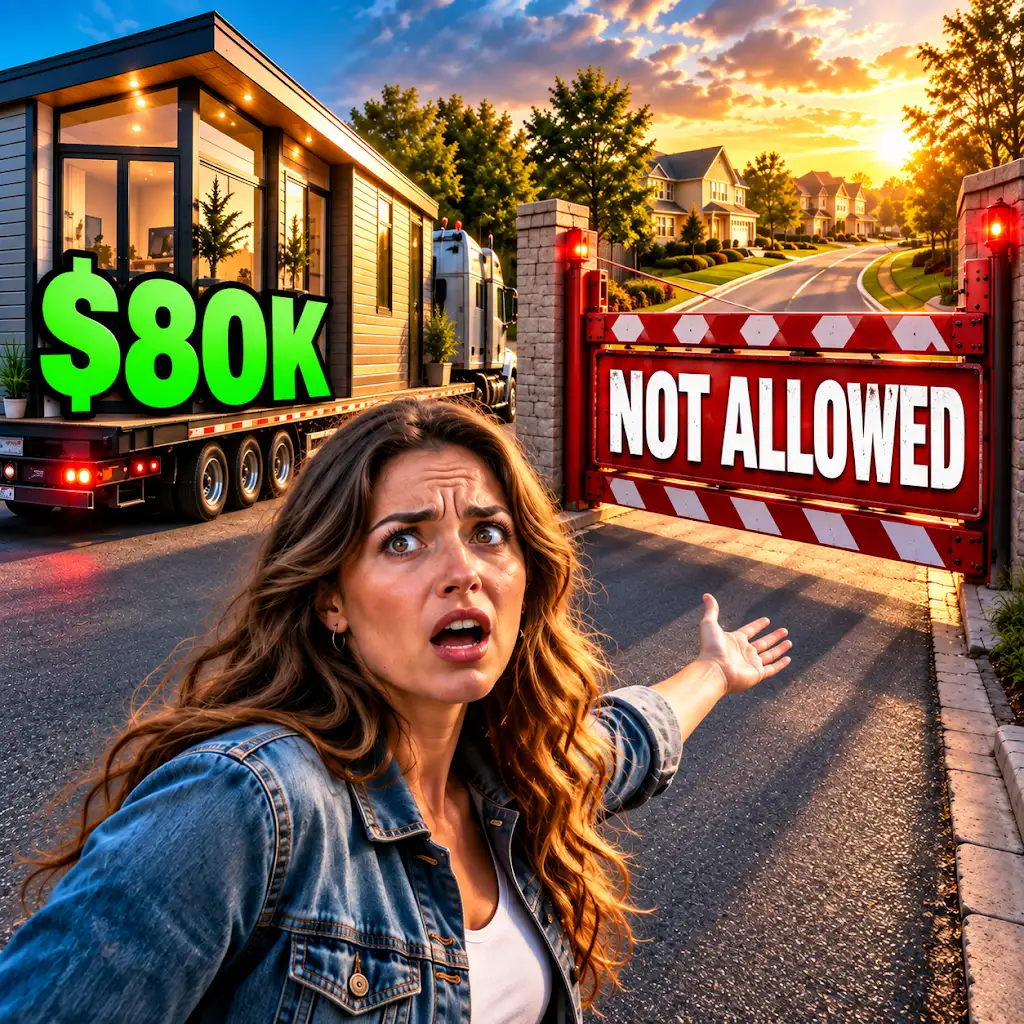
The $80,000 House You’re Not Allowed to Put Anywhere
FAQs
1. What makes manufactured homes more affordable than traditional homes?
Manufactured homes are typically more affordable than traditional homes because they are built in a factory setting, which allows for cost savings in terms of labor, materials, and construction time.
2. Are there any government regulations that contribute to the affordability of manufactured homes?
Yes, there are federal regulations in place, such as the HUD Code, that govern the construction and safety standards of manufactured homes. These regulations help ensure quality while keeping costs down.
3. Do manufactured homes depreciate in value like traditional homes?
Manufactured homes tend to depreciate in value over time, similar to traditional homes. However, factors such as location, upkeep, and market conditions can also impact the resale value of a manufactured home.
4. Are there any hidden costs associated with buying a manufactured home?
While manufactured homes are generally more affordable upfront, buyers should be aware of potential additional costs such as land rental fees, utility hookups, maintenance, and insurance.
5. Can manufactured homes be customized to fit individual preferences and needs?
Yes, manufactured homes can be customized to a certain extent to fit individual preferences and needs. Buyers can choose from a variety of floor plans, finishes, and features to create a home that suits their lifestyle.