
You stand on the precipice of a growing crisis, one that gnaws at the very fabric of our communities. The dream of a safe, stable, and affordable place to call home is slipping further out of reach for countless individuals and families. You see the frustration in their eyes, the quiet desperation as they navigate a housing market that seems designed to exclude them. Building affordable housing isn’t just about bricks and mortar; it’s about addressing a fundamental human need and the intricate web of challenges that stand in the way.
You’ve noticed it, haven’t you? The relentless march upwards of prices. It’s not just the sticker shock at the grocery store; it’s the very foundation of your building dreams that’s crumbling under the weight of rising expenses. This isn’t a minor inconvenience; it’s a systemic issue that directly impacts your ability to create housing that’s genuinely accessible.
The Price of Land
Imagine this: you’ve found the perfect spot, a parcel of land brimming with potential, ready to be transformed into much-needed affordable homes. But then comes the land appraisal, and your heart sinks. The cost of land, especially in desirable urban and suburban areas where the need is greatest, has become astronomical. Developers are forced to bid against each other, driving prices sky-high. This isn’t just a business transaction; it’s a competition for scarce resources, and often, affordability loses. You’re not just buying dirt; you’re buying a significant portion of your budget before you even break ground.
The Soaring Cost of Materials
You remember a time when lumber prices were more predictable, when steel and concrete felt like manageable expenses. Now, you’re facing unprecedented volatility. Global supply chain disruptions, tariffs, and increased demand have sent the cost of essential building materials through the roof. A single project can see its material budget balloon by tens, even hundreds, of thousands of dollars in a matter of months. You find yourself constantly recalculating, trying to find creative solutions that don’t compromise the structural integrity or safety of the homes you aim to build. It’s a constant game of whack-a-mole, where one cost spike is quickly followed by another.
The Labor Shortage and Its Price Tag
You can’t build without skilled hands, and you’ve certainly felt the pinch. The construction industry is facing a significant labor shortage, a trend exacerbated by an aging workforce and a lack of new entrants into the trades. This scarcity drives up wages, adding another substantial layer to your already strained budget. You’re not just competing for materials; you’re competing for the very people who can bring your vision to life. Finding qualified and affordable labor becomes a Herculean task, and the longer a project is delayed due to staffing issues, the more expensive it becomes.
The challenges of building affordable housing are multifaceted, often stemming from a combination of regulatory hurdles, rising construction costs, and limited available land. For a deeper understanding of these issues, you can explore a related article that discusses the complexities surrounding affordable housing development and the various factors that contribute to its scarcity. To read more, visit this article.
Navigating the Labyrinth of Regulations and Zoning
You’re not just a builder; you’re an intricate dancer through a complex regulatory maze. The rules and requirements governing land use and construction are often a tangled web, designed with good intentions but frequently creating unintended obstacles to affordable housing development.
Restrictive Zoning Laws
You’ve encountered them, haven’t you? Zoning laws that dictate what can be built where. Single-family zoning, minimum lot sizes, height restrictions – these are often relics of a bygone era that can actively prevent the creation of denser, more affordable housing options. You might envision a multi-unit development on a parcel of land, but restrictive zoning can tie your hands, forcing you to consider less efficient and more expensive single-family homes or leaving the land undeveloped altogether. The irony is not lost on you: you’re trying to solve a housing crisis, but the rules are sometimes designed to perpetuate it.
The Permit Process: A Time-Consuming Gauntlet
The journey from approved plans to shovels in the ground is often a protracted and frustrating one, largely due to the permitting process. You can spend months, even years, navigating the bureaucratic channels, seeking approvals from various municipal departments. Each delay adds to the carrying costs of the land and your project. You find yourself constantly chasing down officials, responding to requests for revisions, and waiting for signatures. It’s a system that can feel designed to slow things down, making it incredibly difficult to deliver affordable housing in a timely manner.
NIMBYism: “Not In My Backyard”
This is perhaps one of the most disheartening challenges you face. You propose a well-designed, much-needed affordable housing project, and suddenly, you’re met with resistance. Residents, often motivated by concerns about property values, traffic, or perceived changes to their neighborhood character, organize against your plans. This “Not In My Backyard” (NIMBY) sentiment can stall or even derail projects, even when the need for affordable housing is demonstrably high. You understand concerns, but you also see the human cost of preventing people from finding homes in their communities.
The Funding Conundrum: Where Does the Money Come From?

You have the vision, the plans, and the desire to build, but the most significant hurdle often remains: securing the necessary funding. Building affordable housing is a delicate financial balancing act, and the traditional market often doesn’t align with affordability goals.
The Profitability Gap
Let’s be honest, you’re operating in a market where profit margins are paramount. For-profit developers are often hesitant to invest in affordable housing projects because the rental rates or sale prices simply don’t generate the same return on investment as market-rate developments. You’re trying to build homes that people can afford, which inherently means lower revenue. Bridging this profitability gap requires creative financing and often external support.
Reliance on Subsidies and Tax Credits
You’ve become intimately familiar with the world of affordable housing finance. You know that without government subsidies, tax credits, and other forms of financial assistance, many affordable housing projects simply wouldn’t be feasible. While these programs are vital, they are often oversubscribed, subject to political whims, and require complex application processes. You spend a significant amount of your time writing grants, applying for tax credits, and navigating the intricacies of these funding mechanisms. It’s a constant hustle to secure the resources needed to make your projects a reality.
The Challenge of Securing Affordable Financing
Even with subsidies in place, securing affordable financing can be a challenge. Lenders may be wary of the perceived lower returns of affordable housing projects, leading to higher interest rates or more stringent lending requirements. You find yourself needing to demonstrate the long-term viability and social impact of your projects to convince financial institutions to invest. It’s a constant effort to find partners who understand the unique financial landscape of affordable housing.
The Design and Construction Trade-offs
You want to build homes that are not only affordable but also safe, durable, and aesthetically pleasing. However, the drive for affordability often necessitates difficult decisions about design and materials.
Balancing Quality and Cost
You’re constantly trying to find that sweet spot between delivering high-quality homes and keeping costs down. This means making conscious choices about materials, fixtures, and finishes. You might have to opt for more durable but slightly more expensive materials in the long run to avoid costly repairs down the line, or you might have to select more budget-friendly options that still meet safety and performance standards. It’s a delicate negotiation between what you want to build and what you can afford to build.
The Importance of Durability and Maintenance
You understand that a cheap build often leads to expensive problems later on. For affordable housing residents, who may already be struggling financially, unexpected repair bills can be devastating. You strive to build homes that are durable and require minimal maintenance, which can sometimes mean investing more upfront. This is a crucial consideration that can be overlooked in the rush to reduce initial costs. You’re not just building a house; you’re building a stable environment for families.
Innovation in Construction Methods
You’re always on the lookout for innovative construction methods that can reduce costs and speed up the building process. This could include modular construction, prefabrication, or the use of alternative building materials. Embracing these advancements can be key to making affordable housing more attainable, but it often requires overcoming traditional industry skepticism and investing in new technologies and training.
The challenge of building affordable housing is a complex issue influenced by various factors, including rising land costs and regulatory hurdles. A related article discusses how these economic pressures make it increasingly difficult for developers to create low-cost housing options. For a deeper understanding of the financial dynamics at play, you can read more about it in this insightful piece on wealth growth. By examining these elements, we can better appreciate the obstacles that stand in the way of affordable housing solutions.
The Long-Term Viability and Sustainability of Affordable Housing
| Factor | Description | Impact on Affordable Housing Development | Example Metric |
|---|---|---|---|
| Land Costs | High prices for land in urban and desirable areas | Increases overall project costs, limiting affordability | Land can represent up to 30-50% of total development cost |
| Zoning and Land Use Regulations | Restrictive zoning laws limit density and building types | Reduces number of units that can be built, raising per-unit costs | Density limits can reduce potential units by 40-60% |
| Construction Costs | Rising prices for materials and labor shortages | Increases cost per unit, making affordable pricing difficult | Construction costs have risen 20%+ over recent years |
| Financing Challenges | Difficulty securing loans and subsidies for affordable projects | Limits ability to start or complete projects | Only 30-40% of affordable projects receive full financing |
| Community Opposition (NIMBYism) | Local resistance to affordable housing developments | Delays or blocks projects, increasing costs and uncertainty | Average project delay due to opposition: 12-18 months |
| Regulatory and Permitting Delays | Lengthy approval processes and bureaucratic hurdles | Increases holding costs and project timelines | Permitting can take 6-24 months depending on location |
| Profitability Constraints | Affordable housing often yields lower returns for developers | Reduces developer incentives to build affordable units | Affordable projects yield 3-5% returns vs. 8-12% for market-rate |
Building affordable housing isn’t a one-time event; it’s an ongoing commitment. You have to consider not only the initial construction but also how these homes will be managed, maintained, and sustained over the long term.
Property Management and Maintenance Costs
Once the homes are built, they need to be managed and maintained. This includes everything from collecting rent to handling repairs and ensuring the property remains in good condition. You need to factor in ongoing property management costs, which can be significant. For non-profit developers, securing consistent funding for these operational expenses can be a major challenge.
Ensuring Long-Term Affordability
The goal is to create housing that remains affordable for generations to come. This often involves establishing affordability covenants that restrict how much rent can be charged or how much the property can be sold for. You need to ensure that the affordability mechanisms you put in place are robust and sustainable, so these homes don’t become market-rate properties in a few decades.
The Social Impact and Community Integration
You’re building more than just houses; you’re building communities. You have to consider how affordable housing developments integrate into the existing neighborhood. This includes ensuring access to transportation, schools, jobs, and essential services. You also have to consider the social fabric of the development itself, fostering a sense of community and belonging for the residents. You see the positive ripple effect that stable, affordable housing can have on individuals, families, and entire neighborhoods.
You stand on the front lines of this critical issue, facing a constant barrage of challenges. But you also possess the vision, the resilience, and the deep-seated understanding that building affordable housing is not just a construction project; it’s a moral imperative. The fight for accessible and equitable housing is an ongoing one, and your efforts, though fraught with difficulty, are shaping a more just and hopeful future for countless individuals and communities.
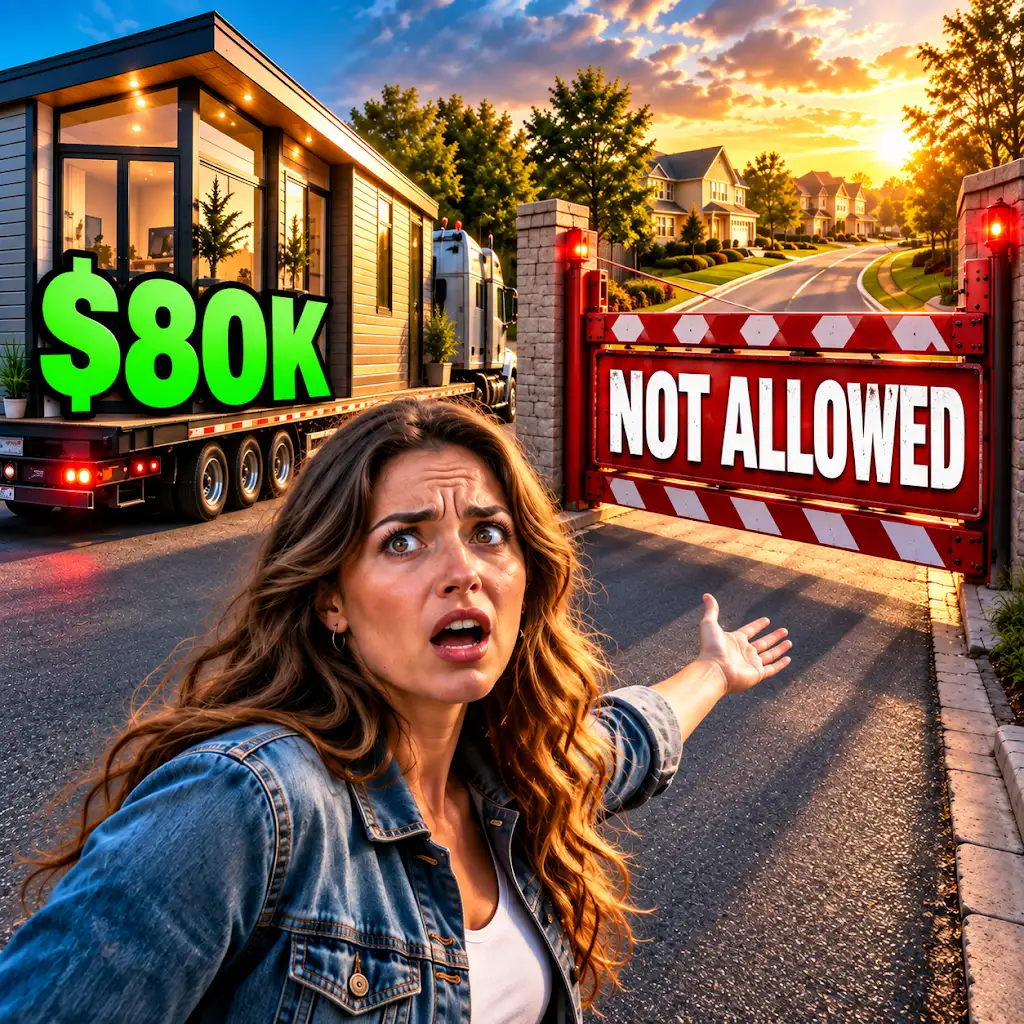
The $80,000 House You’re Not Allowed to Put Anywhere
FAQs
1. What are some of the challenges in building affordable housing?
Affordable housing faces challenges such as high land and construction costs, zoning restrictions, limited funding, and community opposition.
2. How do zoning restrictions impact the construction of affordable housing?
Zoning restrictions can limit the density of housing units that can be built on a piece of land, making it difficult to create enough affordable units to meet demand in certain areas.
3. Why is funding a major obstacle in building affordable housing?
Limited funding sources and subsidies for affordable housing projects make it challenging for developers to cover the high costs of construction and keep rental prices low.
4. What role does community opposition play in hindering affordable housing projects?
Community opposition can delay or block affordable housing developments due to concerns about property values, neighborhood aesthetics, and increased traffic or population density.
5. How do rising construction costs impact the affordability of housing projects?
Rising construction costs, including materials, labor, and regulatory compliance, can make it financially unfeasible for developers to build affordable housing without compromising on quality or affordability.