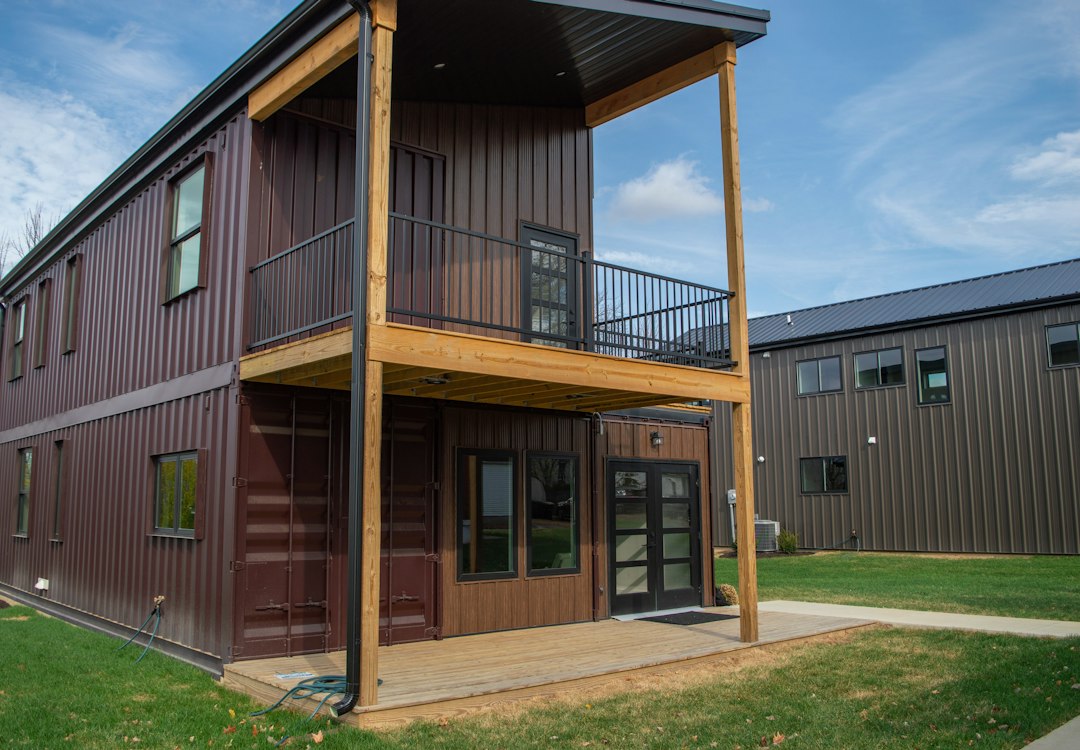
You’re standing there, staring at the glossy brochure, the one showcasing a sleek, modern home delivered straight to your plot of land. The headline whispers promises of affordability, speed, and a stress-free construction process. Prefab homes, they say, are the future, a smarter way to build. You’ve heard the buzz, seen the aspirational social media posts, and the idea of a turnkey solution is incredibly appealing. But then, a nagging question starts to form in the back of your mind: are they really cheaper? You’re about to discover that while prefab homes offer undeniable advantages, the narrative of them being inherently and universally cheaper than traditional site-built homes is often a misleading oversimplification.
The allure of prefabricated construction is undeniable. The concept of an entire house, or significant sections of it, being manufactured in a controlled factory environment before being transported and assembled on-site, seems like a recipe for cost savings. Think about it: reduced labor waste, bulk purchasing of materials by the manufacturer, and the elimination of weather delays. These are all valid points that contribute to the perceived affordability. However, as you delve deeper into the world of prefab, you’ll find that the initial sticker price rarely tells the whole story. There are numerous hidden costs, logistical challenges, and inherent complexities that can quickly erode any perceived savings, and in many cases, lead to a final price tag that rivals, or even surpasses, that of a custom-built home.
You might be picturing a “kit home” from decades past, a pile of lumber delivered with instructions. But modern prefab is a sophisticated industry, offering everything from modular homes, which are essentially complete sections of a house built in the factory, to panelized systems, where walls and roof sections are pre-built. The technology and design possibilities are vast, and so are the potential costs associated with them. You’re not just buying walls and a roof; you’re investing in a complete building system, and that system comes with its own set of economic realities.
Let’s unpack the often-misunderstood economics of prefabricated housing and understand why that initial attractive price can be a starting point, not the finish line, for your budget.
When you first engage with a prefab manufacturer, you’re often presented with a base price for a particular model. This price typically covers the manufactured components of your home – the modules, panels, or completed sections. It’s a tempting figure, especially when compared to the estimated costs of building a similar-sized home from scratch on-site. However, this base price is almost never the final cost of your home. You need to understand what’s included and, more importantly, what’s not.
What the Base Price Usually Covers
- Manufactured Components: This is the core of the price. It includes the pre-built walls, floors, roofs, and sometimes even interior finishes like cabinets and countertops, depending on the level of completion you opt for. The factory efficiently produces these elements, minimizing waste and maximizing assembly line speed.
- Factory Labor and Materials: The cost of the skilled labor involved in constructing the components in the factory, along with the raw materials, is factored into this price. Manufacturers benefit from bulk purchasing and standardized processes, which can lead to efficiencies.
- Basic Design and Engineering: The base price often includes the cost of the standardized design and the engineering required to ensure the structural integrity of the manufactured components.
The Significant Exclusions and Additional Costs
This is where the “cheaper” myth begins to unravel. The base price is merely the cost of the building blocks. You still need to get them to your site, put them together, and make them habitable.
- Foundation and Site Preparation: The prefab manufacturer is not responsible for your foundation. You will need to pay for excavation, concrete pouring, and any necessary site grading. This can be a significant expense, especially on sloped or challenging terrain.
- Transportation and Delivery: Moving large, prefabricated modules or panels from the factory to your build site is a complex and costly logistical operation. This involves specialized trucks, permits, escorts, and potentially crane services to lift the modules into place. The further your site is from the factory, the higher this cost will be.
- On-Site Assembly and Installation: While the factory builds the core components, there’s still considerable work to be done on-site. This includes connecting modules, sealing joints, installing roofing and siding (if not fully completed in the factory), and finishing the interior. You’ll need to hire contractors for this, adding to your labor costs.
- Utility Connections: Connecting your new home to water, sewer or septic systems, electricity, and gas is a separate and often substantial expense. These services need to be brought from the nearest access points to your house.
- Finishing Touches and Customizations: While some prefab homes offer a range of finishes, if you desire upgrades or specific customizations beyond the standard options, you’ll be paying a premium for them. This can include higher-end flooring, custom cabinetry, upgraded appliances, or specific architectural details.
- Permits and Inspections: You will still need to obtain building permits and undergo inspections from your local authorities, just as you would with a traditional home. These fees and the potential for delays can add to the overall cost and timeline.
- Land Costs: This is a crucial factor that applies to any home purchase, but it’s important to remember that the prefab price doesn’t include the land itself.
While many people assume that prefab homes are a more affordable housing option, the reality can be quite different. Factors such as land costs, transportation fees, and the complexity of assembly can drive up the overall price. For a deeper understanding of the financial implications of prefab homes, you can read a related article on this topic at How Wealth Grows. This article explores the various costs associated with prefab construction and provides insights into why these homes may not be as cost-effective as they initially appear.
The Hidden Costs of Transportation and Logistics
The journey of your prefabricated home from the factory to your doorstep is a critical and often underestimated cost factor. Imagine trying to maneuver a multi-ton, fully assembled module down a narrow country road or through a tight urban street. It’s not as simple as it sounds, and the expenses associated with this process can be substantial.
Specialized Transport and Equipment
- Heavy-Duty Trucks and Trailers: Prefabricated modules are large and heavy, requiring specialized, heavy-duty trucks and trailers for transport. These vehicles are expensive to operate and maintain, and their rental or purchase cost will be passed on to you.
- Route Planning and Permits: Manufacturers must meticulously plan the transportation route, often requiring extensive surveying to ensure clearances for height, width, and weight. This planning process involves significant administrative costs and the acquisition of numerous permits from various jurisdictions along the route.
- Escorts and Pilot Cars: To navigate public roads safely and legally, especially with oversized loads, pilot cars or escorts are often required to guide the truck and alert other drivers. The cost of hiring these services can add up quickly, especially for longer distances.
- Crane Rental: Once the modules arrive at your site, you’ll need a crane to lift them off the truck and place them onto the foundation. Crane rental is a significant expense, and the size and capacity of the crane required will depend on the weight and size of the modules.
- Road Closures and Traffic Management: In some cases, particularly in urban areas or for very large modules, temporary road closures and traffic management plans may be necessary, adding further complexity and cost.
Distance as a Cost Multiplier
- Factory Proximity: The single biggest factor influencing transportation costs is the distance between the prefab factory and your building site. The further you are, the higher the fuel costs, the longer the transit time, and the greater the likelihood of encountering logistical hurdles that incur additional expenses.
- Accessibility of Your Site: Even if your site is close to the factory, if it’s difficult to access with large trucks and cranes (e.g., steep driveways, narrow entrances, overhead power lines), the costs associated with clearing obstacles or using specialized equipment will increase.
Site-Specific Challenges and Their Financial Impact
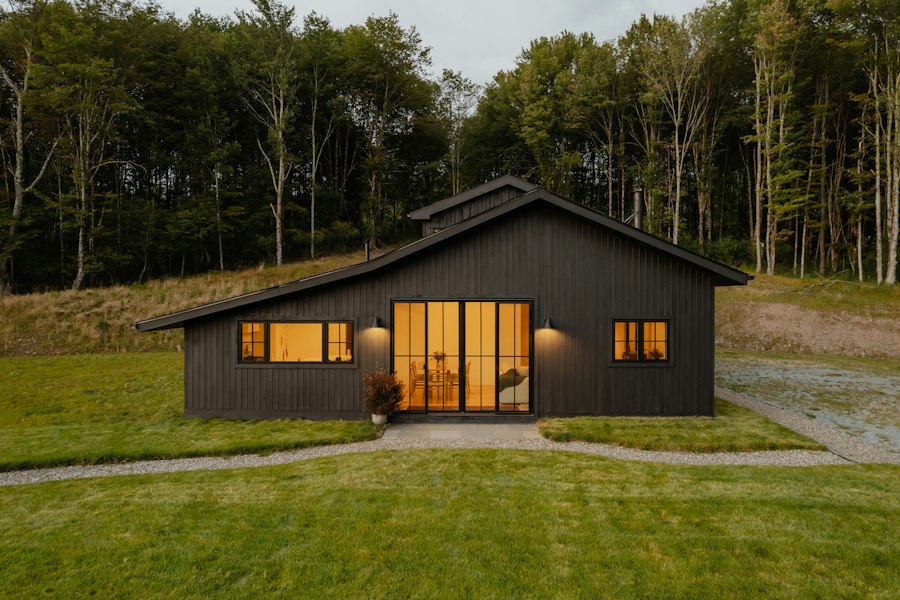
Your land is unique, and its characteristics will invariably influence the cost of building your prefab home. While the factory can standardize construction, your site demands its own bespoke solutions, and these solutions come at a price.
Foundation and Groundwork Costs
- Soil Conditions: Poor soil conditions, such as soft earth or a high water table, may require more extensive and expensive foundation work, including deeper footings, specialized soil stabilization, or even pilings.
- Sloped Terrain: Building on a slope requires more complex foundation designs, such as retaining walls or stepped foundations, which significantly increase excavation and concrete costs.
- Utilities Access: If your site is remote and lacks access to municipal water, sewer, and electricity, you’ll need to invest in costly solutions like wells, septic systems, and generator hookups or long extensions of existing lines.
- Clearing and Grading: You might need to clear trees, rocks, or debris from your building site and grade the land to ensure a level surface for the foundation. These tasks require heavy machinery and labor.
On-Site Modifications and Customizations
- Site-Specific Design Adjustments: Sometimes, the prefab modules need to be slightly modified on-site to accommodate unique site features or your specific preferences that weren’t factored into the initial factory order. These last-minute adjustments can be costly.
- Integration with Existing Structures: If you’re adding a prefab home to an existing property with other structures, integrating utilities, driveways, and landscaping can present unforeseen challenges and expenses.
- Aesthetics and Local Regulations: While prefab homes are manufactured to code, you might want to add exterior finishes or landscaping that blend with the local environment or comply with specific neighborhood covenants, adding to your overall budget.
The “Labor Isn’t Always Cheaper” Conundrum
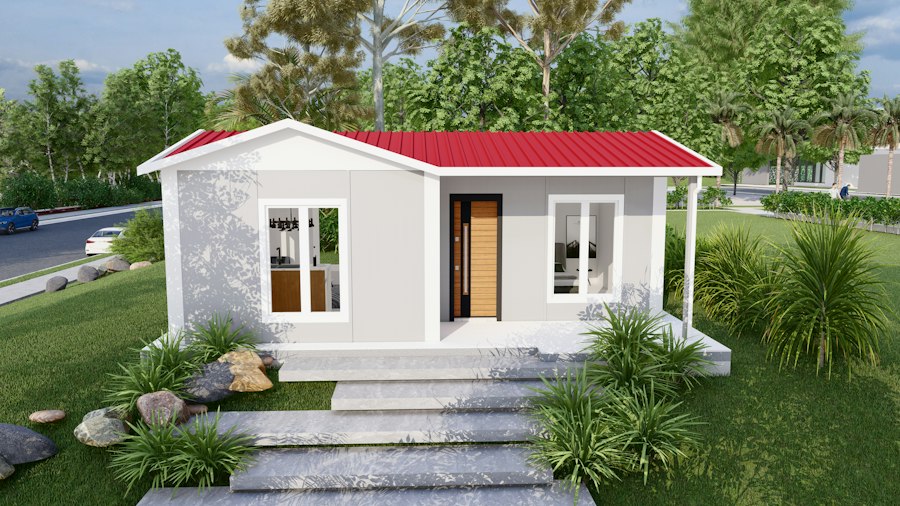
The factory assembly line is designed for efficiency, but the final stages of bringing your prefab home to life happen on your site. This is where the cost comparison with traditional building becomes more nuanced, and the perceived labor savings can evaporate.
On-Site Labor Requirements
- Skilled Trades for Assembly: While the bulk of the construction is done in the factory, skilled tradespeople are still essential for assembling the modules, connecting them, and completing the exterior and interior finishes. This includes carpenters, electricians, plumbers, and HVAC technicians.
- Coordination and Management: You or your appointed general contractor will need to manage these on-site crews, ensuring a smooth workflow and timely completion. This coordination itself has a cost, whether it’s your time or a professional fee.
- Contingency for Unforeseen Issues: On-site work is always subject to the vagaries of weather, unexpected site conditions, or errors during assembly. You’ll need to budget for these contingencies, which can drive up labor costs.
Comparing Labor Models
- Factory Efficiency vs. On-Site Realities: The factory benefits from controlled conditions and optimized workflows, leading to lower labor costs per unit of work. On-site labor, however, is exposed to the elements, potential delays, and the need for more adaptable problem-solving, which can be less efficient and thus more expensive per hour.
- Level of Prefabrication: The more complete the modules are when they arrive, the less on-site labor is needed. However, highly finished modules can be more expensive to transport due to their weight and bulk. This creates a trade-off between factory finishing and on-site labor costs.
- Local Labor Rates: The cost of skilled labor varies significantly by region. In areas with high construction costs, even the on-site assembly of a prefab home can be expensive, potentially negating any savings from factory production.
While many people assume that prefab homes are a more affordable housing option, the reality can be quite different. Factors such as transportation costs, land acquisition, and the need for specialized assembly can drive up the overall price. For a deeper understanding of the complexities involved in the pricing of prefab homes, you can read a related article that explores these issues in detail. This article highlights how various hidden costs can make prefab homes less economical than traditional construction methods. To learn more, check out this insightful piece here.
The “Hidden” Finishing Touches and Customization Costs
| Factor | Description | Impact on Cost | Example Metric |
|---|---|---|---|
| Transportation Costs | Shipping large prefab components to the building site can be expensive. | Increases overall cost | Up to 10-15% of total project cost |
| Customization | Custom designs reduce economies of scale and increase manufacturing complexity. | Increases cost | Custom options can add 5-20% to base price |
| Labor Costs | Skilled labor is still required for assembly and finishing on site. | Moderate cost | Labor can account for 20-30% of total cost |
| Material Quality | Higher quality materials used to meet building codes and durability standards. | Increases cost | Premium materials add 10-25% to cost |
| Regulatory Compliance | Permits, inspections, and code compliance add time and expense. | Increases cost | 5-10% of project budget |
| Limited Economies of Scale | Smaller production runs compared to traditional housing limit cost savings. | Increases cost | Cost per unit can be 10-30% higher than mass-produced homes |
| Site Preparation | Foundation and site work costs are similar to traditional homes. | No significant savings | Typically 15-20% of total cost |
The polished look of a prefab home in a brochure often masks the significant investment required to achieve those desirable finishes and any personalizations you desire. What appears standard might be a premium option, and making it truly yours can lead to a considerable increase in cost.
Beyond the Base Finishes
- Upgraded Interior Finishes: The base price might include builder-grade laminate countertops and basic vinyl flooring. If you dream of granite or quartz countertops, hardwood floors, or custom tile work, these upgrades will add significantly to your budget.
- High-End Appliances and Fixtures: Similarly, the included appliances and plumbing fixtures are often functional but not luxurious. Choosing premium brands and models for your kitchen and bathrooms will incur substantial additional costs.
- Custom Cabinetry and Millwork: While prefab homes often come with pre-built cabinets, if you desire custom designs, specific wood types, or intricate millwork, you’ll be looking at a considerable price increase.
- Exterior Enhancements: The standard exterior cladding might be vinyl siding. If you prefer brick, stone, or other premium materials, factor in the added cost of both the materials and their installation.
The Cost of Personalization
- Design Modifications: While some prefab manufacturers offer a degree of design flexibility, making significant changes to the floor plan or exterior elevation can be costly. These modifications often require re-engineering and adjustments to the manufacturing process.
- Specialty Windows and Doors: Upgrading from standard windows and doors to energy-efficient, custom-designed, or architectural styles can add a significant sum to your overall cost.
- Smart Home Technology and Integrated Systems: If you envision a technologically advanced home with integrated smart home systems, advanced HVAC, or specialized lighting, these features will likely be add-ons that escalate the price.
- Landscaping and Outdoor Living Spaces: The prefab home itself is only part of your property. You’ll still need to budget for landscaping, patios, decks, and any other outdoor amenities you desire, which can be substantial investments.
In conclusion, while the concept of a prefabricated home is attractive and offers undeniable efficiencies in its manufacturing process, the notion that they are always cheaper than traditional site-built homes is a misconception. You’re not just buying a house; you’re buying a complex system of components, logistics, and on-site integration. By understanding the various cost components – from transportation and site preparation to finishing touches and unforeseen challenges – you can approach the decision of purchasing a prefab home with realistic expectations and a well-informed budget. The true cost of a prefab home lies not just in the factory price tag, but in the comprehensive journey from inception to inhabitation.
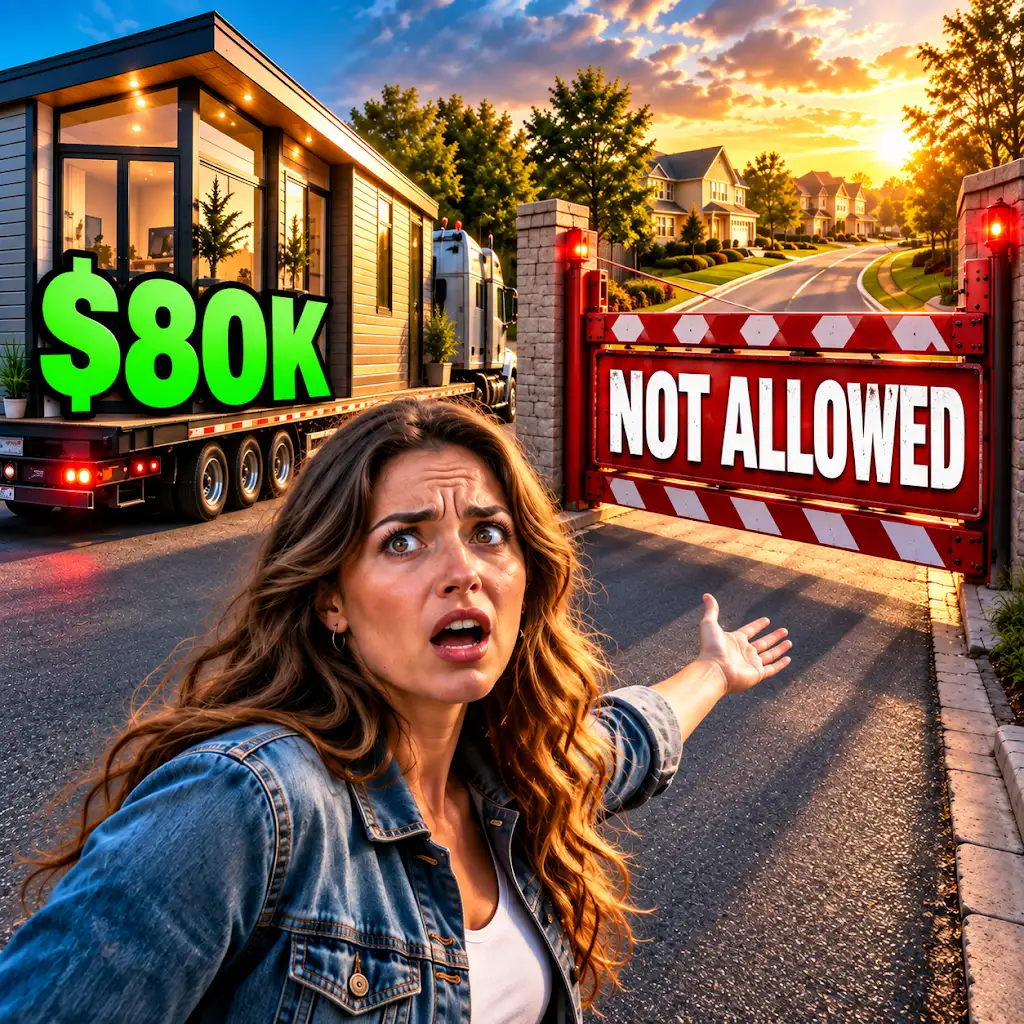
The $80,000 House You’re Not Allowed to Put Anywhere
FAQs
1. Are prefab homes cheaper than traditional homes?
No, prefab homes are not necessarily cheaper than traditional homes. While prefab homes may have lower upfront costs due to streamlined construction processes, they can end up being more expensive when factoring in additional costs such as land, permits, site preparation, and customization.
2. What factors contribute to prefab homes not being cheaper?
Several factors contribute to prefab homes not being cheaper, including transportation costs for delivering the modules to the site, assembly costs, customization expenses, foundation and site work, permits, and utility connections. These additional costs can offset any initial savings from the prefabricated construction process.
3. Do prefab homes require additional expenses compared to traditional homes?
Yes, prefab homes often require additional expenses compared to traditional homes. In addition to the base cost of the prefab modules, homeowners may need to budget for site preparation, foundation work, utility connections, permits, customization, and any unforeseen costs that may arise during the construction process.
4. Are there any cost-saving benefits to prefab homes?
While prefab homes may not always be cheaper than traditional homes, there are some potential cost-saving benefits. Prefab homes can be constructed more quickly than traditional homes, which can save on labor costs and reduce the amount of time homeowners spend on temporary housing during construction. Additionally, the controlled factory environment of prefab construction can lead to fewer material waste and more efficient use of resources.
5. What should homeowners consider when evaluating the cost of prefab homes?
Homeowners should consider the total cost of owning a prefab home, including not just the initial purchase price but also additional expenses such as site preparation, permits, customization, utility connections, and ongoing maintenance costs. It is important to carefully evaluate all potential costs and compare them to the benefits of prefab construction before deciding if a prefab home is the right choice.