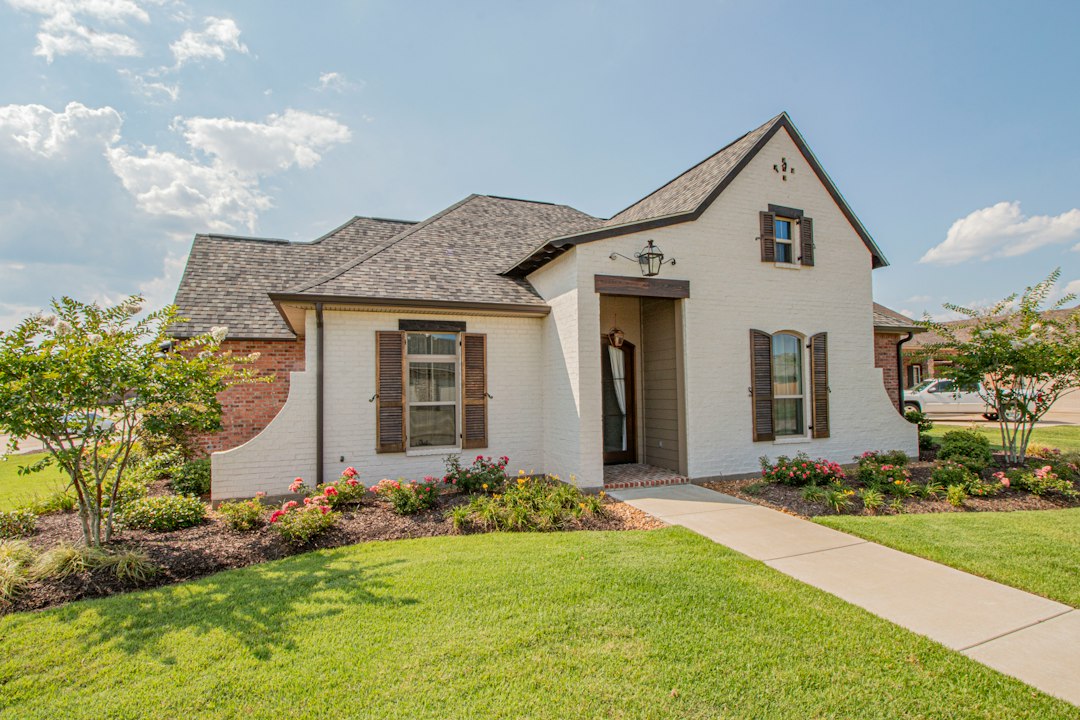
You’re looking to buy, aren’t you? That’s the big question buzzing in your head, the one that keeps you up at night poring over listings and calculating budgets. You see them everywhere – gleaming, sterile houses for sale, promising a future, a blank canvas for your dreams. But the word “house” can feel a bit… uninspiring. It’s a structure, a collection of rooms, a financial transaction. What you truly crave, what your heart aches for, is a home. A place that wraps you in comfort, where memories are made, and where you can truly be yourself.
But before you can even begin to imagine the scent of your morning coffee brewing in your own kitchen or the joy of hosting friends around your dining table, there’s a stark reality you must confront: the price. The cost of a house is a concrete number, a tangible barrier between you and the abstract concept of home. And the comparison between these two isn’t just about the brick and mortar; it’s about the value you place on that intangible feeling, the emotional investment you’re willing to make, and ultimately, the financial reality of achieving your domestic bliss. This article is your guide, your flashlight in the often-confusing labyrinth of property pricing, helping you understand the nuances of comparing the price of a house versus the price of a home.
When you first encounter a property, what are you seeing? You’re seeing a house. It’s the physical entity – the number of bedrooms, the square footage, the lot size, the architectural style, the materials used in its construction. This is where the initial price tag is rooted. Real estate agents, appraisers, and market analyses all operate within the realm of the house. They look at comparable sales in the area, factor in renovation costs, and consider the current market demand for that particular type of structure.
Understanding the Tangible Metrics of a House
- ### Location, Location, Location (The Foundation of Price)
This isn’t just a cliché; it’s the bedrock of property valuation. A house in a desirable neighborhood, with good schools, low crime rates, and convenient access to amenities, will inherently command a higher price. The proximity to public transportation, parks, and shopping centers all contribute to the “house” price. You’re not just buying the building; you’re buying into the lifestyle and opportunities that the location offers.
- ### Size and Layout: The Blueprint of Your Investment
The sheer physical dimensions of a house play a significant role. A sprawling mansion will naturally cost more than a cozy bungalow, all other factors being equal. The number of bedrooms, bathrooms, the presence of a dedicated home office, a finished basement, or an open-concept living area all contribute to the perceived value and therefore the price of the house.
- ### Condition and Age: The Wear and Tear Factor
A newly constructed house with modern finishes and no immediate maintenance needs will be priced differently than an older home that requires significant repairs or renovations. The age of the roof, the plumbing, the electrical system, and the foundation are all critical components that directly impact the house‘s market value. You’re paying for the lack of immediate financial burdens associated with these essential elements.
- ### Features and Amenities: The Bells and Whistles
Does the house boast a gourmet kitchen, a luxurious master suite, a finished basement with a home theater, a swimming pool, or extensive landscaping? These desirable features increase the attractiveness and, consequently, the price of the house. They are tangible additions that enhance the functionality and aesthetic appeal of the property.
Now, let’s pivot to the concept of a “home.” A home is more than just the sum of its physical parts. It’s the feeling you get when you walk through the door, the sense of belonging, the peace of mind, and the potential for creating lasting memories. This is where the intangible value comes into play, and it’s this emotional premium that often distinguishes a mere house from your dream home.
The Intangible Emotional Premium of a Home
- ### The “Gut Feeling”: When a House Clicks
You’ve probably heard people talk about that moment when they “just knew” a house was the one. This is the feeling of a home. It’s an emotional resonance that transcends the practical. Perhaps it’s the way the light streams through a particular window, the cozy nook that feels perfect for reading, or the backyard that sparks your imagination for summer barbecues. This emotional connection is priceless, but it can influence your willingness to stretch your budget.
- ### The Vision of a Future: Building a Life Within the Walls
A home is where you envision your life unfolding. It’s where you see yourself raising a family, celebrating milestones, and finding solace after a long day. This aspirational element adds a layer of value that isn’t reflected in any appraisal. You’re not just buying a house; you’re investing in a future, a lifestyle, and a sense of belonging.
- ### Personalization and Potential: Making it Your Own
While a perfectly renovated house might be attractive, a home often involves a degree of personalization. The potential to paint the walls your favorite color, to create a garden that reflects your taste, or to design a space that perfectly suits your needs adds immense value to the concept of home. This ability to infuse your personality into the space is a crucial component of it becoming a home.
- ### The “Feel-Good” Factor: Comfort and Security
A home is a sanctuary. It’s a place where you feel safe, secure, and at ease. This feeling of comfort and well-being is immeasurable. You might be willing to pay a little more for a house that emanates this sense of peace, knowing that the emotional return on investment will be significant.
When considering the nuances between the price of a house and the price of a home, it’s essential to explore various factors that contribute to these differences. For a deeper understanding of how these prices can vary based on location, amenities, and market trends, you can read a related article that delves into the intricacies of real estate valuation. Check it out here: How Wealth Grows.
Price Comparison: The Visible and Invisible Costs
When you’re comparing the price of a house versus a home, you need to look beyond the initial asking price. There are both visible and invisible costs associated with each, and understanding these can significantly impact your decision-making process.
The Visible Costs: Beyond the Sticker Price
- ### The Mortgage and Interest: The Long-Term Financial Commitment
The most significant visible cost is, of course, the mortgage. The interest you pay over the life of the loan can often exceed the original purchase price of the house. This is a direct financial burden that needs careful consideration. A slightly higher priced house that requires a smaller mortgage might, in the long run, be more financially viable than a cheaper house that needs extensive renovations, pushing your overall loan amount higher.
- ### Property Taxes and Insurance: Ongoing Financial Obligations
These are non-negotiable costs that you’ll incur for as long as you own the property. Property taxes are usually based on the assessed value of the house, while insurance costs can vary depending on factors like location, age of the house, and flood or fire risk. A more expensive house in a higher tax bracket will naturally have higher ongoing costs.
- ### Utilities and Maintenance: The Price of Keeping It Running
From electricity and water to gas and internet, the cost of keeping a house functional is a continuous expense. Moreover, wear and tear are inevitable. You’ll need to budget for regular maintenance, repairs, and potential replacements of appliances, HVAC systems, or even the roof. A larger house generally incurs higher utility bills and requires more extensive maintenance.
The Invisible Costs: The Price of Emotion and Compromise
- ### Renovation and Customization Costs: Bridging the Gap from House to Home
If you buy a house that isn’t quite a home yet, you’ll likely incur renovation costs to make it so. This could range from cosmetic updates like painting and new flooring to more significant structural changes. These costs can be substantial and unpredictable, adding a significant layer to the overall price of transforming a house into your home.
- ### The “Convenience Premium”: Paying for Proximity and Ease
Sometimes, you might pay a premium for a house that is conveniently located close to your work, family, or preferred amenities. This “convenience premium” is an invisible cost in that it’s not a direct expenditure on the property itself but rather a price paid for the lifestyle and time-saving benefits the location offers. You’re paying for the ease of living that contributes to your sense of home.
- ### The Opportunity Cost: What Else Could You Be Doing with That Money?
Every dollar spent on a house is a dollar that cannot be spent elsewhere. This is the opportunity cost. Could that money be invested, used for travel, or saved for retirement? While the desire for a home is strong, it’s crucial to consider the broader financial picture and the potential sacrifices you might be making.
- ### The Emotional Toll of Compromise: When a House Isn’t Quite Right
Sometimes, to stay within budget, you might have to compromise on certain features or aspects of a house. This compromise can lead to a subtle sense of dissatisfaction, a feeling that it’s “good enough” but not quite home. The emotional toll of living in a space that doesn’t fully meet your needs or desires can be a significant, albeit invisible, cost.
Factors Influencing Price: Beyond the Obvious Comparisons

When you’re comparing the price of a house to the abstract concept of a home, several factors come into play that go beyond simple square footage and number of bedrooms. These external influences can significantly inflate or deflate the perceived value and, consequently, the actual price.
The Economic Climate: The Macroeconomic Hand
- ### Interest Rate Fluctuations: The Cost of Borrowing
The prevailing interest rates at the time of purchase have a profound impact on your monthly mortgage payments and the overall cost of the house. Lower interest rates make mortgages more affordable, potentially allowing you to afford a more expensive house or simply reducing the financial burden. Conversely, higher interest rates can push the price of a desired home out of reach.
- ### Inflation and the Cost of Building Materials: The Price of Creation
When inflation is high, the cost of raw materials like lumber, steel, and concrete increases. This directly impacts the cost of building new homes and can also drive up the price of existing homes as renovations become more expensive. This affects the fundamental “house” price, making it a more significant investment regardless of your emotional attachment.
- ### Job Market Stability and Economic Growth: The Confidence Factor
A strong and stable job market instills confidence in buyers, encouraging them to make large financial commitments like purchasing a house. Economic growth generally leads to increased demand for housing, pushing prices up. Conversely, economic downturns and job insecurity can lead to a decrease in demand and potentially lower housing prices. This influences your ability to secure financing and your overall confidence in making such a significant purchase.
Market Dynamics: The Supply and Demand Equation
- ### Buyer’s Market vs. Seller’s Market: Who Holds the Reins?
In a seller’s market, demand for houses outstrips supply, leading to bidding wars and higher prices. You might have to pay a premium to secure a desirable home. In a buyer’s market, there are more houses available than interested buyers, giving you more negotiation power and potentially allowing you to acquire a property for less. This directly impacts the price you will pay for a house.
- ### Local Development and Infrastructure Projects: The Future Value Proposition
The presence of new commercial developments, improved public transportation, or planned infrastructure projects in an area can significantly increase the future value of houses. These improvements make the location more desirable, attracting more buyers and driving up prices. You’re essentially paying for the anticipated growth and enhanced quality of life that these developments promise, which contributes to the idea of a thriving home.
- ### Neighborhood Trends and Gentrification: The Shifting Landscape of desirability
As neighborhoods evolve, their desirability can change. Gentrification, for instance, can lead to increased investment, improved amenities, and a subsequent rise in property values. A house in a rapidly gentrifying area might command a higher price due to its potential for future appreciation, making it an attractive investment for those looking to establish a home in a developing community.
Budgeting for Your Dream Home: A Realistic Price Comparison
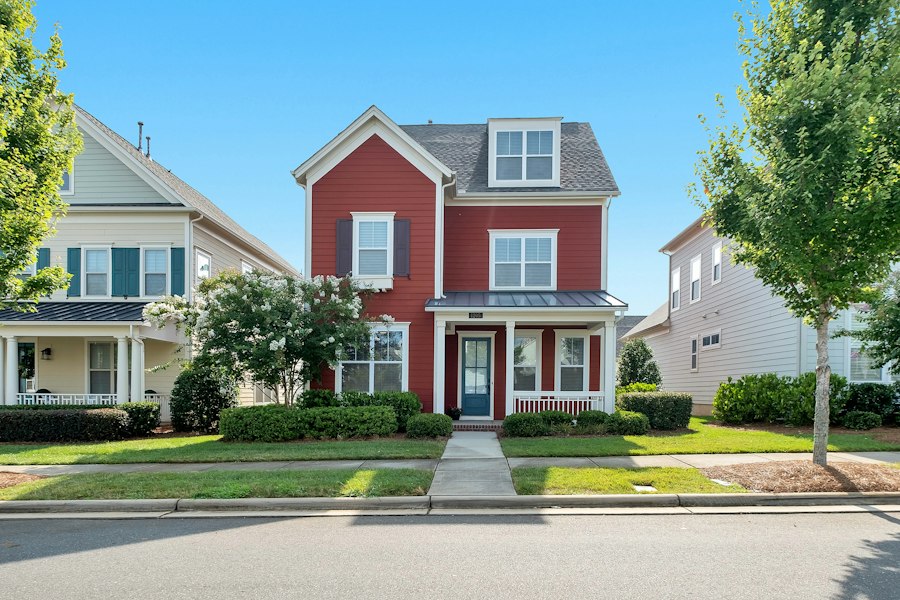
The journey from a house to a home is often paved with financial planning. Understanding your budget realistically is the first and most crucial step in comparing prices and making informed decisions.
Assessing Your Financial Health: The Foundation of Your Budget
- ### Down Payment Capacity: The Initial Investment
The size of your down payment significantly impacts the amount you need to borrow and, consequently, your monthly mortgage payments. Saving a substantial down payment can reduce your overall interest payments and may even allow you to avoid private mortgage insurance (PMI). This is a direct factor in the initial price you can afford for a house.
- ### Credit Score and Loan Eligibility: Your Financial Passport
Your credit score plays a pivotal role in determining your eligibility for a mortgage and the interest rate you’ll be offered. A good credit score can unlock more favorable loan terms, potentially allowing you to afford a more desirable house or secure a better rate on a slightly more expensive one, making the transition to home more manageable.
- ### Debt-to-Income Ratio (DTI): A Lender’s Key Metric
Lenders use your DTI to assess your ability to manage monthly payments. A lower DTI indicates a lower risk for lenders, making it easier to secure a mortgage. Understanding your DTI is crucial for determining how much house you can realistically afford. This directly influences the price range you should be considering for your home.
Beyond the Mortgage: Factoring in All the Costs
- ### Closing Costs: The Hidden Fees of Property Transfer
These are a collection of fees and expenses that you’ll pay at the closing of your real estate transaction. They can include appraisal fees, title insurance, escrow fees, loan origination fees, and more. Closing costs can add up to a significant percentage of the purchase price and need to be factored into your overall budget for acquiring your home.
- ### Moving Expenses: The Logistics of Relocation
Don’t forget the cost of physically moving your belongings. This can include hiring movers, renting a truck, packing supplies, and any associated travel expenses. These are practical costs that are incurred when you transition from one house to another, preparing to make it a home.
- ### Emergency Fund: The Safety Net for the Unexpected
It’s wise to have an emergency fund in place after purchasing a house. This fund can cover unexpected repairs, job loss, or other unforeseen expenses. Having a financial cushion provides peace of mind and ensures that minor setbacks don’t derail your dream of a stable home.
When considering the differences between the price of a house and the price of a home, it’s essential to understand the emotional and financial implications of each. A house typically refers to the physical structure, while a home embodies the feelings and memories created within that space. For a deeper exploration of this topic, you can read more in this insightful article about the nuances of homeownership and its impact on wealth at How Wealth Grows. Understanding these distinctions can help potential buyers make more informed decisions in today’s real estate market.
Making the “House” a “Home”: The Price of Transformation
| Metric | Price of a House | Price of a Home |
|---|---|---|
| Definition | Cost to purchase a physical building and land | Cost to purchase a dwelling including emotional and lifestyle value |
| Average Cost (2024, US) | 350,000 | 375,000 |
| Includes Land Value | Yes | Yes |
| Emotional Value Considered | No | Yes |
| Market Influences | Location, size, condition | Location, size, condition, neighborhood, community |
| Typical Use | Investment, asset | Living space, family, comfort |
Once you’ve navigated the complexities of purchasing a house, the real journey of transforming it into a home often begins. This is where the intangible value starts to manifest, but it also comes with its own set of tangible costs.
The Renovation Equation: From Functional to Fabulous
- ### Cosmetic Updates: Painting, Flooring, and Fixtures
These are often the most affordable ways to inject your personality into a house and make it feel more like a home. Fresh paint, new flooring, and updated light fixtures can dramatically change the ambiance of a space without breaking the bank.
- ### Major Renovations: Kitchens, Bathrooms, and Additions
These are the more significant investments that can truly elevate a house into a dream home. A modern, functional kitchen or a luxurious master bathroom can significantly increase your enjoyment of the space and also add value to the property. Additions, such as a new bedroom or a home office, are larger projects with a commensurately higher price tag.
- ### Landscaping and Outdoor Spaces: The Extension of Your Living Area
The exterior of your property contributes to the overall feeling of a home. Investing in landscaping, creating a patio or deck, or even building an outdoor kitchen can extend your living space and enhance your quality of life. These elements contribute to the overall desirability and enjoyment of your home.
The Emotional Investment: The Priceless Touches
- ### Furnishing and Decorating: Creating Your Personal Sanctuary
The furniture you choose, the art you hang, and the decorative elements you incorporate all contribute to the unique character of your home. This is where your personal style truly shines, and while there are financial costs associated with furnishing, the emotional satisfaction of creating a space that reflects you is invaluable.
- ### Creating Memories: The True Price of Home
Ultimately, the most significant value of a home lies in the memories you create within its walls. The laughter of children, the warmth of family gatherings, the quiet moments of reflection – these are the experiences that truly make a house a home. While these memories are priceless, they are built upon the foundation of the house you’ve chosen and the effort you’ve put into making it your own.
In conclusion, the price comparison between a house and a home is not a simple mathematical equation. It’s a delicate balance between tangible financial considerations and the immeasurable value of emotional connection, personal expression, and the promise of a future filled with cherished memories. You’re not just buying bricks and mortar; you’re investing in a feeling, a lifestyle, and the very essence of what it means to belong. By understanding the multifaceted costs involved, both visible and invisible, you can embark on your journey to finding not just a house, but the home that truly calls to you.

The $80,000 House You’re Not Allowed to Put Anywhere
FAQs
What is the difference between the price of a house and the price of a home?
The price of a house refers to the cost of the physical structure itself, while the price of a home includes the emotional value and personal attachment that the buyer associates with the property.
What factors contribute to the price of a house?
Factors that contribute to the price of a house include location, size, condition, amenities, market demand, and the overall real estate market trends.
What factors contribute to the price of a home?
Factors that contribute to the price of a home include the buyer’s emotional connection to the property, personal memories associated with the home, neighborhood appeal, and the overall feeling of comfort and security the property provides.
Can the price of a house and the price of a home be different?
Yes, the price of a house and the price of a home can be different. A house may have a certain market value based on its physical attributes, but the emotional value that a buyer places on it can significantly impact the overall price of the home.
How can buyers determine the price of a house and the price of a home?
Buyers can determine the price of a house by conducting a comparative market analysis, considering the property’s features, and assessing current market conditions. To determine the price of a home, buyers should also factor in their emotional connection to the property and how it aligns with their personal preferences and lifestyle.