
The once-ubiquitous “R” in its familiar red cursive emblazoned on storefronts worldwide, Toys “R” Us, a titan of the toy retail industry for decades, experienced a seismic shift with its Chapter 11 bankruptcy filings. This legal maneuver, designed to allow companies to restructure their debts and operations while continuing to do business, marked a profound turning point for the beloved brand, leaving many consumers and industry observers alike pondering its implications. Understanding the intricacies of this Chapter 11 filing is crucial to grasping the challenges faced by brick-and-mortar retail in the digital age, the complex interplay of debt and operational viability, and the lasting impact on the toy market.
The decision to file for Chapter 11 bankruptcy was not a sudden impulse but rather the culmination of years of mounting financial pressures. For Toys “R” Us, this process represented a desperate attempt to salvage the business, streamline its operations, and emerge as a more sustainable entity. This section will delve into the core reasons that precipitated this dramatic filing, exploring the financial landscape that led to this point.
The Weight of Debt: A Legacy of Leveraged Buyouts
A significant contributing factor to Toys “R” Us’s financial woes was the substantial debt burden incurred through private equity buyouts. In 2005, a consortium of private equity firms—Bain Capital, KKR, and Vornado Realty Trust—acquired Toys “R” Us for approximately $7.5 billion. This leveraged buyout (LBO) involved taking on significant debt, the servicing of which became a persistent drag on the company’s profitability. The interest payments alone consumed a substantial portion of its earnings, leaving less capital for reinvestment in crucial areas like store modernization, e-commerce development, and inventory management.
The Impact of Interest Payments
The sheer magnitude of the debt meant that a considerable portion of Toys “R” Us’s revenue was diverted to debt holders. This financial obligation hindered its ability to compete effectively with more agile rivals who did not carry such a heavy debt load. Every dollar paid in interest was a dollar not spent on improving the customer experience, innovating product offerings, or adapting to evolving consumer trends.
The Role of Private Equity
While private equity firms aim to generate returns for their investors, the strategy employed in the Toys “R” Us buyout ultimately proved unsustainable. The focus on financial engineering and debt repayment often overshadowed the need for long-term operational health and market adaptation. The firms, having profited from the initial acquisition, eventually exited their investments, leaving the company with its debt intact, a common criticism leveled against some LBOs.
Shifting Retail Landscape: The Digital Disruption
The retail industry has undergone a profound transformation in the 21st century, largely driven by the rise of e-commerce. Toys “R” Us, despite its dominant presence in physical retail, struggled to adapt to this seismic shift. Its online presence, while existing, was not as robust or as seamlessly integrated as that of its digital-native competitors, most notably Amazon.
The Amazon Effect
Amazon emerged as a formidable competitor, offering convenience, a vast selection, and often lower prices. Consumers increasingly turned to online shopping for their toy needs, drawn by the ease of browsing and purchasing from their homes. Toys “R” Us’s brick-and-mortar model, once its greatest asset, became a liability as foot traffic dwindled and the cost of maintaining a large physical footprint became increasingly unsustainable.
The In-Store Experience Deficit
While Toys “R” Us attempted to create an engaging in-store experience with its iconic Geoffrey the Giraffe mascot and elaborate displays, it often fell short of the curated, personalized, and convenient experience offered online. The rise of experiential retail, where physical stores offered more than just transactions, also presented a challenge. Competitors began to integrate entertainment, workshops, and personalized services, while Toys “R” Us largely remained a transactional space.
Competition Intensifies: Beyond Amazon
The competitive landscape was not solely dominated by Amazon. Big-box retailers like Walmart and Target also offered toy sections, often at competitive price points and with the added convenience of one-stop shopping. Furthermore, specialty toy stores, while smaller in scale, could offer more curated selections and personalized customer service, appealing to a niche market.
Big-Box Retailers’ Advantage
Walmart and Target, with their massive scale and established supply chains, were able to offer toys at prices that were difficult for Toys “R” Us to match, especially when factoring in its higher overhead costs. Their ability to bundle toy purchases with groceries and other household necessities also provided a significant advantage.
The Rise of Specialty Toy Stores
While the overall trend was towards consolidation, niche specialty toy stores, focusing on educational toys, wooden toys, or specific age groups, found success by catering to discerning parents and gift-givers seeking unique or high-quality items. These smaller operations could be more agile in their inventory management and customer engagement.
In the context of Toys “R” Us filing for Chapter 11 bankruptcy, it’s important to understand the broader implications of such corporate restructuring. For a detailed analysis of the factors leading to this decision and its potential impact on the retail landscape, you can read a related article that delves into the intricacies of Chapter 11 and its effects on businesses. For more information, visit this article.
Navigating Chapter 11: The Restructuring Process
Chapter 11 bankruptcy is not an end to a company but a mechanism for reorganization. For Toys “R” Us, this meant a period of intense negotiation with creditors, strategic divestment, and a fundamental rethinking of its business model. This section will explore the typical steps involved in a Chapter 11 filing and how they applied to the toy retail giant.
The Automatic Stay: Halting Creditor Actions
Upon filing for Chapter 11, an automatic stay is immediately imposed. This legal injunction prevents creditors from taking any action to collect debts from the debtor without the court’s permission. For Toys “R” Us, this provided a much-needed respite, allowing the company to halt aggressive collection efforts and focus on developing a viable restructuring plan.
Protecting Assets from Seizure
The automatic stay was critical in preventing creditors from seizing assets, such as inventory or intellectual property, which would have further crippled the company’s operations. This breathing room was essential for the management team to assess the situation and formulate a path forward.
Negotiating with Stakeholders
With the automatic stay in place, Toys “R” Us could engage in constructive negotiations with its various stakeholders, including banks, bondholders, and suppliers. The goal was to reach agreements on how to manage its outstanding debts, whether through debt reduction, repayment over time, or other restructuring mechanisms.
Developing a Plan of Reorganization
The cornerstone of any Chapter 11 case is the Plan of Reorganization. This document outlines how the company intends to emerge from bankruptcy, typically involving a combination of debt restructuring, asset sales, and operational changes. For Toys “R” Us, this plan was ambitious and ultimately faced significant challenges.
Debt Reduction and Restructuring
A primary objective of the plan was to reduce the overwhelming debt load. This could involve negotiating with creditors to accept less than the full amount owed, converting debt to equity, or selling off assets to generate funds for repayment.
Operational Efficiency and Cost Cutting
The plan also typically includes measures to improve operational efficiency and reduce costs. This could involve closing underperforming stores, streamlining supply chains, reducing employee headcount, or renegotiating leases. For Toys “R” Us, a significant component of this was the closure of numerous physical stores, a painful but necessary step in shedding its legacy retail footprint.
Asset Sales and Divestitures
As part of the restructuring, companies often sell non-core assets or entire business units to generate cash and focus on their primary operations. Toys “R” Us engaged in significant asset sales, including its international operations and certain real estate holdings, to bolster its financial position.
Court Oversight and Creditor Approval
The Chapter 11 process is heavily scrutinized by the bankruptcy court. The Plan of Reorganization must be approved by the court and, importantly, by the creditors. This often involves complex negotiations and potential objections from various creditor classes.
The Role of the Bankruptcy Judge
The bankruptcy judge plays a critical role in overseeing the entire process, ensuring that the proceedings are fair and that the Plan of Reorganization adheres to legal requirements. The judge ultimately has the authority to confirm or reject the plan.
The Creditors’ Committee
In Chapter 11 cases, a creditors’ committee is typically formed to represent the interests of unsecured creditors. This committee plays a vital role in reviewing the proposed plan, negotiating with the debtor, and making recommendations to the court.
The Fallout and Consequences: What Happened to the Stores?
The Chapter 11 filing had a direct and dramatic impact on Toys “R” Us’s physical presence. The company’s strategy for emerging from bankruptcy involved a significant reduction in its store footprint, leading to widespread closures and job losses. This section will examine the consequences of the restructuring on its retail operations.
Mass Store Closures: A Painful Reality
The most visible consequence of the Chapter 11 filing was the decision to close a substantial number of Toys “R” Us stores. This was a necessary but heartbreaking step to align the company’s operational costs with its revenue-generating capacity. The iconic storefronts that had been a fixture in shopping malls and retail centers for decades began to disappear.
Impact on Employees
The store closures led to significant job losses for thousands of Toys “R” Us employees. This had a profound impact on individuals and communities, as a major employer in many areas ceased to exist. The loss of these jobs underscored the broader economic consequences of large-scale retail bankruptcies.
The Empty Shelves and Lingering Nostalgia
The sight of empty Toys “R” Us stores became a symbol of the changing retail landscape and the decline of traditional brick-and-mortar businesses. For many, these closures evoked a sense of nostalgia for childhood memories associated with shopping at the beloved toy store.
Shifting to an Omnichannel Model: The Online Imperative
While the physical stores were scaled back, Toys “R” Us recognized the imperative of a strong online presence. The restructuring efforts included a renewed focus on its e-commerce capabilities, aiming to compete more effectively in the digital marketplace.
Revamping the Website and Digital Strategy
The company sought to improve its website’s user experience, expand its online product selection, and integrate its online and in-store offerings (though the in-store presence was drastically reduced). This involved investments in technology, digital marketing, and logistics to support online sales.
The Challenge of Competing with E-commerce Giants
Despite these efforts, competing with established e-commerce giants like Amazon remained an uphill battle. The latter had a significant head start, established customer loyalty, and sophisticated logistics networks. Toys “R” Us faced the challenge of carving out a meaningful share of the online toy market.
The Fate of the Brand: A New Beginning?
Following the initial Chapter 11 filing and subsequent liquidation of its U.S. operations, the Toys “R” Us brand did not disappear entirely. There have been subsequent attempts to revive the brand in various forms, indicating its enduring appeal and the recognition of its brand equity.
International Operations and Licensing
While the U.S. operations largely ceased, some international Toys “R” Us stores continued to operate under different ownership structures or licensing agreements. This demonstrated the global appeal of the brand and its potential in different markets.
The Tru Kids Acquisition and Re-emergence
In recent years, the Toys “R” Us brand was acquired by Tru Kids, a company that aimed to relaunch the brand with a new strategy, including a flagship store and an online presence. These efforts represent a modern interpretation of the iconic toy retailer, attempting to blend nostalgic elements with contemporary retail trends.
The Legacy of Toys “R” Us: Lessons for the Retail Industry
The story of Toys “R” Us’s Chapter 11 filing and its subsequent struggles offers invaluable lessons for the broader retail industry. It highlights the challenges of adapting to technological advancements, managing debt, and understanding evolving consumer behavior. This section will explore the key takeaways from the toy giant’s journey.
The Enduring Power of Brand Recognition
Despite its financial difficulties, the Toys “R” Us brand remains deeply embedded in the collective consciousness. This demonstrates the enduring power of strong brand recognition, especially for products associated with childhood and positive memories. Even in its diminished state, the brand evokes a sense of familiarity and affection for many.
Nostalgia as a Marketing Tool
The emotional connection many consumers have with Toys “R” Us can be a powerful marketing tool. Future iterations of the brand will likely leverage this nostalgia, seeking to create a blend of familiar elements and new experiences that appeal to both older generations and younger consumers.
Building on Familiarity
The challenge for any revived brand is to capitalize on familiarity without appearing outdated. The success of a revived Toys “R” Us will depend on its ability to offer something new and relevant to today’s consumers while retaining the essence of what made it beloved in the first place.
The Perils of Debt in a Changing Market
The Toys “R” Us case serves as a stark reminder of the dangers of excessive debt, particularly in rapidly evolving industries. The financial burden incurred through leveraged buyouts left the company ill-equipped to invest in necessary transformations, ultimately contributing to its downfall.
The Importance of Financial Prudence
Retailers must maintain financial prudence, ensuring that debt levels are manageable and do not stifle investment in innovation and adaptation. A robust balance sheet provides the flexibility needed to navigate economic downturns and capitalize on new opportunities.
Strategic Debt Management
For companies that do carry debt, strategic management is crucial. This involves understanding the long-term implications of borrowing and ensuring that debt servicing does not compromise operational health or competitive positioning.
The Imperative of Digital Transformation
The rapid rise of e-commerce has fundamentally reshaped the retail landscape. Companies that fail to embrace digital transformation, including a strong online presence and seamless integration of online and offline channels, risk becoming obsolete.
Investing in Technology and E-commerce Infrastructure
Toys “R” Us’s struggles highlight the need for continuous investment in technology and e-commerce infrastructure. This includes not only building a functional website but also developing sophisticated logistics, data analytics capabilities, and effective digital marketing strategies.
Adapting to Changing Consumer Habits
Consumer shopping habits have irrevocably shifted towards online channels. Retailers must adapt to this by offering convenient online purchasing options, personalized digital experiences, and efficient fulfillment services, whether through direct shipping or click-and-collect options.
Toys R Us, a well-known name in the toy industry, filed for Chapter 11 bankruptcy in 2017, which marked a significant turning point for the company and the retail landscape. For those looking to understand the implications of this decision and the broader context of corporate restructuring, a related article provides valuable insights into the process and its effects on businesses. You can read more about this topic in the article linked here, which explains the intricacies of Chapter 11 and its impact on companies like Toys R Us. To explore this further, visit this informative article.
The Future of Toy Retail: Beyond the “R”
| Metric | Details |
|---|---|
| Filing Date | September 18, 2017 |
| Type of Bankruptcy | Chapter 11 (Reorganization) |
| Reason for Filing | Heavy debt load and declining sales |
| Number of Stores at Filing | Approximately 735 in the U.S. |
| Outcome | Liquidation of U.S. stores and closure of all locations |
| Impact on Employees | About 33,000 employees laid off |
| Post-Bankruptcy Brand Status | Brand acquired by Tru Kids Brands, focusing on online and international markets |
| Key Creditors | Major lenders and bondholders including Bain Capital, Vornado Realty Trust, and KKR |
| Duration of Chapter 11 Process | Approximately 3 months before liquidation decision |
The bankruptcy of Toys “R” Us, while a significant event, does not signal the end of the toy retail industry. Instead, it marks a period of evolution, with new players and business models emerging to meet the demands of today’s consumers. This section will look ahead at the future of toy retail in the wake of the Toys “R” Us saga.
The Rise of Direct-to-Consumer (DTC) Brands
A growing trend in the toy industry is the rise of direct-to-consumer (DTC) brands. These companies bypass traditional retail channels, selling their products directly to consumers online. This allows them to control their brand narrative, maintain higher profit margins, and build direct relationships with their customers.
Building Brand Loyalty Online
DTC brands often excel at building strong online communities and fostering brand loyalty through engaging content, personalized recommendations, and excellent customer service. This direct connection is a powerful advantage in today’s market.
Innovative Product Development
By cutting out intermediaries, DTC brands can often invest more in innovative product development and bring unique, specialized toys to market that might not have found a place in the broader retail landscape.
The Role of Experiential Retail and Niche Markets
While physical stores are undergoing transformation, there is still a place for engaging in-store experiences and catering to niche markets. The future of toy retail may involve more specialized stores that offer unique activities, educational components, or curated selections of toys.
Interactive and Educational Toy Stores
Stores that offer hands-on experiences, workshops, or educational play opportunities can draw in families seeking more than just a transaction. This focus on engagement can create a memorable customer experience that online shopping cannot replicate.
Catering to Specific Interests
Niche toy stores that cater to specific interests, such as STEM toys, art supplies, or collectible figures, can build a loyal customer base by offering specialized knowledge and a carefully curated product selection.
The Continued Dominance of Online Marketplaces
Online marketplaces, with their vast selection and convenience, will likely continue to dominate the toy retail landscape. However, even within these platforms, there is room for differentiation through strong branding, unique product offerings, and excellent customer service.
Leveraging Platform Strengths
Toy brands that can effectively leverage the reach and infrastructure of online marketplaces while maintaining their brand identity and customer relationships will be well-positioned for success.
The Importance of Online Visibility and Reputation
Building a strong online presence, managing customer reviews, and ensuring product visibility within these marketplaces are critical for success in the digital age.
In conclusion, the Chapter 11 bankruptcy of Toys “R” Us was a watershed moment, signifying the immense pressures faced by traditional brick-and-mortar retail in the face of digital disruption and mounting debt. Its story serves as a cautionary tale and a catalyst for innovation, pushing the toy industry, and retail in general, to adapt, evolve, and embrace new strategies for connecting with consumers in an ever-changing marketplace. The legacy of the familiar “R” endures, not just as a memory, but as a profound lesson in the resilience and adaptability required to thrive in the modern retail era.
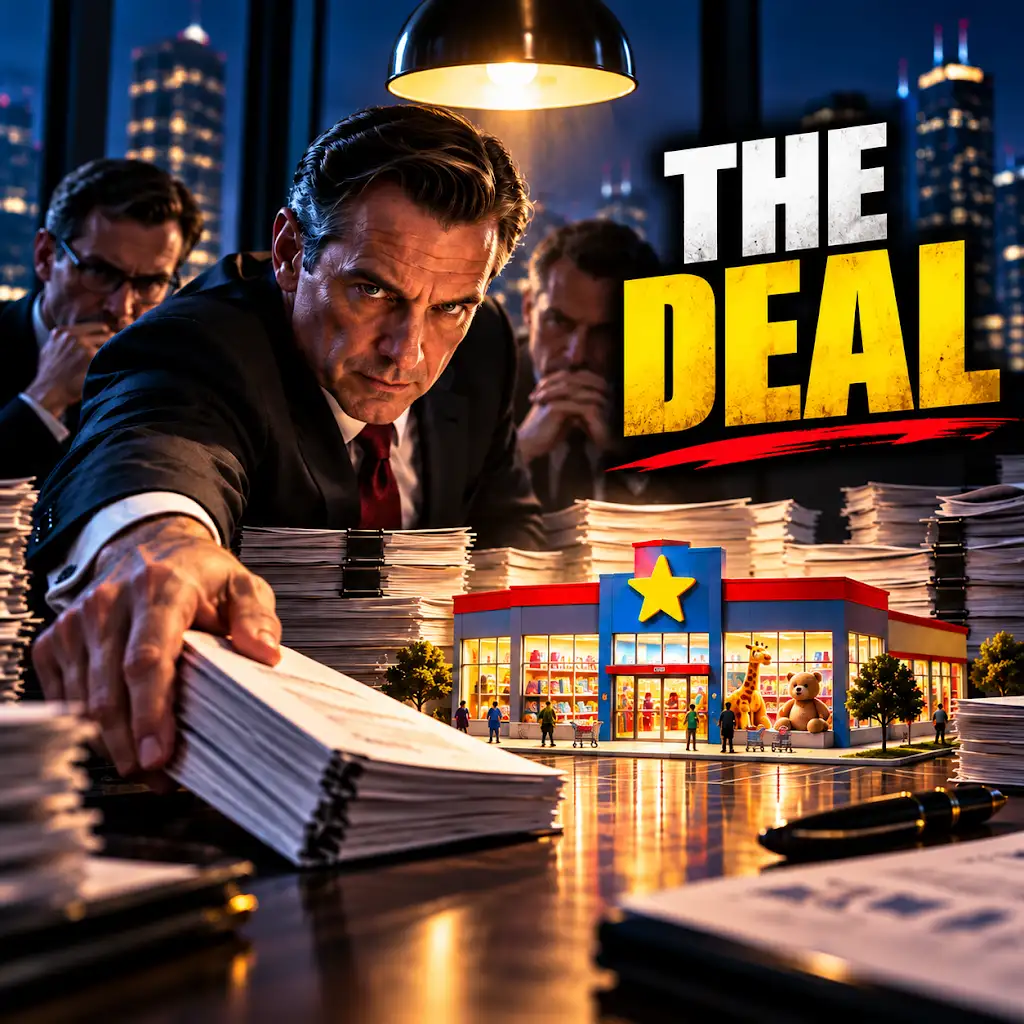
The $6.6 Billion Deal That Left Toys “R” Us Trapped
FAQs
What is Chapter 11 bankruptcy?
Chapter 11 bankruptcy is a legal process that allows a business to reorganize its debts and finances while continuing to operate. It provides the company with an opportunity to restructure and potentially emerge from bankruptcy as a stronger, more financially stable entity.
Why did Toys R Us file for Chapter 11 bankruptcy?
Toys R Us filed for Chapter 11 bankruptcy in September 2017 due to a combination of factors, including increased competition from online retailers, high levels of debt, and changing consumer preferences. The company struggled to adapt to the evolving retail landscape and faced challenges in maintaining its market share.
What does Chapter 11 bankruptcy mean for Toys R Us?
Chapter 11 bankruptcy allows Toys R Us to continue operating its stores while it develops a plan to restructure its debts and operations. The company can negotiate with creditors, close underperforming locations, and make other changes to improve its financial position. The goal is to emerge from bankruptcy as a more sustainable business.
Will Toys R Us stores close as a result of Chapter 11 bankruptcy?
As part of its restructuring efforts, Toys R Us announced plans to close a number of its stores in the United States. The exact number of closures and locations affected may vary depending on the outcome of negotiations with landlords and other stakeholders. The company aims to streamline its operations and focus on its most profitable stores.
What impact does Toys R Us’ Chapter 11 bankruptcy have on customers?
Customers may experience changes in the availability of products, store locations, and promotions as Toys R Us goes through the Chapter 11 bankruptcy process. However, the company intends to continue serving customers and fulfilling orders during this time. Customers with gift cards or loyalty rewards should check the company’s website or contact customer service for updates on how these programs will be affected.