
The bright, primary-colored aisles of Toys R Us once held an almost mythical status in the landscape of childhood. For generations, the towering giraffe mascot, Geoffrey, was a beacon of wonder, a promise of endless play and discovery. Families would embark on pilgrimages to these retail temples, navigating labyrinthine shelves overflowing with the latest action figures, dolls, board games, and puzzles. The sheer scale and selection were unparalleled, making Toys R Us the undisputed king of the toy kingdom. However, the reign of this retail titan has been far from unchallenged. In recent years, the toy industry has witnessed a seismic shift, with new contenders emerging from unexpected quarters and established giants adapting at an alarming pace. The once-unassailable position of Toys R Us has been steadily eroded, forcing it into a fierce battle for survival against a diverse array of retail competitors.
The landscape of retail, and by extension, the toy industry, has been irrevocably altered by the digital revolution. What began as a slow trickle of online shopping has evolved into a torrent, fundamentally changing how consumers discover, purchase, and experience goods. This shift has presented a formidable challenge to brick-and-mortar stores, and Toys R Us, despite its significant physical footprint, has found itself at the epicenter of this transformation. The convenience of online shopping, offering 24/7 access and doorstep delivery, has become a powerful draw, particularly for busy parents seeking to streamline their shopping experience.
The Amazonian Onslaught: Convenience and Unmatched Selection
Perhaps the most significant disruptor in the retail space has been Amazon. The e-commerce behemoth has systematically dismantled traditional retail models by offering an almost unfathomable breadth of products, competitive pricing, and a customer-centric approach that prioritizes speed and ease. For parents, a quick search on Amazon for a specific toy often yields a multitude of options from various sellers, complete with customer reviews and readily available shipping. This ease of access and the promise of finding virtually anything a child could desire, often at a lower price point than a specialized toy store, has made Amazon a default destination for many. The algorithm-driven recommendations, tailored to past purchases and browsing history, further enhance the perceived value of the online giant, creating a frictionless shopping journey. The absence of the need to physically visit a store, navigate crowds, or deal with stockouts has proven to be a powerful advantage.
The Rise of the Big Box: General Merchandise and One-Stop Shopping
Beyond the purely online realm, large general merchandise retailers have also carved out significant market share in the toy sector. Stores like Walmart and Target, with their expansive product offerings that encompass groceries, apparel, electronics, and home goods, present a compelling proposition for the modern consumer. The allure of the “one-stop shop” cannot be overstated. Parents can pick up a child’s birthday gift alongside their weekly groceries, maximizing their time and minimizing the need for multiple shopping trips. These retailers, while perhaps not offering the same depth of specialized toy knowledge or the immersive experience of a dedicated toy store, leverage their massive scale and purchasing power to offer competitive prices and a consistent presence in virtually every community. Their toy aisles, while sometimes less extensive than Toys R Us, are strategically placed and well-stocked, catering to the needs of impulse buyers and those seeking popular, trending items.
In the ever-evolving landscape of retail competition, Toys “R” Us has faced significant challenges from both online and brick-and-mortar competitors. A related article that delves into the strategies employed by various retailers to capture market share can be found at this link. This article provides insights into how traditional toy retailers are adapting to the digital age and the impact of e-commerce on their business models.
The Evolving Toy Landscape: From Traditional Play to Digital Dominance
The nature of play itself has also undergone a significant evolution, directly impacting the demand for different types of toys. While classic toys like building blocks and dolls still hold their appeal, the digital age has ushered in a new era of interactive and tech-driven playthings. This shift has presented both opportunities and challenges for traditional toy retailers.
The Tech Takeover: Video Games and Digital Entertainment
The omnipresence of smartphones, tablets, and video game consoles has fundamentally altered how children spend their leisure time. Video games, in particular, have become a dominant form of entertainment, offering immersive experiences and social interaction. This has diverted a significant portion of discretionary spending away from physical toys and towards digital entertainment. For retailers like Toys R Us, who historically focused on physical merchandise, this has meant a struggle to adapt to the growing demand for digital downloads, gaming consoles, and accessories. While they have made efforts to integrate these offerings, they often face stiff competition from specialized electronics retailers and online gaming platforms that are inherently more agile in this rapidly evolving space.
The Educational Toy Trend: STEM and Learning Through Play
In response to parental concerns about screen time and a growing emphasis on early childhood development, there has been a significant surge in the popularity of educational toys. Toys that promote Science, Technology, Engineering, and Mathematics (STEM) skills, along with those that foster critical thinking, problem-solving, and creativity, are increasingly sought after. This trend has created opportunities for niche retailers and online marketplaces that specialize in these types of educational offerings. While Toys R Us has a broad selection, it has had to compete with dedicated educational toy stores and online platforms that curate and market these learning-focused products with a more targeted approach. The ability to clearly articulate the educational benefits and align with curriculum standards is crucial in this segment, and some specialized retailers have excelled in this regard.
The Experiential Imperative: Creating Memories Beyond the Purchase
In a world where purchasing a product is often a few clicks away, brick-and-mortar retailers are increasingly recognizing the importance of offering an experience that transcends the transaction. The physical store needs to become more than just a place to buy things; it needs to be a destination that fosters engagement, sparks imagination, and creates lasting memories. This is an area where traditional toy stores, at their best, have always excelled, but it has also become a critical battleground for survival.
The In-Store Magic: Play Areas and Demonstrations
The most successful toy stores have long understood the power of creating an immersive and interactive environment. Play areas where children can test out toys, interactive demonstrations that showcase product features, and engaging events like character meet-and-greets or craft workshops can transform a shopping trip into an adventure. These experiences not only entertain children but also provide valuable opportunities for parents to observe their children’s engagement with different toys, influencing their purchasing decisions. Toys R Us, in its heyday, was a master of this, with its vast selection inviting exploration and discovery. However, maintaining and innovating these experiential elements requires significant investment and ongoing creativity, a challenge in the face of declining foot traffic and tightened budgets.
The Niche Delights: Specialty Stores and Curated Selections
In contrast to the mass-market appeal of big box retailers and the all-encompassing nature of online giants, a growing number of specialty toy stores have emerged, focusing on curated selections and unique offerings. These stores often cater to specific interests, such as wooden toys, educational games, collectible figures, or environmentally friendly products. Their strength lies in their deep knowledge of their chosen niche, their ability to offer personalized recommendations, and their commitment to sourcing unique and high-quality items that may not be readily available elsewhere. This focus on specialization allows them to build a loyal customer base that values their expertise and the distinctive nature of their inventory. They offer a respite from the overwhelming choice of larger retailers, providing a more focused and often more artisanal shopping experience.
The Pricing Wars: Value Proposition and Economic Pressures
In the retail industry, price is often a significant factor in consumer decision-making. The battle for market share is frequently waged on the battlefield of affordability, and toy retailers are no exception. The economic realities of running a brick-and-mortar store, coupled with the competitive pricing strategies of online and big box retailers, have created immense pressure on the pricing models of traditional toy stores.
The Discount Dilemma: Navigating Margins and Promotions
The constant pressure to offer competitive prices can create a difficult dilemma for toy retailers. While discounts and promotions are essential for attracting customers and driving sales, they can also significantly impact profit margins. Online retailers, with their lower overhead costs and optimized supply chains, are often able to offer deeper discounts, forcing traditional stores to either match these prices and risk financial strain or risk losing customers to more affordable alternatives. This delicate balancing act requires a keen understanding of consumer price sensitivity and a robust strategy for managing inventory and operational costs.
The Loyalty Factor: Building Relationships and Rewards
In an effort to combat the price-driven nature of the market, many retailers are investing in loyalty programs and customer relationship management strategies. These initiatives aim to reward repeat customers, foster a sense of community, and encourage customer retention beyond just transactional considerations. By offering exclusive discounts, early access to new products, or personalized recommendations, retailers can build stronger bonds with their customer base, making them less susceptible to the lure of lower prices elsewhere. The effectiveness of these programs often hinges on their perceived value and the ease with which customers can engage with them.
In the ever-evolving landscape of retail, Toys R Us faces significant competition from both online and brick-and-mortar stores, which has prompted many industry experts to analyze the factors contributing to its challenges. A related article discusses the broader implications of retail competition and how companies can adapt to changing consumer behaviors. For more insights on this topic, you can read the article here: retail competition. This analysis highlights the importance of innovation and strategic planning in maintaining a competitive edge in the toy industry.
The Future of Play: Adaptation and Innovation in a Dynamic Market
| Company | Market Share (%) | Annual Revenue (Billion) | Number of Stores | Online Sales Growth (%) | Customer Satisfaction Score (out of 10) |
|---|---|---|---|---|---|
| Toys “R” Us | 15 | 4.5 | 800 | 12 | 7.8 |
| Walmart | 25 | 20.0 | 5000 | 18 | 8.2 |
| Target | 18 | 10.5 | 1900 | 20 | 8.0 |
| Amazon | 30 | 50.0 | 0 (Online only) | 35 | 8.5 |
| Best Buy | 5 | 4.0 | 1000 | 15 | 7.5 |
The toy industry is a dynamic and ever-evolving landscape. The retailers who will thrive in this environment are those who are willing to adapt, innovate, and embrace change. The challenges are significant, but the opportunities for those who can tap into the changing needs and desires of families are equally compelling.
The Omnichannel Approach: Bridging the Physical and Digital Divide
The future of retail undoubtedly lies in an omnichannel approach, where the lines between physical and digital channels are blurred. This means integrating online and in-store experiences seamlessly, allowing customers to browse online and pick up in-store, or vice versa. It also involves leveraging digital tools to enhance the in-store experience, such as augmented reality applications that bring toys to life or personalized digital recommendations based on in-store interactions. For Toys R Us, and other traditional retailers, embracing this integrated strategy is no longer an option; it is a necessity for survival. The ability to offer a consistent and convenient brand experience across all touchpoints is paramount.
The Next Generation of Play: Embracing New Technologies and Trends
The toy industry is constantly being reshaped by technological advancements and emerging cultural trends. Retailers must remain attuned to these shifts, be it the rise of collectibles, the growing interest in sustainability, or the increasing demand for personalized and customizable products. Investing in research and development, fostering partnerships with innovative toy creators, and being willing to experiment with new product categories will be crucial for staying relevant. The ability to anticipate and cater to the “next big thing” in children’s play will be a key differentiator in the ongoing battle for the toy giants. The toy industry, much like childhood itself, is characterized by constant discovery and reinvention, and only those retailers who embrace this spirit will endure.
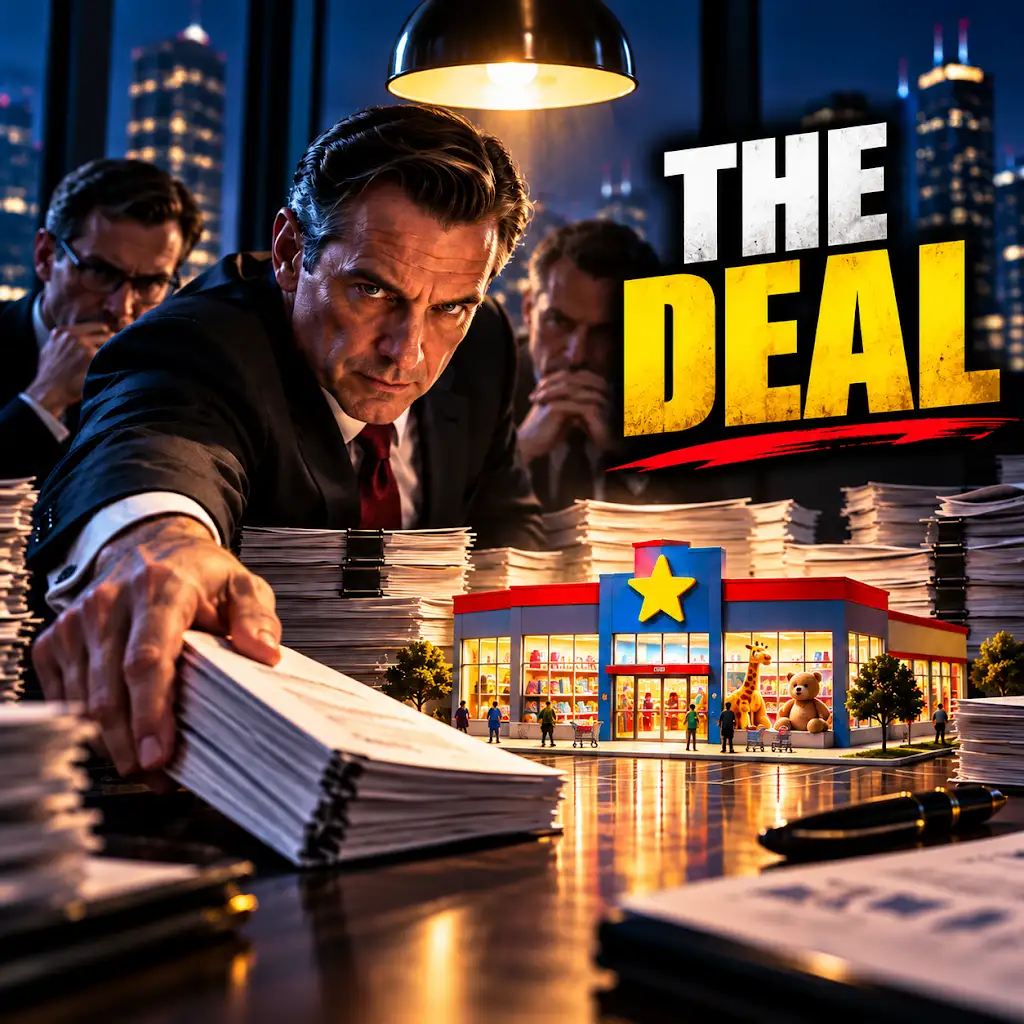
The $6.6 Billion Deal That Left Toys “R” Us Trapped
FAQs
What is the current state of retail competition for Toys R Us?
Toys R Us faces stiff competition from online retailers like Amazon, Walmart, and Target, as well as other brick-and-mortar toy stores such as The Disney Store and independent toy shops.
How has Toys R Us adapted to compete in the changing retail landscape?
Toys R Us has focused on enhancing its online presence, improving its in-store experience, and offering exclusive products to differentiate itself from competitors.
What are some challenges Toys R Us faces in the retail industry?
Toys R Us has struggled with high debt levels, changing consumer preferences, and the rise of e-commerce, which have all impacted its ability to compete effectively in the market.
How does Toys R Us plan to stay competitive in the future?
Toys R Us plans to revamp its stores, expand its online offerings, and strengthen its partnerships with toy manufacturers to stay relevant and competitive in the retail industry.
What are some key strategies Toys R Us can implement to stand out from its competitors?
Toys R Us can focus on providing exceptional customer service, offering unique and exclusive products, hosting in-store events, and creating a seamless omnichannel shopping experience to differentiate itself from competitors.