
The once-ubiquitous aisles, brimming with the vibrant promise of childhood joy, are now silent, echoing ghosts of a bygone era. Toys “R” Us, a name synonymous with playtime and cherished memories for generations, crumbled under the weight of its own business model, a stark testament to a spectacular and avoidable failure. Its demise wasn’t a sudden implosion, but rather a slow, agonizing decline, a series of missteps and an inability to adapt in a rapidly evolving retail landscape. The story of Toys “R” Us is a cautionary tale for businesses of all sizes, highlighting the critical importance of strategic vision, customer focus, and a willingness to embrace change, even when it feels uncomfortable.
The origins of Toys “R” Us are rooted in a simple, yet profound, understanding of children’s desires. Charles Lazarus, the visionary founder, initially opened a baby furniture store named Children’s Bargain Town in 1948. However, he soon recognized a burgeoning market for toys and, in 1957, pivoted, launching Toys “R” Us with a revolutionary concept: a supermarket-style toy store. This was a radical departure from the smaller, often more curated toy shops of the time. Lazarus envisioned a place where parents and children could immerse themselves in a vast sea of toys, a wonderland of plastic, plush, and imagination.
A Paradigm Shift in Toy Retail
The “R” Us model was groundbreaking. It offered an unprecedented selection, catering to every age and interest. Instead of waiting for a salesperson, customers could freely browse, pick up items, and experience the joy of discovery. This accessibility and abundance created an immediate appeal, and the company quickly expanded.
Early Successes and Dominance
The early decades of Toys “R” Us were characterized by remarkable growth and market dominance. The company became a cultural phenomenon, its iconic “I don’t wanna grow up, I’m a Toys “R” Us kid!” jingle becoming an anthem for childhood. Store locations proliferated, becoming destinations in themselves, often featuring elaborate displays and a palpable sense of excitement. The sheer scale of its operation allowed for significant purchasing power, enabling it to negotiate favorable terms with toy manufacturers and offer competitive prices. This created a virtuous cycle: more stores meant more customers, which meant more buying power, leading to even more competitive pricing, further solidifying its position as the undisputed king of the toy kingdom.
The business failure of Toys “R” Us has been a topic of significant discussion, highlighting the challenges faced by traditional retailers in the evolving market landscape. For a deeper understanding of the factors that contributed to this iconic brand’s decline, you can read a related article that explores the impact of e-commerce and changing consumer preferences on retail businesses. Check it out here: How Wealth Grows.
The Unfolding of Strategic Missteps: Seeds of Decline
Despite its seemingly unassailable position, the seeds of Toys “R” Us’s downfall were being sown, often through decisions that seemed logical at the time but ultimately proved detrimental. The company’s reliance on its established brick-and-mortar infrastructure, while once a strength, began to become a significant liability.
The Burden of Physical Retail
In an era where retail was increasingly shifting online, Toys “R” Us was slow to adapt. Its vast network of physical stores, once a source of immense strength, became a significant financial burden. Maintaining these large footprints, with their associated rent, utilities, and staffing costs, became increasingly unsustainable as foot traffic dwindled. The company’s investment in these physical assets meant less capital was available for crucial digital innovation.
Inadequate E-commerce Investment
While Toys “R” Us did eventually launch an online presence, it was often an afterthought, lacking the seamless user experience and robust functionality that online shoppers had come to expect. Competitors like Amazon, with their agile development and customer-centric approach to online retail, quickly surpassed them. The website often suffered from poor inventory management, slow loading times, and a general lack of integration with the in-store experience. This created a disjointed customer journey, frustrating shoppers who were increasingly accustomed to the convenience and efficiency of online shopping.
The Rise of Competition: A Shifting Battlefield
The retail landscape is rarely static, and Toys “R” Us faced increasing competition from various fronts, some of which it underestimated or failed to counter effectively. The emergence of new retail models and changing consumer habits posed significant challenges.
Big Box Retailers and Discount Chains
While Toys “R” Us was the king of dedicated toy stores, it faced intense competition from big-box retailers like Walmart and Target. These stores offered a wide variety of goods, including toys, at deeply discounted prices. They leveraged their massive scale and supply chain efficiencies to undercut Toys “R” Us on many popular items. For many parents, a single trip to Walmart or Target could fulfill multiple shopping needs, including toy purchases, making the dedicated toy store seem less appealing or necessary.
The Emergence of the Internet Giant: Amazon
The most formidable challenger, however, was Amazon. The online behemoth revolutionized e-commerce, offering unparalleled convenience, a vast selection, and competitive pricing. Amazon’s relentless focus on customer experience, its sophisticated recommendation algorithms, and its efficient delivery network made it increasingly difficult for brick-and-mortar retailers to compete. Toys “R” Us’s initial slow response to the burgeoning online market allowed Amazon to establish a dominant position, capturing a significant share of the toy market before Toys “R” Us could mount a serious challenge.
The Financial Quagmire: Debt and Divestiture
The financial decisions made by Toys “R” Us, particularly in the later stages of its existence, played a crucial role in its ultimate demise. A significant leveraged buyout significantly increased the company’s debt burden, making it even more vulnerable to market fluctuations.
The LBO and its Lingering Effects
In 2005, a private equity consortium, including KKR, Bain Capital, and Vornado Realty Trust, took Toys “R” Us private in a $6.6 billion leveraged buyout (LBO). While LBOs can sometimes revitalize struggling companies, this particular transaction saddled Toys “R” Us with a substantial amount of debt. The annual interest payments alone consumed a significant portion of the company’s cash flow, leaving less capital for essential investments in technology, store modernization, and competitive pricing strategies. This debt became a perpetual anchor, hindering its ability to adapt and innovate.
Interest Payments as a Drag
The constant drain of servicing this debt meant that Toys “R” Us was perpetually playing catch-up. Instead of reinvesting profits to improve the customer experience or develop a stronger online presence, a substantial portion of its earnings was diverted to debt holders. This created a vicious cycle where the company was forced to cut costs, often at the expense of customer service and product offering, further alienating shoppers. The LBO, intended to unlock value, ultimately suffocated the company’s growth potential and masked underlying operational issues.
Divestiture of Key Assets
In an effort to alleviate its financial pressures, Toys “R” Us made the strategic decision to sell off its most profitable and valuable division: Toys “R” Us Kids “R” Us. This was a critical error. The baby products segment was a consistent revenue generator and a key differentiator for the brand.
The Sale of Babies “R” Us
The sale of Babies “R” Us in 2001 to a private equity firm was a shortsighted decision driven by immediate financial need. While it provided a cash infusion, it removed a significant and profitable revenue stream. This segment had a loyal customer base and was less susceptible to the intense competition faced in the broader toy market. By divesting this asset, Toys “R” Us weakened its overall financial standing and diminished its ability to compete in the long run. It was akin to a homeowner selling off a valuable rental property to cover short-term mortgage payments – a move that might offer temporary relief but weakens long-term financial security.
The Failure to Innovate: Stagnation in a Dynamic Market
Perhaps the most damning indictment of Toys “R” Us’s failure lies in its inability or unwillingness to innovate. The retail landscape, especially the toy industry, is constantly evolving, driven by changing play patterns, technological advancements, and shifting consumer demographics. Toys “R” Us remained largely tethered to its outdated business model, failing to anticipate or respond effectively to these seismic shifts.
The Digital Disconnect
As mentioned earlier, the digital disconnect was a fundamental flaw. The company viewed its website and online presence as a supplementary channel rather than a core component of its business strategy. This led to a lack of investment in a robust e-commerce platform, personalized customer experiences, and efficient fulfillment systems.
Missed Opportunities in Online Engagement
Toys “R” Us missed crucial opportunities to engage with customers online. They could have developed interactive games, virtual toy catalogs, personalized recommendations based on children’s interests, and social media campaigns that fostered a sense of community. Instead, their online presence remained largely transactional, failing to capture the magic and excitement that defined the in-store experience. This was a colossal failure to translate its brand essence into the digital realm.
The Shifting Toy Landscape
The types of toys that children desired also changed. The rise of video games, educational tech toys, and licensed merchandise from popular movies and TV shows created new demand. Toys “R” Us, with its vast but often static inventory, struggled to keep pace with these emerging trends.
The Rise of Licensed Merchandise and Collectibles
While Toys “R” Us did carry licensed merchandise, it often lacked the speed and agility to capitalize on fleeting trends. Competitors, particularly online retailers, were quicker to stock the latest hot toys and collectibles, often creating buzz and demand through limited releases and exclusive partnerships. The company’s traditional buying cycles and reliance on bulk orders made it difficult to pivot and embrace rapidly changing pop culture phenomena.
The Experience Economy
Modern consumers, particularly younger generations, are increasingly drawn to experiences over simply acquiring possessions. While Toys “R” Us was designed as an experiential destination, its in-store experience had become stale and uninspired. Competitors began to offer more engaging and interactive experiences, such as in-store play areas, character meet-and-greets, and DIY craft stations, that Toys “R” Us failed to replicate or enhance.
The decline of Toys “R” Us serves as a cautionary tale for retailers navigating the complexities of modern commerce. Factors such as increased competition from online giants and changing consumer preferences contributed to its downfall. For a deeper understanding of the financial dynamics that can lead to such business failures, you can explore a related article that discusses various aspects of retail challenges and strategies for survival. This insightful piece can be found here.
The Inevitable Bankruptcy and Dissolution: The Final Curtain
The culmination of these compounding factors – overwhelming debt, fierce competition, and a stubborn resistance to innovation – ultimately led to the inevitable bankruptcy filing in 2017. Despite a last-ditch effort to restructure and remain in operation, the financial burdens and market realities proved insurmountable.
The Bankruptcy Proceedings and Store Closures
The bankruptcy proceedings were a painful and drawn-out affair. As the company struggled to find a buyer for its North American operations, it began to systematically close its stores, starting with the iconic locations that had once been beacons of childhood wonder. The announcement of store closures sent shockwaves through communities and ignited a wave of nostalgia and regret.
The Emotional Impact on Consumers and Employees
The closure of Toys “R” Us stores had a profound emotional impact on millions of consumers who had grown up with the brand and their children who now faced a void in their toy-buying experiences. It also meant the loss of jobs for thousands of employees, many of whom had dedicated years of service to the company. The “R” Us kid was growing up, but the company itself had failed to mature with them.
Legacy and Lessons Learned: A Cautionary Tale for Retail
The fall of Toys “R” Us is more than just the end of a retail chain; it is a potent reminder of the constant need for adaptation, innovation, and customer-centricity in the business world. Its demise offers invaluable lessons for businesses of all sizes, underscoring the dangers of complacency and the imperative to embrace change.
The Importance of Agility and Adaptability
The most significant lesson from the Toys “R” Us saga is the critical importance of agility and adaptability. Businesses must be prepared to pivot, innovate, and embrace new technologies and market trends. Those that cling to outdated models and resist change do so at their own peril. The retail landscape is a dynamic ecosystem, and companies that fail to evolve will inevitably be outcompeted.
The Customer at the Center
Toys “R” Us’s journey also highlights the paramount importance of keeping the customer at the center of all business decisions. As consumer preferences and shopping habits evolve, businesses must actively listen, understand, and adapt to meet those needs. The company’s failure to invest in a seamless online experience and to engage with customers in innovative ways ultimately alienated its core demographic.
The Perils of Excessive Debt
The story of Toys “R” Us serves as a stark warning about the dangers of excessive debt. While leverage can be a tool for growth, it can also become an albatross, strangling a company’s ability to invest and innovate. Responsible financial management and a focus on sustainable growth are crucial for long-term viability.
The empty shelves and shuttered storefronts of Toys “R” Us stand as a somber monument to a retail giant that, despite its early triumphs, ultimately succumbed to a complex interplay of financial mismanagement, competitive pressures, and a fundamental failure to adapt to the ever-changing world of retail. Its story is a powerful reminder that even the most beloved brands are not immune to the harsh realities of the marketplace if they fail to evolve. The “R” Us kid may have wished not to grow up, but the business itself desperately needed to.
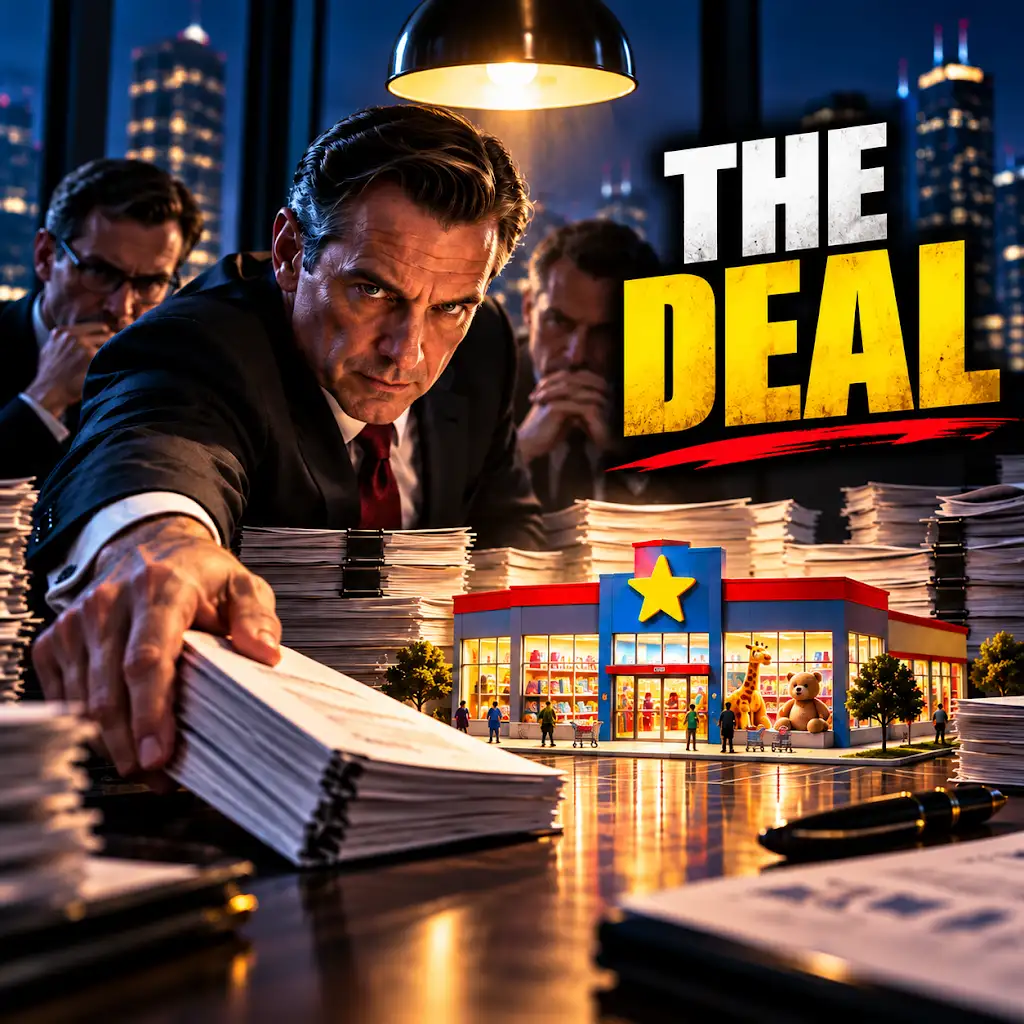
The $6.6 Billion Deal That Left Toys “R” Us Trapped
FAQs
What led to the business failure of Toys R Us?
Toys R Us faced challenges such as increased competition from online retailers like Amazon, high levels of debt, and changing consumer preferences towards online shopping.
How did the bankruptcy impact Toys R Us stores and employees?
The bankruptcy led to the closure of hundreds of Toys R Us stores, resulting in thousands of employees losing their jobs. The company also struggled to pay its suppliers and landlords.
What steps did Toys R Us take to try to save the business?
Toys R Us attempted to restructure its debt, close underperforming stores, and revamp its online presence. However, these efforts were not enough to overcome the challenges facing the company.
What was the impact of Toys R Us’ closure on the toy industry?
The closure of Toys R Us had a significant impact on the toy industry, as it was a major player in the market. Many toy manufacturers and suppliers were affected by the loss of a key retail partner.
Are there any plans for Toys R Us to make a comeback?
There have been discussions about reviving the Toys R Us brand in some form, such as through smaller stores or partnerships with other retailers. However, as of now, there are no concrete plans for a full-scale comeback.