
The once-ubiquitous aisles of Toys R Us, a cathedral of childhood wonder for generations, now stand empty, a stark reminder of a retail giant’s dramatic fall. The company’s bankruptcy, a deeply felt loss for many, wasn’t a sudden implosion but rather a slow, complex unraveling. This article delves into the multifaceted reasons behind Toys R Us’s demise, exploring the economic, competitive, and strategic missteps that led to the closure of thousands of stores and the departure of a beloved brand from the global marketplace.
For decades, Toys R Us reigned supreme, a colossus in the toy industry. Its cavernous stores, overflowing with every conceivable plaything, were destinations in themselves. Children clamored to visit, and parents relied on its vast selection and competitive pricing. The iconic “R” in its logo, famously backward, became a symbol of childhood joy and endless possibilities. However, beneath the surface of this retail empire, subtle shifts were occurring, planting the seeds of future challenges.
The Rise of the Big Box Retailer
The late 20th century witnessed the burgeoning power of big-box retailers. Stores like Walmart and Target, with their broad product offerings and aggressive pricing strategies, began to erode Toys R Us’s market share. While Toys R Us focused primarily on toys, these competitors offered a one-stop shopping experience, including toys alongside groceries, clothing, and household essentials. This convenience factor, coupled with their often lower overheads and massive purchasing power, made them formidable rivals.
Walmart’s Impact on Toy Sales
Walmart, in particular, proved to be a significant disruptor. By leveraging its immense scale and supply chain efficiencies, Walmart could offer toys at deeply discounted prices, often undercutting Toys R Us. This forced Toys R Us to engage in price wars, squeezing its profit margins and making it harder to invest in other areas of the business. The perception began to shift: Toys R Us was no longer the only place to buy toys, and often, not the cheapest.
Target’s Competitive Niche
Target, with its slightly more upscale image and curated selection, also presented a challenge. While not always as aggressive on price as Walmart, Target offered a more pleasant shopping experience and often carried trendy or exclusive toy lines. This appealed to a segment of consumers who valued both price and presentation, further fragmenting the market and drawing customers away from Toys R Us.
Early Innovations and Missed Opportunities
While Toys R Us did attempt to innovate, some of these efforts fell short or arrived too late. The company was an early adopter of in-store entertainment and celebrity appearances, aiming to create a destination experience. However, these initiatives often lacked long-term strategic vision and were not enough to combat the fundamental shifts occurring in retail.
Geoffrey the Giraffe: Brand Icon vs. Strategic Driver
Geoffrey the Giraffe, the brand’s beloved mascot, was a powerful symbol of childhood fun. He fostered brand recognition and emotional connection. However, while Geoffrey was a marketing asset, the company’s strategy didn’t always translate his charm into sustainable business practices. The focus remained on the physical store, with less emphasis on adapting to the evolving retail landscape.
The bankruptcy of Toys “R” Us marked a significant moment in retail history, shedding light on the challenges faced by traditional toy stores in an increasingly digital marketplace. For a deeper understanding of the factors that contributed to this iconic brand’s decline, you can explore a related article that delves into the financial intricacies and market dynamics at play. To read more, visit this article.
The E-commerce Tsunami and the Digital Deficit
Perhaps the most significant factor in Toys R Us’s downfall was its failure to adequately adapt to the rise of e-commerce. As the internet revolutionized shopping, brick-and-mortar retailers that did not embrace online sales were left behind. Toys R Us, despite its vast physical footprint, struggled to establish a strong and competitive online presence, a critical misstep in the 21st century retail environment.
The Rise of Online Retailers
The advent of online retailers, most notably Amazon, fundamentally altered consumer behavior. Amazon offered unparalleled convenience, a vast selection that often surpassed physical stores, and competitive pricing, often with free or fast shipping. For parents, especially, the ability to browse and purchase toys from the comfort of their homes, without the hassle of navigating crowded stores with impatient children, became increasingly attractive.
Amazon’s Dominance in Toy Sales
Amazon’s aggressive expansion and customer-centric approach made it a dominant force in the toy market. Its sophisticated algorithms, personalized recommendations, and seamless checkout process provided a superior online shopping experience. Toys R Us, in contrast, had a clunky and less intuitive website, often with higher prices and slower delivery times. This created a significant digital deficit that the company could not overcome.
The Challenges of a Hybrid Model
For traditional retailers like Toys R Us, transitioning to a hybrid brick-and-mortar and online model was a complex undertaking. It required significant investment in technology, logistics, and digital marketing. Moreover, the inherent cost structures of maintaining a large physical store network often made it difficult to compete on price with online-only retailers.
The Click-and-Mortar Dilemma
Toys R Us faced the “click-and-mortar” dilemma: how to integrate its physical stores with its online operations effectively. While the company did launch a website, it was often perceived as an afterthought rather than a core component of its business strategy. The in-store experience, while nostalgic for many, did not translate well to the digital realm, and the company failed to leverage its physical locations for things like in-store pickup or easy returns, which are now standard expectations for online shoppers.
The Burden of Debt and the Private Equity Blow
A significant turning point in Toys R Us’s decline was its leveraged buyout (LBO) in 2005 by private equity firms Bain Capital, KKR, and Vornado Realty Trust. This transaction, intended to revitalize the company, instead saddled it with an enormous debt burden, severely limiting its financial flexibility and ability to invest in necessary upgrades and innovations.
The Mechanics of a Leveraged Buyout
A leveraged buyout involves acquiring a company using a significant amount of borrowed money. The acquiring firms, in this case, expected to improve the company’s performance and then sell it for a profit, or extract value through dividends or fees. However, for Toys R Us, the debt incurred proved to be an insurmountable obstacle.
The Impact of Interest Payments
The massive debt meant that a substantial portion of Toys R Us’s revenue was diverted to interest payments. This left less capital available for crucial investments in e-commerce, store modernization, and marketing. The company was essentially fighting with one hand tied behind its back, struggling to compete while servicing its debt.
The Private Equity Legacy
The private equity firms faced significant criticism for their role in the company’s demise. While they argued they were trying to turn the business around, critics contend that their focus on short-term financial gains and debt extraction ultimately crippled the company’s long-term prospects. The fees and interest paid to the private equity firms further depleted the company’s resources.
Strategic Decisions Under Private Equity Ownership
Under private equity ownership, strategic decisions were often influenced by the need to service debt rather than by a long-term vision for adapting to market changes. This can lead to cost-cutting measures that hinder innovation and customer experience, ultimately accelerating decline.
Retail’s Shifting Landscape and Changing Consumer Habits
Beyond the specific issues facing Toys R Us, the broader retail landscape underwent a seismic shift. Consumer habits evolved rapidly, driven by technology and changing societal priorities. Toys R Us, rooted in a traditional retail model, struggled to keep pace with these evolving demands.
The Experience Economy
Consumers increasingly sought experiences, not just products. While Toys R Us offered a certain kind of experience, it was often overshadowed by other forms of entertainment and retail that provided more engaging or personalized interactions. The rise of entertainment venues, theme parks, and experiential retail concepts drew attention and spending away from traditional toy stores.
The Need for Immersive Retail
Modern retail increasingly requires immersive experiences. This could involve interactive displays, in-store events, or personalized customer service that goes beyond simply stocking shelves. Toys R Us, while trying with some in-store events, often lacked the consistent and engaging immersive elements that could truly differentiate it.
The Decline of Brick-and-Mortar Dominance
The dominance of physical retail began to wane as e-commerce matured. The convenience and accessibility of online shopping made it the preferred choice for many, especially for routine purchases. For Toys R Us, this meant a shrinking customer base and declining foot traffic in its vast network of stores.
The “Retail Apocalypse” Narrative
The term “retail apocalypse” emerged to describe the widespread closures of brick-and-mortar stores. While an oversimplification, it reflected the significant challenges facing traditional retailers in the face of online competition and changing consumer preferences. Toys R Us became a poster child for this phenomenon.
The bankruptcy of Toys “R” Us has been a significant event in the retail industry, shedding light on the challenges faced by traditional toy stores in an increasingly digital marketplace. For those interested in a deeper understanding of the factors that contributed to this downfall, a related article offers valuable insights into the financial struggles and market dynamics at play. You can read more about it in this informative piece on how wealth grows, which explores the broader implications of such retail failures. For more details, check out the article here.
The Inability to Adapt: A Slow Response to a Rapidly Changing World
| Metric | Details |
|---|---|
| Year Filed for Bankruptcy | 2017 |
| Type of Bankruptcy | Chapter 11 (Reorganization) |
| Primary Cause | Heavy debt load and increased competition from online retailers |
| Debt at Time of Filing | Approximately 5 billion |
| Number of Stores Closed | Over 180 stores in the US |
| Impact on Employees | Thousands of jobs lost due to store closures |
| Outcome | Liquidation of US operations and sale of international assets |
| Successor Company | Tru Kids Brands (acquired brand rights) |
| Year US Stores Closed | 2018 |
Ultimately, the story of Toys R Us is one of a failure to adapt. The company was slow to recognize the magnitude of the changes occurring in retail and even slower to implement effective strategies to address them. This inertia proved to be its undoing.
Lagging Behind Technological Advancements
Toys R Us did not invest sufficiently in its digital infrastructure, online capabilities, or data analytics. This left it ill-equipped to understand customer behavior, personalize offers, or compete with the data-driven strategies of its online rivals.
The Importance of Omnichannel Retail
In today’s market, omnichannel retail – a seamless integration of online and offline channels – is crucial. Consumers expect to be able to browse online, buy in-store, pick up online orders at a physical location, and return online purchases to a store. Toys R Us lagged significantly in developing this cohesive experience.
The Competition’s Agility
In contrast to Toys R Us’s struggles, agile competitors like Amazon and even more nimble direct-to-consumer (DTC) brands were able to quickly adapt to market shifts, leverage technology, and connect with consumers on new platforms. Their ability to innovate and pivot provided them with a significant advantage.
The Rise of DTC Brands in the Toy Market
The toy industry itself saw the rise of direct-to-consumer brands that could bypass traditional retail channels and build direct relationships with customers, often focusing on niche markets or innovative product lines. This further fragmented the market and presented another challenge for a large, established player like Toys R Us.
The Final Chapter: Bankruptcy and Liquidation
Despite several attempts at restructuring and seeking new investors, Toys R Us ultimately succumbed to its mounting debts and declining sales. The company filed for bankruptcy protection multiple times, culminating in the ultimate closure of its stores and liquidation of its assets. The iconic Ferris wheel in its logo, once a symbol of joy, became a somber emblem of a fallen giant. The shelves that once held countless dreams were emptied, leaving a void in the retail landscape and a pang of nostalgia for a generation that grew up with the magic of Toys R Us. The lessons learned from its demise continue to inform the strategies of retailers navigating the ever-evolving world of commerce.
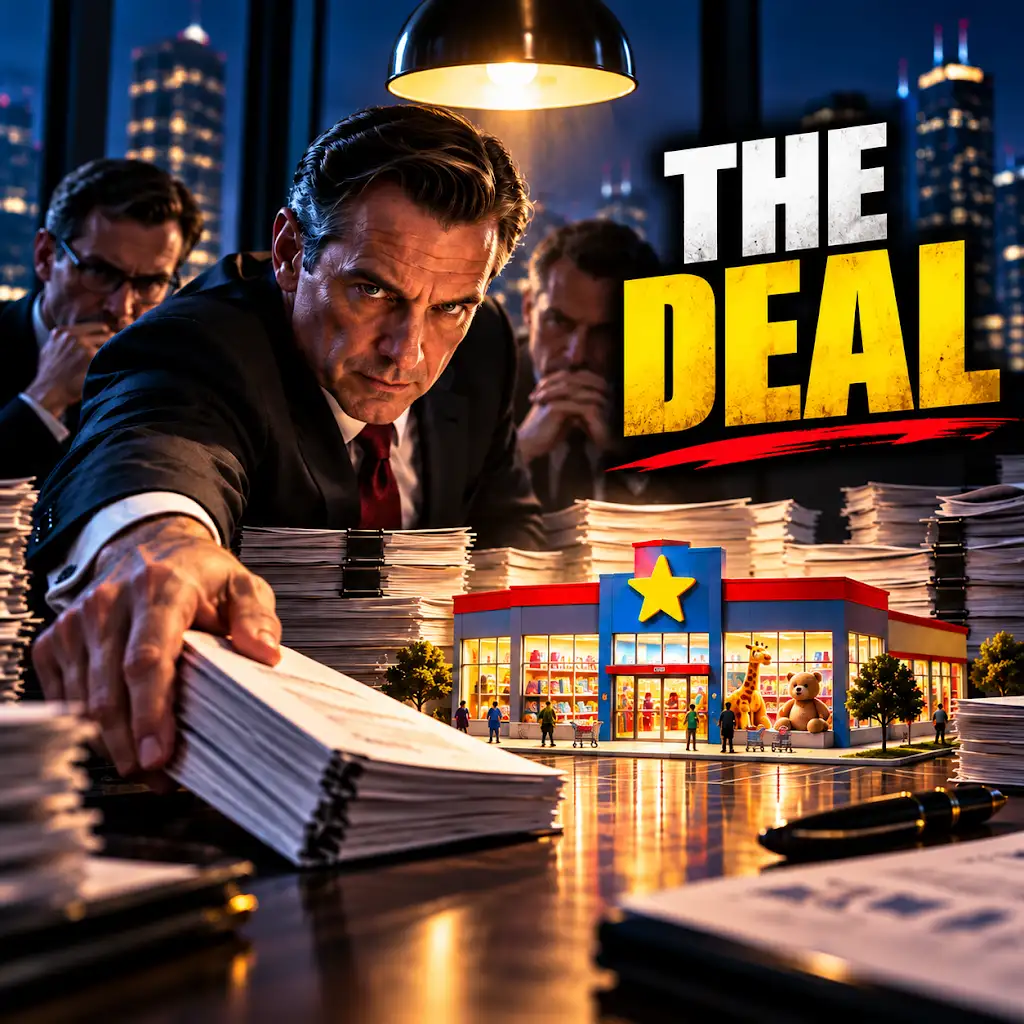
The $6.6 Billion Deal That Left Toys “R” Us Trapped
FAQs
What led to Toys R Us filing for bankruptcy?
Toys R Us filed for bankruptcy in 2017 due to a combination of factors, including increased competition from online retailers like Amazon, high levels of debt, and changing consumer shopping habits.
How did the bankruptcy impact Toys R Us stores?
As a result of the bankruptcy, Toys R Us closed hundreds of stores in the United States and around the world. The closures led to thousands of employees losing their jobs and left many customers without a physical store to shop at.
Did Toys R Us attempt to restructure its business before filing for bankruptcy?
Yes, Toys R Us did attempt to restructure its business and debt before ultimately filing for bankruptcy. The company tried various strategies, such as closing underperforming stores and renegotiating with creditors, but these efforts were not enough to save the company from bankruptcy.
What happened to Toys R Us after filing for bankruptcy?
After filing for bankruptcy, Toys R Us attempted to reorganize and continue operating. However, the company ultimately decided to liquidate its assets and close all of its remaining stores in 2018.
What is the current status of Toys R Us?
Toys R Us no longer operates physical stores in the United States. The brand was acquired by Tru Kids Brands in 2019, which is focused on licensing the Toys R Us name to other retailers and expanding the brand internationally.