
The vibrant aisles, once overflowing with the latest action figures, dolls, and building blocks, now stand as a stark reminder of a bygone era. Toys R Us, a name synonymous with childhood joy and boundless imagination for generations, experienced a precipitous decline, ultimately leading to the shuttering of its iconic stores. This retail titan, once a dominant force in the toy industry, succumbed to a confluence of factors, leaving a void in the landscape of children’s entertainment and sparking reflection on the evolving nature of retail.
The story of Toys R Us is a testament to a visionary understanding of a specific market niche. Founded in 1948 by Charles Lazarus, the company initially focused on baby furniture, a savvy move to tap into a burgeoning post-war market. However, Lazarus soon recognized a burgeoning demand for toys, particularly during the holiday seasons. This realization marked a pivotal shift, and the first dedicated toy store, Toys R Us, opened its doors in 1957. The concept was revolutionary: a large-format store solely dedicated to toys, offering an unprecedented selection that dwarfed traditional department store offerings.
The “Category Killer” Phenomenon
Toys R Us emerged as a prime example of the “category killer” retail model. This strategy involved dominating a specific product category by offering a vast selection, competitive pricing, and a specialized shopping experience. Unlike general merchandise stores, Toys R Us was a destination for everything related to play. Parents and children alike could wander through endless aisles, discovering new and classic toys, making it an immersive and exciting experience.
Early Innovations and Expansion
The company’s early success was fueled by several key innovations. The introduction of the Geoffrey the Giraffe mascot in 1960 provided a memorable and friendly face for the brand, fostering brand recognition and emotional connection with young consumers. Expansion was rapid, both domestically and internationally. By the 1980s, Toys R Us had established itself as the undisputed leader in the toy retail market, boasting hundreds of stores across the United States and a growing global presence.
A Cultural Touchstone
For many, Toys R Us was more than just a store; it was a rite of passage. The annual holiday toy catalogs were eagerly anticipated, sparking wish lists and endless dreams. The sheer spectacle of the stores, with their colorful displays and the sheer volume of merchandise, created a sense of wonder and excitement. It was a place where imagination was tangible, where every shelf held the promise of a new adventure. This cultural resonance played a significant role in its initial dominance.
Toys “R” Us, once a giant in the toy retail industry, faced significant challenges that ultimately led to its bankruptcy and closure of stores across the globe. The rise of e-commerce and changing consumer preferences played a crucial role in its decline. For a deeper understanding of the factors that contribute to the rise and fall of retail giants, you can read a related article that explores these dynamics in detail at this link.
The Seeds of Disruption: Shifting Consumer Habits
Despite its formidable position, the foundations of Toys R Us’s dominance began to erode as the retail landscape underwent seismic shifts. The late 20th and early 21st centuries witnessed profound changes in consumer behavior, driven by technological advancements and evolving shopping preferences. Toys R Us, for a time, struggled to adapt to these accelerating trends.
The Digital Deluge: The Rise of E-commerce
Perhaps the most significant disruptive force was the advent of the internet and the subsequent explosion of e-commerce. Online retailers, most notably Amazon, offered a compelling alternative to brick-and-mortar shopping. Consumers discovered the convenience of browsing and purchasing toys from the comfort of their homes, often with the added benefit of lower prices and faster delivery. Toys R Us, with its massive physical footprint, found it challenging to compete with the agility and cost-effectiveness of online giants.
The Siren Song of Big Box Competitors
Beyond online retailers, Toys R Us also faced increasing competition from other large-format stores. Mass merchandisers like Walmart and Target, while not exclusively toy stores, began to dedicate significant space to toy sections, leveraging their broader customer base and economies of scale. These competitors could often offer comparable prices, sometimes even lower, making the specialized nature of Toys R Us less of a unique selling proposition.
The Shifting Landscape of Play: From Physical to Digital
The nature of children’s play itself began to transform. The proliferation of video games, electronic devices, and digital entertainment offered alternative forms of engagement. While toys remained a significant part of childhood, the proportion of discretionary spending on traditional toys began to decline as children gravitated towards interactive digital experiences. This meant that even a well-stocked toy store faced a shrinking overall market for its core products.
Operational Hurdles and Financial Strain
Beyond external market pressures, Toys R Us also grappled with significant internal operational challenges and mounting financial burdens that contributed to its eventual downfall. The company’s strategic decisions and its response to the changing retail environment proved insufficient to overcome these hurdles.
The Burden of Debt: A Legacy of Leveraged Buyouts
A significant factor in Toys R Us’s financial woes was the substantial debt it accumulated. In 2005, the company was taken private in a leveraged buyout by a consortium of private equity firms: Kohlberg Kravis Roberts & Co. (KKR), Bain Capital, and Vornado Realty Trust. While leveraged buyouts can sometimes revitalize companies, in this case, the immense debt incurred placed a heavy financial strain on Toys R Us, limiting its ability to invest in modernization, innovation, and competitive pricing. The interest payments on this debt consumed a significant portion of its revenue, hindering its ability to respond to market shifts effectively.
Inefficient Store Footprint and Rising Costs
The company’s expansive network of physical stores, once a source of strength, became a liability. Maintaining these large retail spaces, with their associated overhead costs such as rent, utilities, and staffing, proved increasingly expensive in a declining sales environment. Furthermore, many of these stores were not updated to reflect modern retail aesthetics or shopping experiences, making them feel dated and less appealing to contemporary consumers.
A Lagging Digital Strategy
While the company eventually attempted to bolster its online presence, its e-commerce strategy was often perceived as a hesitant afterthought rather than a core component of its business model. Its website and online ordering systems were not as seamless or as robust as those of its digital-native competitors. This failure to effectively integrate its online and offline channels, a strategy known as omnichannel retail, further disadvantaged Toys R Us.
The Inexorable March Towards Bankruptcy
The confluence of external market pressures and internal financial strains created an unsustainable business model. Despite various attempts to turn the tide, Toys R Us found itself on an inexorable march towards bankruptcy. The company’s efforts to adapt were often too little, too late, and ultimately insufficient to reverse the declining trajectory.
Failed Turnaround Attempts
Over the years, Toys R Us underwent several restructuring efforts and strategic initiatives aimed at revitalizing its business. These included attempts to modernize store layouts, introduce new loyalty programs, and enhance its online offerings. However, these efforts were frequently hampered by the overwhelming burden of debt and the fundamental challenges posed by the evolving retail landscape. The company’s ability to invest in significant innovation was severely limited.
The Inevitable Domino Effect of Store Closures
As financial pressures mounted, store closures became an increasingly common and visible symptom of the company’s decline. These closures, often announced with little warning, sent ripples of disappointment through communities that had come to rely on their local Toys R Us as a cherished destination. Each closure further weakened the brand’s presence and customer base.
The Final Chapter: Liquidation and Legacy
By 2017, the financial situation had become untenable. In September of that year, Toys R Us filed for Chapter 11 bankruptcy protection in the United States, signaling the beginning of the end. Despite initial hopes of a restructuring and a potential return, the company ultimately failed to find a viable path forward. In March 2018, Toys R Us announced the closure of all of its remaining U.S. stores, a devastating blow to employees, suppliers, and generations of toy enthusiasts. The iconic “R” in its logo, once a beacon of childhood wonder, became a symbol of a retail giant’s demise.
Toys “R” Us, once a giant in the toy retail industry, faced significant challenges that ultimately led to its bankruptcy and closure of many stores. This decline can be attributed to various factors, including the rise of online shopping and increased competition from other retailers. For a deeper understanding of how retail giants can fall from grace and the economic factors at play, you might find this article on wealth and retail dynamics insightful. You can read more about it here.
Lessons Learned from the Decline
| Year | Event | Details |
|---|---|---|
| 2000 | Peak Market Presence | Toys “R” Us was one of the largest toy retailers globally with thousands of stores. |
| 2017 | Bankruptcy Filing | Filed for Chapter 11 bankruptcy due to heavy debt and competition from online retailers. |
| 2018 | Store Closures | Announced closure of all U.S. stores, resulting in over 700 store shutdowns. |
| 2019 | Brand Acquisition | Brand and assets acquired by Tru Kids Brands aiming to revive the brand. |
| 2021 | Store Reopenings | Opened new physical stores in select locations and launched an online store. |
| 2023 | Partnerships | Partnered with other retailers to sell Toys “R” Us products in-store. |
The fall of Toys R Us offers a stark and valuable case study for businesses across all sectors, particularly in the dynamic world of retail. Its demise highlights the critical importance of adaptability, innovation, and a keen understanding of evolving consumer behavior. The lessons learned from its decline continue to resonate, serving as a cautionary tale and a guide for future retail strategies.
The Imperative of Digital Transformation
The most prominent lesson from the Toys R Us saga is the absolute necessity of embracing digital transformation. Businesses can no longer afford to view their online presence as an ancillary function. A seamless, integrated omnichannel strategy, where online and in-store experiences complement each other, is paramount for survival and growth in the modern retail era. This includes investing in user-friendly websites, efficient online fulfillment, and leveraging data to personalize customer interactions.
Agility and Adaptability in a Changing Market
The retail landscape is in a constant state of flux. Companies must cultivate a culture of agility and adaptability, being prepared to pivot and innovate in response to emerging trends and competitive pressures. Sticking rigidly to established business models, even those that were once successful, can lead to obsolescence. Continuous market research, a willingness to experiment, and a proactive approach to change are essential for long-term viability.
The Power of Customer Experience
While price and convenience are crucial, customer experience remains a vital differentiator. In the digital age, where products can often be found at similar price points across multiple platforms, the overall shopping experience becomes a key factor in customer loyalty. This encompasses everything from the ease of browsing and purchasing to the quality of customer service, the ambiance of physical stores, and the emotional connection a brand fosters. Toys R Us, in its later years, struggled to maintain a compelling in-store experience that could compete with the novelty and convenience offered elsewhere.
Financial Prudence and Strategic Debt Management
The burden of excessive debt proved to be a significant Achilles’ heel for Toys R Us. Businesses must exercise financial prudence and engage in strategic debt management. While debt can be a tool for growth, it should be managed responsibly to avoid crippling interest payments and to ensure sufficient capital for necessary investments in innovation and adaptation. The reliance on leveraged buyouts, while common in private equity, can create vulnerabilities if not carefully managed. The legacy of debt for Toys R Us ultimately suffocated its ability to compete.
The decline of Toys R Us serves as a poignant reminder that even the most dominant players in an industry are not immune to the forces of change. Its story underscores the need for constant vigilance, strategic foresight, and a deep understanding of the evolving needs and preferences of consumers. While the iconic Geoffrey the Giraffe may no longer be leading children through brightly lit aisles, the lessons from this retail titan’s demise continue to shape the future of commerce.
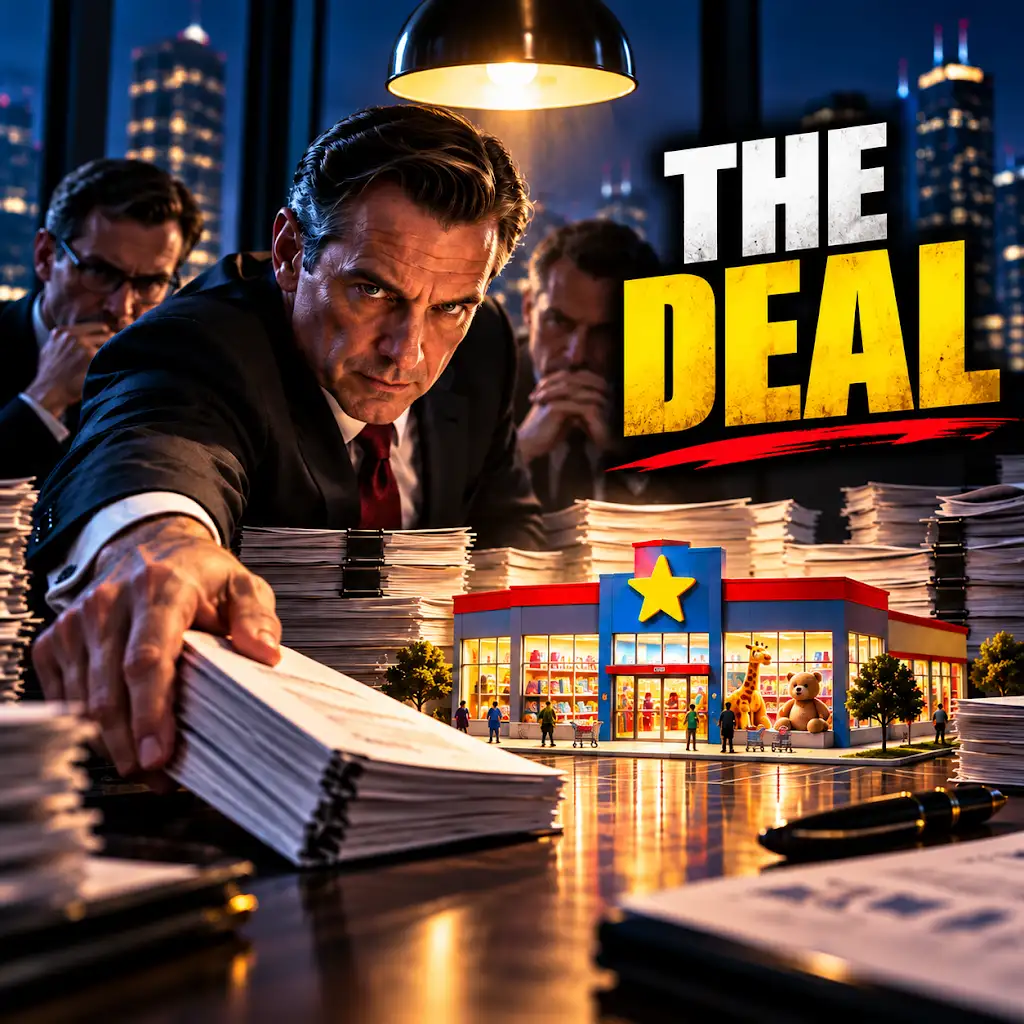
The $6.6 Billion Deal That Left Toys “R” Us Trapped
FAQs
1. What led to the closure of Toys R Us stores?
Toys R Us filed for bankruptcy in 2017 due to a combination of factors, including increased competition from online retailers, high levels of debt, and changing consumer shopping habits.
2. Are there any Toys R Us stores still open?
As of now, there are no Toys R Us stores open in the United States. However, there are still some international locations operating under the Toys R Us brand.
3. What happened to the Toys R Us website?
The Toys R Us website was shut down following the closure of the physical stores in the United States. Customers are redirected to the website of Tru Kids Brands, the parent company that now owns the Toys R Us brand.
4. Is there a possibility of Toys R Us making a comeback?
There have been talks of a potential comeback for Toys R Us in the United States, with plans for smaller, more interactive stores and an enhanced online presence. However, as of now, there is no concrete timeline for a full-scale return.
5. What happened to the Toys R Us mascot, Geoffrey the Giraffe?
After the closure of Toys R Us stores, Geoffrey the Giraffe was initially put up for auction along with other assets of the company. However, he was ultimately acquired by a company called WHP Global, which plans to bring back the iconic mascot in future Toys R Us endeavors.