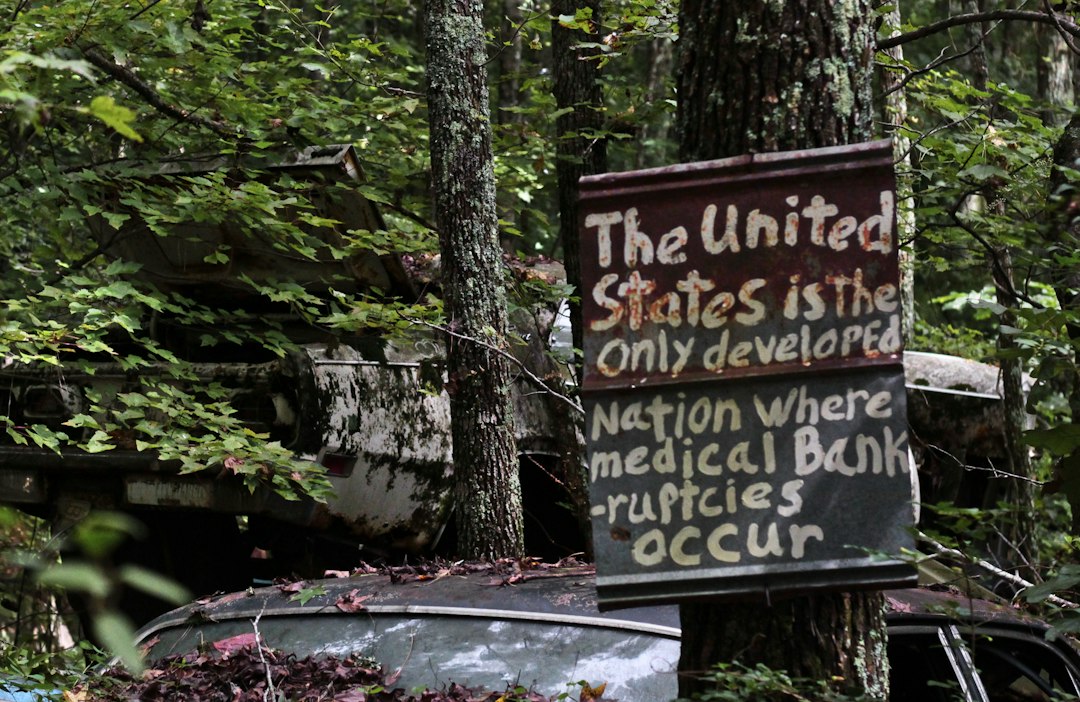
The once-ubiquitous aisles, brimming with the promise of childhood delight, now stand as silent monuments to a bygone era. Toys “R” Us, a brand synonymous with playtime for generations, has receded from the retail landscape, leaving behind a void and a cautionary tale. Its story is not merely one of a failing business, but a complex narrative of evolving consumer habits, aggressive competition, and the crushing weight of debt.
The foundation of Toys “R” Us was laid not in a boardroom, but in a spirit of entrepreneurial optimism. Charles Lazarus, a World War II veteran, recognized a burgeoning market for children’s goods and opened his first store, Children’s Bargain Town, in Washington D.C. in 1948. The initial focus was on baby furniture, but Lazarus soon pivoted, observing the growing popularity of toys. This adaptability would become a hallmark of the company in its early years.
A Vision for a Toy-Centric Future
Lazarus’s vision was simple yet profound: to create a dedicated space where parents could find an unparalleled selection of toys for their children. Unlike general merchandise stores that offered a limited toy selection, Lazarus aimed to be the destination for all things playful. This focus allowed him to curate a diverse inventory and build expertise in the toy market, establishing a loyal customer base.
The Birth of “R” Us: A Brand Takes Shape
The rebranding to Toys “R” Us in 1957 was more than just a name change; it signaled a strategic shift. The iconic “R” in “Toys” was famously backward, a playful touch that resonated with its target audience and contributed to a memorable brand identity. The company’s growth was propelled by a combination of aggressive expansion and smart marketing.
Early Expansion and the Rise of the Superstore
As the post-war baby boom surged, so did the demand for toys. Toys “R” Us capitalized on this, opening more stores and establishing a reputation for having a vast inventory. The concept of the toy superstore, offering a comprehensive range of products under one roof, was revolutionary at the time. This convenience factor, coupled with competitive pricing, made Toys “R” Us the go-to destination for parents.
The Geoffrey the Giraffe Phenomenon
No discussion of Toys “R” Us is complete without mentioning Geoffrey the Giraffe. Introduced as the company’s mascot in the early 1960s, Geoffrey became an integral part of the brand’s identity. His friendly demeanor and association with fun and play endeared him to children and adults alike, further cementing the company’s image as a purveyor of joy.
The bankruptcy of Toys “R” Us serves as a cautionary tale for retailers facing the challenges of a rapidly changing market. A related article discusses the various factors that contributed to the downfall of this iconic toy store, including increased competition from online retailers and a heavy debt burden. To explore these insights further, you can read the article here: Toys “R” Us Bankruptcy Analysis.
The Golden Age: Dominating the Toy Landscape
For decades, Toys “R” Us reigned supreme in the toy retail sector. Its imposing stores, often featuring distinct signage and a palpable sense of excitement, were a common sight across the nation and eventually, the globe. The company’s success was built on a formidable combination of market share, brand recognition, and a deep understanding of its core customer.
Market Dominance and the ‘Category Killer’ Status
Toys “R” Us was the quintessential “category killer.” It was so dominant in the toy sector that it essentially dictated terms to manufacturers and squeezed out smaller competitors. Its sheer scale allowed for bulk purchasing, which translated into lower prices for consumers. This competitive advantage was almost insurmountable for most.
The Power of the Product Mix
The company’s strength lay in its ability to offer a wide variety of toys, from the latest trending action figures and dolls to classic board games and educational items. This comprehensive selection meant that parents could fulfill their children’s wish lists in a single shopping trip, a proposition that held significant appeal.
The Holiday Rush: A Season of Unrivaled Success
The holiday season was the pinnacle of the Toys “R” Us year. During this period, the stores transformed into bustling hubs of activity, with throngs of excited shoppers navigating the aisles. The company’s marketing efforts, often featuring beloved characters and compelling advertisements, amplified the holiday spirit and drove unprecedented sales.
Global Expansion: Taking the Toy Dream Worldwide
The success in the United States spurred Toys “R” Us to expand its reach internationally. The company ventured into numerous countries, adapting its model to local markets and introducing its brand of toy retail to a global audience. This international presence further solidified its position as a major player in the toy industry.
Navigating International Markets
While the core concept remained the same, Toys “R” Us had to navigate diverse cultural preferences, regulatory environments, and competitive landscapes in each new territory. Despite these challenges, the brand’s universal appeal for children and parents allowed for significant international growth.
The Cracks Begin to Show: Emerging Challenges and Shifting Sands

The late 1990s and early 2000s marked a turning point. While Toys “R” Us continued to enjoy significant revenue, the seeds of its eventual downfall were being sown. A confluence of factors, some internal and some external, began to erode its market position.
The Rise of Big Box Retailers: Competition Intensifies
The emergence and growth of large discount retailers like Walmart and Target posed a significant threat. These stores, with their vast general merchandise offerings, began to stock a wide array of toys at highly competitive prices. They could afford to take lower margins on toys to drive traffic to their stores for other purchases.
The ‘Big Box’ Price War
Walmart and Target, in particular, became formidable competitors. Their ability to leverage their immense purchasing power and integrate toy sales into their broader retail strategy created a price war that Toys “R” Us struggled to win. The convenience of buying toys alongside groceries and household essentials also proved attractive to consumers.
The Dawn of E-commerce: A Digital Disruption
The internet revolutionized commerce, and Toys “R” Us was slow to adapt. While it launched a website, it lacked the agility and innovation of nascent online retailers. The convenience of online shopping, with its vast selection and home delivery, began to appeal to a growing segment of consumers.
The Amazon Effect
Amazon, in particular, emerged as a colossal threat. Its online platform offered an almost limitless selection of toys, often at lower prices, and provided unparalleled convenience. Toys “R” Us, with its brick-and-mortar model, struggled to compete with the digital behemoth’s reach and efficiency.
Lagging Behind in Online Experience
The company’s online presence was often clunky and uninspired, failing to replicate the engaging experience of its physical stores. This digital deficiency became a significant handicap as consumer shopping habits increasingly shifted online.
The Weight of Debt: A Leveraged Buyout’s Shadow

A pivotal moment in the decline of Toys “R” Us was the leveraged buyout (LBO) in 2005 by private equity firms Bain Capital, KKR, and Vornado Realty Trust. While intended to revitalize the company, the LBO saddled Toys “R” Us with an enormous amount of debt.
The Burden of Interest Payments
The primary objective of an LBO is to generate returns for the private equity investors, often through aggressive cost-cutting and debt repayment. However, the sheer scale of the debt taken on by Toys “R” Us meant that a significant portion of its revenue was immediately allocated to interest payments, leaving less capital for investment in crucial areas like technology and store modernization.
Drain on Resources
The constant pressure to service this debt diverted financial resources away from innovation, marketing, and inventory management, all critical components for staying competitive in a rapidly changing retail environment.
Stagnant Investment and Missed Opportunities
With so much cash flow dedicated to debt servicing, investment in crucial areas lagged. The stores, once vibrant and exciting, began to look tired and outdated. The company failed to invest adequately in its e-commerce capabilities, its supply chain, and its overall customer experience, falling further behind its more agile competitors.
The Inability to Innovate
The financial constraints imposed by the debt made it difficult for Toys “R” Us to invest in new technologies, innovative store designs, or unique promotional strategies. This stifled its ability to adapt to evolving consumer preferences and stay relevant in a dynamic market.
The decline of Toys “R” Us can be attributed to several factors, including increased competition from online retailers and changing consumer preferences. A detailed analysis of these issues can be found in a related article that explores the financial struggles faced by the iconic toy retailer. For more insights into the factors that contributed to its bankruptcy, you can read the article here. This piece provides a comprehensive overview of the challenges that traditional brick-and-mortar stores encounter in today’s digital age.
The Inevitable Downfall: Bankruptcy and the End of an Era
| Metric | Value | Explanation |
|---|---|---|
| Debt Load | Over 5 billion | Heavy debt from leveraged buyout limited financial flexibility |
| Annual Revenue Decline | 10% (2015-2017) | Decreasing sales due to competition and changing consumer habits |
| Market Share | Less than 10% | Lost significant market share to online retailers like Amazon |
| Number of Stores | Reduced from 800 to 700 (2015-2017) | Store closures due to poor sales performance |
| Online Sales Percentage | Less than 10% | Late adoption of e-commerce compared to competitors |
| Competition Impact | High | Strong competition from Walmart, Target, and Amazon |
| Bankruptcy Filing Date | September 2017 | Filed for Chapter 11 bankruptcy protection |
Despite attempts at restructuring and rebranding, the company’s financial woes and inability to compete effectively ultimately led to its demise. The accumulation of challenges proved too great to overcome.
The Final Chapter: Bankruptcy Filings and Store Closures
In 2017, Toys “R” Us filed for Chapter 11 bankruptcy protection in the United States. This marked the beginning of the end, triggering a cascade of store closures and liquidation sales. The once-proud empire was systematically dismantled.
The Farewell Tours
The ensuing liquidation sales were somber affairs, a far cry from the joyous shopping experiences of the past. Customers flocked to the stores, not for new treasures, but to buy the remaining inventory at heavily discounted prices, a poignant farewell to a brand that held so many childhood memories.
Reasons for the Decline: A Multifaceted Failure
The downfall of Toys “R” Us was not attributable to a single cause, but rather a complex interplay of factors. It was a perfect storm of evolving consumer behavior, fierce competition, and the crippling burden of debt.
Consumer Shift to Online and Discount Retailers
The undeniable shift in consumer preference towards online shopping and discount retailers significantly eroded Toys “R” Us’s market share. The convenience and often lower prices offered by these alternatives proved too tempting for many.
Failure to Adapt and Innovate
The company’s inability to effectively adapt its business model to the digital age and its failure to invest in innovation were critical shortcomings. It clung to an outdated retail strategy for too long.
The Debt Trap
The leveraged buyout and the crushing debt it imposed proved to be a fatal blow, preventing the company from making the necessary investments to compete and adapt.
The Legacy of Toys “R” Us: More Than Just a Store
While the physical stores may be gone, the legacy of Toys “R” Us endures. It represents a cherished chapter in the childhoods of millions, a place where imagination flourished and dreams of toys came to life. Its story serves as a stark reminder of the relentless nature of market evolution and the importance of adaptability and financial prudence in the ever-changing world of retail. The ghost of Geoffrey the Giraffe continues to roam, a silent testament to a retail giant that, despite its best efforts, ultimately succumbed to the tides of change.
The $6.6 Billion Deal That Left Toys “R” Us Trapped
FAQs
1. What led to Toys R Us filing for bankruptcy?
Toys R Us filed for bankruptcy in 2017 due to a combination of factors, including increased competition from online retailers like Amazon, high levels of debt, and changing consumer preferences.
2. How did Toys R Us’ bankruptcy impact its stores and employees?
As a result of the bankruptcy, Toys R Us closed hundreds of stores and laid off thousands of employees. The company struggled to restructure its debt and find a buyer to keep the business afloat.
3. Did Toys R Us attempt to restructure its business before filing for bankruptcy?
Toys R Us did attempt to restructure its business and debt before ultimately filing for bankruptcy. The company tried to negotiate with creditors and explore other options to stay afloat, but ultimately the financial challenges were too great.
4. What was the impact of Toys R Us’ bankruptcy on the toy industry?
Toys R Us’ bankruptcy had a significant impact on the toy industry, as the company was a major player in the market. The closure of Toys R Us stores created a void for toy manufacturers and retailers, leading to shifts in the industry landscape.
5. Is there any possibility of Toys R Us making a comeback after bankruptcy?
While there have been discussions and attempts to revive the Toys R Us brand in some form, the company has faced challenges in reestablishing itself in the market. As of now, there is no clear indication of a successful comeback for Toys R Us after its bankruptcy.