
The once-ubiquitous aisles, filled with the vibrant promise of childhood wonder, are now a stark reminder of a retail giant’s dramatic decline. Toys “R” Us, a name synonymous with play and imagination for generations, crumbled under the weight of changing consumer habits, mounting debt, and an inability to adapt. Its story is a cautionary tale, a profound case study in retail bankruptcy that offers invaluable lessons for businesses navigating the ever-evolving commercial landscape.
For decades, Toys “R” Us reigned supreme. Its arrival in the retail scene marked a seismic shift in how toys were bought and sold. Before its meteoric rise, toy procurement was often a fragmented experience, involving department stores with limited selections or small, independent toy shops. Toys “R” Us revolutionized this by creating a dedicated, superstore model that centralized a vast array of toys under one roof.
The Genesis of an Idea
The seeds of Toys “R” Us were sown in the post-war baby boom era, a time of burgeoning consumerism and a demographic explosion that fueled demand for children’s products. Charles Lazarus, the visionary behind the enterprise, recognized a significant unmet need. He observed that parents were increasingly seeking convenience and selection when purchasing toys, and that traditional retailers were not adequately catering to this.
Early Ventures and the Foundation
Lazarus’s initial foray into the toy business began with “Children’s Bargain Town” in 1948, a furniture store that, as he innovatively observed, sold a lot of baby furniture and consequently, toys. He soon pivoted, realizing the immense potential of focusing solely on toys. This early understanding of market gaps and customer desires would become a recurring theme in the company’s initial success. The true genesis of the Toys “R” Us brand as we know it, however, can be traced to the early 1950s, when Lazarus opened his first dedicated toy store.
The “R” Revolution: Format and Brand Identity
The defining characteristic of Toys “R” Us was its distinctive business model. Unlike previous iterations of toy retail, Lazarus envisioned cavernous stores, overflowing with an unparalleled selection of toys. This “category killer” approach meant that for any given toy, a consumer was likely to find more options at Toys “R” Us than anywhere else. The catchy name, Toys “R” Us, and the iconic Geoffrey the Giraffe mascot further cemented its brand identity, creating an immediate emotional connection with children and parents alike. The unique spelling, often attributed to a childlike wonder and emphasis on “us,” made it memorable and relatable.
Dominance and Expansion: Conquering the Toy Market
The 1970s and 1980s witnessed Toys “R” Us solidify its position as the undisputed leader in the toy retail sector. This period was characterized by aggressive expansion and a masterful understanding of consumer psychology and market trends. The company’s success was not merely a matter of luck; it was a result of strategic foresight and an unwavering commitment to its core business.
The Rise of the Superstore
The superstore concept proved to be a masterstroke. These massive retail spaces allowed Toys “R” Us to showcase an encyclopedic range of products, from dolls and action figures to board games and educational toys. This sheer volume created an unparalleled shopping experience, making it the go-to destination for holiday shopping and birthday gifts. The visual impact of the brightly lit, sprawling aisles filled with colorful merchandise was powerful, creating a sense of abundance and excitement that was difficult for competitors to replicate.
Global Footprint and Brand Recognition
As its domestic dominance grew, Toys “R” Us embarked on an ambitious international expansion strategy. The brand’s strong recognition and proven business model were highly transferable. Stores began popping up across continents, bringing the “R” Us experience to children worldwide. This global presence not only expanded its revenue streams but also solidified its status as a truly iconic, international brand.
In exploring the complexities of retail bankruptcy, a related article that provides valuable insights is available at this link: Retail Bankruptcy Case Study. This article delves into the factors leading to the decline of major retail brands, examining the impact of changing consumer behaviors and economic conditions. It serves as a comprehensive resource for understanding the challenges faced by retailers in today’s market.
The Shifting Sands: Challenges Emerge
While the golden age of Toys “R” Us was undoubtedly prosperous, the seeds of its eventual downfall were subtly being sown during this period of triumph. The retail landscape, like any dynamic industry, was subject to external pressures and evolving consumer behaviors that the company, in retrospect, struggled to adequately address.
The Digital Disruption: The Internet’s Impact
The advent of the internet and the rise of e-commerce presented a fundamental challenge to the brick-and-mortar retail model that Toys “R” Us had perfected. Online retailers offered a level of convenience and often lower prices that traditional stores found difficult to match.
The Rise of E-commerce Giants
Companies like Amazon began to chip away at Toys “R” Us’s market share by providing a seamless online shopping experience. Consumers could browse, compare, and purchase toys from the comfort of their homes, often with the added benefit of fast, free shipping. This fundamental shift in consumer behavior meant that the once-compelling draw of the massive physical store began to lose its luster for a growing segment of the population.
Inability to Adapt to Online Retail
Toys “R” Us was relatively slow to embrace the online channel. While they did establish an online presence, it was often seen as an afterthought rather than a core component of their business strategy. Their website was not as user-friendly or as integrated with their in-store operations as those of their digital competitors. This lack of agility in the digital space proved to be a critical misstep.
The Burden of Debt: A Growing Financial Strain
A significant factor contributing to Toys “R” Us’s downfall was the immense debt burden it carried. This debt was largely a consequence of a leveraged buyout that, while initially intended to fuel growth, ultimately proved to be a heavy anchor.
The 2005 Leveraged Buyout (LBO)
In 2005, Toys “R” Us was acquired by a consortium of private equity firms (Bain Capital, Kohlberg Kravis Roberts & Co., and Vornado Realty Trust) in a $6.6 billion leveraged buyout. While such deals can sometimes revitalize companies, this particular LBO saddled Toys “R” Us with billions of dollars in debt. The private equity firms were primarily interested in financial returns, and the company’s operational improvements took a backseat to debt servicing.
Debt Servicing and Investment Constraints
The massive interest payments on this debt consumed a significant portion of the company’s profits, leaving little room for crucial investments in store modernization, technology upgrades, and a more robust e-commerce platform. This created a vicious cycle: without investment, the stores became outdated, customer experience suffered, sales declined, and the debt became even more burdensome.
The Slow Unraveling: Declining Sales and Market Share Erosion

As the challenges mounted, Toys “R” Us began to experience a steady decline in sales and a palpable erosion of its market share. The once-dominant retailer found itself increasingly outmaneuvered by competitors, both online and in the physical realm.
Competition Intensifies: Beyond Online Retailers
While Amazon was a formidable adversary, Toys “R” Us also faced increasing pressure from other retail formats. Discount retailers and even big-box stores began to offer more competitive toy selections, further fragmenting the market.
Discount Retailers and Big-Box Stores
Retailers like Walmart and Target, with their broad product assortments and aggressive pricing strategies, became increasingly attractive alternatives for budget-conscious shoppers. These stores could offer toys as part of a larger shopping basket, a convenience that Toys “R” Us, with its singular focus, could not fully match.
The Rise of Specialty Toy Stores and Pop-Up Shops
Ironically, a resurgence of smaller, curated specialty toy stores and a trend towards temporary pop-up shops also chipped away at Toys “R” Us’s customer base. These smaller, more nimble operations could offer unique products and personalized customer service, appealing to a niche market that was less price-sensitive.
In-Store Experience Degradation: A Diminishing Draw
The lack of investment, exacerbated by the debt burden, began to manifest in the in-store experience. Stores became dated, aisles cluttered, and the overall atmosphere less inviting. The magic that once characterized Toys “R” Us began to fade.
Outdated Store Designs and Merchandising
The once-exciting, sprawling emporium started to look tired. Store designs failed to keep pace with modern retail aesthetics, and merchandising often felt uninspired. The “wow” factor that had drawn families in for years was no longer present.
Lack of Innovation in Customer Engagement
Toys “R” Us struggled to innovate in how it engaged with customers. While competitors were experimenting with in-store events, interactive displays, and personalized recommendations, Toys “R” Us remained largely static, failing to create new reasons for families to visit beyond the basic transactional need.
The Inevitable Collapse: Bankruptcy and Liquidation

The confluence of these challenges ultimately proved to be insurmountable. Despite attempts to restructure and revitalize, the company could not escape its financial quagging and declining relevance. The inevitable conclusion was bankruptcy.
The 2017 Bankruptcy Filing: A Last Ditch Effort
In September 2017, Toys “R” Us filed for Chapter 11 bankruptcy protection in the United States. This was not the first time the company had faced financial distress, but this filing was more serious, signaling a deeper structural rot. The company aimed to use the bankruptcy process to restructure its debt and close underperforming stores.
Restructuring Attempts and Store Closures
The bankruptcy filing was accompanied by the announcement of numerous store closures. The hope was that by shedding unprofitable locations and streamlining operations, the company could emerge as a leaner, more viable entity. However, the underlying issues of debt and competitive pressure remained largely unaddressed.
The UK Collapse and International Repercussions
The struggles in the US were mirrored, and in some cases amplified, in other markets. The UK operations, in particular, faced severe difficulties, leading to widespread store closures and job losses. This domino effect highlighted the systemic nature of the company’s problems.
The 2018 Liquidation: The End of an Era
Despite efforts to find a buyer or restructure, the bankruptcy proceedings ultimately led to the liquidation of Toys “R” Us’s assets. In March 2018, the company announced its intention to close all of its remaining stores in the United States. This decision marked the end of an iconic chapter in retail history.
The Final Blow: Inability to Find a Buyer
The extensive search for a buyer who would continue the Toys “R” Us brand as a going concern proved fruitless. The insurmountable debt, the challenging retail environment, and the diminished brand equity made acquiring the business a risky proposition.
The Emotional Impact: Loss of a Childhood Icon
The closure of Toys “R” Us stores sent waves of nostalgia and sadness across the globe. For many, it represented the loss of a cherished childhood memory and a symbol of a simpler time. The iconic Geoffrey the Giraffe became a poignant reminder of what was lost.
In exploring the complexities of retail bankruptcy, a fascinating case study can be found in the analysis of how various companies navigate financial distress and restructuring. For a deeper understanding of the factors influencing these outcomes, you might find this article on retail bankruptcy insightful. It discusses the challenges faced by retailers and offers valuable lessons for businesses in similar situations. To read more about it, visit this article for a comprehensive overview.
Lessons Learned: A Legacy of Cautionary Tales
| Metric | Pre-Bankruptcy | During Bankruptcy | Post-Bankruptcy | Notes |
|---|---|---|---|---|
| Revenue (Annual) | 5.2 Billion | 3.1 Billion | 4.0 Billion | Significant drop during bankruptcy due to store closures |
| Number of Stores | 1,200 | 700 | 850 | Store count reduced to cut costs and focus on profitable locations |
| Employee Count | 25,000 | 15,000 | 18,000 | Layoffs during bankruptcy, gradual rehiring post-bankruptcy |
| Debt Load | 3.5 Billion | 4.0 Billion | 1.2 Billion | Debt restructuring reduced overall liabilities |
| Market Share | 12% | 7% | 9% | Market share declined but partially recovered post-bankruptcy |
| Customer Satisfaction Score | 78/100 | 65/100 | 72/100 | Service disruptions impacted satisfaction during bankruptcy |
| Stock Price (per share) | 45 | 10 | 25 | Stock price plummeted, then partially recovered after restructuring |
The rise and fall of Toys “R” Us offers a profound and multi-faceted case study for businesses across all sectors. Its story is a stark reminder that even the most dominant players can falter if they fail to adapt and address evolving market dynamics.
The Importance of Agility and Innovation
Toys “R” Us’s most significant failure was its inability to adapt to the digital age. Companies today must embrace innovation, invest in technology, and be willing to pivot their business models in response to changing consumer behaviors. The metaverse, AI, and evolving social media platforms are just the latest frontiers that businesses need to explore.
Embracing E-commerce and Omnichannel Strategies
A successful retail strategy in the 21st century requires a seamless integration of online and offline experiences. Customers expect to be able to interact with a brand across multiple touchpoints, whether it’s online, in-store, or via mobile.
Investing in Customer Experience and Technology
Beyond e-commerce, companies must continuously invest in improving the overall customer experience. This includes modernizing physical stores, leveraging data to personalize offerings, and embracing new technologies that enhance engagement and convenience.
The Dangers of Excessive Debt and Financial Engineering
The leveraged buyout that saddled Toys “R” Us with debt serves as a potent warning against excessive financial engineering. While private equity can play a role in corporate finance, the pursuit of short-term financial gains at the expense of long-term operational health can be disastrous.
Prudent Financial Management and Sustainable Growth
Businesses must prioritize prudent financial management and avoid accumulating unsustainable levels of debt. A focus on sustainable, organic growth, rather than solely on financial metrics, is crucial for long-term survival.
The Ethical Considerations of Private Equity
The Toys “R” Us case also raises questions about the ethical responsibilities of private equity firms and their impact on the companies they acquire and the employees they affect. The balance between maximizing shareholder returns and maintaining the viability of established businesses is a delicate one.
The Enduring Power of Brand, but with a Caveat
Toys “R” Us demonstrates that a strong brand name can be a powerful asset. However, brand equity alone is not sufficient. The brand must evolve with the times and continue to resonate with consumers on a fundamental level. The magic of Geoffrey the Giraffe could not compensate for a stagnant business model. The emotional connection needs to be backed by a relevant and adaptive offering.
Maintaining Relevance in a Changing World
A brand’s longevity depends on its ability to remain relevant to contemporary consumers. This requires a deep understanding of evolving cultural trends, technological advancements, and shifting societal values.
The Need for Continuous Adaptation
The retail landscape is in a perpetual state of flux. Companies must foster a culture of continuous adaptation, constantly monitoring market trends, seeking feedback from customers, and being willing to experiment and iterate. The legacy of Toys “R” Us is a stark reminder that even the most beloved brands are not immune to the forces of change. Its story serves as a crucial reminder that in the relentless pursuit of play and profit, foresight and adaptability are the most valuable toys of all.
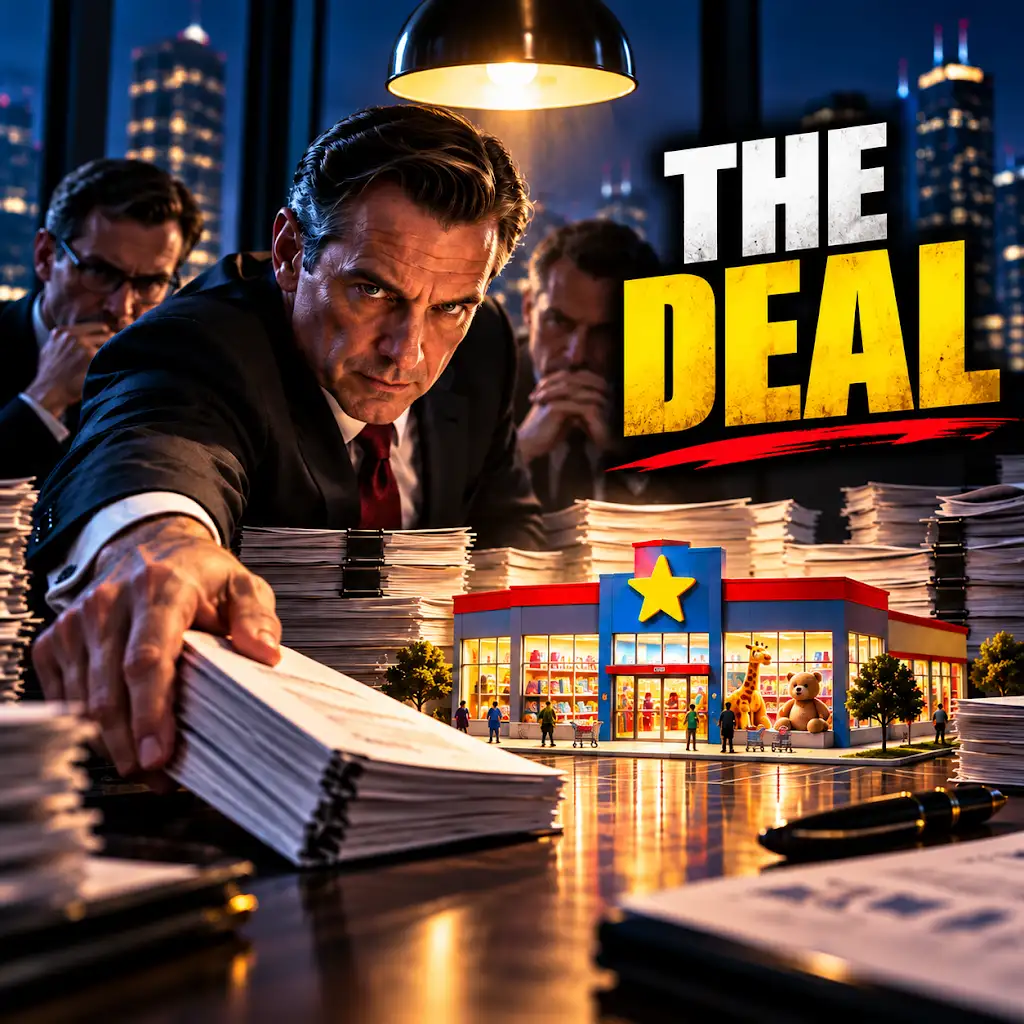
The $6.6 Billion Deal That Left Toys “R” Us Trapped
FAQs
What is a retail bankruptcy case study?
A retail bankruptcy case study is an analysis of a specific retail company that has filed for bankruptcy protection. It examines the reasons behind the bankruptcy, the impact on the company and its stakeholders, and the strategies employed during the bankruptcy process.
What are some common reasons for retail bankruptcies?
Some common reasons for retail bankruptcies include declining sales, high levels of debt, increased competition, changing consumer preferences, and economic downturns. Other factors such as poor management decisions, overexpansion, and lack of innovation can also contribute to retail bankruptcies.
How does a retail bankruptcy case study help other retail companies?
A retail bankruptcy case study can provide valuable insights and lessons for other retail companies facing financial challenges. By examining the factors that led to the bankruptcy, companies can learn from the mistakes of others and make informed decisions to avoid similar pitfalls.
What are some key takeaways from a retail bankruptcy case study?
Some key takeaways from a retail bankruptcy case study may include the importance of financial management, the need for strategic planning, the impact of market trends on retail businesses, the significance of adapting to changing consumer preferences, and the value of seeking professional advice during financial crises.
How can retail companies prevent bankruptcy?
Retail companies can prevent bankruptcy by maintaining a strong financial position, monitoring market trends, adapting to changing consumer preferences, managing debt levels effectively, investing in innovation, and seeking professional advice when facing financial challenges. Implementing sound business strategies and staying agile in a competitive market can also help retail companies avoid bankruptcy.