You might think of financial freedom as a distant horizon, a shimmering mirage you’ll reach when you’ve finally saved enough, paid off your debts, or achieved a certain income. But what if the very foundation of that freedom, the place you lay your head each night, is actively working against you? The impact of housing costs on your financial freedom is profound, often insidious, and dictates the pace at which you can truly escape the daily grind and live life on your own terms.
You diligently track your expenses, budget meticulously, and perhaps even cut back on discretionary spending. Yet, that gnawing feeling of being stuck, of working hard but not seeing your net worth climb significantly, persists. A large portion of this struggle can be directly attributed to the relentless drain of housing costs. Whether you rent or own, the money you allocate to your living situation is likely the single largest recurring expense in your life. And when that expense balloons, it doesn’t just impact your monthly cash flow; it ripples through every aspect of your financial well-being, subtly but powerfully hindering your journey toward financial freedom.
The Fixed Expense That’s Anything But
You might see your rent or mortgage payment as a fixed cost, a predictable outgoing. However, for most, this is far from the truth. Rent prices are notoriously volatile, especially in desirable areas. Even if you secure a lease, that monthly payment can jump significantly upon renewal, forcing you to either absorb the increase, further tightening your budget, or uproot your life to find something more affordable. Similarly, while a mortgage payment might be fixed for a set term, the initial down payment, property taxes, homeowners insurance, and potential for unexpected repairs can create a much larger and less predictable monthly outlay than a simple mortgage calculation might suggest.
The Opportunity Cost of Expensive Shelter
The money you pour into your housing isn’t just disappearing; it’s also money that could be working for you. Imagine if you could divert even a fraction of your monthly housing expense into investments, high-yield savings accounts, or paying down high-interest debt. That substantial sum, consistently allocated elsewhere, would compound over time, building wealth and accelerating your path to financial independence. Instead, you’re essentially paying for a roof over your head without any direct financial return. This opportunity cost is the silent killer of financial dreams, preventing you from building assets that generate passive income or appreciate in value.
The Psychological Weight of Financial Strain
Beyond the numbers, the sheer burden of expensive housing can take a significant psychological toll. Constantly worrying about making rent, dreading the next lease renewal, or feeling the pressure of a hefty mortgage can lead to stress, anxiety, and a feeling of being trapped. This mental anguish can cloud your judgment, make it harder to focus on long-term financial goals, and even lead to poor financial decisions driven by a desire for immediate relief. Financial freedom isn’t just about numbers; it’s also about peace of mind, and the weight of housing costs can severely erode that.
Housing costs play a significant role in determining an individual’s financial freedom, as they often consume a large portion of monthly income, leaving less for savings and investments. For a deeper understanding of how these expenses can impact overall financial well-being, you can explore the article on this topic at How Housing Costs Affect Financial Freedom. This resource provides valuable insights into the relationship between housing expenses and the ability to achieve financial independence.
The Rent Trap: How High Rental Costs Sabotage Savings
For many, renting is a necessity, a stepping stone or a practical choice for flexibility. However, in many markets, the cost of renting has become exorbitant, transforming it from a temporary solution into a perpetual trap that makes building wealth feel like an uphill battle. You’re paying for shelter, but you’re not building equity, and every dollar that goes to your landlord is a dollar that isn’t contributing to your own financial future.
The Perpetual Cycle of Rent Increases
You sign a lease, feeling relatively secure. But as soon as that year is up, you’re back at the mercy of the market. Landlords, especially in areas with high demand, are quick to raise rents, often by significant margins. You’re faced with a difficult choice: absorb the increase and sacrifice other financial goals, or move to a less desirable or more distant location, which can bring its own set of costs and inconveniences. This constant churn and uncertainty makes it incredibly difficult to plan long-term and consistently allocate funds towards savings or investments.
Lack of Equity Building and Wealth Accumulation
The fundamental difference between renting and owning, from a financial perspective, is equity. When you rent, you are essentially paying for a service – the right to live in a property for a set period. You build no ownership stake, no assets that can appreciate in value. Every monthly payment is an expense, not an investment. This means that while you may be saving diligently in other areas, you are not contributing to the creation of your own personal wealth through your primary living expense. The longer you rent in a high-cost area, the more you miss out on the potential for your housing to become a financial asset.
The Impact on Long-Term Financial Goals
Your ability to achieve ambitious financial goals, such as early retirement, starting a business, or achieving financial independence, is directly tied to your capacity to save and invest. When a significant portion of your income is consumed by rent, your ability to save is severely curtailed. You might be able to scrape by, but achieving true financial freedom, which often requires substantial savings and investments, becomes a much more distant prospect. The rent trap forces you to prioritize immediate shelter over long-term prosperity.
The Mortgage Burden: When Homeownership Becomes a Financial Straitjacket
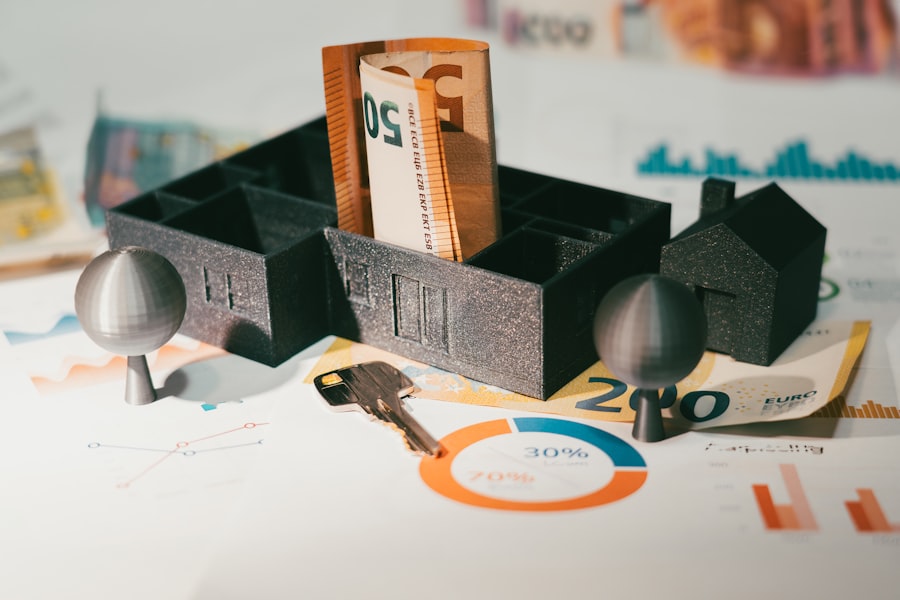
You’ve dreamt of owning your own home, a place to call your own, and a potential investment. For many, this dream is intertwined with the idea of financial security. However, the reality of homeownership, particularly in expensive markets, can quickly transform this dream into a significant financial burden that can actually hinder, rather than help, your journey to financial freedom. The initial outlay, ongoing costs, and the sheer weight of a large mortgage can become a formidable obstacle.
The Down Payment Dilemma: A Barrier to Entry
The first hurdle to homeownership is often the down payment. In many areas, the cost of a home requires a substantial sum to be paid upfront, often tens or even hundreds of thousands of dollars. Saving this amount can take years, if not decades, forcing you to delay homeownership and, consequently, the potential for equity building. This delay can mean missing out on years of property appreciation and the stability that homeownership can offer. If you’re lucky enough to have access to funds for a down payment, it means that a significant chunk of your capital is tied up in a single, illiquid asset, rather than being diversified or used for other wealth-generating activities.
The Relentless March of Mortgage Payments and Interest
Your mortgage payment is often the largest single expense you’ll face for decades. While a portion of each payment goes towards the principal, a significant amount is allocated to interest, especially in the early years of the loan. This interest is essentially the cost of borrowing money, and it’s money that doesn’t contribute to your own net worth. The longer you have a large mortgage, the more interest you pay over time, further increasing the overall cost of your home and detracting from the funds you could be using for investments or other financial goals.
Beyond the Mortgage: Property Taxes, Insurance, and Maintenance
Homeownership extends far beyond your monthly mortgage payment. You are responsible for property taxes, which can increase over time. Homeowners insurance is a mandatory expense to protect your investment. And then there are the inevitable maintenance and repair costs. A leaky roof, a broken appliance, or an aging HVAC system can suddenly present you with unexpected, and often substantial, bills. These additional costs, combined with the mortgage, can make your actual housing expense significantly higher than you initially anticipated, eating into your savings and limiting your financial flexibility.
The Geographic Divide: How Location Dictates Your Financial Destiny

You can meticulously manage your finances, cut every unnecessary expense, and strive for financial discipline, but your location can still be the ultimate determinant of your financial freedom. The stark reality is that housing costs vary dramatically from one region to another, and this geographical divide has a profound impact on your ability to save, invest, and ultimately achieve financial independence. The same income that might afford you a comfortable lifestyle and rapid wealth accumulation in one area could leave you struggling to make ends meet in another.
The Cost of Living Continuum: Urban Sprawl vs. Rural Respite
Major metropolitan areas, with their bustling job markets and vibrant cultural scenes, often come with an exorbitant price tag for housing. The demand for limited living space drives up rents and home prices, making it incredibly challenging for individuals and families to save and invest. Conversely, smaller towns and rural areas often offer significantly lower housing costs. This difference in expenditure can free up a substantial portion of your income, allowing for more aggressive saving, investing, and debt repayment. The choice of where you live, therefore, is not merely a lifestyle decision; it’s a fundamental financial one.
The Trade-offs of Affordability: Career vs. Cost
The allure of higher salaries in expensive cities can be a powerful draw, tempting you with the promise of greater earning potential. However, you must weigh this against the significantly higher cost of living, particularly housing. A higher salary in a high-cost-of-living area might not translate into greater disposable income or a faster path to financial freedom compared to a more moderate salary in an affordable region. You might be earning more, but you’re also spending more, negating much of the financial advantage. This often forces a difficult trade-off between career advancement and financial well-being.
The Impact on Savings Rate and Investment Capacity
Your savings rate – the percentage of your income you set aside – is a critical driver of financial freedom. High housing costs directly suppress your savings rate. When the majority of your income is consumed by rent or mortgage payments, property taxes, insurance, and utilities, there is simply less left over to invest or save for your future goals. In more affordable areas, a lower percentage of your income is dedicated to housing, allowing for a higher savings rate, which in turn accelerates your journey towards financial independence and the ability to weather financial storms.
The rising costs of housing have become a significant barrier to achieving financial freedom for many individuals and families. As more income is allocated towards rent or mortgage payments, there is often less available for savings and investments, which are crucial for building wealth. A related article that delves deeper into this issue can be found at How Wealth Grows, where you can explore various strategies to navigate the challenges posed by high housing costs and enhance your financial well-being. Understanding these dynamics is essential for anyone looking to secure a stable financial future.
Strategies for Breaking Free: Reclaiming Your Financial Future from Housing Costs
| Metric | Description | Impact on Financial Freedom | Example Value |
|---|---|---|---|
| Housing Cost to Income Ratio | Percentage of monthly income spent on housing (rent or mortgage) | Higher ratio reduces disposable income, limiting savings and investments | 30% |
| Monthly Housing Payment | Total monthly payment including mortgage, taxes, insurance | Directly affects cash flow and ability to cover other expenses | 1200 |
| Home Equity | Value of owned home minus outstanding mortgage balance | Increases net worth and can be leveraged for financial opportunities | 50,000 |
| Housing Maintenance Costs | Annual expenses for upkeep and repairs | Unexpected costs can reduce savings and emergency funds | 2000 |
| Opportunity Cost of Housing Investment | Potential returns lost by investing in housing instead of other assets | May limit growth of wealth if housing appreciates slower than alternatives | 5% annual return difference |
| Debt-to-Income Ratio | Percentage of income used to service all debts including housing | High ratio can restrict borrowing capacity and financial flexibility | 40% |
| Rent vs. Buy Cost Comparison | Difference in total monthly costs between renting and owning | Influences decision impacting long-term financial freedom | Rent: 1000, Buy: 1200 |
You’re not powerless against the weight of housing costs. While the problem can feel overwhelming, there are proactive strategies you can implement to mitigate their impact and regain control of your financial future. These strategies require a conscious effort, strategic decision-making, and a willingness to adapt, but they can significantly alter your trajectory towards financial freedom.
The Power of the Side Hustle and Extra Income Streams
When your primary income is largely consumed by housing, you need to find ways to supplement it. A side hustle, whether it’s freelancing, selling crafts, or driving for a rideshare service, can provide an invaluable source of additional income. This extra money can be directly allocated to savings, investments, or paying down high-interest debt, effectively counteracting the drain of housing costs. The more income streams you can cultivate, the more resilient your finances become, and the faster you can achieve your financial goals.
Embracing Frugality and Intentional Spending
Achieving financial freedom requires a commitment to intentional spending, and this is especially true when facing high housing costs. This means scrutinizing every expenditure, differentiating between needs and wants, and actively seeking out ways to reduce your non-housing expenses. This could involve cooking more at home, finding free or low-cost entertainment options, and being mindful of impulse purchases. By freeing up even small amounts of money from other areas, you can redirect it towards your financial goals, making a tangible difference over time.
The Long-Term Vision: Downsizing or Relocating
Sometimes, the most effective solution to overwhelming housing costs is a fundamental shift in your living situation. This might involve downsizing your current home to reduce mortgage payments, property taxes, and utility bills. For those in exceptionally high-cost areas, it could mean considering a relocation to a more affordable region where your money can stretch further, allowing for a higher quality of life and a faster path to financial freedom. This requires careful planning and a willingness to embrace change, but the financial rewards can be immense.
Investing in Financial Literacy and Smart Financial Planning
Ultimately, understanding how housing costs impact your financial freedom is the first step towards overcoming them. Investing time in financial literacy, learning about budgeting, saving strategies, investment vehicles, and debt management is crucial. Developing a comprehensive financial plan that accounts for your housing expenses and outlines clear steps towards your goals will provide you with a roadmap. This knowledge empowers you to make informed decisions, resist financial pitfalls, and actively work towards a future where your living situation supports, rather than hinders, your pursuit of financial freedom.

The More You Earn, the Harder It Is to Walk Away
FAQs
1. How do housing costs impact financial freedom?
Housing costs can significantly affect financial freedom by consuming a large portion of income, limiting the ability to save, invest, or spend on other priorities.
2. What are some common housing costs that can impact financial freedom?
Common housing costs include mortgage or rent payments, property taxes, homeowners insurance, maintenance and repairs, utilities, and homeowners association fees.
3. How can high housing costs lead to financial stress?
High housing costs can lead to financial stress by causing individuals to live paycheck to paycheck, accumulate debt, delay saving for retirement, or experience difficulty in achieving other financial goals.
4. What are some strategies to manage housing costs and improve financial freedom?
Strategies to manage housing costs and improve financial freedom include budgeting, downsizing to a more affordable home, refinancing a mortgage, negotiating rent, reducing energy consumption, and exploring housing assistance programs.
5. How can understanding the impact of housing costs on financial freedom help individuals make better financial decisions?
Understanding the impact of housing costs on financial freedom can help individuals make informed decisions about their housing choices, prioritize financial goals, create a sustainable budget, and work towards achieving long-term financial stability.