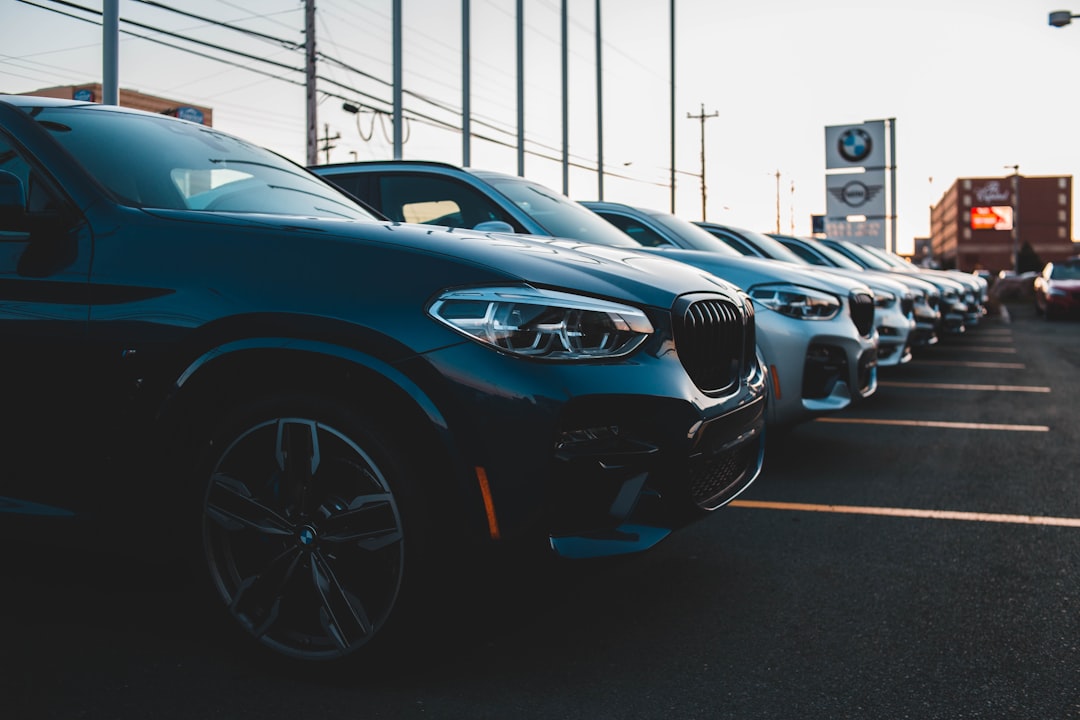
You’ve always dreamed of it. The sleek lines, the intoxicating scent of leather, the purr of an engine that hints at untamed power. The luxury car. It’s more than just a mode of transportation; it’s a statement, a reward, a tangible manifestation of success. You imagine yourself gliding through city streets, turning heads, feeling a sense of accomplishment with every mile. But have you truly considered the full price of that dream? It’s a purchase that extends far beyond the initial sticker shock, weaving a complex tapestry of ongoing expenses that can quietly erode your finances.
The moment you step onto the gleaming showroom floor, you’re already facing a significant financial hurdle. The MSRP (Manufacturer’s Suggested Retail Price) is just the tip of the iceberg. You’ll need to factor in taxes, registration fees, and potentially a hefty down payment, especially if you’re financing the purchase.
Depreciation: The Silent Thief of Value
One of the most significant, yet often overlooked, costs of luxury car ownership is depreciation. These vehicles, with their advanced technology and high-end materials, tend to lose value at a much faster rate than their more utilitarian counterparts. Think of it as a steep cliff face; the moment you drive that pristine vehicle off the lot, its value plummets.
The First Few Years: The Steepest Drop
The most dramatic depreciation typically occurs within the first three to five years of ownership. A car that cost you $150,000 might be worth closer to $75,000 or even less after just half a decade. This isn’t just an abstract number; it’s money that has vanished from your net worth, gone forever.
The Impact on Resale Value
This rapid depreciation significantly impacts your resale value. When it comes time to trade in or sell your luxury vehicle, you’ll likely receive far less than you originally paid, even if it’s in excellent condition. This can make upgrading to another vehicle a much more expensive proposition than you might have anticipated.
Financing: The Cost of Borrowed Dreams
Unless you’re paying cash – a rare luxury for most – you’ll likely be financing your dream car. This means interest payments, which add a substantial amount to the overall cost of ownership over the life of the loan.
Interest Rates: The Hidden Premium
Luxury car loans often come with slightly higher interest rates compared to loans for more mainstream vehicles. This is due to the perceived higher risk associated with the value of the asset. Even a seemingly small difference in interest rate can translate into thousands of dollars in extra payments over a multi-year loan term.
Loan Terms: Stretching Your Payments, Stretching Your Costs
Shorter loan terms mean higher monthly payments, which can be a significant strain on your budget. Longer loan terms, while making monthly payments more manageable, mean you’ll be paying interest for a longer period, ultimately increasing the total amount you spend on the car.
Owning an expensive car often comes with hidden costs that can significantly impact your finances. For a deeper understanding of these expenses, you can explore the article that discusses the true cost of owning luxury vehicles. It highlights not only the purchase price but also factors like insurance, maintenance, and depreciation. To read more about this topic, visit the article here: The True Cost of Owning an Expensive Car.
The Ongoing Expenses: Where the Real Money Goes
Once you’ve navigated the initial purchase, the financial commitments don’t cease. In fact, they often escalate. The exquisite engineering and specialized components that define a luxury car also contribute to a higher cost of maintenance and repair.
Insurance Premiums: Protecting Your Investment
Naturally, insuring a vehicle with a high replacement value is going to be more expensive. Insurers see luxury cars as a greater risk due to the cost of repairs and the higher likelihood of theft.
Comprehensive and Collision Coverage: Essential and Costly
You’ll almost certainly need comprehensive and collision coverage, which protects against damage from accidents, theft, and other perils. These coverages are priced based on the value of the vehicle, making them significantly more expensive for a luxury model.
Higher Deductibles: A Trade-off for Lower Premiums?
While you might explore higher deductibles to lower your monthly premiums, this means you’ll be responsible for a larger chunk of the repair bill out-of-pocket in the event of an incident. For a luxury car, even a minor fender-bender can result in substantial repair costs, making that higher deductible a potentially significant risk.
Maintenance: The Price of Perfection
The precision engineering and specialized components of luxury vehicles necessitate specialized maintenance. This isn’t the kind of car you take to your local independent mechanic for a quick oil change.
Dealership Service: The Gold Standard, and the Gold Price Tag
Luxury car dealerships often have exclusive service centers with highly trained technicians who specialize in your particular brand. While this ensures expert care, it also comes with a premium price tag. Expect to pay significantly more for routine maintenance services like oil changes, tire rotations, and filter replacements compared to non-luxury vehicles.
Specialized Parts: When Nothing Else Will Do
When something does go wrong, the cost of replacement parts can be astronomical. These aren’t generic parts you can pick up at any auto parts store. They are often custom-made, imported, and designed to exacting specifications, driving up repair bills exponentially.
Extended Warranties: A Double-Edged Sword
You might be offered an extended warranty, which can provide peace of mind. However, these warranties are also costly and may have limitations or exclusions that you only discover when you need to make a claim. Carefully read the fine print and weigh the cost against the potential benefit.
Fuel Consumption: The Thirst of the High-Performance Engine
Many luxury cars are performance-oriented, boasting powerful engines that, while exhilarating to drive, are also notoriously thirsty. You’ll be spending more at the pump, especially if you opt for a high-performance model.
Premium Fuel: A Non-Negotiable Requirement
Most luxury vehicles require premium unleaded gasoline, which is consistently more expensive than regular unleaded. This is a mandatory expense that adds up quickly.
Miles Per Gallon: The Reality of Performance
While some luxury cars are becoming more fuel-efficient, many still lag behind their less powerful counterparts. You’ll be consuming more fuel per mile, leading to a higher overall fuel budget. Consider the trade-off between performance and fuel economy; are the thrill of acceleration and the roar of the engine worth the constant drain on your wallet?
The Hidden Costs: The Unforeseen Expenses

Beyond the predictable, there are often less obvious expenses that can creep into your luxury car ownership experience. These are the costs that often catch owners by surprise.
Tire Replacement: A Singular Expense
Luxury cars often come with specialized, high-performance tires. These tires are designed for grip, handling, and speed, but they also wear out faster and are significantly more expensive to replace than standard tires. A full set of replacement tires can easily run into thousands of dollars.
The Treadwear Factor
The aggressive tread patterns and softer rubber compounds that contribute to superior performance also lead to accelerated wear. You might find yourself replacing tires much sooner than you would on a more conventional vehicle.
Rim Damage: An Expensive Mishap
Luxury cars often feature large, low-profile wheels. While stylish, these are also more susceptible to damage from potholes, curbs, and other road hazards. Repairing or replacing a damaged rim can be a costly endeavor.
Detailing and Protective Treatments: Maintaining the Shine
To keep your luxury vehicle looking its best, you’ll likely invest in regular professional detailing and protective treatments. These services, while enhancing the aesthetics and protecting your investment, are not cheap.
Ceramic Coatings and Paint Protection Films: A Premium Investment
These advanced treatments can add significant cost but are often seen as essential for maintaining the pristine condition of a luxury car’s paintwork.
Interior Care: Protecting the Sanctuary
The exquisite leather, wood, and other premium materials within the cabin also require specialized care to prevent wear, cracking, and staining. This adds to your ongoing maintenance budget.
Parking and Tolls: The Price of Access
In urban environments where luxury cars are often most visible, parking can be an exorbitant expense. Valet parking fees, exclusive parking garages, and daily parking rates can add up quickly. Similarly, if you frequently use toll roads, the cost of passing through toll booths adds another recurring expense.
The Emotional and Psychological Toll: More Than Just Financial
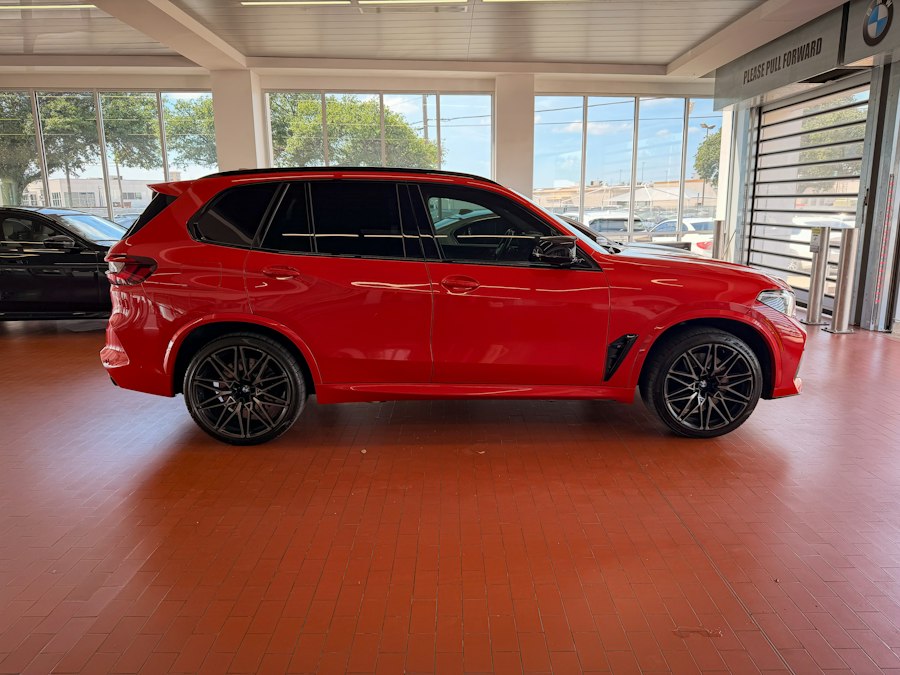
The financial burden is significant, but the emotional and psychological toll of owning a luxury car can also be substantial. You’re constantly aware of the car’s value, which can breed a sense of anxiety.
The Fear of Damage: A Constant Companion
Every scratch, every ding, every pothole becomes a source of stress. You’ll find yourself hyper-vigilant, constantly worried about minor imperfections that could detract from the car’s pristine appearance and value.
Parking in Public Places: A Calculated Risk
The decision of where to park your luxury car can become a strategic maneuver. You might avoid crowded parking lots, opt for more expensive covered parking, or even forgo certain activities altogether to protect your investment.
The Pressure to Maintain Perfection
There’s an unspoken pressure to keep your luxury car in immaculate condition. This can lead to a constant need for cleaning, waxing, and minor repairs, adding to the time and money you invest.
The Temptation to Overspend: Lifestyle Creep
Owning a luxury car can often be accompanied by a desire to match your lifestyle to your vehicle. This can lead to overspending on other luxury goods, experiences, and services, creating a cycle of escalating expenses.
Dining Out and Entertainment: Matching the Image
You might find yourself gravitizing towards more upscale dining and entertainment options to align with the image your car projects.
Designer Accessories: The Complementary Choices
The allure of complementary designer accessories, from watches to clothing, can be a natural extension of the luxury car lifestyle, further contributing to your overall spending.
Owning an expensive car often comes with hidden costs that can significantly impact your finances over time. For instance, maintenance, insurance, and depreciation can add up quickly, making the true cost of ownership much higher than the initial purchase price. To gain a deeper understanding of these financial implications, you might find it helpful to read a related article on wealth management strategies. This resource provides valuable insights into how to effectively manage your expenses while still enjoying the luxury of a high-end vehicle. You can explore more about this topic in the article found here.
Is It Worth It? A Personal Calculation
| Cost Category | Estimated Annual Cost | Description |
|---|---|---|
| Depreciation | 15,000 | Loss in vehicle value over time, typically the largest cost |
| Insurance | 3,500 | Premiums for comprehensive and collision coverage on luxury vehicles |
| Maintenance & Repairs | 2,500 | Regular servicing and unexpected repairs, often higher for expensive cars |
| Fuel | 2,000 | Cost of premium fuel and higher consumption rates |
| Financing | 1,800 | Interest payments on loans or leases |
| Registration & Taxes | 1,200 | Annual registration fees and luxury car taxes |
| Parking & Storage | 1,000 | Secure parking or garage costs to protect the vehicle |
| Total Estimated Annual Cost | 26,000 | Combined yearly expenses for owning an expensive car |
The true cost of owning a luxury car is a multifaceted equation that extends far beyond the initial purchase price. It involves a continuous stream of expenses for insurance, maintenance, fuel, and the inevitable depreciation. You must ask yourself: are the intangible benefits – the prestige, the performance, the sheer enjoyment of driving – worth the significant and ongoing financial commitment?
Your Financial Capacity: An Honest Assessment
Before you even step into that showroom, you must conduct an honest and thorough assessment of your financial capacity. Can you comfortably afford not just the monthly payments, but also the projected ongoing costs without compromising your other financial goals?
Budgeting for the Unexpected
It’s crucial to budget for the unexpected. Luxury car repairs can be costly and unpredictable. Having a dedicated emergency fund for potential car-related expenses is a wise precaution.
Opportunity Cost: What Else Could That Money Do?
Consider the opportunity cost. That significant amount of money tied up in a depreciating asset could be invested, used for a down payment on a home, or fund other life experiences.
The Intangible Rewards: Beyond the Dollar Value
Ultimately, the decision to own a luxury car is a personal one. While the financial implications are undeniable, the emotional rewards – the pride, the sense of accomplishment, the sheer pleasure of driving a finely crafted machine – are also real. You must weigh these intangible benefits against the tangible costs and determine if the equation makes sense for you, your lifestyle, and your financial future. Only then can you truly understand the true cost of your dream car.

The More You Earn, the Harder It Is to Walk Away
FAQs
What factors contribute to the true cost of owning an expensive car?
Factors that contribute to the true cost of owning an expensive car include the initial purchase price, insurance costs, maintenance and repair expenses, fuel costs, depreciation, and taxes.
How does depreciation affect the true cost of owning an expensive car?
Depreciation is a significant factor in the true cost of owning an expensive car as luxury vehicles tend to lose their value quickly. This can result in a substantial financial loss when the owner decides to sell or trade in the vehicle.
Are insurance costs higher for expensive cars?
Yes, insurance costs are typically higher for expensive cars due to their higher value and repair costs. Luxury vehicles are also more likely to be targeted by thieves, leading to higher insurance premiums.
What are some common maintenance and repair expenses associated with owning an expensive car?
Common maintenance and repair expenses for expensive cars include specialized parts and labor costs, regular servicing at authorized dealerships, and potential warranty exclusions for certain repairs.
How can owners mitigate the true cost of owning an expensive car?
Owners can mitigate the true cost of owning an expensive car by researching insurance options, performing regular maintenance to prevent costly repairs, considering aftermarket warranties, and being mindful of depreciation when purchasing a luxury vehicle.