You’ve likely experienced it. That faint pang of regret, that slight hesitation, that internal sigh when you reach for your wallet. It’s not about the sheer volume of money leaving your possession, or even necessarily the perceived value of what you’re buying. It’s something deeper, a subtle psychological hurdle that influences your purchasing decisions more than you might realize. This is the essence of the “pain of paying.”
Understanding this psychological phenomenon can be incredibly illuminating, both as a consumer navigating the marketplace and as an individual looking to make more conscious and satisfying financial choices. It’s about recognizing the emotional weight attached to spending, and how to manage it effectively.
The pain of paying isn’t a flaw in your character; it’s a fundamental aspect of human behavior deeply rooted in our evolutionary history and cognitive processes. Our brains are wired to perceive loss more acutely than gain, and spending money, by its very nature, represents a loss of resources.
Loss Aversion: The Evolutionary Edge
Think back to a time when resources were scarce. Every nut you gathered, every berry you picked, was a tangible asset that directly contributed to your survival. Giving up those resources, even for something desirable, came with a risk. This evolutionary imperative to cling to what we possess is known as loss aversion. Studies in behavioral economics have consistently shown that the negative emotional impact of losing a certain amount of money is psychologically stronger than the positive emotional impact of gaining the same amount. When you spend money, you’re essentially “losing” it, and your brain registers this as a potential threat, however small. This primal instinct, while no longer a matter of immediate survival, still informs your emotional response to transactions.
The Cognitive Dissonance of Spending
Beyond loss aversion, the act of spending can also trigger cognitive dissonance. This is the mental discomfort experienced when you hold two or more contradictory beliefs, ideas, or values, or when your beliefs clash with your actions. For instance, you might believe in saving money for the future, but then find yourself impulsively buying an expensive gadget. The act of spending creates a conflict with your internal value system, leading to a feeling of unease. The greater the discrepancy between your beliefs about the importance of money and your spending behavior, the more intense this dissonance, and subsequently, the greater the pain of paying.
Opportunity Cost: The Road Not Taken
Every dollar you spend is a dollar you cannot spend elsewhere. This is the concept of opportunity cost. When you make a purchase, you’re implicitly giving up the potential benefits of all the other things you could have done with that money. Did you buy a fancy coffee instead of putting that money towards a down payment on a house? Did you splurge on a new outfit instead of investing it for your retirement? The awareness of these forgone opportunities, even if subconscious, contributes to the pain of paying. It’s the nagging feeling that perhaps a better use of those funds existed.
The Tangibility Factor: Seeing is Believing (and Hurting)
The way we experience a transaction has a significant impact on the pain of paying. Physically handing over cash or watching the numbers dwindle on your bank statement creates a more visceral connection to the loss. This is why cash is often cited as a more “painful” way to pay than credit cards. The tangible nature of cash makes the depletion of resources undeniable.
Cash vs. Card: A Tale of Two Payments
When you use cash, the act of parting with physical bills or coins is a direct and immediate representation of your spending. You see the money disappear from your wallet. This visual and tactile experience reinforces the sense of loss. Credit cards, on the other hand, introduce a layer of abstraction. The transaction is often swift and impersonal. You swipe or tap, and the money is gone, but the immediate visual evidence of your depleted funds is absent. This delayed feedback loop can reduce the immediate pain of paying, making it easier to overspend.
Digital Payments: The Invisible Drain
The rise of digital payment methods, like mobile wallets and one-click online purchases, has further amplified this abstraction. With just a tap or a click, transactions are completed without any physical exchange. This seamlessness, while convenient, can effectively mask the true cost of your purchases, making the pain of paying almost entirely invisible. This detachment can lead to a more relaxed approach to spending, as the immediate emotional consequence is minimized.
The psychology behind the pain of paying is a fascinating topic that explores how consumers experience discomfort when parting with their money. This concept is intricately linked to various aspects of consumer behavior and decision-making. For a deeper understanding of this phenomenon, you can read a related article that delves into the intricacies of financial psychology and its impact on spending habits. Check it out here: How Wealth Grows.
Factors Amplifying the Pain of Paying
While the core psychological mechanisms are universal, certain factors can significantly amplify the pain of paying. Recognizing these triggers can help you identify situations where you might be more susceptible to financial anxiety and develop strategies to mitigate it.
Price Sensitivity and Perceived Value
The most obvious amplifier of the pain of paying is the price itself. However, it’s not just the absolute number but also your perceived value of what you’re buying. If you feel an item is overpriced or doesn’t offer commensurate value for its cost, the pain of paying will be magnified.
High-Ticket Items: The Bigger the Hit, The Bigger the Hurt
Purchasing a high-priced item, such as a car or a major appliance, naturally carries a greater weight. The sheer size of the transaction means a significant chunk of your financial resources is being allocated. This substantial commitment intensifies the feeling of loss and the consideration of opportunity costs. You’re not just buying a product; you’re making a significant financial decision with long-term implications.
Unnecessary Luxuries: The Guilt Factor
Spending on luxury items or impulse purchases that you don’t truly need can also heighten the pain of paying, often accompanied by a sense of guilt. This is because these purchases often clash more directly with conscious financial goals like saving or debt reduction. The internal conflict is more pronounced, making the expenditure feel less justified and therefore more painful.
Decision Fatigue and Cognitive Load
The more decisions you have to make, the more mentally exhausted you become. This “decision fatigue” can significantly impact your ability to make rational financial choices and can amplify the pain of paying. When your cognitive resources are depleted, you become more prone to impulsive behavior and less able to weigh the pros and cons of a purchase.
The Overwhelmed Shopper: Too Many Choices, Too Much Pain
Imagine walking into a store with an overwhelming array of options. The sheer mental effort required to process each choice, compare features, and consider prices can leave you drained. In such a state, making a purchase, even a relatively small one, can feel like a relief from the decision-making process, but the underlying fatigue can still contribute to a feeling of regret or a heightened awareness of the cost.
The “Just Get It Done” Mentality: Rushing Through Purchases
When you’re feeling overwhelmed or rushed, you might be tempted to make a purchase simply to move on. This “just get it done” mentality, driven by decision fatigue, can lead to less thoughtful spending and an increased likelihood of experiencing the pain of paying later when you reflect on the unconsidered purchase.
Framing and Presentation: How the Price is Shown
The way a price is presented can dramatically influence your perception and, consequently, the pain of paying. Marketers are acutely aware of this psychological principle and use various framing techniques to minimize the sting of expenditure.
Discounts and Sales: The Illusion of Savings
Sales, discounts, and “limited-time offers” are designed to reduce the perceived pain of paying. By highlighting the amount you’re “saving,” these tactics shift the focus from the money leaving your pocket to the perceived bargain you’re securing. The emphasis on the positive outcome (saving money) can override the negative experience of spending it.
Anchoring and Price Comparisons: Setting the Benchmark
Anchoring is a cognitive bias where an initial piece of information (the “anchor”) influences subsequent judgments. In pricing, this often involves showing a higher “original” price next to a discounted price. This makes the discounted price seem more attractive, even if the original price was inflated. Similarly, price comparisons with competitors can make your own pricing seem more reasonable, thereby reducing the pain of paying.
Subscription Models and Bundling: Spreading the Pain
Subscription services and bundled packages can also lessen the immediate pain of paying. Instead of a large upfront cost, you pay smaller, recurring amounts. This fractionalization of payment makes the individual payments feel less significant, even though the cumulative cost over time might be higher. Bundling offers also present a single price for multiple items, making it harder to isolate the cost of individual components and thus potentially reducing the pain of paying for each one.
Strategies to Mitigate the Pain of Paying

Fortunately, understanding the pain of paying empowers you to develop strategies for a more mindful and less painful financial experience. These techniques involve conscious effort and a shift in perspective.
The Power of Delayed Gratification: Waiting for the Right Moment
One of the most effective ways to combat the pain of paying is to embrace delayed gratification. Instead of indulging in immediate desires, learning to wait for a more opportune moment can significantly alter your perception of the purchase.
The “24-Hour Rule” for Impulse Buys: Letting it Settle
For non-essential purchases, implement a “24-hour rule” or even a “72-hour rule.” If you see something you want, write it down and wait a designated period before making the purchase. During this time, you can reflect on whether you truly need it, if it aligns with your financial goals, and if the perceived value still holds. Often, the initial urge fades, and the pain of paying is significantly reduced or eliminated altogether.
Saving Up for Purchases: Earning the Right to Spend
When you save up for a specific item, you invest time, effort, and discipline. This process imbues the purchase with a sense of earned reward. The money you’ve diligently set aside feels more valuable, and the act of spending it feels less like a loss and more like the culmination of your efforts. This makes the purchase feel more justified and satisfying.
Making Payments More Painful (Counterintuitively!)
This might seem counterintuitive, but intentionally making your payments more tangible and conscious can actually reduce long-term financial regret and the overall pain of paying.
Re-embracing Cash: The Tactile Reminder
As mentioned earlier, using cash can be more painful. Consider using cash for specific categories of spending, like groceries or entertainment. This tangible experience serves as a constant reminder of your spending limits and can encourage more deliberate choices. It’s a way to introduce a healthy dose of financial awareness back into your transactions.
Budgeting with Physical Envelopes: A Visual Commitment
A classic budgeting technique involves allocating cash into physical envelopes for different spending categories. Once the cash in an envelope is gone, you can’t spend any more in that category until the next budgeting period. This visual representation of depleted funds makes overspending much harder and the act of reaching the end of an envelope more impactful, thus reducing the pain of paying through a clearer understanding of your limits.
Shifting Your Mindset: Focusing on Value and Benefits
The pain of paying is largely about focusing on the loss. Shifting your focus to the value and benefits you gain from a purchase can fundamentally change your emotional response.
Focusing on the “After” State: What You Gain
Before making a purchase, ask yourself: “What problem does this solve?” or “How will this improve my life?” Instead of dwelling on the money leaving your account, concentrate on the positive outcomes the purchase will bring. This could be increased productivity from a new tool, improved health from healthier food, or enhanced enjoyment from a new piece of entertainment.
Gratitude for Your Resources: Appreciating What You Have
Cultivating gratitude for your financial resources can also diminish the pain of paying. When you appreciate the effort and opportunities that allowed you to earn money, you are less likely to feel a sense of entitlement or carelessness when spending it. This appreciation can lead to more thoughtful and fulfilling purchases.
Understanding Your Personal Triggers: Self-Awareness is Key
Recognizing your individual tendencies and triggers for the pain of paying is crucial for developing effective personal strategies.
Identifying Your “Pain Points”: When Does it Hurt Most?
Are you more prone to the pain of paying when you’re stressed? Or when you’re making a purchase alone versus with others? Do certain types of products or services trigger a stronger negative reaction? Identifying these “pain points” allows you to anticipate and prepare for situations where you might be more susceptible to financial anxiety.
Reflecting on Past Purchases: Learning from Experience
Take time to reflect on past purchases. Which ones brought you lasting satisfaction? Which ones did you later regret? Analyze the circumstances surrounding both positive and negative spending experiences. What were the decision-making processes? What were the emotional states? This retrospective analysis provides valuable insights into your personal financial psychology.
The Role of Marketing and Business in the Pain of Paying

Businesses and marketers are constantly seeking ways to minimize the pain of paying for their customers. Understanding these tactics can help you become a more discerning consumer.
Reducing Transaction Friction: Making it Effortless
The easier it is to pay, the less pain a customer is likely to feel. Businesses invest heavily in creating frictionless payment experiences.
One-Click Purchasing and Saved Payment Details: The Convenience Trap
The advent of one-click purchasing and the ability to save your payment details with online retailers has revolutionized e-commerce. While incredibly convenient, these features significantly reduce the friction associated with spending, thereby lowering the immediate pain of paying. It removes the cognitive steps and the explicit confirmation of expenditure.
Contactless Payments and Mobile Wallets: The Seamless Transaction
Contactless payment methods, like tapping your card or phone, and mobile wallets have made paying faster and more seamless than ever. The quick and unobtrusive nature of these transactions minimizes the psychological “ouch” that can accompany traditional payment methods.
Framing the Price: Influencing Perception
As discussed earlier, how prices are framed is a powerful tool for marketers.
“Buy Now, Pay Later” Options: Deferring the Pain
“Buy now, pay later” (BNPL) services are a prime example of deferring the pain of paying. By allowing consumers to split purchases into smaller, interest-free installments, these services make larger purchases feel more accessible and reduce the immediate sting of a large upfront payment. While this can be a useful tool, it’s important to be aware of the potential for overspending if not managed carefully.
Bundling and Tiered Pricing: Creating Value Perceptions
Bundling products and services, or offering tiered pricing, can also influence the pain of paying. By presenting a single, often attractive, price for a package of goods, businesses can obscure the individual cost of each item, making the overall purchase feel like a better deal. Tiered pricing allows consumers to choose a level of service that aligns with their perceived value, potentially making the higher tiers feel more justifiable.
The Psychology of Scarcity and Urgency: Driving Action
Creating a sense of scarcity or urgency can override the pain of paying by triggering a fear of missing out (FOMO).
“Limited Time Only” and “Low Stock” Alerts: The Urgency Tactic
Marketing messages like “limited time only” or “only a few left in stock” are designed to create a sense of urgency. This can prompt consumers to make impulse purchases, prioritizing the fear of missing out over the potential pain of paying. The immediate gratification and the perceived exclusivity can outweigh the financial considerations.
Flash Sales and Daily Deals: The Thrill of the Bargain
Flash sales and daily deal platforms capitalize on the excitement of securing a bargain. The short duration and significant discounts create a sense of urgency and a feeling of triumph when a good deal is secured, often leading to purchases that might not have been made otherwise.
Understanding the pain of paying is crucial for both consumers and businesses, as it influences purchasing decisions and overall financial behavior. A related article that delves deeper into this psychological phenomenon can be found at How Wealth Grows, where the intricate relationship between spending and emotional responses is explored. By examining how different payment methods can amplify or reduce this pain, individuals can make more informed choices about their finances.
The Long-Term Implications: Towards a Healthier Financial Relationship
| Metric | Description | Psychological Impact | Example |
|---|---|---|---|
| Immediate Payment | Paying at the point of purchase | High pain of paying due to instant loss of money | Cash payment at checkout |
| Delayed Payment | Payment occurs after consumption | Reduced pain of paying as the cost is less salient | Credit card billing |
| Payment Transparency | How visible the payment is during transaction | Higher transparency increases pain of paying | Itemized receipts vs bundled bills |
| Payment Method | Type of payment used (cash, card, digital) | Cash induces more pain than cards or digital payments | Using cash vs mobile wallet |
| Emotional Response | Feelings triggered by payment | Negative emotions like regret or guilt increase pain | Feeling regret after an expensive purchase |
| Spending Awareness | Consciousness of money leaving one’s possession | Higher awareness leads to greater pain of paying | Watching cash leave hand vs swiping card |
Understanding the pain of paying isn’t just about making immediate purchases feel better. It’s about fostering a healthier and more sustainable relationship with your finances in the long run.
Avoiding Buyer’s Remorse and Financial Stress
By consciously managing the pain of paying, you can significantly reduce the likelihood of buyer’s remorse. When your spending decisions are more deliberate and aligned with your values, you’re less likely to experience regret, which in turn contributes to lower financial stress and a greater sense of financial well-being.
Building Sustainable Spending Habits: Conscious Consumption
Recognizing the psychological hurdles associated with spending encourages you to adopt more conscious consumption habits. This means moving away from impulsive or reactive spending and towards a more intentional approach that aligns with your goals and values. This shift leads to more meaningful purchases and a stronger sense of control over your finances.
The Art of Value Appreciation: More Than Just Price
Ultimately, understanding the pain of paying is about appreciating value beyond the price tag. It’s about recognizing the true cost of your decisions, not just in monetary terms, but in terms of your time, your resources, and your overall financial well-being. By mastering this understanding, you can navigate the marketplace with greater confidence, make more satisfying choices, and build a more secure and fulfilling financial future. You can learn to spend not out of impulse or obligation, but out of a clear understanding of what truly brings you value.
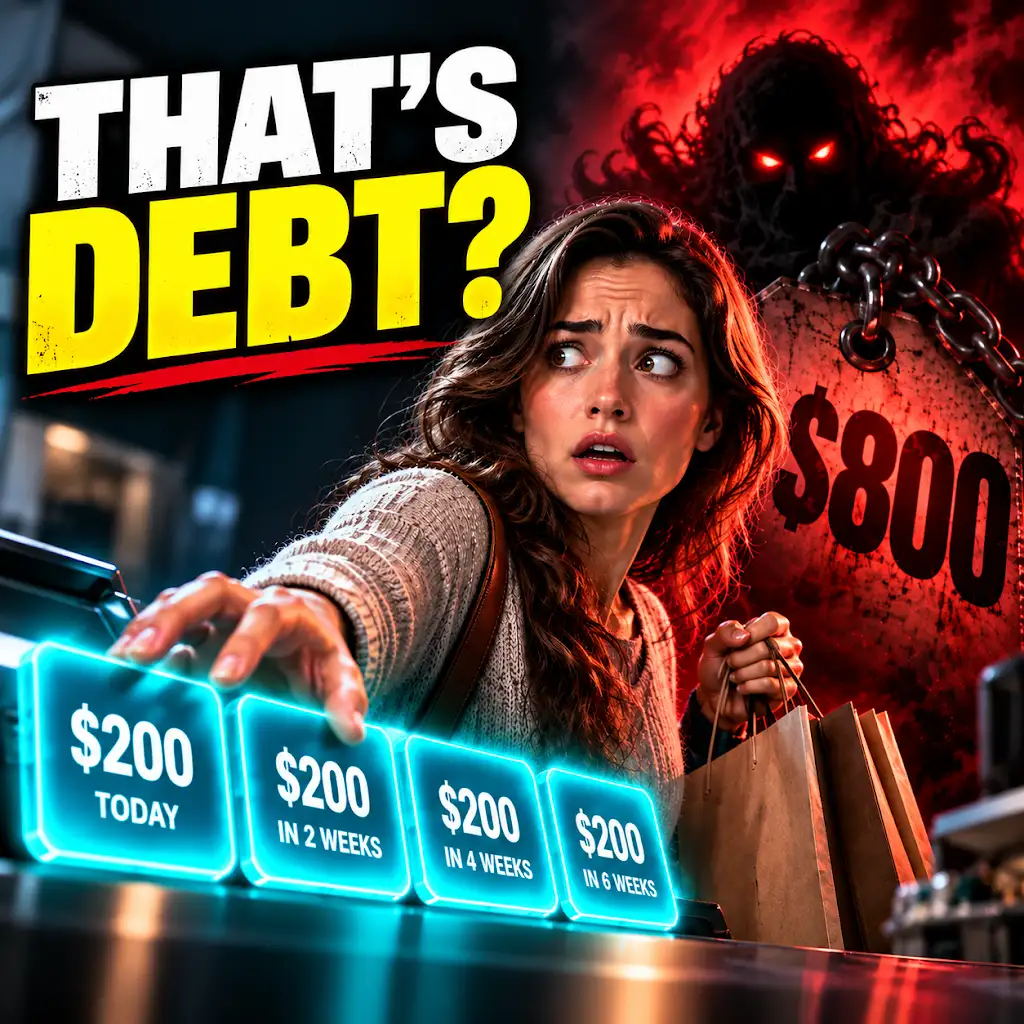
Why $800 Doesn’t Feel Like $800 Anymore
FAQs
What is the pain of paying psychology?
The pain of paying psychology refers to the negative emotions or discomfort people feel when parting with their money to make a purchase.
How does the pain of paying psychology affect consumer behavior?
The pain of paying psychology can influence consumer behavior by making individuals more hesitant to spend money, leading to increased scrutiny of purchases and a tendency to avoid unnecessary expenses.
What factors contribute to the pain of paying psychology?
Factors that contribute to the pain of paying psychology include the perceived value of the purchase, the method of payment (cash vs. credit card), the timing of the payment, and individual differences in financial attitudes and behaviors.
Can businesses use the pain of paying psychology to their advantage?
Yes, businesses can use the pain of paying psychology to their advantage by offering payment options that minimize the perceived pain of spending, such as installment plans or subscription services.
How can individuals overcome the negative effects of the pain of paying psychology?
Individuals can overcome the negative effects of the pain of paying psychology by setting clear financial goals, creating a budget, practicing mindful spending, and being aware of their emotional triggers when making purchasing decisions.