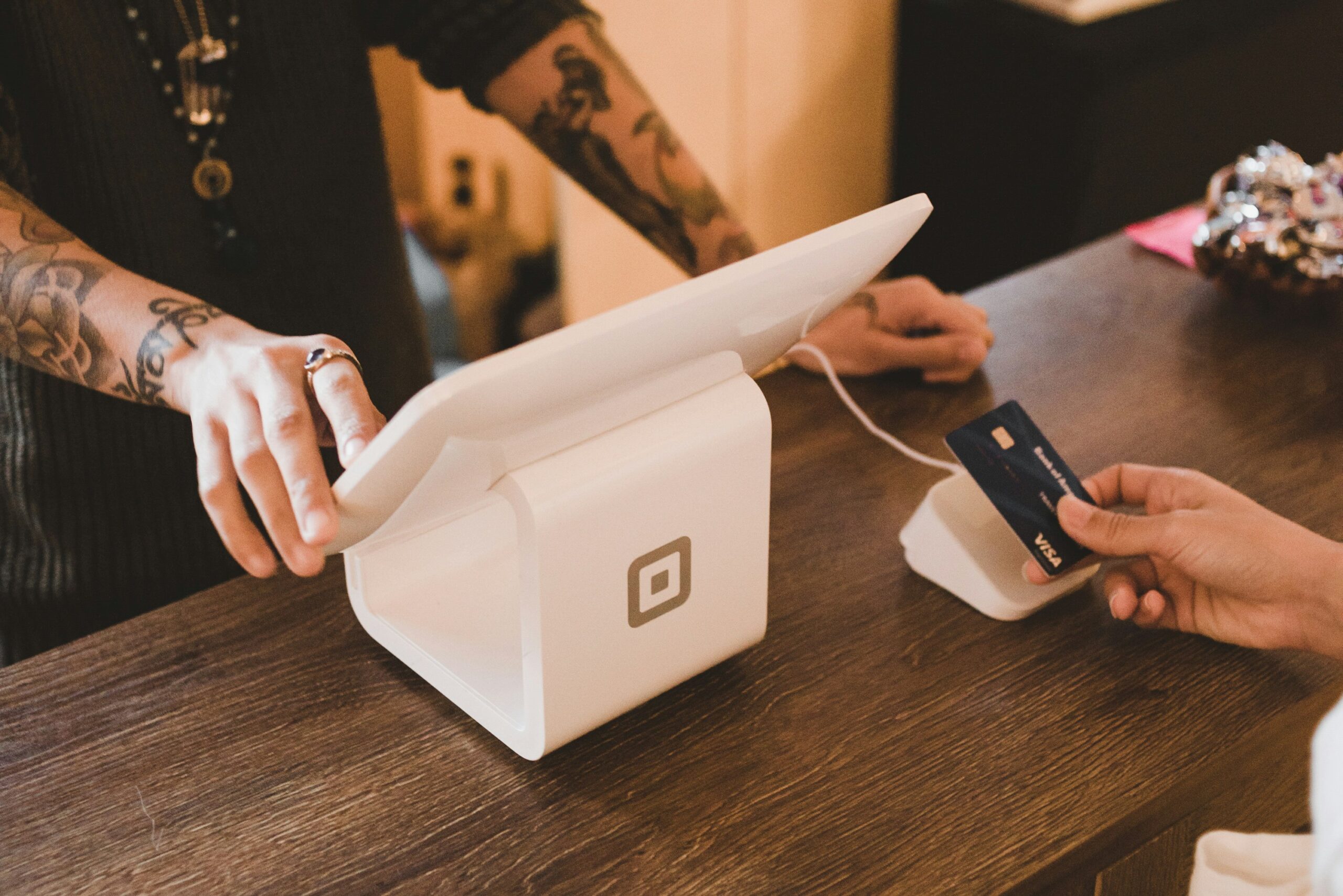
You’ve probably felt it. That little pang of guilt, or perhaps a surge of freedom, when you tap your card, scan a code, or hand over crumpled bills. It’s not just about the transaction; it’s about the subtle, and sometimes not-so-subtle, ways payment methods sculpt your spending habits. You might think you’re making purely rational financial decisions, but the very mechanism you use to pay is a powerful, often invisible, influencer. This exploration will delve into how your choice of payment impacts your wallet, your psychology, and ultimately, your financial well-being.
It’s a curious human phenomenon, isn’t it? The abstract nature of digital payments versus the tangible reality of cash. This disconnect has profound implications for how you perceive the act of spending. When you hand over cash, there’s a direct, physical depletion of your resources. You see the money leave your hand, and you feel its absence. This visceral connection makes you more mindful of each purchase. It’s a concrete representation of the value you’re exchanging.
The Tangibility of Cash: A Built-in Friction
Think back to the last time you paid for something with cash. It’s a deliberate act. You reach into your wallet, count out the bills, and physically give them to the cashier. This process involves a series of steps that create a mental barrier, a moment of reflection. This “friction” is precisely what makes cash a potent tool for budget-conscious individuals.
The “Pain of Paying” with Physical Currency
Researchers often refer to the “pain of paying.” This refers to the discomfort or negative emotion you might experience when parting with money. Cash, due to its tangibility, amplifies this pain. Every dollar you hand over is a visible representation of a dollar you no longer possess. This inherent friction acts as a natural brake on impulsive spending. When you’re contemplating a non-essential purchase, the thought of seeing your cash dwindle can be enough to make you reconsider. You’re not just abstractly “spending”; you’re physically diminishing your available funds. This can lead to more considered purchases, aligning your spending with your actual budget and needs rather than fleeting desires.
Budgeting with Physical Limits
For many, cash is king when it comes to budgeting. You can allocate specific amounts of cash to different spending categories – groceries, entertainment, personal care. Once the cash is gone, it’s gone. This creates a clear, immediate limit. You can’t overspend your grocery budget if you’ve only allocated a certain amount of cash for it. This tangible limitation forces you to make trade-offs and prioritize. It’s a more immediate and impactful way to stay within your financial boundaries compared to the seemingly endless possibilities of a credit card.
The Abstraction of Digital Payments: A Blurred Reality
Now, consider the ease of a contactless payment or an online purchase. A quick tap, a swipe, a few clicks – and the transaction is complete. The money is gone, but you don’t see it go. This detachment from the physical act of parting with money can significantly alter your perception of value and lead to different spending patterns.
The Dehumanizing Effect of the Swipe
When you swipe a card or tap a device, the transaction is often quick and seamless. There’s no fumbling for change, no counting bills. This speed and ease, while convenient, can contribute to a sense of detachment from the actual financial outflow. The act of paying becomes less of a deliberate exchange and more of an automatic, almost subconscious, action. This can make it easier to spend money without fully processing its impact on your overall financial picture. You’re not directly interacting with your money; you’re interacting with a piece of plastic or a digital interface.
The Illusion of Infinite Funds
Credit cards, in particular, create an illusion of infinite funds. You’re not spending money you have in that moment; you’re spending money you will have to pay back later. This deferral of the actual financial consequence can encourage overspending. You might be more inclined to make a purchase if you know you don’t have to face the immediate depletion of your bank account. This psychological disconnect can lead to accumulating debt without a clear understanding of the true cost of your purchases. The ease of use can mask the underlying financial responsibility.
The Gamification of Spending with Loyalty Programs and Rewards
Many digital payment methods are integrated with loyalty programs and reward schemes. These can be incredibly appealing, offering points, cashback, or discounts. While these can offer genuine value if used strategically, they can also incentivize spending for the sake of earning rewards. You might find yourself making a purchase you wouldn’t otherwise consider simply to reach a spending threshold for a bonus. This can create a subtle pressure to spend more, transforming spending from a necessity or desire into a game with perceived rewards. The focus shifts from the item itself to the acquisition of points.
Understanding how payment methods influence spending habits is crucial for both consumers and businesses. A related article that delves into this topic can be found at How Payment Methods Influence Spending. This article explores the psychological and behavioral aspects of different payment options, highlighting how credit cards, digital wallets, and cash can affect consumer spending patterns. By examining these influences, readers can gain insights into their own financial behaviors and make more informed decisions about their spending.
The Influence of Credit and Debit Cards on Spending Behavior
Credit and debit cards are ubiquitous, and their impact on your spending habits is undeniable. They offer convenience and flexibility, but they also come with inherent psychological and behavioral consequences that can significantly alter how you manage your money.
Credit Cards: The Double-Edged Sword of Deferred Payment
Credit cards are powerful tools, enabling you to make purchases now and pay later. This flexibility can be a boon for managing cash flow, but it also opens the door to potential financial pitfalls if not managed responsibly. The very nature of credit encourages a different approach to spending.
The Enticement of “Buy Now, Pay Later”
The core principle of credit is delayed gratification. You can acquire goods and services immediately, without needing the full amount of cash upfront. This “buy now, pay later” mentality can be particularly seductive for impulse purchases or for items that are perceived as aspirational. You might be more likely to splurge on that new gadget or designer clothing if you know you can spread the cost over several weeks or months. This deferral of payment can make it harder to gauge the true affordability of a purchase in the present moment.
The Interest Trap: The Hidden Cost of Credit
The convenience of credit comes at a cost: interest. If you don’t pay your balance in full each month, you’ll accrue interest charges, effectively increasing the total cost of your purchases. This can lead to a snowball effect, where your debt grows, and you end up paying significantly more than the original price of the items you bought. The allure of immediate acquisition can blind you to the long-term financial burden of interest. It’s a subtle but potent way that credit cards can inflate your overall spending.
The Psychological Comfort of Available Credit
Having a credit limit can provide a sense of security, a psychological safety net. However, this comfort can also lead to a temptation to spend up to your limit, even if it’s not financially prudent. You might feel compelled to utilize the available credit, leading to purchases you might not have made if you were strictly limited by your current cash reserves. The mere existence of available credit can influence your perceived purchasing power.
Debit Cards: The “Almost Cash” Experience
Debit cards offer a middle ground between cash and credit. They draw funds directly from your bank account, providing a sense of immediacy similar to cash, but with the convenience of electronic transactions.
The Illusion of Control with Linked Bank Accounts
While debit cards are linked to your bank account, the immediate visual depletion of funds isn’t as pronounced as with cash. You don’t see your bank balance dwindle with every tap. This can create a subtle disconnect. You might feel like you have more money than you actually do if you’re not actively monitoring your bank balance. The convenience can mask the fact that you are spending real money that is no longer available for other expenses.
The “Freedom” of Digital Transactions with Debit
The ease of using a debit card for online purchases or everyday transactions can contribute to a sense of financial freedom. You can make purchases quickly and efficiently without the need for PIN entry or carrying cash. This seamlessness, while beneficial, can also contribute to a less mindful approach to spending. You might be more inclined to make multiple small purchases throughout the day, which, when aggregated, can amount to a significant sum.
The Impact of Overdraft Fees on Spending Habits
If you frequently overspend with your debit card and incur overdraft fees, this can have a significant negative impact on your financial habits. The repeated occurrence of these fees can be a strong deterrent, forcing you to become more mindful of your account balance. Conversely, if you have overdraft protection, it can provide a false sense of security, allowing you to continue overspending without immediate financial repercussions, though the fees will eventually accumulate.
The Rise of Digital Wallets and Contactless Payments: A New Era of Spending

The advent of smartphones and wearable technology has ushered in an era of digital wallets and contactless payments. This innovation has further streamlined the payment process, bringing both new conveniences and new psychological considerations to your spending habits.
The Frictionless Nature of Contactless Transactions
Contactless payments, whether through a card tap or a smartphone app, are designed for speed and efficiency. You simply hold your device near the terminal, and the transaction is complete. This lack of friction is a significant departure from older payment methods.
The “Impulse Buy” Enabler
The sheer speed and ease of contactless payments can make impulse purchases even more tempting. When a purchase requires just a tap, the cognitive effort involved is minimal. This can lead to spontaneous decisions to buy items you might not have otherwise considered if the payment process involved more steps. The immediacy of the transaction can override your usual decision-making process.
The Reduced Sense of Value Exchange
When a transaction takes mere seconds and requires no physical interaction with money, the perceived value of the money being spent can diminish. You might not feel the same weight or significance attached to a purchase when it’s executed with such effortless speed. This can contribute to a more casual approach to spending, where the long-term financial implications are less prominent in your mind.
The “Set It and Forget It” Mentality for Recurring Payments
Digital wallets often allow you to store payment information for recurring subscriptions and services. While this offers convenience, it can also lead to a “set it and forget it” mentality. You might not actively review these recurring charges as frequently as you would if they required a manual payment each month. This can lead to unknowingly paying for services you no longer use or need, subtly increasing your overall expenditure.
The Psychological Impact of Mobile Payments
Using your smartphone to pay is becoming increasingly common. This integration of payment into a device you carry everywhere has its own unique psychological effects.
The Ubiquity of the Payment Device
Your smartphone is likely always with you. This means the ability to pay is constantly at your fingertips. This omnipresent access to spending power can blur the lines between everyday activities and financial transactions, making it easier to spend impulsively. You don’t need to go to a specific place to spend money; you can do it almost anywhere, anytime.
The “Digital Aura” of Spending
There’s a subtle “digital aura” associated with spending through a smartphone. It feels modern, efficient, and perhaps even a little futuristic. This can contribute to a perception that the spending is somehow less consequential than using physical money. The abstract nature of digital transactions can make them feel less impactful on your personal finances.
The Potential for “Addictive” Spending Patterns
For some, the ease and instant gratification of mobile payments, especially when linked to gaming or social media platforms, can contribute to addictive spending patterns. The constant availability of payment options can create a cycle of impulsive purchases driven by the desire for immediate satisfaction.
The Role of Online Shopping and E-commerce in Shaping Spending Habits
The explosion of e-commerce has fundamentally changed how and what you buy. The ability to shop from the comfort of your home, at any time, has opened up a world of possibilities, but it has also introduced new dynamics that influence your spending habits.
The Endless Aisle Effect: Access to a Global Marketplace
Online platforms offer an almost limitless selection of products. You’re no longer restricted by the inventory of your local stores. This “endless aisle” effect can be both empowering and overwhelming.
The Temptation of Infinite Choice
While choice is generally good, an overwhelming number of options can lead to analysis paralysis or, conversely, to impulse purchases driven by novelty. You might spend hours browsing, and the sheer volume of appealing products can make it harder to resist buying something simply because it’s available and catches your eye. The curated recommendations and targeted advertising further exacerbate this.
The Ease of Comparison Shopping (and its Pitfalls)
Online platforms make it incredibly easy to compare prices and features across different retailers. This can be a powerful tool for saving money. However, it can also lead to a constant chase for the “best deal,” encouraging you to buy things you don’t necessarily need just because they are on sale or cheaper elsewhere. This can shift your focus from value to price alone.
The Impact of “Wish Lists” and Saved Items
Most e-commerce sites allow you to create wish lists or save items for later. While these can be helpful for future planning, they can also serve as a constant reminder of desired items, fueling future spending. The act of adding something to a wish list can create a psychological commitment, making you more likely to purchase it later, even if your initial need or desire has diminished.
Targeted Advertising and Personalization: The Art of Persuasion
E-commerce platforms are masters of personalization and targeted advertising. They leverage your browsing history, purchase data, and demographic information to present you with highly relevant offers.
The “Just For You” Syndrome
When advertisements are tailored specifically to your interests, they can feel less like generic marketing and more like personalized recommendations. This can increase their persuasive power, making you more receptive to their message and more likely to make a purchase. You might feel like the product was specifically designed for you.
The Subtle Nudge Towards Purchase
Targeted ads are designed to trigger desires and address perceived needs. They can gently nudge you towards making a purchase by highlighting benefits, scarcity (e.g., “limited stock”), or special offers. This constant subtle persuasion can wear down your defenses and lead to more frequent and unplanned spending.
The Influence of Social Proof and Reviews
Online platforms heavily feature customer reviews and ratings. This “social proof” can significantly influence your purchasing decisions. Reading positive reviews can build trust and confidence in a product, while seeing a high number of ratings can create a sense of popularity and desirability, encouraging you to buy. You might be more inclined to purchase something if you see that many other people have already done so.
Understanding how payment methods influence spending can provide valuable insights into consumer behavior. For instance, a recent article discusses the psychological effects of using credit cards versus cash, highlighting how the ease of digital payments can lead to increased spending. This exploration of financial habits can be further examined in the related article found here: how payment methods affect consumer spending. By analyzing these trends, businesses and consumers alike can make more informed decisions about their financial practices.
The Future of Payments and Their Continued Impact on Your Spending Habits
| Payment Method | Average Transaction Value | Spending Frequency | Impulse Purchase Rate | Consumer Confidence Level |
|---|---|---|---|---|
| Credit Card | 120 | 15 times/month | 35% | High |
| Debit Card | 85 | 20 times/month | 25% | Medium |
| Cash | 45 | 10 times/month | 15% | Low |
| Mobile Payment (e.g., Apple Pay) | 100 | 18 times/month | 30% | High |
| Buy Now, Pay Later | 150 | 8 times/month | 40% | Medium |
The landscape of payment methods is constantly evolving. As technology advances, new ways to transact are emerging, each with its own potential to shape your financial behavior. Understanding these trends is crucial for maintaining control over your spending.
Cryptocurrencies and Decentralized Finance: A New Frontier
The rise of cryptocurrencies and decentralized finance (DeFi) presents a fascinating, albeit complex, new dimension to payment methods. While still nascent for everyday transactions, their potential impact is worth considering.
The Volatility and Speculative Nature of Crypto
Many cryptocurrencies are highly volatile, meaning their value can fluctuate dramatically. This inherent unpredictability makes them less suitable for stable, everyday spending for most individuals. The speculative nature can also lead to a focus on investment rather than practical consumption, potentially blurring the lines between spending and trading.
The Appeal of Anonymity and Decentralization
For some, the appeal of cryptocurrencies lies in their potential for anonymity and decentralization, offering a departure from traditional financial systems. This can attract individuals seeking more control over their financial data or those wary of traditional banking. However, the lack of consumer protections associated with these systems can also pose risks to your spending.
The Potential for New Forms of Digital Commerce
As cryptocurrencies mature, they may pave the way for new forms of digital commerce, enabling peer-to-peer transactions without intermediaries. This could lead to different spending patterns and potentially lower transaction fees, but it will also require a significant shift in how you perceive and manage your digital assets.
Biometric Payments and Enhanced Security: The Blurring Lines of Identity
Biometric authentication, such as fingerprint or facial recognition, is increasingly being integrated into payment systems. This offers enhanced security and convenience, but also raises questions about the future of payment interaction.
The Seamlessness of Identity and Payment
When your identity is directly linked to your ability to pay, the transaction becomes almost instantaneous and effortless. This extreme level of convenience can further reduce the cognitive load associated with spending, potentially leading to more impulsive decisions. The physical act of payment becomes even more abstract.
The “Trust” in Your Own Biology
Using your own biological data to authorize payments can foster a sense of trust and security. However, it also means your personal identifying information is inextricably linked to your financial transactions. This can lead to new considerations about data privacy and the potential for misuse.
The Evolution of Digital Currencies (CBDCs)
Central Bank Digital Currencies (CBDCs) are being explored by many governments. These digital versions of national currencies could offer increased efficiency and new avenues for monetary policy. However, they could also lead to greater government oversight of your spending habits, depending on their design and implementation.
The Continued Evolution of Payment Infrastructure
The underlying infrastructure for payments is constantly being updated. Innovations in blockchain technology, faster payment networks, and improved cybersecurity are all contributing to a more dynamic and interconnected financial ecosystem.
The Drive Towards Instantaneous Transactions
The trend towards instantaneous payment settlement will continue. This means money will move between accounts in real-time, reducing the need for delays and further streamlining the purchasing process. This speed can contribute to a more fluid and potentially less deliberative spending approach.
The Increased Data Collection and Analysis
As payment systems become more sophisticated, they will generate even more data about your spending habits. This data can be used for personalized services, fraud prevention, and economic analysis. However, it also raises concerns about privacy and the potential for this data to be used in ways that are not in your best interest.
The Importance of Financial Literacy in a Digital Age
As payment methods become more complex and integrated into our daily lives, financial literacy becomes more crucial than ever. Understanding the psychological triggers, the potential costs, and the long-term implications of different payment choices is essential for making informed financial decisions and avoiding the pitfalls of overspending in an increasingly digital world. You are the ultimate arbiter of your financial destiny, and knowledge is your most powerful tool.

Why $800 Doesn’t Feel Like $800 Anymore
FAQs
1. How do payment methods influence spending?
Payment methods can influence spending behavior by affecting the perceived value of money, the ease of making a purchase, and the level of self-control exercised during transactions.
2. What are some common payment methods that can impact spending?
Common payment methods that can influence spending include cash, debit cards, credit cards, mobile payment apps, and buy now, pay later services.
3. How does using cash affect spending habits?
Using cash can lead to more mindful spending as it involves physically handing over money, which can make individuals more aware of their expenses and more likely to stick to a budget.
4. How do credit cards impact spending behavior?
Credit cards can encourage impulse buying and overspending due to the ease of making purchases without immediate consequences. The ability to pay off purchases over time can also lead to increased spending.
5. What role do mobile payment apps play in influencing spending?
Mobile payment apps can make transactions quick and convenient, potentially leading to increased spending. Additionally, the integration of rewards programs and discounts within these apps can further influence consumer behavior and encourage more spending.