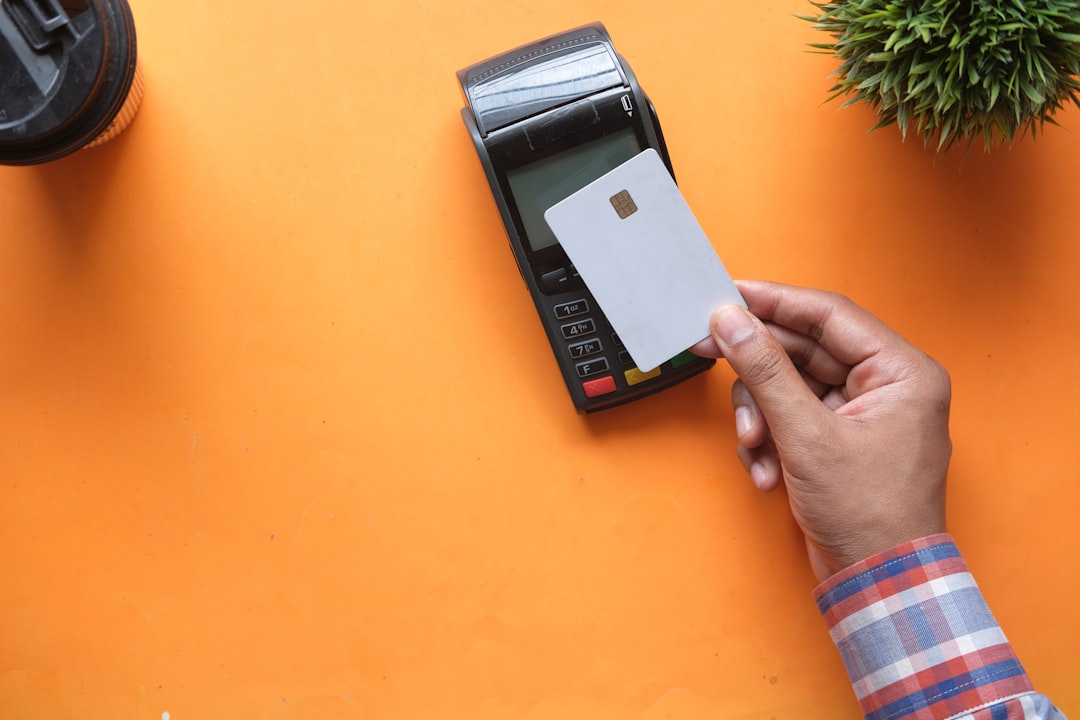
You’ve probably experienced it. That moment of hesitation, that tiny pause before you confirm a purchase, even if you really want the item. It’s not about the price, or even your budget in that immediate second. It’s something subtler, something that often goes unnoticed, yet has a profound impact on your spending habits. This intangible force is known as payment friction.
Payment friction refers to any obstacle or inconvenience that hinders a smooth and effortless transaction. Think of it as the little annoyances that make buying something feel like a chore. It’s the fiddly chip-and-PIN process, the endless fields to fill in on a website, the need to dig out your physical wallet when you’re in a hurry, or even just the mental effort required to recall your login details. While often small in isolation, these frictions accumulate, influencing not just your immediate decisions but also shaping your long-term spending patterns in ways you might not even realize.
You’re browsing online, your cursor hovering over that perfect pair of shoes. You add them to your cart, a surge of excitement. Then comes the checkout. Suddenly, you’re faced with a form that requires your full address, phone number, and an account creation prompt. This is where payment friction begins its work. The initial desire starts to wane, replaced by a growing sense of effort. You might question if those shoes are really worth this hassle.
The Psychological Toll of Extra Steps
The human brain is remarkably efficient. It’s wired to seek out the path of least resistance. When presented with a frictionless experience, like a one-click purchase or a tap-to-pay at a physical store, your brain registers it as easy and rewarding. Conversely, when faced with multiple steps, complex forms, or the need to retrieve physical credentials, your brain perceives it as a burden. This mental overhead, even if subconscious, can lead to a feeling of fatigue.
The Dopamine Drop-Off
The initial thrill of discovery and desire is often accompanied by a dopamine rush. This neurochemical reward system fuels your excitement and encourages action. However, when payment friction intervenes, it can interrupt this natural flow. The anticipated reward of owning the item is overshadowed by the immediate effort required. This can lead to a diminished dopamine response, making the purchase feel less satisfying and more like an obligation.
The Rise of Decision Fatigue
Every decision, no matter how small, consumes mental energy. The more decisions you have to make during the checkout process – choosing shipping options, entering coupon codes, agreeing to terms and conditions – the more you deplete your cognitive resources. This decision fatigue can lead to impulsive choices, such as abandoning your cart altogether or, conversely, rushing through the remaining steps without careful consideration, potentially leading to buyer’s remorse later.
The Erosion of Impulse Purchases
Impulse purchases, those spontaneous buys driven by immediate desire, are particularly vulnerable to payment friction. The very nature of an impulse buy is its immediacy. If the process of making that immediate purchase is complicated or time-consuming, the impulse often dissipates. The moment of wanting something intensely can pass before you’ve even managed to complete the transaction.
The “Wait and See” Syndrome
When faced with checkout hurdles, you might find yourself adopting a “wait and see” attitude. You tell yourself you’ll come back to it later when you have more time or energy. However, “later” often never comes, or by then, the initial desire has faded, and you’ve moved on to something else. This procrastination, born out of friction, directly impacts impulse spending.
The Loss of Spontaneity in the Digital Age
In the physical world, a quick swipe of a card or a simple cash transaction facilitates spontaneous buying. In the digital realm, however, the ease of a frictionless checkout is paramount. A clunky checkout page can be the difference between a spontaneous online purchase and a missed opportunity for the retailer, and a lost impulse buy for you.
Payment friction can significantly impact consumer spending behavior, as highlighted in a related article that explores the various ways in which complicated payment processes deter purchases. When customers encounter obstacles during the checkout process, such as lengthy forms or unexpected fees, they are more likely to abandon their carts. This phenomenon underscores the importance of streamlining payment methods to enhance the overall shopping experience. For further insights on this topic, you can read the article here: How Payment Friction Affects Spending.
When Effort Becomes a Barrier: The Impact on Your Wallet
You might think you’re immune to these subtle influences, but the reality is that payment friction directly influences your willingness to spend money. It’s not just about the big purchases; it’s the cumulative effect of countless small frictions that can gradually alter your spending behavior.
The “Cost of Convenience” Dilemma
We often associate paying with effort. The more effort it takes to pay, the more we might subconsciously perceive it as having a higher “cost” beyond the monetary value. This isn’t about the price tag itself, but the energy expenditure involved in the transaction.
The Mental Calculation of Effort vs. Reward
Your brain constantly performs a cost-benefit analysis, even on a subconscious level. When the perceived effort of a transaction outweighs the perceived reward, you’re less likely to proceed. This is particularly true for non-essential purchases. If buying that extra coffee requires navigating a confusing app or remembering a password, you might decide it’s not worth the mental energy.
The “I’ll Do It Later” Trap
As mentioned earlier, friction often leads to procrastination. You might have the intention to buy something, but the effort involved creates a barrier. This “I’ll do it later” mentality, fueled by payment friction, directly prevents immediate spending and can lead to a significant reduction in your overall expenditure over time.
The Power of Seamlessness: Encouraging Higher Spending
Conversely, when payments are frictionless, the opposite effect occurs. The ease of transacting removes mental barriers and encourages spending. Think about how effortlessly you might spend money when using contactless payments or a well-designed mobile wallet.
The “Just Because” Purchases
With frictionless payments, you’re more likely to make those small, “just because” purchases. The desire for a treat, a small indulgence, or an impulse buy becomes easier to fulfill. The lack of friction removes the hesitation, and the purchase happens almost automatically.
The Increased Frequency of Transactions
When the process of paying is quick and easy, you’re likely to engage in more frequent transactions. You might grab that extra item at the grocery store or make multiple small online purchases throughout the day without feeling the cumulative weight of effort. This increased frequency, even with smaller amounts, can significantly add up.
Redefining Your Relationship with Money: The Long-Term Effects

The impact of payment friction extends far beyond a single transaction. It can subtly reshape your fundamental relationship with money and your perception of its value.
The “Earned” vs. “Spent” Perception
When money is easily spent, it can start to feel less tangible, less “earned.” Conversely, when you have to work harder or exert more effort to make a purchase, the money spent feels more significant, more impactful. This can lead to a greater appreciation for the value of money.
The Mental Accounting of Effortful Spending
Think about how you might feel after a long day of manual labor followed by a significant purchase. The money spent feels different because you’ve personally invested a considerable amount of effort to earn it. Friction in the payment process can, in a roundabout way, mimic this feeling of earned expenditure, making you more mindful of your spending.
The Avoidance of “Easy Money” Syndrome
When spending feels effortless, it can sometimes lead to a “easy money” syndrome, where money is seen as abundant and less valuable. Overcoming payment friction, even if it means a slightly more involved process, can help counteract this by reminding you of the effort involved in acquiring that money.
The Influence on Financial Goals and Savings
Your spending habits are inextricably linked to your financial goals and savings. If payment friction is a constant barrier to spending, it can inadvertently contribute to increased savings. However, if the lack of friction leads to unchecked spending, it can derail your financial aspirations.
The Unintentional Savings Boost
When faced with payment friction, you’re less likely to spend impulsively. This reluctance to transact, even for small amounts, can lead to a gradual accumulation of savings over time. You might not be actively trying to save, but the friction acts as an unintentional guardian of your wallet.
The Downside of Unmanaged Spending
On the flip side, if your primary experience is with frictionless payments, you might fall into a pattern of overspending. The ease with which you can part with money can lead to a disconnect from its actual value, making it harder to stick to budgets and achieve financial goals.
Navigating the Friction Landscape: Your Conscious Choices

Understanding payment friction empowers you to make more conscious choices about your spending. It’s not about eliminating all effort, but about recognizing where that effort is genuinely serving you and where it’s hindering your financial well-being.
Identifying Your Personal Friction Points
Take a moment to reflect on your own spending habits. Where do you tend to hesitate? What makes you abandon a purchase? Is it the need to log in to a website? The complexity of a mobile app? The inconvenience of finding your credit card? Identifying these personal friction points is the first step to managing their impact.
The “Cart Abandonment” Audit
Pay attention to the times you leave items in your online shopping cart. What was the reason? Was it the checkout process? The need to create an account? Understanding these patterns can reveal your personal friction triggers.
The “In-Store Hesitation” Analysis
Even in physical stores, friction exists. Do you ever choose not to buy something because you don’t have your wallet readily accessible? Or because the payment terminal is slow? Recognizing these in-store hesitations can highlight different types of friction.
Strategies for Minimizing Unwanted Friction
Once you’ve identified your friction points, you can implement strategies to minimize their impact on your spending.
Leveraging Payment Technologies
Embrace technologies that reduce friction. Set up digital wallets like Apple Pay or Google Pay for quick contactless payments. Save your payment information securely on trusted websites for faster checkouts. Explore buy-now-pay-later options for more structured installment payments, if they align with your budget.
The Power of Saved Information
For online shopping, consider securely saving your shipping and payment information on trusted platforms. This can drastically reduce the time and effort required to complete a purchase.
The “Wishlist” Approach
For items you desire but aren’t ready to commit to immediately, utilize wishlist features on e-commerce sites. This allows you to save items for later without the immediate pressure of a checkout process. When you revisit your wishlist, you can make a more deliberate decision.
Understanding how payment friction affects spending is crucial for both consumers and businesses. A recent article discusses the various ways in which obstacles in the payment process can lead to decreased consumer spending and overall economic impact. For more insights on this topic, you can read the full article on how wealth grows by visiting this link. By addressing payment friction, companies can enhance customer experience and potentially increase their revenue.
The Future of Spending: The Quest for Frictionless Commerce
| Metric | Description | Effect of Payment Friction | Example Data |
|---|---|---|---|
| Cart Abandonment Rate | Percentage of shoppers who add items to cart but do not complete purchase | Increases with higher payment friction | Without friction: 20% | With friction: 60% |
| Average Order Value (AOV) | Average amount spent per transaction | Decreases as friction increases due to fewer impulse buys | Without friction: 75 | With friction: 55 |
| Conversion Rate | Percentage of visitors who complete a purchase | Significantly drops with added payment steps or delays | Without friction: 4.5% | With friction: 1.8% |
| Repeat Purchase Rate | Percentage of customers who make multiple purchases | Lower when payment process is cumbersome | Without friction: 30% | With friction: 18% |
| Checkout Time | Average time taken to complete payment | Increases with friction, leading to drop-offs | Without friction: 45 seconds | With friction: 2 minutes |
The world of commerce is constantly evolving, with a relentless pursuit of frictionless experiences. For retailers, reducing payment friction is a key strategy for increasing sales. For you, understanding this trend allows you to navigate it more effectively.
The Rise of Biometric Payments and AI
Technologies like fingerprint scanners and facial recognition are becoming increasingly common, offering incredibly fast and secure payment methods. Artificial intelligence is also playing a role, personalizing shopping experiences and streamlining checkout processes.
The Seamless Integration of Payments
Imagine a future where payment is so integrated into the shopping experience that it becomes almost invisible. From smart mirrors in fitting rooms to voice-activated purchasing, the goal is to remove any conscious effort from the act of buying.
The Personalized Purchase Journey
AI-powered systems can anticipate your needs and preferences, making the purchasing process feel intuitive and effortless. This can range from personalized product recommendations to pre-filled order forms based on your past behavior.
Your Role as a Conscious Consumer
While the trend is towards frictionless commerce, your awareness of payment friction remains crucial. It allows you to remain in control of your spending, rather than being passively swept along by the tide of effortless transactions.
The “Pause and Reflect” Habit
Even in the most frictionless environments, cultivate a habit of pausing and reflecting before confirming a purchase. Ask yourself: Do I truly need this? Does this align with my financial goals?
The Value of Deliberate Spending
Embrace the idea of deliberate spending. Understand that every transaction represents a choice and a reallocation of your resources. By consciously acknowledging the effort involved in acquiring money, you can make more meaningful and impactful spending decisions, regardless of how easy the actual payment process might be.
Payment friction is a powerful, yet often overlooked, influencer of your spending habits. By understanding its psychological underpinnings and its impact on your financial decisions, you can become a more empowered and intentional consumer, shaping your relationship with money rather than letting it shape you. The quest for seamless transactions is an ongoing one, but your awareness of the friction involved is your greatest tool for maintaining control.

Why $800 Doesn’t Feel Like $800 Anymore
FAQs
What is payment friction?
Payment friction refers to any obstacles or difficulties that consumers may face when trying to make a payment, such as long processing times, complicated checkout processes, or security concerns.
How does payment friction affect spending?
Payment friction can lead to abandoned purchases, decreased customer satisfaction, and ultimately lower spending. When the payment process is difficult or time-consuming, customers are more likely to give up on their purchase or choose not to make a purchase at all.
What are some common examples of payment friction?
Common examples of payment friction include slow processing times, limited payment options, complex checkout processes, security concerns, and unexpected fees or charges.
How can businesses reduce payment friction?
Businesses can reduce payment friction by offering a variety of payment options, streamlining the checkout process, ensuring secure payment methods, providing transparent pricing, and optimizing their website for mobile payments.
What are the benefits of reducing payment friction?
Reducing payment friction can lead to increased conversion rates, higher customer satisfaction, improved brand loyalty, and ultimately higher spending from customers. By making the payment process easier and more convenient, businesses can create a more positive shopping experience for their customers.