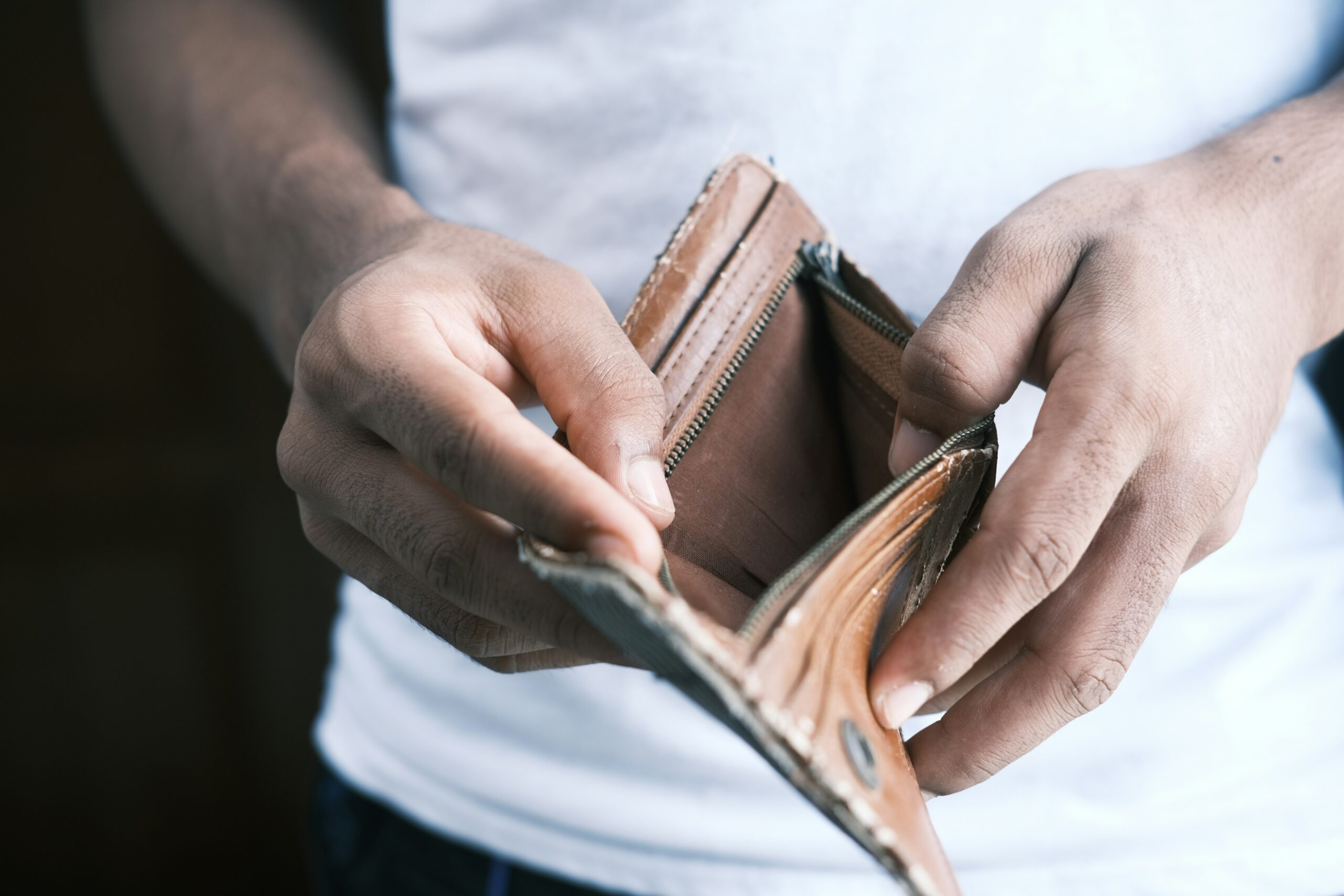
You’ve likely heard the phrase “the snowball effect.” It’s often used to describe how something small can gradually grow into something much larger. In the realm of personal finance, this phenomenon is rarely a positive one. When it comes to debt, the snowball effect can be a relentless force, turning seemingly manageable balances into overwhelming mountains of obligation. It’s a stark reminder that even small financial missteps can have significant, long-term consequences if not addressed proactively. This article will explore how small debts grow, the mechanisms behind this insidious process, and what you can do to avoid becoming a victim of the snowball effect.
It often starts innocently enough. A small purchase you don’t quite have the cash for, a minor emergency, or even just a few impulse buys. You might think, “It’s just a few dollars, I can handle this.” This is where the silent seeds of debt are sown. You may opt for a credit card, a payday loan, or a simple store credit account. The initial amount might be so small that it barely registers on your monthly budget. You might even tell yourself you’ll pay it off next month. However, the critical error lies in underestimating the power of compounding and the insidious nature of interest.
The Temptation of “Just This Once”
We’ve all been there. You’re at the checkout, and an item catches your eye. Or perhaps a small bill arrives, and the amount feels insignificant. The ease with which you can put it on a credit card or take out a small loan can be incredibly tempting. It feels like a temporary solution, a way to bridge a small gap without too much fuss. This “just this once” mentality is a significant contributor to the snowball effect. Each small, seemingly insignificant debt can be seen as an independent event, but when aggregated and subjected to interest, they begin to form a more substantial problem.
The Role of Convenience and Instant Gratification
In today’s society, convenience and instant gratification are king. We have access to credit for almost everything, from a cup of coffee to a major appliance. This constant availability can desensitize us to the true cost of borrowing. The immediate satisfaction of acquiring something now, without waiting to save, can override rational financial decision-making. This psychological aspect plays a crucial role in how small debts begin to accumulate. You might not even feel the pinch until later, when those small balances have multiplied.
Misunderstanding Interest Rates and Fees
A common pitfall is a misunderstanding of how interest rates and fees work, especially on credit cards and short-term loans. You might see an advertised low interest rate, but fail to account for the annual percentage rate (APR), which includes various fees and can be significantly higher. Furthermore, minimum payments on credit cards are often structured to extend the repayment period significantly, meaning you pay much more in interest over time. This lack of awareness is fertile ground for small debts to take root and begin their insidious growth.
In exploring the phenomenon of how small debts can escalate into significant financial burdens, it’s essential to consider the various factors that contribute to this issue. A related article that delves deeper into the dynamics of debt accumulation and offers practical advice on managing financial obligations can be found at this link. Understanding these concepts can help individuals take proactive steps to avoid falling into the trap of overwhelming debt.
The Compound Interest Conundrum: The Engine of Growth
Once a small debt is incurred, the primary engine driving its growth is compound interest. This is where the snowball really starts to roll downhill. Compound interest means that the interest you owe is calculated not only on the original principal amount but also on the accumulated interest from previous periods. It’s a powerful force that can dramatically increase the amount you owe over time, especially if you only make minimum payments or continue to add to the debt.
How Compound Interest Works Against You
Imagine you owe $100 on a credit card with a 20% APR. If you only make the minimum payment, which might be around 2-3% of the balance, you’re essentially just chipping away at the principal very slowly. The interest accrued each month will be added to your balance, and the next month’s interest will be calculated on that larger sum. This creates a vicious cycle. The longer you take to pay off the debt, the more interest you accrue, and the larger your balance becomes. What started as $100 can, over time, easily double or even triple without you making any additional purchases.
The Impact of Minimum Payments
Minimum payments are a deceptive feature of many credit products. They are designed to keep you paying for as long as possible, maximizing the interest revenue for the lender. While making only the minimum payment might seem like a responsible way to manage your finances when you’re short on cash, it’s one of the most detrimental habits for debt reduction. You’re essentially paying a premium for the privilege of staying in debt for an extended period. The majority of your minimum payment often goes towards interest, with only a small fraction actually reducing the principal.
The Trap of Deferment and Forbearance
When you’re struggling to make payments, lenders might offer options like deferment or forbearance. While these can provide temporary relief, they often come with a hidden cost. During deferment, your payments might be postponed, but interest can still accrue and be added to your principal. Forbearance allows you to temporarily reduce or pause payments, but again, interest often continues to accumulate. These programs, while well-intentioned, can inadvertently prolong your debt and contribute to its growth if not carefully managed and understood.
Adding Fuel to the Fire: How New Debts Exacerbate the Problem

The snowball effect isn’t solely about one debt growing larger. It’s often about multiple small debts accumulating and interacting, creating a more complex and challenging financial situation. When you’re already carrying a balance, the temptation to take on new debt, even for small amounts, becomes even more pronounced. This is where the “adding fuel to the fire” aspect comes into play.
The Domino Effect of Multiple Small Debts
Think of it like a set of dominoes. One small debt falling can trigger others. You might have a small credit card balance, and then a minor car repair necessitates a small personal loan. Or perhaps you have a store credit card for one retailer, and then another store offers you a tempting discount on a new credit card. Each of these new debts, when added to existing ones, increases your overall debt burden. The interest from each separate debt begins to accrue, and the combined effect can be overwhelming.
Using One Debt to Pay Another (Debt Cycling)
A common, and often disastrous, strategy is to use one debt to pay off another. This is known as debt cycling. For example, you might take out a cash advance on your credit card to pay the minimum payment on another credit card. While this might offer a short-term reprieve, it’s a dangerous game. Cash advances often come with very high interest rates and fees, and they immediately start accruing interest without a grace period. You’re essentially digging a deeper hole, and the snowball grows even larger and faster.
The Psychological Toll of Growing Debt
The psychological impact of accumulating debt cannot be overstated. When you see your balances rising, even from small increments, it can lead to stress, anxiety, and a feeling of hopelessness. This emotional toll can cloud your judgment, making you more susceptible to making impulsive financial decisions that further exacerbate the problem. You might feel trapped, leading to a sense of apathy about tackling your debt, which, ironically, allows it to grow unchecked.
The Consequences of Inaction: A Debt Avalanche

Ignoring your debts, especially the small ones that are silently growing, can lead to a devastating financial avalanche. The longer you postpone dealing with your debt, the more severe the consequences will become. This inaction allows the snowball to transform into a destructive force that can have far-reaching and long-lasting impacts on your financial well-being.
Damaged Credit Scores
One of the most immediate and significant consequences of unmanaged debt is a damaged credit score. Late payments, defaults, and high credit utilization ratios (owing a large percentage of your available credit) all negatively impact your creditworthiness. A poor credit score makes it harder and more expensive to borrow money in the future, whether for a mortgage, a car loan, or even to rent an apartment. It can also affect your ability to get certain jobs or insurance policies.
Increased Interest Payments and Higher Costs
As we’ve discussed, compound interest is the primary driver of debt growth. The longer you let your debts linger, the more you will end up paying in interest. This means that the items you initially purchased with small debts will ultimately cost you significantly more than if you had paid for them upfront. This can create a cycle where you’re constantly working to pay off old debts, leaving you with less money for essential expenses or future savings.
Financial Stress and Limited Opportunities
The constant burden of debt can lead to significant financial stress, impacting your mental and physical health. It can strain relationships, limit your career choices (as you might feel compelled to take any job to make ends meet), and restrict your ability to save for important life goals like retirement, homeownership, or your children’s education. The freedom that financial stability provides is severely curtailed when you are weighed down by growing debt.
Many individuals underestimate how quickly small debts can escalate into larger financial burdens, often leading to a cycle of stress and anxiety. A recent article explores this phenomenon in detail, shedding light on the various factors that contribute to the rapid growth of debt. Understanding these dynamics is crucial for anyone looking to manage their finances effectively. For further insights, you can read more about this topic in the article available at How Wealth Grows.
Breaking the Cycle: Strategies to Halt the Snowball
| Factor | Description | Impact on Debt Growth | Example Metric |
|---|---|---|---|
| Interest Rate | The percentage charged on the outstanding debt balance | Higher rates increase the amount owed over time | Average credit card interest rate: 17% |
| Minimum Payment | The smallest amount required to be paid monthly | Paying only minimum extends repayment period and increases total debt | Typical minimum payment: 2-3% of balance |
| Compounding Frequency | How often interest is added to the principal balance | More frequent compounding accelerates debt growth | Monthly compounding vs. daily compounding |
| Additional Charges | Fees such as late payment fees or over-limit fees | Increase total debt beyond principal and interest | Late fee average: 30 |
| Payment Delays | Late or missed payments | Lead to penalty interest rates and fees | Penalty APR increase: up to 29.99% |
| Debt Rollovers | Transferring debt to new loans or credit cards | Can add fees and reset interest accumulation | Balance transfer fee: 3-5% |
The good news is that the snowball effect of debt is not an irreversible force. With a proactive and strategic approach, you can effectively halt its growth and begin to chip away at your existing balances. It requires discipline, a clear understanding of your financial situation, and a commitment to making positive changes.
The Debt Snowball Method vs. The Debt Avalanche Method
There are two popular strategies for debt repayment: the debt snowball and the debt avalanche. The debt snowball method involves paying off your smallest debts first, regardless of interest rate, while making minimum payments on others. The psychological wins of paying off debts quickly can be highly motivating. The debt avalanche method, on the other hand, prioritizes paying off debts with the highest interest rates first. While this might take longer to see individual debts disappear, it ultimately saves you the most money on interest over time. Choosing the method that best suits your personality and financial goals is crucial.
Creating a Realistic Budget and Tracking Expenses
The foundation of any debt repayment plan is a solid understanding of your income and expenses. You need to create a realistic budget that accurately reflects where your money is going. Track every dollar spent for a period to identify areas where you can cut back. This might involve reducing discretionary spending, finding cheaper alternatives for necessities, or even exploring ways to increase your income. Without a clear picture of your finances, you’re navigating blind.
Negotiating with Creditors and Seeking Professional Help
Don’t be afraid to communicate with your creditors. If you’re struggling to make payments, reach out to them to see if they are willing to negotiate a lower interest rate, a revised payment plan, or even a settlement. If your debt feels overwhelming, consider seeking help from a non-profit credit counseling agency. These organizations can provide expert advice, help you create a debt management plan, and negotiate with your creditors on your behalf. They can offer a lifeline when you feel like you’re drowning in debt.
Building an Emergency Fund and Sticking to Financial Goals
Once you’ve started tackling your debt, it’s essential to build a small emergency fund. This fund will prevent you from having to take on new debt the next time an unexpected expense arises. Even a few hundred dollars can make a significant difference. Furthermore, consistently reviewing and sticking to your financial goals, whether it’s becoming debt-free or saving for a specific purchase, will provide the motivation and discipline needed to keep the snowball effect at bay. It’s about creating a sustainable financial future where small debts don’t become a catastrophic problem.

Why $800 Doesn’t Feel Like $800 Anymore
FAQs
1. What are some common reasons small debts can become large debts?
Small debts can become large debts due to high interest rates, late fees, and penalties that accumulate over time if the debt is not paid off promptly.
2. How does missing payments contribute to small debts growing into large debts?
Missing payments on small debts can lead to late fees and penalties being added to the original amount owed, causing the debt to grow larger over time.
3. What role does compound interest play in the escalation of small debts?
Compound interest can cause small debts to grow exponentially over time, as interest is charged not only on the original amount owed but also on the accumulated interest from previous periods.
4. How can borrowing from multiple sources contribute to small debts becoming large debts?
Borrowing from multiple sources can lead to a snowball effect, where small debts from different sources accumulate and become harder to manage, resulting in a larger overall debt burden.
5. What are some strategies to prevent small debts from turning into large debts?
To prevent small debts from becoming large debts, it is important to make timely payments, avoid borrowing more than you can afford to repay, and negotiate with creditors for lower interest rates or payment plans if needed. Additionally, creating a budget and sticking to it can help prevent the accumulation of debt.