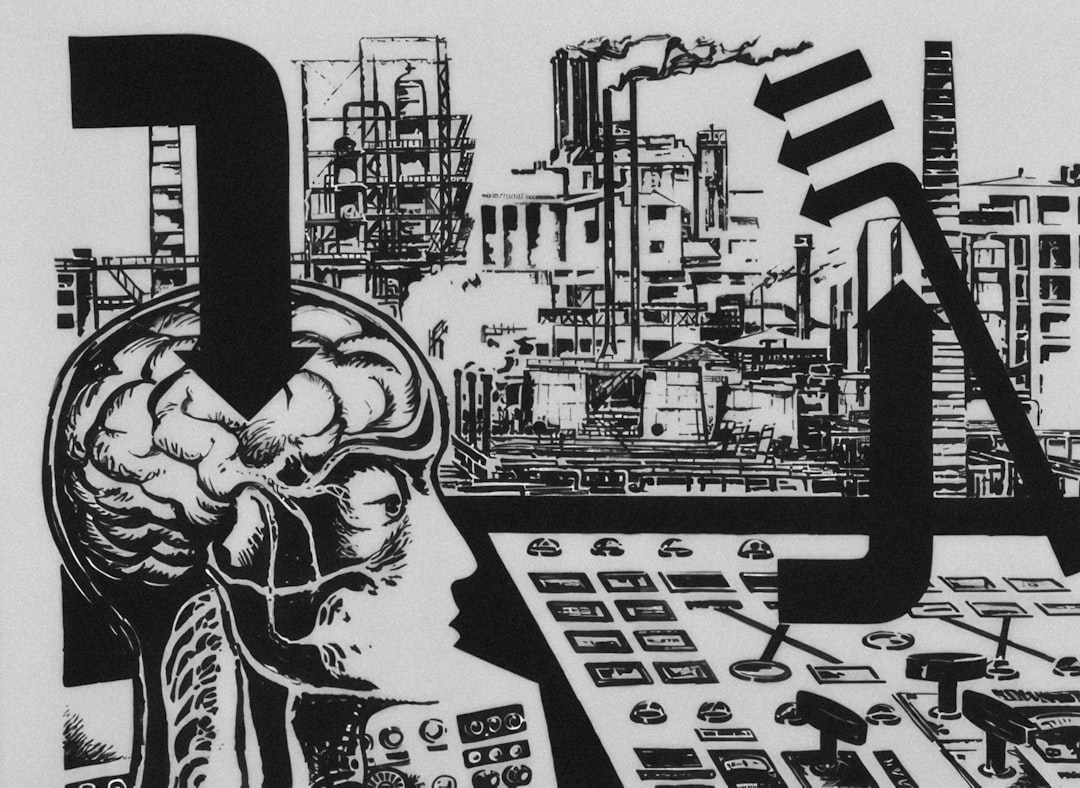
You’re standing in the checkout line, a new gadget or a trendy outfit gleaming in your hands. The total flashes on the screen, and your heart does a little flutter. It’s a bit more than you planned for, but then you see it: “Buy Now, Pay Later. 4 interest-free payments.” Suddenly, that pang of anxiety evaporates, replaced by a sense of ease. You tap your screen, approve the installment plan, and walk out of the store feeling like you’ve just pulled off a minor financial miracle. But what’s really happening in your brain when you opt for Buy Now, Pay Later (BNPL)? Understanding the psychology behind this increasingly popular payment method is crucial to avoiding a debt trap.
You’ve likely experienced it yourself. That immediate surge of pleasure when you acquire something you desire. BNPL taps directly into this primal instinct for instant gratification. The very act of “paying later” creates a psychological disconnect from the actual cost. It’s as if the money hasn’t truly left your account yet, even though you’ve committed to paying it back. This illusion of affordability is a powerful psychological lever.
The Dopamine Hit of Purchase
When you decide to buy something, especially an item that brings you joy or fulfills a perceived need, your brain releases dopamine, a neurotransmitter associated with pleasure and reward. BNPL doesn’t diminish this dopamine hit; in fact, it can amplify it by removing the immediate financial friction that might otherwise temper your enthusiasm. You get the reward now, with the promise of deferred pain. This creates a potent feedback loop that can be difficult to resist.
The “It’s Not Real Money” Phenomenon
BNPL services cleverly frame the transaction as a series of smaller, manageable payments. This can lead to a phenomenon where you perceive these installments as less significant than the full upfront cost. It’s akin to breaking down a large task into smaller, less daunting steps. The individual payments feel insignificant, even when they collectively add up to a substantial amount. Your brain isn’t processing the total debt burden; it’s focusing on the immediate, smaller payment that feels achievable.
The Framing Effect and Perceived Value
The way a BNPL offer is presented can significantly influence your decision-making. When you see “0% interest” and “split into 4 payments,” your perception of the item’s value shifts. You might be more inclined to purchase an item that you might have previously considered too expensive because it now feels within your financial reach. This is a classic example of the framing effect in behavioral economics, where the presentation of information can alter your judgment, even if the underlying facts are the same. You’re not just buying a product; you’re buying the convenience and affordability of the payment plan.
Understanding the psychology behind Buy Now, Pay Later (BNPL) debt is crucial for consumers navigating this increasingly popular payment method. For a deeper exploration of how BNPL affects spending habits and financial decision-making, you can refer to a related article that delves into the nuances of consumer behavior in the context of modern financing options. To learn more, visit this article.
Cognitive Biases at Play: How Your Brain Tricks You
BNPL services are built upon a foundation of leveraging various cognitive biases. These are systematic patterns of deviation from norm or rationality in judgment. Understanding these biases can help you recognize when your decision-making might be influenced by something other than pure logic.
The Present Bias (Hyperbolic Discounting)
This is perhaps the most significant bias at play with BNPL. You strongly prefer immediate rewards over future rewards, even if the future reward is objectively larger or better. The pleasure of having the item now outweighs the future discomfort of paying for it. This hyperbolic discounting means you heavily discount the future cost of the debt, making it seem less important than the immediate benefit of owning the item.
The Anchoring Effect
When you see the total price of an item, and then the BNPL option, the initial price acts as an anchor. The BNPL payments are then judged in relation to that anchor. If the payments are relatively small compared to the total, they can seem very reasonable, even if the total cost is high. You might anchor your perception of affordability to the individual installment, rather than the overall debt.
The Optimism Bias
You tend to believe that you are less likely to experience negative events than others. When it comes to BNPL, you might think, “I’ll definitely be able to pay this back on time. It won’t be a problem for me.” This optimism bias can lead you to underestimate the risks of accumulating debt and the possibility of future financial difficulties. You might overlook the potential for unexpected expenses or income fluctuations that could make repayment challenging.
Loss Aversion
This bias describes your tendency to prefer avoiding losses to acquiring equivalent gains. While BNPL doesn’t directly involve a loss in the immediate sense, the fear of missing out on a desirable item can drive your decision. If you perceive the item as a “loss” if you don’t buy it now, and BNPL makes it accessible, you’re more likely to use it. Conversely, the thought of losing the item due to financial constraints might subtly push you towards accepting the BNPL offer.
The Psychological Impact of Debt Accumulation

While the initial act of using BNPL might feel liberating, the accumulation of multiple BNPL plans can have a significant and often detrimental psychological impact. The convenience that initially drew you in can quickly morph into a source of stress and anxiety.
The Overwhelm and “Debt Spiral” Effect
When you have multiple BNPL plans with different repayment dates and amounts, it can become incredibly difficult to keep track of everything. This lack of clarity can lead to a feeling of overwhelm. You might miss payments, incurring late fees and interest, which further exacerbates the problem. This can easily lead to a “debt spiral,” where you’re constantly trying to pay off existing debt with more debt, feeling trapped and unable to escape.
Increased Stress and Anxiety
The constant worry about upcoming payments, the fear of missing a deadline, and the sheer mental load of managing multiple debts can significantly increase your stress and anxiety levels. This chronic stress can manifest in various ways, including sleep disturbances, irritability, difficulty concentrating, and even physical health problems. The initial joy of purchase is replaced by a gnawing sense of unease.
Erosion of Financial Confidence
As debt mounts and repayment becomes a struggle, your confidence in your ability to manage your finances can erode. You might start to feel a sense of shame or inadequacy, leading to avoidance of financial planning or even seeking help. This can create a vicious cycle, making it even harder to get back on track. You might start to believe you are simply “bad with money,” a self-defeating prophecy.
The Impact on Relationships
Financial stress is a major contributor to relationship problems. If your BNPL debt is causing strain within your household, it can lead to arguments, resentment, and a breakdown in communication. The secrecy that sometimes surrounds debt can also create distance and distrust.
BNPL and the Normalization of Subprime Borrowing

BNPL services have, in many ways, normalized borrowing for consumers who might not have access to traditional credit or might be hesitant to use credit cards. This can be seen as both a positive development, offering greater financial access, and a concerning one, as it can encourage a reliance on debt for everyday purchases.
Lowered Barriers to Entry for Borrowing
Traditional credit often involves credit checks, income verification, and a more formal application process. BNPL bypasses much of this, making it incredibly easy to access credit. This lowered barrier can be appealing, especially to younger consumers who may not have established credit histories. However, it also means that individuals might be borrowing beyond their means without fully understanding the implications.
The “Just Use BNPL” Mentality
As BNPL becomes more ubiquitous, a “just use BNPL” mentality can develop. Instead of considering if you can truly afford something, the default option becomes to split the payment. This can lead to impulse purchases and a lack of critical evaluation of your actual financial capacity. You stop asking “Can I afford this?” and start asking “Can I afford the monthly payment?”
Potential for Over-Indebtedness
While BNPL providers often emphasize their “interest-free” nature, this often only applies if you make all your payments on time. Late fees and interest charges can quickly accumulate, turning what seemed like a small loan into a significant debt. The ease of access, combined with the potential for hidden costs, can lead to widespread over-indebtedness among consumers.
Understanding the psychology behind Buy Now Pay Later (BNPL) debt is crucial for consumers navigating their financial decisions. A related article that delves deeper into the implications of this payment method can be found at How Wealth Grows, which explores the behavioral factors influencing spending habits and the potential long-term effects of BNPL schemes. By examining these psychological aspects, individuals can make more informed choices about their financial futures.
Strategies to Protect Yourself: Reclaiming Financial Control
| Metric | Description | Psychological Impact | Example |
|---|---|---|---|
| Perceived Cost | How consumers perceive the cost of BNPL purchases | Lower perceived cost due to delayed payment reduces pain of paying | Buying a 200 item but paying 50 monthly feels less costly |
| Payment Deferral | Time gap between purchase and payment | Deferral creates a disconnect between purchase and payment, encouraging spending | Purchasing now but paying in 30 days |
| Budgeting Illusion | Consumers underestimate total BNPL debt when splitting payments | Leads to overspending as installments feel manageable | Four payments of 25 seem easier than one payment of 100 |
| Impulse Buying | Increased likelihood of spontaneous purchases | Easy credit access reduces hesitation and increases impulsivity | Buying extra items at checkout due to BNPL option |
| Debt Accumulation | Total BNPL debt outstanding | Can lead to financial stress if not managed properly | Multiple BNPL plans adding up to high monthly obligations |
| Payment Default Rate | Percentage of BNPL users missing payments | Reflects difficulty in managing deferred payments | 10-15% of users may miss at least one payment |
Recognizing the psychological pitfalls of BNPL is the first step towards making informed financial decisions. The good news is that you can implement strategies to protect yourself and maintain financial well-being.
Mindful Spending and Budgeting
Before you even consider a BNPL option, ask yourself: “Do I truly need this item?” and “Can I genuinely afford to pay for it within my current budget?” Create a detailed budget and stick to it. Track your income and expenses diligently. This will give you a clear picture of your financial reality and help you avoid impulse purchases.
The “Waiting Period” Strategy
Implement a “waiting period” for non-essential purchases. For example, if you see something you want, wait 24 or 48 hours before making a decision. This allows the initial urge of instant gratification to subside and gives you time to think rationally about whether the purchase aligns with your financial goals.
Prioritize Saving Over Borrowing
Shift your mindset from borrowing to saving. If you want something, make a plan to save for it. This not only ensures you can afford it without incurring debt but also builds a healthier financial habit and provides a greater sense of accomplishment when you finally purchase it with your own saved money.
Understand the Terms and Conditions
Never agree to a BNPL plan without thoroughly reading and understanding the terms and conditions. Pay close attention to late fees, interest rates after missed payments, and any other charges. Be aware of the full cost of the purchase if you don’t adhere to the payment schedule.
Seek Professional Financial Advice
If you find yourself struggling with BNPL debt or feeling overwhelmed by your financial situation, don’t hesitate to seek professional help. A financial advisor can provide personalized guidance, help you create a debt repayment plan, and offer strategies to improve your financial literacy and habits. They can help you untangle the psychological traps that led you to this point and build a more secure financial future.
By understanding the psychology behind BNPL, you can empower yourself to make smarter financial choices. You can learn to resist the allure of instant gratification and instead build a foundation of mindful spending and responsible debt management. It’s about taking control of your financial decisions, not letting them control you.

Why $800 Doesn’t Feel Like $800 Anymore
FAQs
What is BNPL debt psychology?
BNPL debt psychology refers to the emotional and cognitive factors that influence individuals’ decisions to use Buy Now, Pay Later services and their subsequent management of the debt incurred.
How does BNPL debt psychology impact consumer behavior?
BNPL debt psychology can lead consumers to make impulsive purchases, overspend, and underestimate the financial consequences of their actions. It can also affect their ability to repay the debt on time, leading to financial stress and potential debt traps.
What are some common psychological triggers that drive BNPL usage?
Common psychological triggers that drive BNPL usage include the desire for instant gratification, fear of missing out (FOMO), social influence, and the illusion of affordability created by spreading payments over time.
How can individuals manage their BNPL debt more effectively?
Individuals can manage their BNPL debt more effectively by setting strict budgets, avoiding unnecessary purchases, staying informed about their total debt obligations, and prioritizing timely repayments to avoid accumulating additional fees and interest.
What are some resources available for individuals struggling with BNPL debt?
Individuals struggling with BNPL debt can seek help from financial counselors, debt management programs, and online resources that provide guidance on budgeting, debt repayment strategies, and responsible financial behavior.