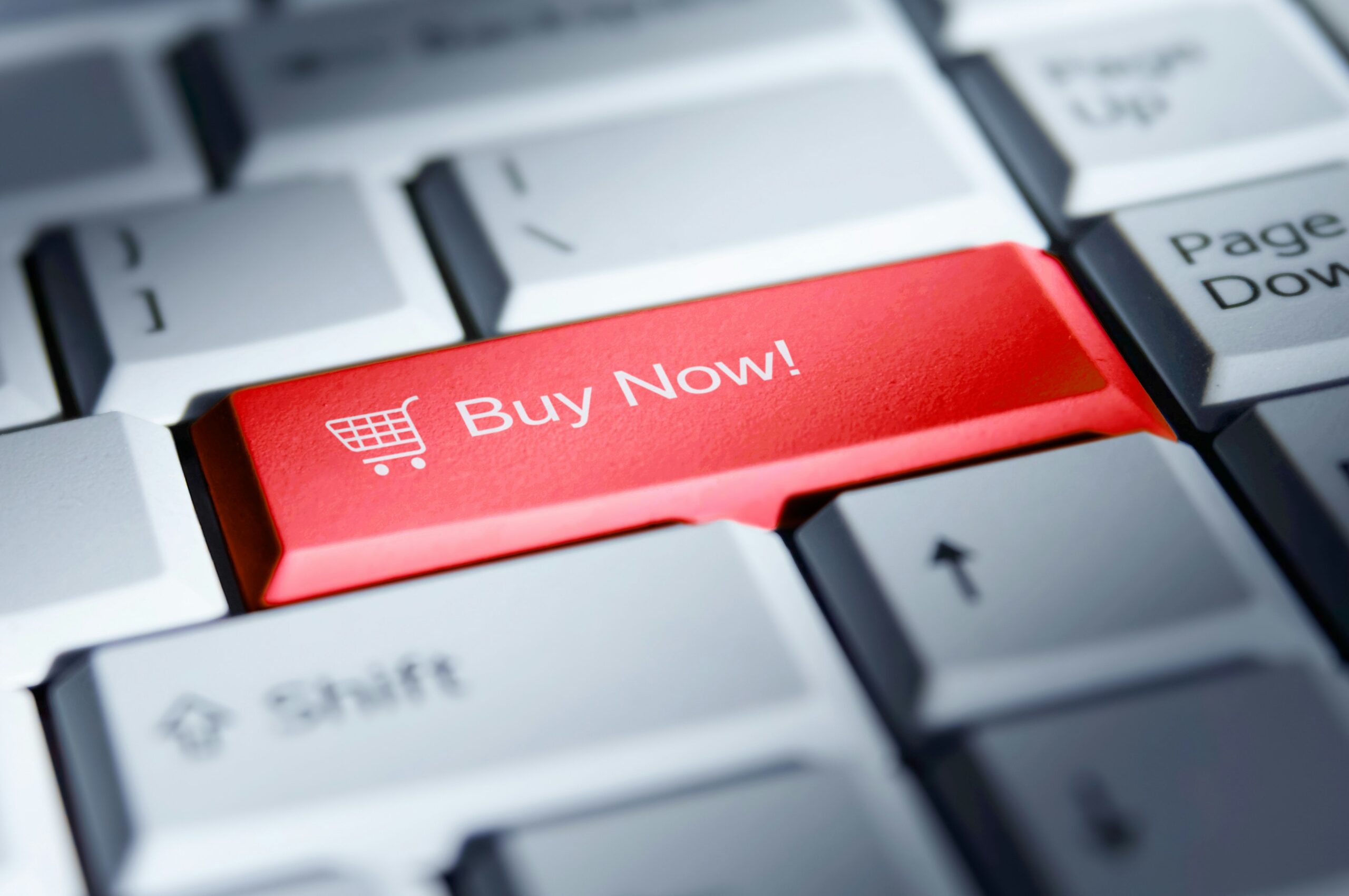
You’ve seen them. Those tempting little buttons flashing across your screen when you’re about to make a purchase. “Buy Now, Pay Later.” It sounds so easy, so convenient. A little mental nudge, a gentle whisper promising immediate gratification without the immediate sting of a full payment. But have you ever stopped to consider what’s really happening in your mind when you click that button? What psychological forces are at play, beckoning you towards this seemingly magical solution? Let’s dive into the fascinating psychology of Buy Now, Pay Later (BNPL).
At its core, the appeal of BNPL taps into one of humanity’s most fundamental desires: immediate gratification. You see something you want, and the thought of waiting to possess it feels like a minor torture. BNPL offers a way to bypass that waiting period, satisfying that craving right here, right now.
The Neuroscience of “Wanting”
Your brain is wired for rewards. When you encounter something desirable, your prefrontal cortex, responsible for decision-making and impulse control, is met with a surge of dopamine. This neurochemical is associated with pleasure, motivation, and anticipation. BNPL effectively hijacks this system by presenting the reward (the product) and offering a seemingly reduced immediate cost. The perceived effort to obtain the reward is lessened, making the dopamine hit feel more accessible and potent. You’re not just buying a product; you’re buying the feeling of having it.
The Delay Discounting Phenomenon
Economists and psychologists alike have studied the concept of “delay discounting.” This refers to the tendency for people to value rewards less the further away they are in time. A dollar today is worth more than a dollar tomorrow, and this principle extends to purchases. BNPL exploits this by presenting the cost in smaller, more manageable installments. The future payments, while ultimately adding up, feel less impactful because they are distant. You’re essentially discounting the future pain of payment in favor of present pleasure.
The “Fear of Missing Out” (FOMO) Amplifier
In today’s hyper-connected world, FOMO is a constant companion. You see your friends or influencers showcasing new purchases, and the urge to keep up, to be part of the trend, becomes powerful. BNPL can amplify this feeling. If you’re on the fence about a purchase, the option to spread the cost can be the deciding factor. It feels like a way to participate in the “now” without being financially excluded, further fueling the desire to click “buy.”
The psychology behind “Buy Now, Pay Later” (BNPL) schemes reveals intriguing insights into consumer behavior and financial decision-making. Many individuals are drawn to the immediate gratification that these payment options provide, often overlooking the long-term implications of their spending habits. For a deeper understanding of how these psychological factors influence financial choices, you can explore a related article on this topic at How Wealth Grows. This resource delves into the cognitive biases and emotional triggers that drive consumers towards BNPL solutions, shedding light on the broader implications for personal finance.
Cognitive Biases at Play: How Your Brain Rationalizes the Decision
Beyond the raw desire for immediate gratification, BNPL leverages a variety of cognitive biases that subtly nudge you towards accepting its terms. These are mental shortcuts your brain uses to make decisions quickly, but they can sometimes lead to irrational choices.
The Anchoring Effect
When you see a product priced at, say, $500, and then you’re presented with a BNPL option of “4 interest-free payments of $125,” your mind latches onto that $125 figure. This smaller number becomes an anchor, making the overall $500 price seem more palatable. You’re no longer thinking about the total expenditure; you’re focused on the manageable, recurring payment. The initial price is anchored, and the BNPL offer modifies your perception of its affordability.
The Framing Effect
How information is presented significantly impacts your perception. BNPL is expertly framed. Instead of being presented with a debt obligation, you’re offered a payment plan. Words like “interest-free,” “flexible,” and “affordable” are used to create a positive frame around what is essentially a credit product. This framing makes the decision feel less risky and more like a smart financial move, even when the underlying cost might be higher in the long run due to potential late fees or the temptation to overspend.
The Illusion of Control
BNPL can give you a sense of control over your finances. You feel like you’re making a deliberate choice to manage your budget by spreading out payments. This perceived control can be empowering, even if it’s an illusion. The act of actively selecting a payment plan, rather than being faced with a lump sum, can make you feel more in charge of your spending. This feeling can override a more objective assessment of your financial situation.
The Endowment Effect and Ownership Bias
Once you’ve decided to buy something, especially with the ease of BNPL, you can start to feel a sense of ownership over it even before it arrives. This is related to the endowment effect, where you place a higher value on things you own or feel you will own. The act of clicking “buy now” solidifies this feeling, making it harder to back out or reconsider the purchase. The product becomes yours in your mind, and the payments are just the administrative detail of keeping it.
The Scarcity Principle and Urgency: Creating a Sense of “Now or Never”

BNPL services often employ strategies that tap into our fear of missing out on a good deal, creating a sense of urgency that compels immediate action.
Limited-Time Offers and Promotions
You’ll frequently see BNPL integrated with limited-time discounts or promotional offers. The message is clear: “Get this amazing price, but only if you act now.” This scarcity principle, the idea that limited quantities or timeframes increase desirability, is a powerful motivator. The BNPL option becomes the key to unlocking that limited-time value, making the decision feel urgent and necessary.
The “First Access” Illusion
In some cases, BNPL can be presented as a way to gain “first access” to popular or new items that might sell out quickly. This creates an artificial sense of scarcity, pushing you to make a purchase before others can. The BNPL option provides the mechanism to secure your item immediately, circumventing the perceived risk of waiting for a later payment.
The Social Proof of “Popular” Items
When you see that a product is “selling fast” or that “others are buying it,” BNPL can facilitate that purchase. It removes the financial barrier that might otherwise make you pause and reconsider if you truly need the item. The perceived popularity, coupled with the ease of payment, creates a compelling urge to join the crowd.
The Erosion of Financial Literacy and the Slippery Slope

While BNPL can be a useful tool for some, its widespread availability and psychological manipulation can lead to a decline in financial literacy and a slippery slope towards overspending and debt.
The Normalization of “Debt” as “Installments”
BNPL effectively rebrands debt. Instead of acknowledging that you are taking on a financial obligation, you are presented with a series of manageable installments. This subtle linguistic shift can desensitize you to the concept of borrowing and the responsibility that comes with it. You become accustomed to making payments over time, potentially blurring the lines between essential purchases and discretionary spending that you can’t truly afford.
The Temptation to “Micro-Lease” Your Life
The ease of BNPL can encourage a form of “micro-leasing” your life. You might find yourself using it for smaller, everyday items that you could easily pay for outright. This habit can become ingrained, leading you to rely on BNPL for things you could otherwise afford, thus frittering away your financial resources on a series of small, deferred payments.
The “Snowball Effect” of Multiple BNPL Accounts
The convenience of BNPL can lead to the accumulation of multiple accounts with different providers. Each provider might have its own dashboard and payment schedule. This can become incredibly complex and difficult to track. The “snowball effect” can occur where missed payments on one account trigger late fees, which then impact your ability to pay on others, leading to a cascade of financial problems. You might not even realize the total amount you owe across all platforms until it’s too late.
The Impact on Credit Scores (When Things Go Wrong)
While many BNPL providers don’t initially report to credit bureaus, they often do if you fall behind on payments. This can have a significant negative impact on your credit score, making it harder to secure loans, rent an apartment, or even get a job in the future. The perceived “risk-free” nature of BNPL can be a dangerous illusion if you’re not diligent with your payments.
The psychology behind buy now pay later schemes reveals fascinating insights into consumer behavior and decision-making. Many individuals are drawn to the immediate gratification these options provide, often overlooking the long-term financial implications. For a deeper understanding of this phenomenon, you can explore a related article that discusses the impact of such payment methods on spending habits and financial health. To read more about this intriguing topic, visit this article.
Towards Mindful Consumption: Reclaiming Your Financial Agency
| Psychological Factor | Description | Impact on Consumer Behavior | Example Metric |
|---|---|---|---|
| Instant Gratification | Desire to experience pleasure or fulfillment immediately rather than waiting. | Increases likelihood of impulse purchases using BNPL options. | Percentage of BNPL users making impulse buys: 65% |
| Reduced Pain of Payment | Spreading payments over time lessens the immediate financial burden. | Consumers feel less financial stress, encouraging higher spending. | Average order value increase with BNPL: 30% |
| Perceived Affordability | Breaking down costs into smaller installments makes purchases seem more affordable. | Enables consumers to justify larger purchases. | Increase in purchase size using BNPL: 25% |
| Overconfidence Bias | Consumers overestimate their ability to repay future installments on time. | Leads to higher usage of BNPL and potential debt accumulation. | Percentage of BNPL users missing payments: 20% |
| Social Proof | Seeing others use BNPL encourages adoption due to social acceptance. | Boosts BNPL usage rates among peer groups. | BNPL adoption increase after peer exposure: 40% |
| Anchoring Effect | Initial price or installment amount influences perception of affordability. | Smaller installment amounts anchor consumers to perceive deals as better. | Conversion rate increase with installment framing: 15% |
Understanding the psychological forces at play is the first step towards making more conscious and empowered financial decisions.
The Power of the Pause: Creating Friction in the Purchase Process
When you see that tempting BNPL button, practice the pause. Ask yourself: “Do I truly need this? Can I afford it outright? What will I be paying in total?” Introducing even a short delay between the desire and the purchase can allow your rational brain to catch up with your impulsive one.
Budgeting Beyond BNPL: Knowing Your True Financial Capacity
A solid budget is your best defense against the allure of BNPL. Know your income, your essential expenses, and your discretionary spending limits. If a purchase doesn’t fit comfortably within your budget, even with BNPL, it’s likely a sign that you shouldn’t make it. BNPL shouldn’t be a substitute for responsible budgeting.
Understanding the “True Cost”: Factoring in Fees and Interest
Always look beyond the advertised installment price. Understand the total cost of the item, including any potential late fees, interest charges (if applicable), or administrative costs. Many BNPL services claim to be “interest-free,” but this often only applies if you pay on time. The hidden costs can be substantial.
Seeking Alternatives and Prioritizing Needs Over Wants
Consider if there are more affordable alternatives to the product you’re eyeing. Can you buy it secondhand? Can you wait for a sale? Prioritizing your genuine needs over fleeting wants is a crucial aspect of financial well-being. BNPL can make wants feel like needs, so it’s important to actively differentiate.
The Long-Term Game: Building Financial Resilience
The true reward of financial freedom lies not in immediate gratification but in long-term resilience. By making conscious choices about your spending, you build a stronger financial foundation, reducing stress and increasing your opportunities. BNPL might offer a quick fix, but it rarely contributes to sustainable financial health.
The next time you see that “Buy Now, Pay Later” button, take a moment to acknowledge the intricate dance of psychology happening within you. Understand the forces at play, and then make a choice that serves your long-term financial well-being, not just your immediate desires. You have the power to be in control of your finances, not the other way around.

Why $800 Doesn’t Feel Like $800 Anymore
FAQs
What is the psychology behind buy now pay later (BNPL) services?
The psychology behind BNPL services is based on the concept of instant gratification, where consumers can make purchases without having to pay the full amount upfront. This can lead to impulse buying and a sense of affordability, as the payment is deferred to a later date.
How do BNPL services impact consumer behavior?
BNPL services can influence consumer behavior by encouraging more frequent and larger purchases, as the immediate financial burden is reduced. This can lead to overspending and potential financial strain if not managed carefully.
What are the potential risks associated with using BNPL services?
Some potential risks of using BNPL services include accumulating debt, missing payments and incurring late fees, damaging credit scores, and falling into a cycle of debt. It is important for consumers to carefully consider their financial situation before using BNPL services.
Are there any benefits to using BNPL services?
Benefits of using BNPL services include the ability to make purchases without impacting cash flow, spreading out payments over time, and potentially accessing interest-free financing. Additionally, BNPL services can be convenient for budgeting and managing expenses.
How can consumers make informed decisions when using BNPL services?
Consumers can make informed decisions when using BNPL services by carefully reviewing the terms and conditions, understanding the total cost of the purchase, budgeting for future payments, and considering alternative payment options. It is important to use BNPL services responsibly and avoid overspending.