You’re likely familiar with the siren song of Buy Now, Pay Later (BNPL) services. That tantalizing option at checkout, promising instant gratification with payments spread out over time, can feel like a lifesaver. It allows you to snag that must-have item today, without the immediate sting of a large upfront cost. From fashion finds to electronics, furniture to even groceries, BNPL has woven itself into the fabric of modern consumerism. For many, it’s a valuable tool that makes purchases more manageable. However, the ease and accessibility that make BNPL so appealing can also be a slippery slope, leading to a significant and often overwhelming pile-up of debt if not approached with caution and a solid financial strategy.
The allure of BNPL is undeniable. It democratizes access to goods, enabling you to own something sooner rather than later. This can be particularly helpful for those managing tight budgets or saving for larger purchases. Yet, without careful consideration and disciplined management, these small, seemingly manageable installments can quickly snowball into a financial burden that strains your budget and impacts your creditworthiness. This article is designed to equip you with the knowledge and strategies to navigate the world of BNPL responsibly, ensuring it remains a tool for convenience rather than a catalyst for debt. We will explore how to identify your spending triggers, understand the true cost of BNPL, implement smart budgeting techniques, and build a robust defense against the insidious growth of BNPL debt.
The convenience of BNPL is its primary selling point. You see something you want, you click a few buttons, and suddenly, it’s yours. This frictionless experience is a masterstroke of modern marketing and payment technology. It taps into our innate desire for immediate reward and can make us feel financially empowered in the moment. However, this immediate satisfaction can mask a more complex financial reality. The absence of a hefty upfront payment can lead to a subconscious desensitization to the true cost of an item, making it easier to impulse buy.
The Psychology of Instant Gratification
You’ve probably experienced it: the urge to have something now. BNPL services expertly play into this psychological driver. The decision to purchase becomes less about whether you can afford it and more about whether you can afford the immediate installment. This can create a dangerous disconnect between your immediate desire and your long-term financial well-being.
Impulse Buying and BNPL
Consider your typical shopping habits. Are you prone to impulse purchases, especially when you see a good deal? BNPL makes these impulse buys even more accessible. That £50 dress you didn’t strictly need? With BNPL, it’s just £12.50 today. This makes it incredibly easy to rack up multiple small purchases that, when added together, represent a significant chunk of your income.
The “Affordability Illusion”
BNPL creates an illusion of affordability. The small, manageable installments make it seem like you’re not spending much money. This can be particularly deceptive when you’re making multiple BNPL purchases across different retailers. You might think, “£20 here, £30 there, that’s fine.” But when those payments start to stack up, and you have multiple due dates to track, the reality of your total debt can become overwhelming.
The Hidden Costs Beyond the Installments
While BNPL services often advertise themselves as interest-free, this isn’t always the full picture. There are other costs to consider that can significantly impact your financial health. Understanding these nuances is crucial to avoiding debt.
Late Fees and Penalties
This is arguably the most significant hidden cost. If you miss a payment, BNPL providers typically levy late fees. These can be a flat fee or a percentage of the outstanding amount. While they might seem small initially, they can quickly escalate, turning a manageable purchase into a much more expensive one. Furthermore, these fees can compound if you continue to miss payments, creating a vicious cycle.
Impact on Credit Score
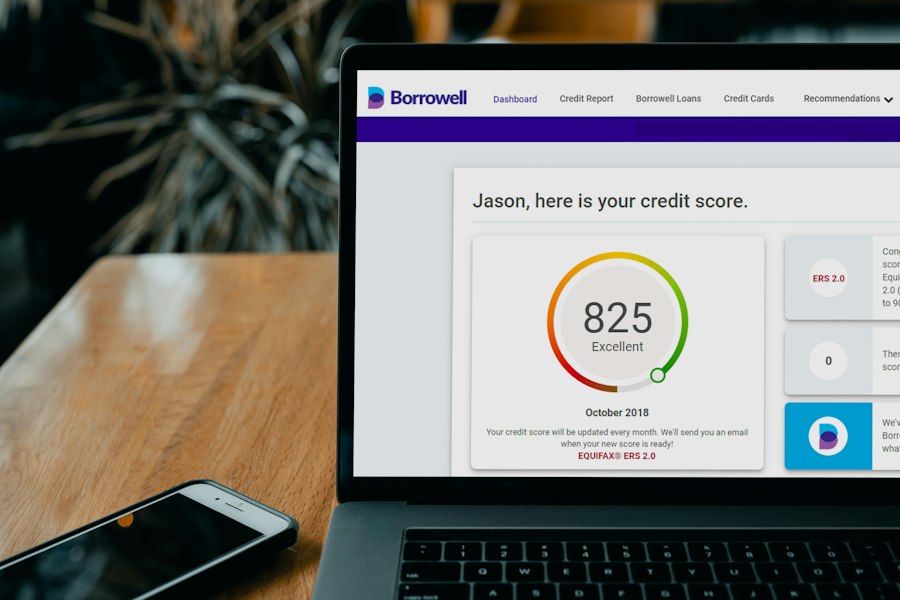
While some BNPL providers don’t report to credit bureaus when payments are made on time, many do report missed payments or defaults. This can have a detrimental effect on your credit score, making it harder to secure loans, mortgages, or even rent an apartment in the future. It’s crucial to understand the reporting policies of each BNPL service you use.
Missed Opportunities for Savings and Investment
When a significant portion of your disposable income is tied up in BNPL installments, you’re missing out on opportunities to save for emergencies, invest for the future, or pay down higher-interest debt. This can hinder your overall financial progress and long-term wealth building.
If you’re looking for effective strategies to prevent Buy Now Pay Later (BNPL) debt from accumulating, you might find it helpful to read a related article that offers valuable insights on managing your finances. This article discusses practical tips and techniques to help you stay on top of your spending and avoid the pitfalls of BNPL services. For more information, check out this resource: How Wealth Grows.
Strategizing Your BNPL Usage
The key to preventing BNPL debt isn’t necessarily to avoid it altogether, but to use it strategically and with a clear understanding of your financial capacity. Think of it as a tool to be wielded with precision, not a free-for-all spending spree.
Budgeting as Your First Line of Defense
A robust budget is the bedrock of any sound financial strategy, and it’s especially critical when incorporating BNPL into your spending. Without a clear understanding of where your money is going, it’s easy for BNPL payments to slip through the cracks.
Tracking Every Purchase, Big or Small
You need to be meticulously aware of every purchase you make, regardless of whether you pay for it upfront or via BNPL. This includes the total cost of the item and the individual installment amounts and their due dates. Use budgeting apps, spreadsheets, or even a good old-fashioned notebook to keep track.
Allocating BNPL Payments in Your Budget
Treat BNPL installments just like any other recurring bill. In your monthly budget, allocate specific amounts for each BNPL payment that is due. This ensures that you’re not caught off guard and that the money is set aside before you have a chance to spend it elsewhere.
Differentiating Needs vs. Wants
Before even considering BNPL, ask yourself if the purchase is a genuine need or a discretionary want. BNPL can be a useful tool for spreading out the cost of a necessary appliance or furniture item. However, using it for impulsive wants can quickly lead to financial strain.
Setting Realistic Spending Limits
Just because a BNPL provider offers you a certain credit limit doesn’t mean you should use it. It’s crucial to set your own, much stricter, personal spending limits for BNPL.
The “Can I Afford the Total?” Rule
This is a non-negotiable rule. Before you commit to a BNPL purchase, ask yourself: “Can I afford to pay the full price of this item right now if I had to?” If the answer is no, then you likely cannot afford to take on the debt, even with installments. This rule helps you avoid buying things that are beyond your current financial means.
The “One BNPL Item at a Time” Approach
For those who find themselves easily falling into debt, consider a stricter approach: only use BNPL for one item at a time. Once that item is fully paid off, you can then consider using BNPL for another purchase. This significantly reduces the complexity of tracking multiple payments and the risk of overspending.
The “Cooling-Off Period” Strategy
Before finalizing a BNPL purchase, give yourself a 24-hour cooling-off period. During this time, reflect on the purchase. Is it truly necessary? Could you wait a month and save up for it? This simple step can help curb impulse buying and ensure you’re making thoughtful financial decisions.
Mastering Your BNPL Payment Schedule
The real challenge with BNPL often lies not in the initial purchase, but in the ongoing management of payments. A disorganized payment schedule is a direct highway to debt accumulation.
Setting Up Reminders and Alerts
Modern technology is your friend here. Leverage your phone’s calendar, email reminders, or even dedicated budgeting apps to ensure you never miss a BNPL payment due date.
Calendar Synchronization
Add each BNPL payment due date to your digital calendar. Set multiple reminders: a week before, a few days before, and on the actual due date.
Bank and App Alerts
Many BNPL providers offer their own payment reminders through their apps or via email. Ensure these notifications are enabled and that you respond to them promptly. Furthermore, set up low balance alerts with your bank to ensure you have sufficient funds available when your BNPL payments are due.
Automating Payments Wisely
Automation can be a double-edged sword with BNPL. While it can prevent missed payments, it also requires careful management to avoid overdrafts or unintended deductions.
Direct Debit for Full Amounts
If you are confident in your budgeting and have sufficient funds in your account, consider setting up direct debits for your BNPL installments. However, this requires absolute discipline in ensuring you always have the necessary funds available.
Manual Payments for Extra Caution
For some, especially those new to BNPL or prone to overspending, manual payments might be a safer bet. This forces you to actively engage with each payment, offering an extra layer of consideration before the money leaves your account.
Setting Aside Funds Separately
Instead of relying solely on direct debit, consider setting aside the total amount for your BNPL payments in a separate savings account. Then, on the due date, you can manually transfer the funds to your checking account and make the payment. This provides an additional buffer against overdrafts and reinforces the act of paying.
Building a Safety Net Against Debt
Preventing BNPL debt isn’t just about managing your current spending; it’s also about building financial resilience to weather any unexpected financial storms.
The Importance of an Emergency Fund
An emergency fund is your financial shock absorber. When unexpected expenses arise, having savings prevents you from resorting to high-interest debt like credit cards or, worse, falling behind on your BNPL payments.
Calculating Your Target Emergency Fund
A good rule of thumb is to aim for 3-6 months of essential living expenses. This includes rent/mortgage, utilities, food, transportation, and minimum debt payments.
Prioritizing Emergency Fund Contributions
When allocating your income, prioritize building your emergency fund alongside your BNPL payments. Even small, consistent contributions add up over time and provide invaluable peace of mind.
Diversifying Your Debt Management Strategies
Relying solely on BNPL for purchases can create a dependency. Exploring other, potentially healthier, debt management strategies can provide alternatives and help you break free from the cycle of BNPL.
The Power of a Savings-First Approach
Before even considering BNPL, ask yourself: “Can I save up for this item over a few months?” This approach instills discipline and ensures that when you do make a purchase, it’s with money you’ve consciously set aside.
Utilizing Traditional Credit Responsibly
For larger purchases, a 0% APR credit card can sometimes be a more responsible option than BNPL, especially if you can pay off the balance within the promotional period. This can also help build your credit history. However, this requires discipline to avoid carrying a balance beyond the introductory offer.
The Snowball or Avalanche Method for Existing Debt
If you already have existing debt, consider using the debt snowball or debt avalanche method to tackle it. This focused approach can free up your income, reducing your reliance on BNPL in the future.
To effectively manage and prevent Buy Now Pay Later (BNPL) debt from accumulating, it’s essential to adopt strategic financial habits. One helpful resource is an article that offers practical tips on budgeting and prioritizing payments, ensuring that you stay on top of your financial obligations. By implementing these strategies, you can maintain control over your spending and avoid the pitfalls of BNPL services. For more insights, check out this informative article on how to manage your finances effectively at How Wealth Grows.
Seeking Help and Staying Informed
| Strategy | Description | Effectiveness | Implementation Tips |
|---|---|---|---|
| Create a Budget | Track income and expenses to understand spending limits and avoid unnecessary BNPL purchases. | High | Use budgeting apps or spreadsheets; review monthly. |
| Limit BNPL Usage | Set a personal cap on the number or amount of BNPL purchases per month. | Medium | Monitor BNPL accounts regularly; avoid impulse buys. |
| Pay Off Existing BNPL Balances Quickly | Prioritize paying off BNPL debts before making new purchases to prevent stacking. | High | Make extra payments when possible; avoid minimum payments only. |
| Use Alternative Payment Methods | Opt for debit cards or cash to avoid accumulating BNPL debt. | Medium | Carry limited cash; disable BNPL options in apps if possible. |
| Set Payment Reminders | Use calendar alerts or app notifications to avoid missed BNPL payments and fees. | High | Sync reminders with phone or email; set multiple alerts. |
| Understand Terms and Fees | Read BNPL agreements carefully to avoid unexpected interest or penalties. | High | Review terms before each purchase; ask questions if unclear. |
| Seek Financial Counseling | Get professional advice to manage debt and create a repayment plan. | Medium | Contact non-profit credit counselors; use online resources. |
No one is immune to financial challenges. Recognizing when you need help and staying informed about the evolving BNPL landscape are crucial for long-term financial health.
Recognizing the Signs of BNPL Overload
It’s important to be honest with yourself about your financial situation. If you’re constantly stressed about making BNPL payments, if you’re juggling multiple due dates, or if you’re using BNPL to cover essential living expenses, you may be in debt overload.
The Stress Factor
Are you losing sleep over your BNPL payments? Do you feel a constant sense of anxiety about your financial obligations? These are significant red flags.
The “Burying Your Head in the Sand” Syndrome
Are you avoiding looking at your BNPL statements or your bank account balance? This avoidance is a common coping mechanism for financial stress but ultimately makes the problem worse.
The Cycle of Deferral
Are you constantly pushing payments back or using new BNPL plans to cover old ones? This is a clear sign that you’re in a debt spiral.
Resources for Financial Guidance
You are not alone in facing financial difficulties. There are numerous resources available to help you get back on track.
Financial Advisors and Credit Counselors
Consider seeking advice from a qualified financial advisor or a non-profit credit counseling agency. They can help you assess your situation, create a personalized debt management plan, and negotiate with creditors.
Online Financial Literacy Tools
Numerous websites and apps offer free financial education resources. These can help you improve your understanding of budgeting, debt management, and investing.
Government and Consumer Protection Agencies
Familiarize yourself with consumer protection agencies that can provide information and assistance regarding financial products and services, including BNPL.
Staying Ahead of the Curve with BNPL Regulations
The BNPL industry is still relatively new and subject to evolving regulations. Staying informed about these changes can protect you from potential pitfalls.
Understanding BNPL Provider Terms and Conditions
Always read the fine print. Understand the fees, repayment terms, and dispute resolution processes of every BNPL service you use.
Consumer Advocacy Groups
Follow consumer advocacy groups that monitor the BNPL industry. They often provide valuable insights and warnings about new trends or potential risks.
In conclusion, Buy Now, Pay Later services offer a convenient way to spread out the cost of purchases. However, the ease of access and the illusion of affordability can lead to significant debt if not managed responsibly. By understanding the psychological drivers behind BNPL, implementing robust budgeting and spending limit strategies, mastering your payment schedule, building a financial safety net, and seeking help when needed, you can ensure that BNPL remains a tool for smart spending, not a pathway to financial distress. Your financial well-being is within your control, and with diligence and informed decision-making, you can navigate the world of BNPL without falling into its debt trap.

Why $800 Doesn’t Feel Like $800 Anymore
FAQs
1. What is BNPL debt stacking?
BNPL debt stacking refers to the practice of accumulating multiple Buy Now, Pay Later (BNPL) loans or purchases without being able to repay them on time, leading to a cycle of debt.
2. How can I prevent BNPL debt from stacking?
To prevent BNPL debt from stacking, it is important to only use BNPL services for necessary purchases, create a budget to ensure timely repayments, and avoid taking on multiple BNPL loans simultaneously.
3. What are the consequences of BNPL debt stacking?
The consequences of BNPL debt stacking include accumulating high interest fees, damaging your credit score, and potentially facing debt collection actions if payments are not made on time.
4. How can I manage existing BNPL debt to prevent stacking?
To manage existing BNPL debt and prevent stacking, consider consolidating multiple BNPL loans into one manageable payment, negotiating with BNPL providers for extended repayment terms, and seeking financial counseling for assistance.
5. What are some alternative options to BNPL services to avoid debt stacking?
Alternative options to BNPL services to avoid debt stacking include using traditional credit cards with lower interest rates, saving up for purchases instead of relying on credit, and exploring layaway or installment plans offered by retailers.