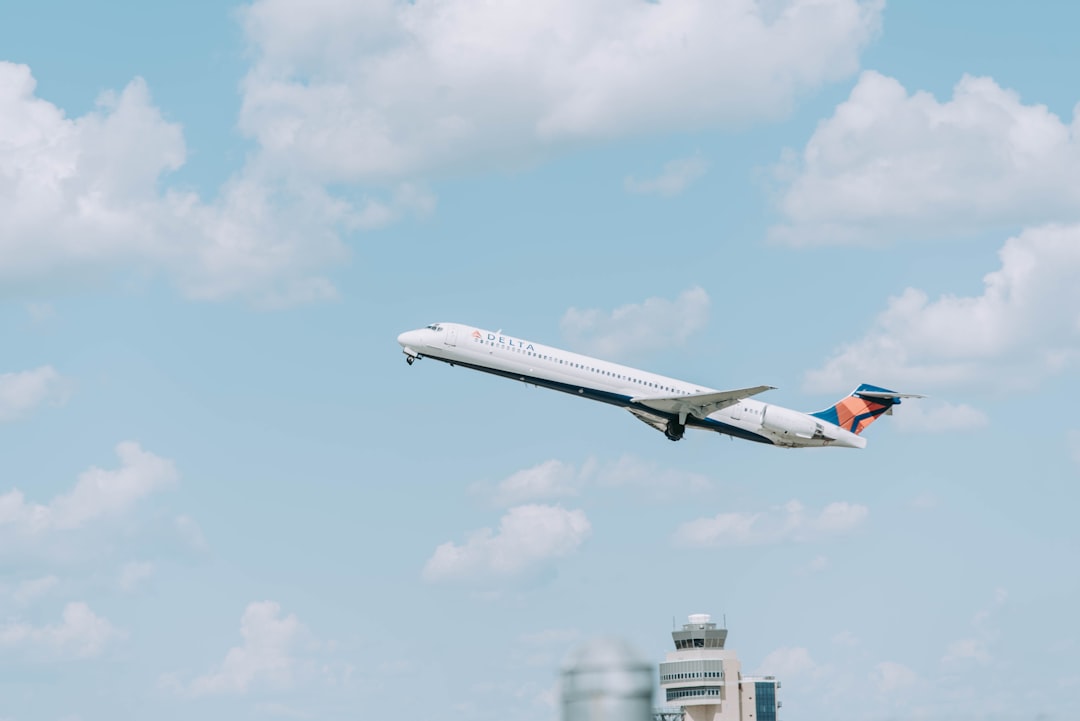
You’ve likely endured the surreal experience yourself. One day, you’re planning a trip, excitedly scrolling through flight deals, and the next, the world is grinding to a halt. The hum of jet engines, once a constant backdrop to our modern lives, fell eerily silent. You remember the empty airports, the deserted boarding gates, the chilling news reports about a virus that was reshaping everything. And through it all, you’ve probably wondered, with a mix of curiosity and maybe a little concern, how on earth did airlines survive? How did these behemoths of global travel, so reliant on the movement of people, manage to stay afloat when their very lifeblood was cut off?
The answer, you’ll discover, is a complex tapestry woven from desperate measures, government lifelines, and an astonishing capacity for adaptation. It wasn’t a matter of simply weathering a storm; it was a fight for survival, a radical reinvention of business models, and a testament to resilience in the face of unprecedented adversity. Let’s delve into the intricate world of how airlines navigated the turbulent skies of the COVID-19 pandemic.
You can still feel the shock, can’t you? The suddenness of it all. One moment, the world was connected by an invisible network of flights, carrying millions of people across continents every day. The next, borders slammed shut, travel bans became commonplace, and the skies became a vast, empty canvas. This wasn’t just a dip in demand; it was a catastrophic, systemic failure.
The Immediate Impact: Empty Seats and Empty Wallets
Picture this: you’re an airline executive. Your meticulously planned schedules, your revenue forecasts, your entire operational framework – it all crumbles in a matter of weeks.
The Collapse of Passenger Demand
You saw the numbers. They were staggering. As countries locked down and fear of transmission surged, people simply stopped flying. Business travel, a crucial revenue stream, evaporated overnight. Leisure travel, the bread and butter for many carriers, became impossible or unthinkable. You were left with planes sitting on tarmacs, crews grounded, and a ticking financial clock.
The Operational Nightmare
It wasn’t just about the lack of passengers. You had to figure out what to do with all those aircraft. Parking them safely, maintaining them, and then the logistical nightmare of eventually bringing them back into service – it was a colossal undertaking. And the cost associated with this grounded fleet, even when not flying, was immense.
The Financial Cataclysm: A Bottomless Pit
For an industry with notoriously thin margins, this sudden cessation of revenue was akin to a financial death knell. You likely heard the dire predictions, the bankruptcies that were declared, and the desperate pleas for help.
Sky-High Fixed Costs
You understood that airlines have enormous fixed costs, regardless of whether they fly. Aircraft leases, maintenance, airport fees, employee salaries – these expenses don’t disappear when the planes are grounded. This created an immediate and suffocating cash crunch.
The Domino Effect: Suppliers and Stakeholders
The problems didn’t stop with the airlines themselves. You saw how the entire aviation ecosystem was affected. Aircraft manufacturers, catering companies, maintenance providers, travel agencies – all were staring into the abyss alongside the carriers.
During the COVID-19 pandemic, airlines faced unprecedented challenges, leading to significant changes in their operations and strategies for survival. Many airlines implemented cost-cutting measures, restructured their routes, and enhanced health and safety protocols to regain passenger confidence. For a deeper understanding of how various industries, including airlines, navigated the crisis and adapted to the new normal, you can read a related article at How Wealth Grows.
Government Intervention: The Lifeline to Survival
It became abundantly clear that the market alone could not save the aviation industry. The sheer scale of the crisis demanded intervention, and governments worldwide stepped in, albeit with varying degrees of speed and generosity. You witnessed a significant injection of capital and support that, for many, meant the difference between survival and oblivion.
Bailouts and Stimulus Packages: A Necessary Evil
You probably heard about the massive financial aid packages. These weren’t handouts; they were a recognition of the strategic importance of aviation to national economies and global connectivity.
Direct Financial Aid: Keeping the Lights On
This often came in the form of direct grants, low-interest loans, and even equity stakes taken by governments. You saw how this money was crucial for covering immediate operational costs, preventing mass layoffs, and keeping essential routes operational.
Wage Subsidies: Preserving the Workforce
One of the biggest challenges was retaining skilled personnel. Governments often provided wage subsidies, allowing airlines to keep their pilots, cabin crew, and ground staff employed, even when there was little work to do. This was vital for future recovery.
Regulatory Relief: Easing the Burden
Beyond financial aid, governments also provided crucial regulatory flexibility. You saw how these measures helped airlines manage their resources more effectively.
Slot Relief: Flexibility at Busy Airports
Normally, airlines forfeit their valuable take-off and landing slots at busy airports if they don’t use them. During the pandemic, regulators granted widespread slot relief, allowing carriers to hold onto these crucial assets without penalty, even if they weren’t flying.
Easing of Labor Regulations
Some jurisdictions also temporarily eased certain labor regulations, providing airlines with more flexibility in managing their workforce.
The Pivot to Cargo: A New Revenue Stream in the Void
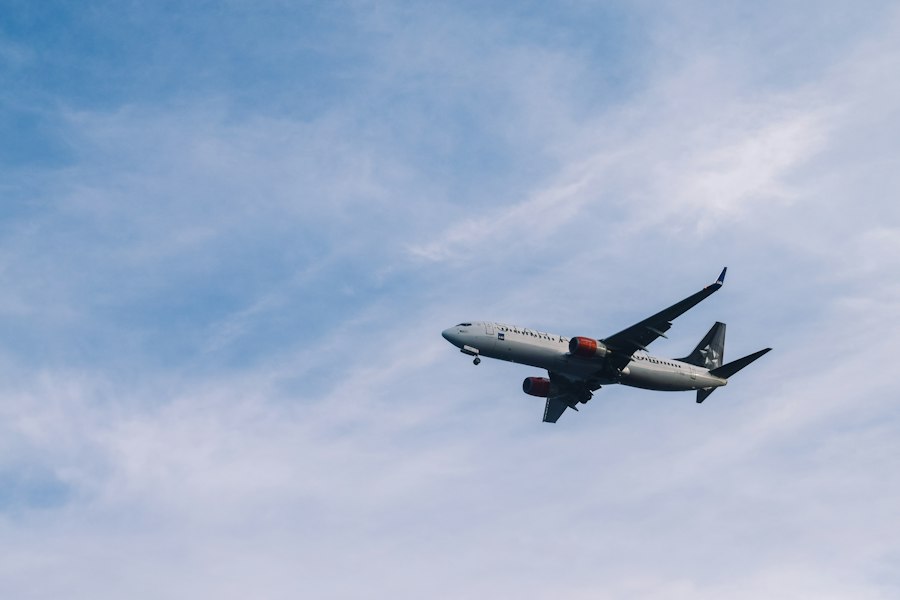
As passenger demand plummeted, airlines were forced to look for any available revenue. It was in this desperate search that you saw a remarkable shift towards air cargo, a segment that, surprisingly, boomed during the pandemic.
The Demand for Critical Supplies: A Global Lifeline
You saw the news reports about the urgent need for medical supplies, personal protective equipment (PPE), and vaccines. These essential goods had to be transported quickly and efficiently across the globe, and air cargo became indispensable.
The Rise of “Preighters”: Passenger Planes in Cargo Duty
This was a fascinating innovation you likely observed. Airlines began converting their passenger aircraft into temporary cargo planes, known as “preighters.” You saw how they removed seats from the cabins and used the overhead bins and galleys to transport goods. This allowed them to utilize their existing fleet and generate revenue from a segment that was in high demand.
Maximizing Bellyhold Capacity
Even without removing seats, the cargo holds of passenger planes were utilized to their maximum potential. You saw how airlines optimized their cargo operations to fill every available inch of space.
The Logistics Challenge: Adapting to a New Role
This shift wasn’t without its complexities. You saw how airlines had to adapt their operational procedures and logistics to cater to cargo.
New Partnerships and Infrastructure
Airlines had to forge new partnerships with freight forwarders and logistics companies. They also had to adapt their airport infrastructure to handle the specific requirements of cargo operations.
Training and Specialization
While pilots are trained to fly planes, they aren’t necessarily cargo specialists. You saw how airlines had to implement training programs to ensure their crews were equipped to handle the nuances of cargo operations.
Cost-Cutting and Efficiency Drives: The Art of Survival
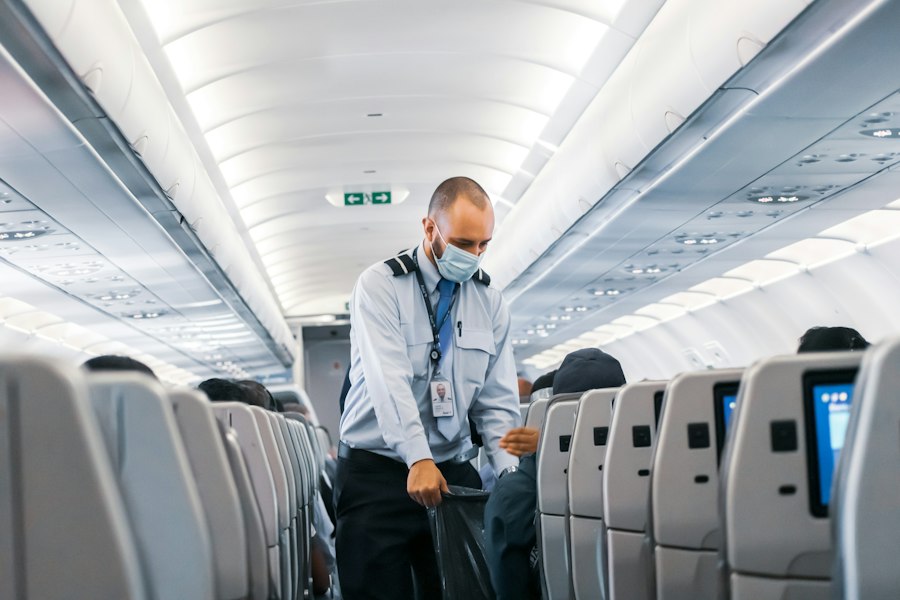
With revenue streams decimated, airlines had to embark on a brutal journey of cost reduction. You witnessed a widespread and aggressive pursuit of efficiency, touching every aspect of airline operations.
Fleet Rationalization: Shedding the Old and Inefficient
You likely saw headlines about airlines retiring older, less fuel-efficient aircraft. This was a critical step in reducing operating costs and future capital expenditures.
Accelerating Fleet Retirements
The pandemic provided a convenient catalyst for airlines to accelerate the retirement of older models, such as the Boeing 747 and the Airbus A380, which were becoming increasingly expensive to operate.
Focusing on Modern, Fuel-Efficient Aircraft
The focus shifted towards newer, more fuel-efficient aircraft that would offer significant cost savings in the long run, once travel began to recover.
Operational Streamlining: Doing More with Less
Beyond the planes themselves, airlines looked at every possible way to trim expenses. You saw how this impacted various operational areas.
Reducing Ground Staff and Overhead
Airlines significantly reduced their ground staff and administrative overhead. This often involved early retirement programs, voluntary redundancies, and a general scaling back of non-essential functions.
Optimizing Flight Schedules and Routes
You saw how airlines meticulously re-evaluated their flight schedules and routes. This involved consolidating less profitable routes, reducing flight frequencies, and focusing on core, high-demand markets.
Negotiation with Suppliers and Service Providers
You likely heard about tough negotiations with suppliers, fuel providers, and airport authorities. Airlines sought to renegotiate contracts and secure more favorable terms to reduce their outgoings.
During the unprecedented challenges posed by the COVID-19 pandemic, airlines had to implement innovative strategies to survive and adapt to the rapidly changing landscape of travel. Many companies focused on enhancing their health and safety protocols, while others explored new revenue streams, such as cargo transport. For a deeper understanding of how various industries navigated these turbulent times, you can read a related article that discusses the resilience and adaptability of businesses during the pandemic. This insightful piece can be found here.
The Road to Recovery: Adaptation and the Future of Air Travel
| Airline | Revenue Loss | Job Cuts | Government Aid |
|---|---|---|---|
| Delta | 8.9 billion | 17,000 employees | 5.4 billion |
| American | 8.9 billion | 19,000 employees | 5.8 billion |
| United | 7.1 billion | 13,000 employees | 5 billion |
As the world slowly began to open up, the challenge shifted from survival to recovery. You’ve seen how airlines are now navigating a changed landscape, with new priorities and a renewed focus on passenger experience and sustainability.
Rebuilding Passenger Confidence: Safety First
You saw how airlines and airports invested heavily in safety protocols to reassure travelers.
Enhanced Cleaning and Sanitation
You witnessed the rigorous cleaning and sanitation regimes implemented on aircraft and in terminals. This included enhanced disinfection of high-touch surfaces and improved air filtration systems.
Contactless Technologies
You saw the adoption of contactless technologies, from mobile check-in and boarding passes to touchless baggage drop and payment systems, to minimize physical interaction.
The Evolving Passenger: New Demands and Expectations
The pandemic has fundamentally altered traveler expectations. You’re seeing a shift in priorities.
Increased Demand for Flexibility
You’ve observed a greater demand for flexible booking options, with passengers seeking the ability to change or cancel flights without hefty penalties.
The Rise of Sustainable Travel
You’re likely aware of the growing passenger concern for environmental sustainability. Airlines are facing increased pressure to adopt more eco-friendly practices.
A Shift in Travel Patterns
You might have noticed changes in travel patterns, with a potential increase in domestic travel and a greater emphasis on “bleisure” (business and leisure) trips.
The Long-Term Outlook: Resilience and Innovation
The airlines that survived the pandemic have emerged leaner, more agile, and arguably, more resilient. You’re witnessing a period of intense innovation.
Investing in Technology and Digitalization
You see airlines investing heavily in technology to improve operational efficiency, enhance customer experience, and personalize travel.
The Drive Towards Sustainability
You’re seeing a renewed commitment to sustainability, with airlines exploring new fuels, more efficient aircraft, and innovative operational strategies to reduce their carbon footprint.
A More Diversified Revenue Model
You can expect airlines to continue diversifying their revenue streams, looking beyond traditional ticket sales to areas like cargo, loyalty programs, and ancillary services.
You’ve lived through it. You’ve seen the empty skies, the anxious news reports, and the desperate measures taken. But you’ve also witnessed the incredible resilience and adaptability of the airline industry. From the brink of collapse, these carriers found ways to stay afloat, driven by government support, innovative pivots, and a relentless focus on cost management. As you plan your next trip, remember the extraordinary journey you, and the aviation world, have undertaken. The skies may be reopening, but the lessons learned from this unprecedented crisis will undoubtedly shape the future of air travel for years to come.

How Airlines Make Billions Without Flying You
FAQs
1. How did airlines survive during COVID-19?
Airlines survived during COVID-19 by implementing cost-cutting measures such as reducing staff, renegotiating contracts, and grounding aircraft to save on fuel and maintenance costs. They also received financial aid from governments and secured loans to stay afloat.
2. What strategies did airlines use to retain customers during the pandemic?
Airlines offered flexible booking policies, waived change fees, and provided incentives such as bonus miles to encourage travelers to book future flights. They also implemented enhanced cleaning and safety protocols to reassure passengers.
3. How did airlines adapt their routes and schedules during the pandemic?
Airlines adjusted their routes and schedules by focusing on domestic and short-haul flights, as international travel was heavily restricted. They also reduced the frequency of flights to match the decreased demand and consolidated routes to optimize efficiency.
4. What role did government support play in helping airlines survive?
Government support played a crucial role in helping airlines survive by providing financial aid, grants, and loans to offset revenue losses and operational expenses. Some governments also offered tax relief and subsidies to support the aviation industry.
5. What long-term changes have airlines made to ensure their survival post-pandemic?
Airlines have made long-term changes such as restructuring their fleets, renegotiating lease agreements, and investing in digital technologies to improve operational efficiency. They have also focused on sustainability initiatives and diversified their revenue streams to mitigate future risks.