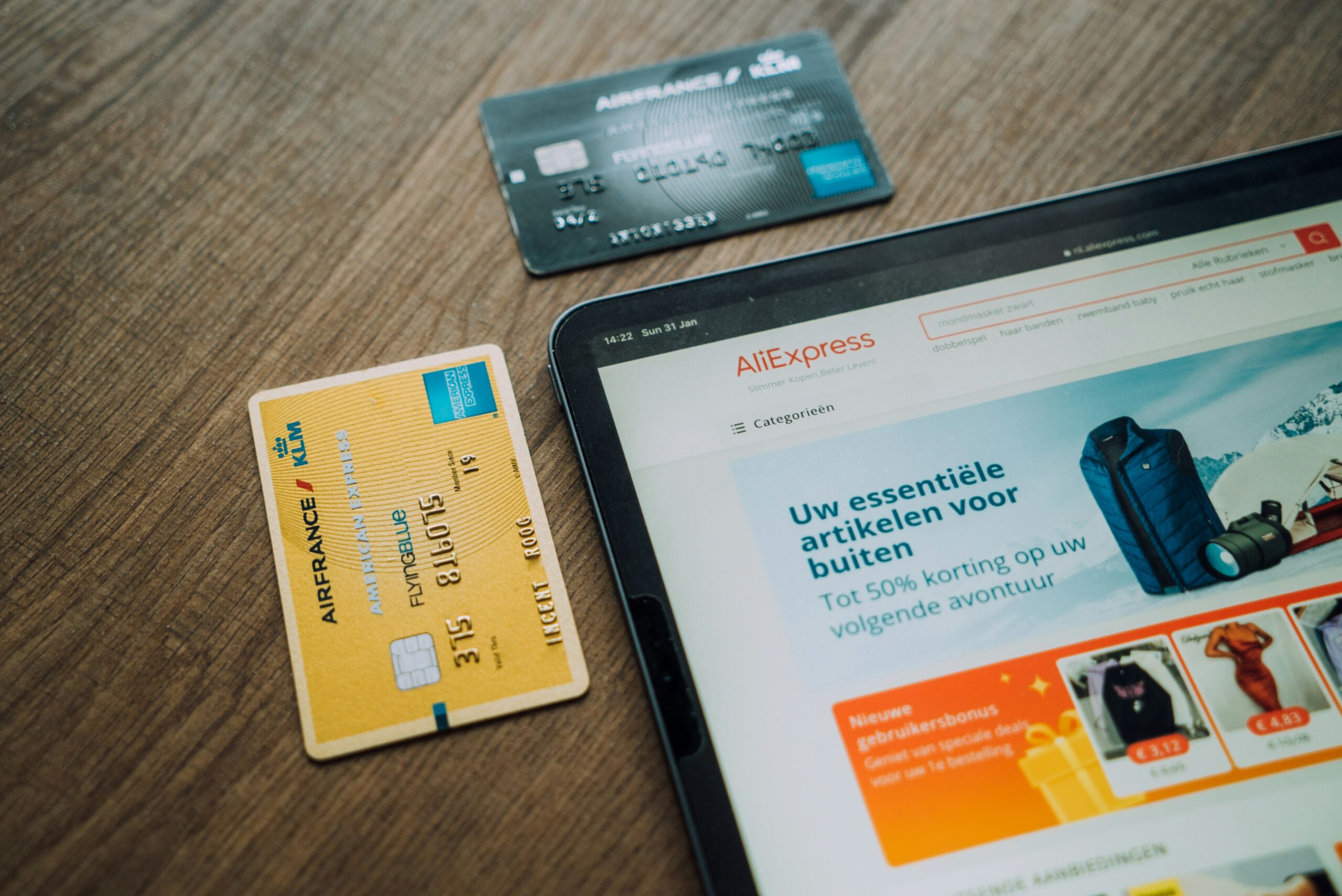
You’re probably familiar with them: the credit card offers that flood your mailbox, many touting the perks of a particular airline. These aren’t just random marketing efforts. Banks actively pursue you, the airline credit card customer, and there’s a very strategic, and often profitable, reason why. You represent a particularly attractive demographic, a trifecta of spending habits, travel inclination, and financial engagement that banks find incredibly valuable. They see you not just as a cardholder, but as a key to increased revenue through a combination of higher spending, consistent travel, and a propensity to carry balances, all of which translate directly into interest and fee income for them.
The primary reason banks are so keen on airline credit card customers boils down to one fundamental principle: you tend to spend more. This isn’t a mere observation; it’s a statistically supported reality that forms the bedrock of many bank marketing strategies. When you’re enticed by the promise of earning miles for every dollar you spend, you’re subtly incentivized to use your credit card for a wider range of purchases. Why use cash for that new piece of luggage, that fancy dinner, or even your everyday groceries, when you could be putting those expenses on your airline card and inching closer to your next free flight?
A Constant Stream of Transaction Data
For a bank, every swipe of your card is a data point. The more you spend, the more data they accumulate about your purchasing habits. This data is invaluable. It allows them to understand your lifestyle, your preferences, and your financial capacity. This information can then be used to tailor future offers, refine their marketing strategies, and even assess your creditworthiness with greater accuracy. For an airline credit card customer, the sheer volume of transactions associated with their spending creates a rich tapestry of information that banks can exploit. They see this not as an invasion of privacy, but as an opportunity to better serve – and profit from – you.
Understanding Your Lifestyle Through Spending
Consider the types of purchases an avid traveler might make. Beyond the obvious flight and hotel bookings, there are the pre-trip purchases: new wardrobes for different climates, travel gadgets, travel insurance, and guidebooks. Then there are the in-destination expenses: dining out, local tours, souvenirs, and even day-to-day incidentals. Each of these categories provides banks with granular insights into your lifestyle. Do you frequent high-end restaurants? Do you opt for luxury hotels or more budget-friendly options? Are you a spontaneous spender or a meticulous planner? This level of detail allows banks to move beyond generic marketing and target you with highly personalized offers, increasing the likelihood of those offers being accepted.
The Value of Points and Miles Programs
The very structure of airline credit card rewards programs is designed to encourage higher spending. The more you spend, the faster you accrue miles. This creates a feedback loop: you spend more to earn more, and the bank benefits from the increased transaction volume. The perceived value of those miles, especially for frequent travelers, is a powerful motivator. It transforms everyday expenses into tangible rewards, making the airline credit card not just a payment tool, but an investment in future travel. Banks understand this psychology intimately. They know that the promise of a free vacation is a potent incentive, and they’ve engineered their products to capitalize on it.
Maximizing Earning Potential
You, as an airline credit card customer, are likely to be actively seeking ways to maximize your miles. This might involve strategically using your card for large purchases that you might otherwise have financed differently, or even adjusting your spending patterns to align with bonus categories offered by your card. For example, a card might offer double miles on airline purchases and dining. You, in turn, might choose to book your flights directly through the airline’s website or opt for restaurants that fall within the bonus category. This conscious effort to “play the game” of rewards earning directly benefits the bank by driving more spending through their network.
The “Halo Effect” on Other Spending
The presence of an airline credit card in your wallet can also have a “halo effect” on your other spending. Even if you don’t use it for every single transaction, you might be more inclined to use it for larger purchases that you’ve been planning. Think about replacing a major appliance, undergoing a home renovation, or even making a significant charitable donation. If these expenses can earn you a substantial number of miles, you’re likely to consider your airline card as the preferred payment method, further increasing your overall spending with that bank.
Banks are increasingly targeting airline credit card customers due to the lucrative rewards and loyalty programs associated with air travel. These customers tend to spend more on travel-related expenses, making them attractive to banks looking to increase their profit margins through interest and fees. Additionally, airline credit cards often come with enticing perks such as bonus miles, free checked bags, and priority boarding, which can foster customer loyalty and encourage higher spending. For a deeper understanding of the financial dynamics at play, you can read more in this related article on wealth growth strategies at How Wealth Grows.
The Frequent Traveler: A Goldmine of Opportunities
Beyond sheer spending volume, the fact that you frequently travel is a significant draw for banks. Frequent travelers are not just sporadic spenders; they are consistent, often predictable, users of credit. This predictability allows banks to forecast revenue and manage their risk more effectively. Your travel patterns create a steady flow of transactions, ensuring that the bank’s investment in acquiring you as a customer continues to yield returns.
Consistent Transaction Volume
For a bank, a customer who travels frequently represents a reliable and consistent source of revenue. Unlike a customer who might only use their card occasionally, you are likely to be using your airline credit card for a significant portion of your spending throughout the year. This consistent transaction volume is crucial for maintaining profitability. It means that the bank isn’t just relying on a few large purchases; they have a steady stream of smaller transactions that, when aggregated, contribute substantially to their bottom line.
Predictable Spending Habits
The predictable nature of travel spending is another key advantage. While everyday spending can fluctuate, travel expenses often follow discernible patterns. You might book flights and accommodations months in advance, or have recurring travel needs for business. This predictability allows banks to better manage their credit lines, forecast their interest income, and even offer you targeted travel-related products and services at opportune times. For instance, they might offer you travel insurance just before a planned trip or suggest a rental car partnership based on your booking history.
The Lifelong Value of a Traveler
A frequent traveler, by their very nature, is likely to be a customer for a longer period. Travel is not a one-off event for you; it’s a recurring need. This means that the bank can potentially build a long-term relationship with you, benefiting from your spending and potential for future product uptake over many years. The initial investment in acquiring you as a customer is therefore amortized over a much longer timeframe, leading to a higher lifetime value. Banks are always looking for customers who will stick around, and frequent travelers fit that bill perfectly.
Building Brand Loyalty Through Travel Perks
The airline credit card is a powerful tool for building brand loyalty. By offering tangible benefits that directly enhance your travel experience, banks can foster a strong emotional connection with you and your preferred airline. When you consistently receive free flights, upgrades, lounge access, or priority boarding, you are far more likely to remain loyal to that airline and, by extension, to the bank that facilitates those rewards. This loyalty translates into continued spending and reduced churn, a highly desirable outcome for any financial institution.
The “Gateway” to Other Financial Products
Your frequent travel can also serve as a “gateway” for banks to introduce you to other financial products. Once they have established a relationship with you through an airline credit card, they have a better understanding of your financial situation and needs. This allows them to proactively offer you other relevant products, such as travel insurance, premium checking accounts with international banking benefits, or even investment products geared towards long-term financial goals that might include future travel.
The Profitability of Carrying a Balance
While the allure of earning miles is a powerful motivator for spending, a significant portion of airline credit card customers also carry a balance on their cards. This is where a substantial amount of a bank’s profit is generated, through interest income. For banks, a customer who consistently carries a balance is a highly valuable asset, and airline credit card customers are disproportionately likely to fall into this category.
The Generative Power of Interest
Interest is, and has always been, a core revenue stream for banks. When you carry a balance on your credit card, you are essentially borrowing money from the bank, and they charge you a fee for that service in the form of interest. For airline credit card customers, who may be enticed by high credit limits or the desire to make significant purchases to earn more miles, the tendency to carry a balance can be amplified. This creates a consistent and predictable interest income for the bank, especially given the often-high Annual Percentage Rates (APRs) associated with credit cards.
The Psychology of Deferred Payment
There’s a psychological element at play here. The allure of immediate gratification – that new purchase, that booking – can sometimes outweigh the immediate cost of interest. For some, the perceived value of the miles earned outweighs the cost of carrying a balance. Banks understand this trade-off and have structured their rewards programs to encourage such behavior. They offer attractive rewards that, on the surface, seem to outweigh the interest you might accrue, creating a powerful incentive for you to keep spending and, potentially, to carry a balance.
Fees: A Multi-Faceted Revenue Stream
Beyond interest, airline credit cards come with a variety of fees that contribute significantly to bank profits. Annual fees are a common feature, designed to offset the cost of the rewards program and provide an upfront revenue stream. These fees are often justified by the perceived value of the perks, such as airport lounge access or free checked bags, making them palatable to frequent travelers.
Annual Fees and Premium Perks
The annual fees associated with airline credit cards can range from modest to substantial. However, for those who actively utilize the card’s benefits, the perceived value often exceeds the cost. A traveler who regularly uses airport lounges, checks in bags for free, or benefits from priority boarding can easily see how the annual fee is recouped through savings and enhanced convenience. Banks are adept at marketing these benefits, ensuring that the annual fee is viewed as an investment rather than an expense. This encourages cardholders to remain active and engaged, further driving spending and potential balance carrying.
Other Ancillary Fees
In addition to annual fees, other ancillary fees can also generate revenue. These might include late payment fees, over-limit fees, balance transfer fees, and foreign transaction fees. While banks generally discourage cardholders from incurring these fees through responsible financial behavior, the potential for their occurrence adds another layer of revenue generation, particularly when dealing with a large customer base. For a frequent traveler, foreign transaction fees can become a recurring expense, and the bank benefits from each instance.
The Value of Targeted Product Development
The data gleaned from your spending habits allows banks to develop and refine targeted products. They can identify trends in travel spending, understand the evolving needs of frequent flyers, and create new credit card offerings or loyalty programs that are precisely tailored to capture this market. This iterative process of product development, driven by customer data, ensures that banks remain competitive and continue to attract and retain airline credit card customers.
Meeting Evolving Traveler Needs
As the travel landscape shifts, so too do the needs of travelers. Banks that issue airline credit cards are in a prime position to observe these shifts. For example, as the popularity of premium cabin travel grows, banks might introduce cards with higher earning rates on flights and hotels, or offer more generous upgrade benefits. Similarly, the rise of “bleisure” (business and leisure) travel might prompt the development of cards that offer rewards for both business-related expenses and personal travel. By staying attuned to these evolving needs, banks can ensure their offerings remain relevant and attractive to you.
Understanding the Airline Partnership

The relationship between banks and airlines is a symbiotic one, where both entities stand to gain significantly. The airline provides access to its customer base and brand recognition, while the bank provides the financial infrastructure and the marketing power to acquire and manage these customers. This partnership is not merely a transactional one; it’s a strategic alliance designed to maximize mutual benefit.
Co-Branding and Brand Leverage
The co-branding of credit cards – “The [Airline Name] Card from [Bank Name]” – is a powerful marketing tool. The airline leverages its brand loyalty and the aspirational appeal of air travel, while the bank leverages its financial expertise and customer acquisition capabilities. This allows both entities to reach a wider audience than they might be able to individually. For you, the consumer, the co-branding often signifies a direct link between your spending and your travel aspirations, making the card feel more exclusive and rewarding.
Brand Recognition and Trust
Airlines often have a strong brand presence and a dedicated customer base. By partnering with a reputable bank, they can extend this brand recognition and trust into the financial realm. When you see your favorite airline’s logo on a credit card, it can evoke positive associations and a sense of familiarity. This emotional connection can make you more inclined to choose that particular card over a generic offering from a bank.
Data Sharing and Targeted Marketing
While specific details are often proprietary, it’s understood that banks and airlines engage in some level of data sharing. This allows for highly targeted marketing campaigns. For instance, if an airline knows you’re a top-tier elite member, they might work with their partner bank to offer you exclusive credit card bonuses or benefits that cater to your status. Similarly, the bank can use airline data to identify potential customers who are frequent flyers but don’t yet have an airline-branded card.
Identifying High-Value Customers
Airlines possess a treasure trove of data on their most frequent and valuable customers. This data is invaluable to banks seeking to acquire high-value credit card customers. By analyzing information on travel frequency, routes flown, and booking patterns, banks can identify individuals who are likely to spend heavily and travel consistently. This allows them to focus their marketing efforts on the most promising prospects, increasing their return on investment for customer acquisition.
Revenue Sharing and Profitability
The financial arrangement between banks and airlines typically involves a revenue-sharing model. The bank earns revenue from interest, fees, and interchange fees (a small percentage of each transaction paid by the merchant’s bank to the cardholder’s bank). A portion of this revenue is then shared with the airline, often in the form of licensing fees for the brand and contributions to the rewards program. This shared profitability incentivizes both parties to actively promote and grow the co-branded credit card portfolio.
The Rewards Program as a Mutual Investment
The rewards program is central to the airline credit card’s success, and it represents a significant investment for both the bank and the airline. The airline contributes to the redemption cost of the miles, while the bank funds the accumulation of those miles through transaction volume. This mutual investment ensures that both parties are committed to the program’s success, as its popularity directly impacts their profitability.
Banks are increasingly targeting airline credit card customers due to the lucrative rewards and loyalty programs associated with air travel. These customers often exhibit higher spending habits and are more likely to pay off their balances, making them attractive to financial institutions. For a deeper understanding of the strategies banks employ to attract these consumers, you can read a related article that explores the financial benefits and marketing tactics in detail. Discover more about this trend by visiting this article.
The Psychological Impact and Behavioral Economics
| Reasons | Metrics |
|---|---|
| High Spending | Airline credit card customers tend to spend more on travel and related expenses. |
| Loyalty | Customers are more likely to be loyal to a specific airline, leading to repeat business. |
| Rewards | Customers are attracted to the rewards and benefits offered by airline credit cards. |
| Partnerships | Banks can form partnerships with airlines to offer co-branded credit cards. |
Ultimately, the success of airline credit card marketing relies on a deep understanding of consumer psychology and behavioral economics. Banks tap into our innate desires for rewards, status, and convenience, leveraging them to influence our spending decisions. The promises of free travel and exclusive perks are powerful psychological triggers that can override purely rational financial considerations.
The Power of Aspiration and Status
The desire for aspiration and status plays a significant role in the appeal of airline credit cards. Earning miles and achieving elite status with an airline can be seen as a mark of success and a gateway to a more comfortable and exclusive travel experience. The ability to travel for free, receive upgrades, and access premium lounges can be a powerful motivator, appealing to our desire for recognition and a sense of belonging to an elite group. Banks are adept at weaving these aspirational themes into their marketing, making the card not just a financial tool, but a symbol of achievement.
Elite Status and its Tangible Benefits
For frequent travelers, the pursuit of elite status with an airline is a significant driver. This status often comes with tangible benefits like priority boarding, complimentary upgrades, and lounge access, which can significantly enhance the travel experience. Airline credit cards often offer accelerated ways to earn elite status or provide benefits that directly contribute to maintaining it. This creates a powerful incentive to use the card consistently, as it directly impacts your ability to achieve and retain these coveted perks.
The Framing Effect of Rewards
The “framing effect” is a powerful cognitive bias where people react differently to a particular choice depending on whether it is presented as a loss or as a gain. Banks frame airline credit cards as opportunities for gain – earning miles, achieving status, enjoying benefits. This positive framing makes the prospect of spending more and potentially carrying a balance seem more appealing. The perceived value of the rewards often overshadows the actual cost of interest.
The Illusion of “Free” Travel
While the travel earned through these cards isn’t technically “free” (as it requires spending and often involves fees), it is often perceived as such. The framing of rewards as “earning” rather than “saving” or “discounting” contributes to this illusion. When you’re focused on the destination and the miles you’re accumulating, the immediate cost of interest or annual fees can become secondary. Banks are masters of this psychological framing, creating an attractive narrative around their products.
Cognitive Ease and Simplicity
In a complex financial world, airline credit cards can offer a sense of cognitive ease. The rewards program, while sometimes intricate, is generally presented as straightforward: spend X, earn Y miles. This simplicity makes it easier for consumers to engage with the product. The upfront benefits and the clear path to earning rewards can make the decision to apply for and use the card feel less daunting than navigating more complex financial products.
The Appeal of a Clear Path to a Desired Outcome
For many, the idea of a clear, albeit potentially long, path to a desired outcome – a free vacation – is highly appealing. The airline credit card offers this tangible goal. It simplifies the often abstract concept of financial management into a more concrete pursuit. This perceived simplicity and the direct link between spending and travel rewards make the card an attractive proposition for a wide range of consumers.
In conclusion, you, as an airline credit card customer, are a highly sought-after individual by banks. Your spending habits, your inclination to travel frequently, and your propensity to carry a balance create a profitable ecosystem for financial institutions. The strategic partnerships between banks and airlines, coupled with a deep understanding of consumer psychology, solidify your position as a prime target in the competitive credit card market. They don’t just want your business; they see you as a key to their ongoing financial success.

How Airlines Make Billions Without Flying You
FAQs
Why do banks want airline credit card customers?
Banks want airline credit card customers because they tend to spend more and carry higher balances than other credit card users. This means more potential revenue for the bank through interest charges and fees.
What benefits do airline credit card customers provide to banks?
Airline credit card customers provide banks with the opportunity to earn revenue from annual fees, interest charges, and transaction fees. Additionally, banks can benefit from partnerships with airlines, which can lead to increased customer loyalty and brand recognition.
How do banks attract airline credit card customers?
Banks attract airline credit card customers by offering sign-up bonuses, rewards for airline-related purchases, and perks such as free checked bags and priority boarding. These incentives are designed to appeal to frequent travelers and make the credit card more attractive than other options.
What are the advantages of having an airline credit card for customers?
Customers with airline credit cards can benefit from perks such as free flights, upgrades, and access to airport lounges. Additionally, they can earn rewards for everyday purchases that can be redeemed for travel-related expenses.
What should customers consider before getting an airline credit card?
Before getting an airline credit card, customers should consider factors such as annual fees, interest rates, rewards structure, and airline partnerships. It’s important to assess whether the benefits of the card align with their travel habits and spending patterns.