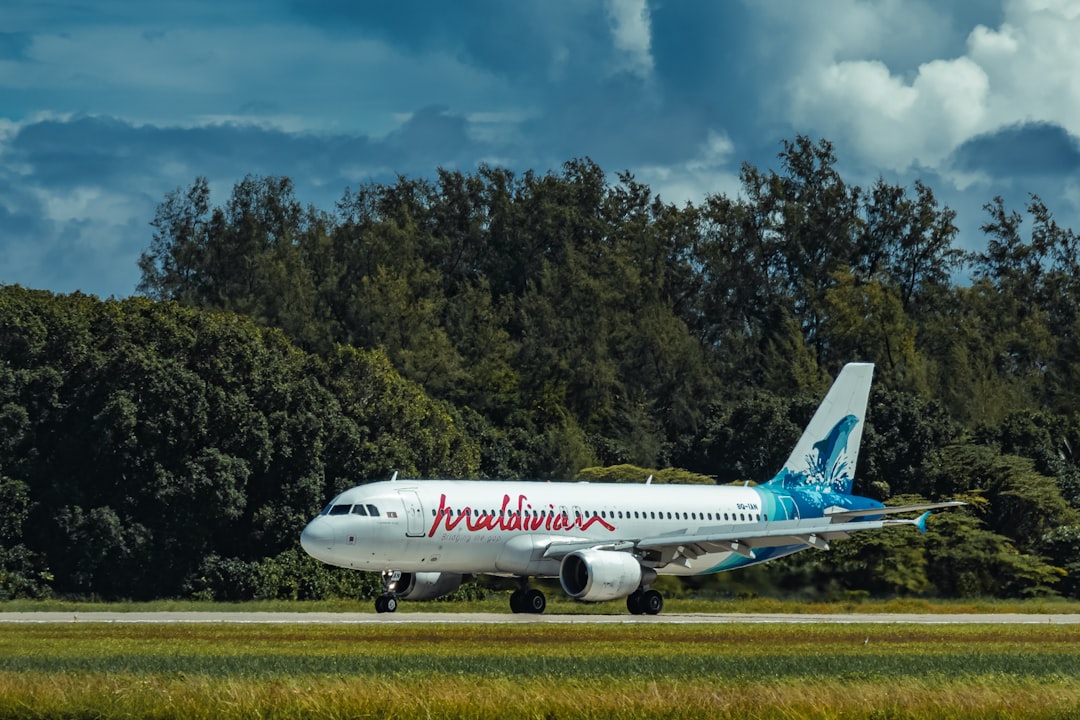
You’ve probably seen them, soaring through the sky, metallic birds carrying hundreds of souls to destinations near and far. Airlines. They seem like a marvel of modern engineering and a gateway to adventure. But behind the romance of flight lies a complex and often brutal business. You might wonder, how do these colossal operations, with their fuel costs, massive workforces, and ever-changing regulations, actually make money? The “profitable secrets” of airlines aren’t exactly hidden in plain sight, but they are often misunderstood or overlooked by the average traveler. It’s a world of razor-thin margins, intricate strategies, and a constant battle for every dollar. Let’s pull back the curtain and explore the surprisingly profitable secrets that keep these giants of the sky in business.
You think you’re just buying a seat on a plane. You’re actually engaging in a sophisticated dance of supply and demand, elasticity, and psychological pricing. The price you see on that ticket is just the tip of a very large iceberg, and airlines have mastered the art of extracting maximum value from every single one.
Dynamic Pricing: The Ever-Shifting Sand
This is perhaps the most visible “secret” but its intricacies are often lost on the casual observer. Airlines don’t have fixed prices for flights. Instead, they employ sophisticated algorithms that constantly adjust fares based on a multitude of factors. Think of it as a real-time auction for your seat.
Demand Fluctuations: When Everyone Wants to Fly
The most obvious driver is demand. If it’s a holiday weekend, a major sporting event, or a popular tourist season, demand spikes. The algorithms detect this and prices climb accordingly. You’ve likely experienced this firsthand – booking a flight months in advance and seeing the price creep up as your departure date nears, or conversely, snagging a last-minute deal when a flight isn’t filling up.
Time of Day and Day of the Week: The Subtle Shifts
Even within the same day, prices can vary wildly. Early morning flights or late-night red-eyes are often cheaper because they are less convenient for most travelers. Similarly, Tuesday and Wednesday flights are typically more affordable than Friday or Sunday flights, which are prime travel days for business and leisure. Airlines know that the business traveler, often reimbursed by their company, is less price-sensitive than the leisure traveler stretching their budget.
Lead Time: The Sweet Spot for Booking
There’s a widely held belief that booking last minute is always expensive, and while often true, it’s not a universal law. Airlines try to anticipate demand and fill seats. Booking too far in advance can mean you’re paying for a flight that hasn’t yet been filled and thus carries a higher perceived risk for the airline. Booking too late means you’re competing with everyone else for the remaining seats. The “sweet spot” for booking, generally considered to be 1-3 months for domestic flights and 2-6 months for international, is a strategic calculation that airlines leverage.
Competitor Pricing: The Undercover War
Airlines constantly monitor their competitors’ pricing. If a rival airline drops its fares on a particular route, you can bet that others will follow suit, at least for a period, to avoid losing market share. This creates a dynamic pricing environment where fares can change multiple times a day as airlines engage in this silent price war.
Ancillary Revenue: The Goldmine Beyond the Seat
This is where the real profit often lies. The base fare is just the starting point. Airlines have become incredibly adept at nickel-and-diming you for everything else, turning services that were once included into revenue streams.
Baggage Fees: The Not-So-Hidden Cost
Checked baggage fees are now a standard feature of most airline tickets, especially on domestic routes and with low-cost carriers. What started as a way to offset fuel costs has become a significant profit center. Airlines have calculated the average traveler’s need for checked bags and priced accordingly.
Seat Selection: Paying for Comfort (or Just Space)
Ever wanted to guarantee a window seat, an aisle seat, or extra legroom? Now you can – for a price. This is a classic example of unbundling a service and charging for it. The airline knows that many travelers value these preferences and are willing to pay a premium for them.
In-Flight Food and Beverages: From Freebie to Fee
Remember when a meal and drinks were included with your ticket? Those days are largely gone, especially on shorter flights. Now, you’ll pay for everything from a bottled water to a pre-packaged sandwich. This creates a captive audience with limited alternatives, making it a lucrative business.
Wi-Fi and Entertainment: The Digital Dividend
Even access to entertainment systems or Wi-Fi comes with a cost. As our lives become more digital, the demand for connectivity and on-demand entertainment is high. Airlines capitalize on this by charging for these services, further boosting their ancillary revenue.
Loyalty Programs: The Double-Edged Sword
While loyalty programs can offer benefits to frequent flyers, they are also a powerful profit engine for airlines. By encouraging passengers to fly more to earn miles, they secure repeat business. Furthermore, the points themselves have a value, and airlines often partner with credit card companies and other businesses, generating revenue from the sale of these miles.
Understanding how airlines really make their money can be quite enlightening, especially when considering the various revenue streams beyond just ticket sales. For a deeper dive into the financial intricacies of the airline industry, you can explore this related article that discusses the different ways airlines generate income, including ancillary fees and loyalty programs. To read more, visit this article.
The Efficiency Engine: Cutting Costs to Maximize Profits
In an industry with notoriously thin profit margins, efficiency isn’t just a buzzword; it’s a matter of survival. Airlines constantly strive to reduce their operational costs, from fuel to labor, to ensure that a larger portion of their revenue flows to the bottom line.
Fuel Management: The Biggest Variable
Fuel is consistently the largest operating expense for an airline, often accounting for 20-30% of total costs. Managing this variable is critical.
Hedging Strategies: Betting on the Future
Airlines don’t just buy fuel at the current market price. They engage in complex financial hedging strategies to lock in prices for future fuel purchases. This involves buying futures contracts, which can protect them from sudden price spikes but also means they might miss out on savings if fuel prices fall significantly. It’s a calculated risk that aims to stabilize a major cost.
Route Optimization: The Shortest Distance Between Two Points
Airlines invest heavily in technology and analysis to optimize flight paths. Shorter flights mean less fuel consumption, less crew time, and less wear and tear on the aircraft. This involves sophisticated software that considers factors like wind speed, air traffic, and weather patterns to find the most fuel-efficient routes.
Aircraft Efficiency: The New Generation of Planes
Modern aircraft are significantly more fuel-efficient than older models. Airlines that can afford to invest in new fleets see substantial savings in fuel costs over the long term. The push for lighter materials and more aerodynamic designs is driven by this pursuit of efficiency.
Labor Costs: The Human Factor
While fuel is a major expense, labor is another significant cost. Airlines carefully manage their staffing levels.
Outsourcing Non-Core Functions: Focus on the Skies
Many airlines outsource non-core functions like baggage handling, catering, and even some maintenance. This allows them to reduce their direct employee count and the associated benefits and pension costs, while still ensuring these services are provided.
Multi-Skilling Staff: Doing More with Less
In some roles, particularly among ground staff and cabin crew, airlines aim for multi-skilled employees who can perform a wider range of tasks. This increases flexibility and reduces the need for specialized personnel.
Streamlined Crew Scheduling: Maximizing Flight Time
Crew scheduling is a complex logistical puzzle. Airlines use sophisticated software to optimize pilot and flight attendant schedules, ensuring they meet regulatory requirements for rest while maximizing the hours they spend in the air.
Maintenance and Operations: Keeping the Fleet Flying Smoothly
The meticulous maintenance of aircraft is essential for safety, but it’s also a significant cost. Airlines find ways to manage this efficiently.
Predictive Maintenance: Fixing Before It Breaks
Instead of routine, scheduled maintenance, many airlines are moving towards predictive maintenance. Using sensors and data analytics, they can predict when a component is likely to fail and replace it proactively, reducing unexpected downtime and costly emergency repairs.
Efficient Ground Operations: Speed is Key
Turning around an aircraft at the gate is a race against time. Every minute saved means the aircraft can depart sooner, generate more revenue, and reduce the need for additional aircraft or crews. Airlines invest in efficient processes for boarding, deplaning, refueling, and cleaning to minimize ground time.
The Power of Networks: Connectivity and Control
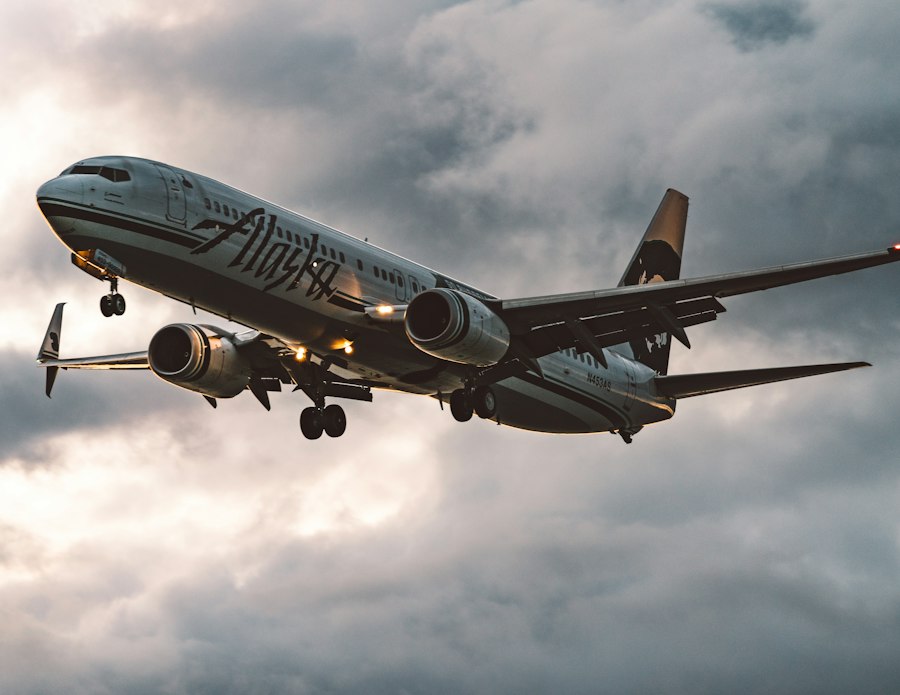
For many airlines, especially the larger ones, their network is their most valuable asset. The ability to connect passengers across multiple destinations, often with convenient layovers, is a key driver of revenue and customer loyalty.
Hub-and-Spoke Model: Maximizing Connectivity
The hub-and-spoke model is a cornerstone of airline network strategy. Passengers are flown from smaller airports (spokes) to a central hub, where they can then connect to flights going to a wide range of other destinations.
Increased Passenger Flow: Filling More Seats
This model allows airlines to consolidate passengers onto fewer, larger aircraft for longer segments, maximizing load factors. It’s more efficient to fill a wide-body jet flying between two major hubs than to operate many smaller flights between numerous city pairs.
Destination Reach: Offering More Options
A strong hub-and-spoke network allows an airline to offer its passengers a vast array of destinations, even if they don’t fly directly to all of them. This makes the airline a more attractive option for travelers who value convenience and choice.
Codeshare Agreements: Expanding the Network Virtually
Airlines often enter into codeshare agreements with other carriers. This allows them to sell tickets on flights operated by their partners, effectively extending their network without having to operate the flights themselves. It’s a way to capture revenue on routes they wouldn’t otherwise serve.
Loyalty Programs: Binding Customers to the Network
As mentioned earlier, loyalty programs are not just about rewards; they are about solidifying customer relationships and ensuring repeat business within the airline’s network.
Encouraging Network Use: The More You Fly, The More You Earn
These programs are designed to incentivize passengers to choose the airline for all their travel needs, not just on direct routes but also for connecting flights. The accumulation of miles encourages passengers to stay within the airline’s ecosystem.
Data Collection: Understanding Your Customers
Loyalty programs also provide airlines with a wealth of data about their customers’ travel habits, preferences, and demographics. This information is invaluable for targeted marketing, route planning, and developing new products and services.
Strategic Alliances and Mergers: The Consolidation Game

The airline industry is characterized by intense competition. To gain an advantage, airlines often engage in strategic alliances or mergers to consolidate market share, reduce costs, and expand their reach.
Global Alliances: The Big Three
The major global airline alliances – Star Alliance, Oneworld, and SkyTeam – represent a significant portion of global air traffic. These alliances allow member airlines to share resources, coordinate schedules, and offer seamless travel experiences to their passengers across different continents.
Expanding Reach Without Investment: A Cost-Effective Growth Strategy
Joining an alliance allows an airline to offer its passengers a much wider global network without the significant capital investment required to operate flights on all those routes. It’s a way to compete on a global scale with less risk.
Frequent Flyer Benefits: Rewarding Loyalty Across Networks
Alliance members typically extend frequent flyer benefits to each other’s elite members, further encouraging passengers to stick with their chosen alliance. This creates a sticky customer base.
Operational Synergies: Sharing Best Practices and Resources
Alliances can also lead to operational synergies, such as joint purchasing of fuel or maintenance services, and the sharing of best practices in areas like safety and customer service.
Mergers and Acquisitions: Consolidating Power
When alliances aren’t enough, outright mergers and acquisitions can dramatically reshape the industry landscape.
Reduced Competition: Fewer Players, More Market Power
By merging with competitors, airlines can reduce the number of players on key routes, leading to less price competition and the potential for higher fares. Regulators often scrutinize these deals to ensure they don’t harm consumers.
Economies of Scale: Spreading Fixed Costs
Mergers can lead to significant economies of scale. Fixed costs, such as aircraft maintenance facilities, IT systems, and administrative overhead, can be spread over a larger operation, leading to lower per-unit costs.
Network Integration: Creating a Dominant Force
The integration of two networks can create a dominant force on certain routes or in certain regions, giving the combined entity a significant competitive advantage.
Understanding the financial dynamics of the airline industry can be quite fascinating, especially when you consider the various revenue streams that contribute to their profitability. A related article explores how airlines really make their money, shedding light on aspects such as ancillary fees, ticket pricing strategies, and loyalty programs. For a deeper insight into this topic, you can read more about it in this informative piece here.
The Unseen Revenue Streams: Beyond the Obvious
| Revenue Source | Percentage of Total Revenue |
|---|---|
| Passenger Ticket Sales | 75% |
| Ancillary Fees (baggage, seat selection, etc.) | 15% |
| Cargo Services | 5% |
| Charter Services | 3% |
| Other (loyalty programs, partnerships, etc.) | 2% |
While ticket sales and ancillary fees are the most visible revenue generators, airlines have a host of other, less obvious, ways they bring in money.
Cargo Operations: The Silent Workhorse
Many passenger aircraft have dedicated cargo holds beneath the passenger cabin. Airlines utilize this space to transport freight, from time-sensitive documents to consumer goods. Cargo operations can be a significant and often overlooked source of revenue, especially for airlines with large wide-body fleets.
Utilizing Underutilized Space: Maximizing Every Cubic Foot
The cargo hold is often underutilized on passenger flights, so filling it with revenue-generating cargo is a smart way to maximize the aircraft’s capacity.
Dedicated Cargo Flights: A Separate Business Unit
Some airlines also operate dedicated cargo flights using freighter aircraft. This is a substantial business in itself, transporting goods across the globe.
Loyalty Program Partnerships: Monetizing Miles
As mentioned, loyalty programs are a goldmine. Airlines don’t just give away miles; they sell them.
Credit Card Partnerships: A Constant Revenue Stream
The partnerships with credit card companies are particularly lucrative. Airlines receive significant revenue from credit card issuers who buy miles to offer as rewards to their cardholders. This is a predictable and substantial income stream.
Co-Branded Promotions: Leveraging Brand Reach
Airlines also partner with various other businesses for co-branded promotions, where customers can earn or redeem miles. These partnerships often involve direct payment to the airline for the right to be featured.
Aircraft Leasing and Maintenance Services: Sharing Expertise
Larger airlines often have extensive expertise in aircraft maintenance and operations. Some leverage this by offering these services to other, smaller airlines. They might lease out spare aircraft, provide maintenance and repair services, or even offer pilot training. This turns an internal capability into an external revenue generator.
Advertising and Sponsorship: Selling Exposure
The sheer volume of passengers passing through airports and flying on aircraft presents a valuable advertising opportunity. Airlines sell advertising space in their magazines, on their in-flight entertainment systems, and even on the exterior of their aircraft. Sponsorship deals with brands looking for brand exposure are also common.
In conclusion, the profitable secrets of airlines are a testament to their ingenuity and adaptability in a challenging industry. They are masters of revenue management, relentlessly pursuing efficiency, and leveraging their networks and partnerships to their fullest potential. While the romance of flight may be the draw for passengers, for the airlines, it’s a finely tuned business equation where every seat, every service, and every mile is meticulously calculated for maximum profitability. You might be paying for a ticket, but you’re also contributing to a complex ecosystem of revenue streams that keep these metallic birds soaring.

How Airlines Make Billions Without Flying You
FAQs
1. How do airlines make money?
Airlines make money primarily through ticket sales, ancillary fees (such as baggage fees and seat selection fees), and partnerships with other companies (such as credit card companies and hotels).
2. What are the main sources of revenue for airlines?
The main sources of revenue for airlines are passenger ticket sales, cargo services, and ancillary fees. Additionally, airlines generate revenue through partnerships with other companies, such as selling frequent flyer miles to credit card companies.
3. How do airlines price their tickets?
Airlines use complex pricing strategies that take into account factors such as demand, competition, and the cost of operating the flight. Prices can vary based on the time of booking, the day of the week, and the time of year.
4. What are ancillary fees and how do they contribute to airline revenue?
Ancillary fees are additional charges for services such as checked baggage, seat selection, and in-flight amenities. These fees contribute significantly to airline revenue, as they allow airlines to offer lower base fares while still generating income from optional services.
5. How do airlines manage their costs to maximize profits?
Airlines manage their costs by optimizing fuel efficiency, negotiating favorable contracts with suppliers, and implementing cost-saving measures such as reducing aircraft turnaround times and maximizing passenger capacity. Additionally, airlines may adjust their route networks and flight schedules to minimize operating expenses.