You might be wondering about the allure of those shiny airline credit cards. Perhaps you’ve seen the ads, the promises of free flights, upgrades, and airport lounge access. You’re not alone. Millions of people have these cards, and many of them are likely benefiting from them. But have you ever stopped to consider why these cards exist? What’s in it for the airlines and the credit card companies? The truth is, airline credit cards are remarkably profitable, and you, as the cardholder, are a key part of that intricate financial ecosystem. The profitability stems from a powerful combination of factors: they’re designed to foster unwavering customer loyalty, they often come with attractive (for the issuer, at least) high interest rates, and they generate substantial revenue through a variety of fees, most notably annual fees and interchange fees.
At its core, an airline credit card is a loyalty program disguised as a financial tool. The airlines know that acquiring new customers is expensive. Convincing someone to switch from their preferred carrier can be a monumental task. This is where co-branded credit cards come in. They offer you a compelling reason to choose a particular airline, not just for this flight, but for every flight, every purchase, every time you reach for your wallet.
Earning Those Coveted Miles: The Engine of Engagement
The primary mechanism for fostering loyalty is the miles or points earning structure. You sign up, and immediately, every dollar you spend, especially on the co-branded airline, translates into a tangible reward. This isn’t just about getting a free flight down the line; it’s about creating a constant psychological incentive.
The “Spend More, Earn More” Loop
The more you use your card, the more miles you accumulate. This creates a virtuous cycle. You might find yourself making purchases you wouldn’t have otherwise, simply to reach a new reward threshold. Need a new appliance? Why not put it on your airline card? Planning a vacation? That airline card is your best friend. This increased spending directly benefits both the credit card issuer and the airline. For the issuer, it means more transactions and therefore more interchange fees. For the airline, it means you’re more likely to fly with them, as those miles are a powerful motivator to book your next trip with their brand.
Welcome Bonuses: The Initial Hook
The generous welcome bonuses are often the most attractive part of signing up. These bonuses, which can equate to several hundred or even thousands of dollars worth of free flights, are a calculated investment. The airline and credit card issuer anticipate that once you’ve experienced the benefits and the convenience of the card, you’ll become a regular user. They’re willing to give you a significant upfront reward because they project a much larger return over the lifetime of your relationship with the card. It’s a brilliant marketing strategy that guarantees immediate engagement and sets the stage for long-term profitability.
Beyond Miles: The Allure of Elite Status and Perks
While miles are the primary currency of loyalty, airline credit cards offer a spectrum of benefits designed to make you feel like a valued member of the airline’s elite club. These perks are not just about making your travel experience more comfortable; they are carefully designed to solidify your commitment to the airline.
Airport Lounge Access: The Comfort of Belonging
Gaining access to airport lounges, even for a modest annual fee, is a powerful draw. It’s not just about free snacks and Wi-Fi; it’s about escaping the chaos of the main terminal. For frequent travelers, this can be a significant quality-of-life improvement. This perk directly encourages you to fly more with the airline, as it makes the travel experience itself more desirable. You’re not just paying for the flight; you’re paying for the entire package, and the lounge access is a key component of that value proposition.
Free Checked Bags: A Practical Incentive
The benefit of free checked bags is particularly appealing to anyone who travels with more than just a carry-on. The cost of checked bags can add up quickly, and eliminating this expense through your credit card can feel like a substantial saving. This perk directly incentivizes you to book flights with the co-branded airline, as it removes a common pain point and a potential deterrent to booking with other carriers. It’s a practical benefit that translates into real savings and reinforces your decision to stick with the airline.
Priority Boarding: The Small Luxuries
Priority boarding, while seemingly a minor perk, contributes to the overall feeling of being valued. Being among the first to board can mean better overhead bin space and a more relaxed boarding process. This small luxury, when experienced repeatedly, contributes to a positive perception of the airline and makes you less likely to consider alternatives. It’s another subtle way the card encourages you to keep flying with the same carrier.
In-Flight Discounts and Credits: Small Gestures, Big Impact
Many cards offer discounts on in-flight purchases, such as food and beverages, or even statement credits for Wi-Fi. These small savings, when aggregated over multiple flights, can add up. More importantly, they create a consistent positive experience during your flight, reinforcing your connection to the airline and its associated credit card.
Airline credit cards have become increasingly profitable for both consumers and airlines, as they offer a range of benefits that encourage spending and loyalty. These cards often provide generous rewards programs, allowing users to accumulate miles or points that can be redeemed for flights, upgrades, and other travel-related perks. Additionally, airlines benefit from the interchange fees associated with card transactions, which contribute significantly to their revenue streams. For a deeper understanding of how these credit cards work and their financial implications, you can read more in this related article: How Wealth Grows.
The Profit Engine: High Interest Rates and Their Role
While loyalty is the bedrock, the financial engine of airline credit cards is significantly powered by interest. For credit card issuers, the ability to charge interest on balances is a primary revenue stream, and airline cards are no exception. The structure of these cards often makes them attractive for carrying a balance, leading to substantial interest income for the banks.
The Temptation to Carry a Balance
Airline credit cards often come with introductory 0% APR periods, designed to entice you to sign up and spend. However, once these periods expire, the standard APRs can be quite high, often exceeding those on more basic credit cards. This is where the profitability really kicks in. If you carry a balance, even a small one, month after month, the interest charges can accumulate rapidly.
The Illusion of Free Travel vs. The Reality of Debt
Many cardholders focus solely on the miles and perks, overlooking the potential cost of interest. The allure of free travel can sometimes overshadow the financial discipline required to pay off your balance in full each month. For those who don’t, the interest charges can easily outweigh the value of the rewards earned. This is a critical element of the profitability model. The issuers are banking on a certain percentage of cardholders carrying balances, generating significant interest revenue.
Tiered Interest Rates and Fees: A Complex System
Beyond the standard APR, many credit cards have variable interest rates that can fluctuate based on market conditions. This means your interest charges could increase over time, even if your spending habits remain the same. Furthermore, late fees, over-limit fees, and balance transfer fees can add further layers to the revenue generated, often penalizing those who struggle to manage their credit responsibly.
Maximizing Interest Revenue: Strategic Pricing by Issuers
Credit card issuers employ sophisticated data analysis to determine optimal interest rates. They understand the spending habits of their target demographic and price their cards accordingly. For airline cards, they recognize that many users are frequent travelers who may be more inclined to spend, and potentially carry a balance, to achieve their travel goals.
The Average Daily Balance and its Impact
The interest you pay is typically calculated based on your average daily balance. This means that even if you pay off a significant portion of your balance, if you consistently carry a large amount throughout the billing cycle, you will still incur substantial interest charges. This encourages a more consistent, higher spending pattern, which benefits the issuer.
Fee-Based Revenue: The Consistent Income Stream

Beyond interest, annual fees and interchange fees represent a consistent and significant source of revenue for airline credit card programs. These fees are structured in a way that benefits the issuer while providing perceived value to the cardholder.
The Power of Annual Fees: A Guaranteed Return
Many premium airline credit cards come with substantial annual fees, often ranging from $95 to $550 or even more. This is a direct revenue stream for the credit card issuer. While these fees can seem high, they are often justified by the array of benefits offered, such as airport lounge access, travel credits, and accelerated mileage earning. The issuer has calculated that the perceived value of these benefits will encourage enough people to pay the fee, making it a profitable endeavor.
The “Value Proposition” of Premium Cards
For cardholders, the decision to pay an annual fee hinges on whether they can extract more value from the card’s benefits than the fee itself. This often requires a certain level of spending and travel frequency. For the issuer, however, the fee is a guaranteed return on their investment in acquiring and servicing the cardholder. It’s a clear and predictable income stream that significantly contributes to the profitability of the program.
Tiered Annual Fees: Catering to Different Spending Levels
Some airlines offer multiple tiers of credit cards, each with a different annual fee and corresponding set of benefits. This allows them to cater to a broader range of consumers, from those who travel occasionally to the most dedicated flyers. Each tier is strategically priced to maximize revenue while still offering a compelling value proposition to its target audience.
Interchange Fees: The Unseen Cost and Revenue Generator
Perhaps the most significant, yet often overlooked, revenue source for credit card issuers is interchange fees. These are fees that merchants pay every time a customer uses a credit card for a purchase. While you, the cardholder, don’t directly pay this fee, it’s embedded in the price of goods and services.
The Merchant’s Burden, The Issuer’s Gain
When you swipe your airline credit card at a grocery store, a restaurant, or an online retailer, that merchant pays a percentage of the transaction amount, plus a small fixed fee, to the credit card network (Visa, Mastercard, American Express) and then to the issuing bank. This is the interchange fee. For the issuing bank, especially one partnered with a major airline, these fees can amount to billions of dollars annually.
The Role of Co-Branding in Interchange Fees
The co-branding aspect of airline credit cards often leads to higher interchange rates. Because the card is tied to a specific airline, the issuing bank has a vested interest in driving spending on that card. This allows them to negotiate higher interchange fees with merchants, as the volume of transactions is expected to be significant. The airline also benefits, as the increased spending on the card leads to more miles being redeemed, thus reinforcing customer loyalty and encouraging more flights.
Driving High Transaction Volume: The Key to Interchange Profitability
The entire loyalty and rewards structure of airline credit cards is designed to encourage you to use the card for as many transactions as possible, across a wide range of merchants. The more you spend, the more interchange fees the issuing bank collects. This is why the welcome bonuses are so attractive and why earning rates are often generous. It’s all about getting you to use the card, and thereby generating that crucial interchange revenue.
The Synergy of Airline and Issuer: A Mutually Beneficial Partnership
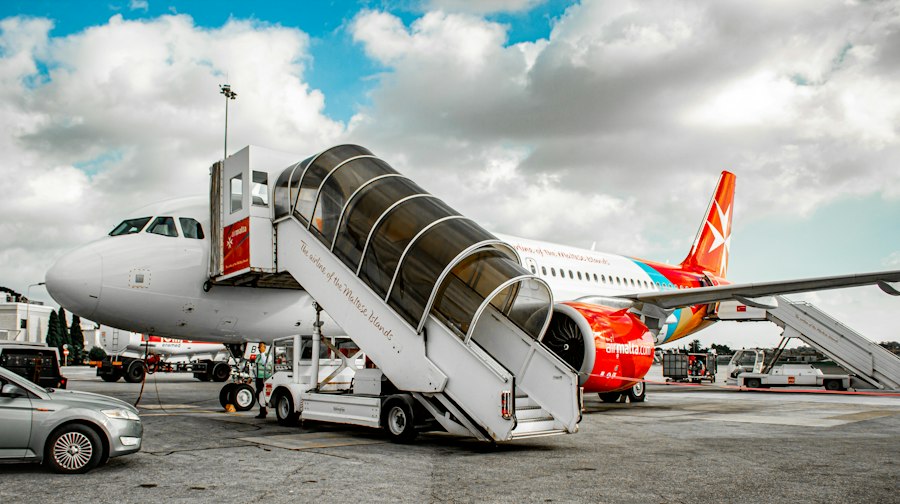
The profitability of airline credit cards isn’t solely the domain of the credit card issuer. The airlines themselves are significant beneficiaries of these co-branded partnerships. It’s a classic win-win scenario, where both parties leverage the other’s strengths to create a highly profitable venture.
Airlines: More Customers, More Revenue, More Data
For airlines, co-branded credit cards are a powerful customer acquisition and retention tool. They foster deep loyalty, encouraging passengers to choose their flights over competitors, even when prices might be slightly higher. This translates directly into increased ticket sales and ancillary revenue (like baggage fees and in-flight purchases).
Enhancing Brand Visibility and Loyalty
The constant presence of the airline’s brand on a credit card that many people use daily keeps the airline top-of-mind. This pervasive brand visibility reinforces customer loyalty and makes it harder for competitors to chip away at their market share. The rewards program, fueled by credit card spending, ensures that customers are actively engaged with the airline’s brand, not just when they’re booking a flight, but throughout their daily lives.
Access to Valuable Customer Data
Credit card issuers collect a wealth of data on cardholder spending habits. This data is invaluable to airlines. They can gain insights into purchasing patterns, travel preferences, and even demographic information. This data can be used to personalize marketing efforts, tailor offers, and improve the overall customer experience, further strengthening the airline’s relationship with its passengers.
Credit Card Issuers: A Loyal Customer Base and Diverse Revenue Streams
For credit card issuers, the partnership with an airline provides access to a dedicated and often high-spending customer base. The airline’s brand recognition and loyalty programs help attract and retain customers who are likely to use their cards frequently.
Diversifying Revenue Beyond Traditional Lending
Airline credit cards allow issuers to diversify their revenue streams beyond traditional lending. The combination of interest income, annual fees, and interchange fees creates a robust and resilient business model, less susceptible to fluctuations in interest rates or economic downturns.
Leveraging Airline Marketing and Reach
The airline’s extensive marketing channels and customer base provide a powerful platform for credit card issuers to reach potential customers. The co-branded marketing efforts, often integrated into airline booking platforms and loyalty program communications, are highly effective in driving card sign-ups.
Airline credit cards have become increasingly profitable for both banks and airlines, as they offer a range of benefits that attract consumers while generating substantial revenue through fees and interest. A related article discusses the various factors contributing to this profitability, highlighting how loyalty programs and partnerships enhance customer engagement and spending. For more insights on this topic, you can read the article here: why airline credit cards are profitable. This synergy between financial institutions and airlines creates a win-win situation, ensuring that both parties benefit from the growing trend of travel rewards.
The Long-Term Strategy: Lifetime Value and Customer Retention
| Reasons | Explanation |
|---|---|
| High Annual Fees | Airline credit cards often have high annual fees, generating significant revenue for the card issuer. |
| Interest Charges | Many cardholders carry a balance, resulting in interest charges that contribute to profitability. |
| Rewards Redemption | Cardholders may not fully utilize their rewards, allowing the issuer to benefit from unredeemed points. |
| Co-branded Partnerships | Airlines and card issuers form partnerships, sharing in the profits generated from card usage. |
| Additional Fees | Issuers may charge fees for services such as balance transfers, foreign transactions, and late payments. |
The profitability of airline credit cards is not just about individual transactions or immediate gains. It’s about cultivating a long-term relationship with the customer, maximizing their lifetime value, and ensuring their continued engagement with both the airline and the credit card.
Cultivating a High Lifetime Value Customer
The goal for both the airline and the credit card issuer is to turn a cardholder into a loyal, high-spending customer whose lifetime value far exceeds the initial acquisition cost. The rewards program, the perks, and the ongoing marketing efforts are all designed to achieve this. Once a customer is entrenched in the ecosystem, it becomes increasingly difficult and less appealing for them to switch to a competitor.
The “Lock-In” Effect of Accumulated Rewards
The accumulation of miles and points creates a powerful “lock-in” effect. The more rewards a customer earns, the more invested they become in the program. Redeeming those rewards for travel means they are more likely to continue using the card to earn more rewards for future trips. This makes switching to a different airline or credit card program a costly and less attractive proposition.
Continuous Engagement and Targeted Offers
Airline credit card programs are constantly seeking ways to keep cardholders engaged. This includes personalized offers, targeted promotions, and reminders about available rewards. The data gathered from card usage allows for highly tailored marketing, ensuring that cardholders receive offers that are most relevant to their interests and spending habits. This continuous engagement is crucial for maintaining loyalty and driving ongoing spending.
The Role of Credit Score and Spending Habits
The profitability is also influenced by the creditworthiness of cardholders. Those with good credit scores are more likely to be approved for premium cards, have higher credit limits, and therefore spend more. This makes them more valuable to issuers, as they contribute more significantly to interest income and interchange fees. The careful selection and management of cardholder portfolios are key to maximizing profitability.
In conclusion, the profitability of airline credit cards is a complex but highly effective model. By fostering unwavering customer loyalty through a compelling rewards program and exclusive perks, coupled with the revenue generated from high interest rates, annual fees, and interchange fees, these cards represent a lucrative partnership for both airlines and credit card issuers. You, as the cardholder, are an integral part of this ecosystem, and understanding these profit drivers can help you make more informed decisions about your own credit card usage and the true cost and benefit of those seemingly enticing airline rewards.

How Airlines Make Billions Without Flying You
FAQs
What are airline credit cards?
Airline credit cards are a type of credit card that is co-branded with a specific airline. They typically offer rewards and benefits such as airline miles, free checked bags, priority boarding, and airport lounge access.
How do airline credit cards make a profit?
Airline credit cards make a profit through a variety of means, including annual fees, interest charges on balances, interchange fees from merchants, and partnerships with airlines and other businesses.
What are the benefits of airline credit cards for consumers?
Consumers can benefit from airline credit cards by earning airline miles or points that can be redeemed for flights, upgrades, and other travel-related expenses. They may also receive perks such as free checked bags, priority boarding, and travel insurance.
What are the risks of using airline credit cards?
The risks of using airline credit cards include high annual fees, high interest rates, potential for overspending to earn rewards, and limited flexibility in redeeming rewards for travel.
How can consumers maximize the benefits of airline credit cards?
Consumers can maximize the benefits of airline credit cards by paying off their balances in full each month to avoid interest charges, taking advantage of sign-up bonuses and promotions, and using the card for everyday purchases to earn more rewards.