
You’ve probably seen them advertised: “Earn miles on every flight!” “Unlock exclusive perks!” “Travel the world for free!” Airline loyalty programs are ubiquitous, designed to hook you in and keep you flying with a particular carrier. But have you ever stopped to wonder how these programs actually make money? It’s not as simple as just giving away free flights. Behind the glossy brochures and endless email offers lies a complex financial ecosystem. You might think of them as a perk for you, the loyal customer, but for the airlines, they are a powerful profit engine. Understanding the secrets of airline loyalty program profitability is like peeking behind the curtain of a magician’s act – fascinating and illuminating.
Your journey into airline loyalty profitability begins with how airlines acquire you as a member. They don’t just hope you’ll sign up; they actively strategize to get you in the door. This isn’t about a single flight; it’s about building a relationship that spans years, even decades.
The “Freebie” Hook: Initial Incentives and Easy Entry
Think back to when you first joined. Was it a bonus mile offer for signing up? A free checked bag on your first flight? These seemingly small gestures are carefully calculated to overcome inertia. The initial cost of acquiring you is often offset by the long-term potential of your spending. Airlines understand that the barrier to entry for loyalty programs is low, but the barrier to switching once you’ve accumulated some status and miles can be quite high. They leverage this behavioral economics principle to their advantage.
- Low-Friction Onboarding: The signup process is designed to be quick and painless. Minimal personal information is required initially, and you can often join mid-booking. This reduces the cognitive load and makes it easy for you to commit.
- Welcome Bonuses as Investments: Those initial bonus miles aren’t just a gift; they’re an investment. They immediately give you something tangible to work towards, creating a sense of progress and encouraging your first few flights. The cost of these bonuses is amortized over your projected lifetime value as a customer.
- Co-Branded Credit Card Catalysts: Perhaps the most significant acquisition tool is the co-branded credit card. These cards offer substantial sign-up bonuses, often enough for a short-haul flight or significant tier status. This is a win-win: you get a fast track to rewards, and the airline gains a customer whose spending extends far beyond their flights.
The Ladder of Desirability: Tiered Status and Elite Perks
Once you’re in, the airlines want you to climb. Loyalty programs are meticulously structured with tiers – Silver, Gold, Platinum, Diamond, whatever they might be called. Each tier represents a higher level of engagement and, crucially, a higher perceived value to the customer. This tiered system is a masterclass in behavioral economics and psychological motivation.
- The Aspiration Effect: The higher tiers aren’t just about better perks; they’re about aspiration. You see what the top-tier members receive – lounge access, complimentary upgrades, priority boarding – and you want it. This desire fuels your future travel decisions, pushing you to choose the airline that will get you closer to your goal.
- Gamification of Travel: Each tier comes with specific earning thresholds – you need to fly a certain number of miles or segments, or spend a certain amount. This creates a game-like structure where you’re constantly working towards a quantifiable goal. This gamification is incredibly effective at driving repeat behavior.
- The “Lock-In” Effect of Elite Perks: Once you’ve experienced the benefits of elite status, it becomes incredibly difficult to go back to the baseline. Priority boarding, for instance, becomes a convenience you can’t live without. Lounge access transforms travel from a chore into a more pleasant experience. These tangible benefits create a powerful “lock-in” effect, making it much harder for you to consider flying with a competitor.
In exploring the intricacies of airline loyalty program profitability, it is essential to consider various factors that contribute to their success. A related article that delves deeper into this topic can be found at How Wealth Grows, where the dynamics of customer retention and revenue generation through loyalty initiatives are thoroughly examined. This resource provides valuable insights into how airlines leverage these programs to enhance their financial performance while fostering customer loyalty.
The Core Engine: Sophisticated Redemption Strategies and Liability Management
The true magic of loyalty program profitability lies not in earning miles, but in how those miles are redeemed, or, more importantly, how the liability of those unredeemed miles is managed. Airlines are not simply giving away free seats; they are strategically managing a complex financial obligation.
The Illusion of “Free” Travel: Cost Basis and Dynamic Award Pricing
You think you’re redeeming miles for a “free” flight, but from the airline’s perspective, there’s a calculated cost associated with that redemption. This is where the profitability really kicks in.
- Low Incremental Cost of Award Seats: The seats you redeem miles for are often those that might otherwise fly empty or at a very low fare. The marginal cost of filling that seat with a mile redemption is significantly lower than the revenue you would have generated if you’d paid cash. Airlines can therefore offer these seats at a perceived high value (in miles) while incurring a low actual cost.
- Dynamic Award Pricing: Gone are the days of fixed award charts. Modern loyalty programs use dynamic award pricing, meaning the number of miles required for a flight fluctuates based on demand, availability, and even the day of the week. This allows airlines to optimize award seat availability, ensuring they don’t give away too many seats during peak times and can still offer them at a seemingly good value during off-peak periods. This directly controls their liability.
- Revenue Management Integration: Award inventory is tightly integrated with the airline’s revenue management systems. This means that the number of seats available for award redemption is strategically limited and adjusted in real-time, ensuring that cash-paying passengers always take priority. The airline will only release award seats when it’s deemed unlikely they will be sold for cash at a higher price.
Deferring Liability: The Power of Unredeemed Miles
The biggest asset for an airline’s loyalty program isn’t cash in hand; it’s the unredeemed miles sitting in your account. This is a deferred liability, and its management is a key profit driver.
- The Float: Unredeemed miles represent a form of “float” for the airline. You’ve earned them, but you haven’t “cashed them in” yet. This means the airline has received value for services (through your spending on flights or partner products) but hasn’t yet fully incurred the cost of delivering those services. This float can be significant, providing a substantial source of capital.
- Breakage and Expiration: While less common now due to customer outcry, miles used to expire much more frequently. Even with less aggressive expiration policies, a certain percentage of miles will always be “broken” – meaning they expire unused due to customer inaction, forgotten accounts, or death. This breakage is a direct profit for the airline.
- Forced Obsolescence of Value: Even if miles don’t technically expire, their value can be implicitly devalued through strategies like dynamic pricing. What once might have required 25,000 miles for a redemption might now require 40,000. This makes your accumulated miles less potent over time, encouraging you to earn more or accept less desirable redemptions.
The Power of Partnerships: Expanding Reach and Monetizing Third-Party Relationships

Airline loyalty programs are not islands. They are interconnected ecosystems that leverage partnerships to expand their reach, offer more value to you, and, most importantly, generate revenue from third parties.
Beyond the Cabin: Co-Branded Credit Cards and Financial Institutions
As mentioned earlier, co-branded credit cards are a cornerstone of loyalty program profitability. The relationship with financial institutions is a lucrative one for airlines.
- Licensing Fees and Revenue Share: When you sign up for and use a co-branded credit card, the airline receives significant revenue from the issuing bank. This can include upfront licensing fees, ongoing revenue-sharing agreements based on transaction volume, and even bonuses for achieving certain spending or acquisition targets.
- Data Monetization: The data generated from your credit card spending is incredibly valuable. Airlines can leverage this data to understand your spending habits, identify potential new customers, and even sell anonymized or aggregated data to other businesses.
- Increased Customer Lifetime Value: Credit card spending significantly increases your overall engagement with the airline’s brand. You’re constantly thinking about earning miles, even when you’re not flying. This keeps the airline top-of-mind and encourages you to choose them for your travel needs.
Everyday Spending, Elevated Rewards: Retail, Hotel, and Car Rental Partnerships
Your loyalty doesn’t have to end when you step off the plane. Airlines have strategically partnered with a vast array of businesses to allow you to earn miles on everyday purchases. This is a symbiotic relationship.
- Mileage Earn-Outs and Bonuses: Airlines negotiate with partners to offer you miles for purchases like hotel stays, car rentals, and even shopping through specific portals. The airline typically pays the partner a fee for each mile earned by their members, but the partner benefits from increased customer acquisition and loyalty.
- Data Insights from Partner Spending: Similar to credit cards, partner spending provides valuable data about your lifestyle and preferences. This information can be used for targeted marketing and to identify further partnership opportunities.
- Creating a Sticky Ecosystem: By integrating mileage earning into so many aspects of your life, airlines create a “sticky” ecosystem. The more ways you can earn miles, the more invested you become in the program, and the harder it is to leave.
Optimizing the Balance Sheet: Ancillary Revenue and Strategic Surcharges
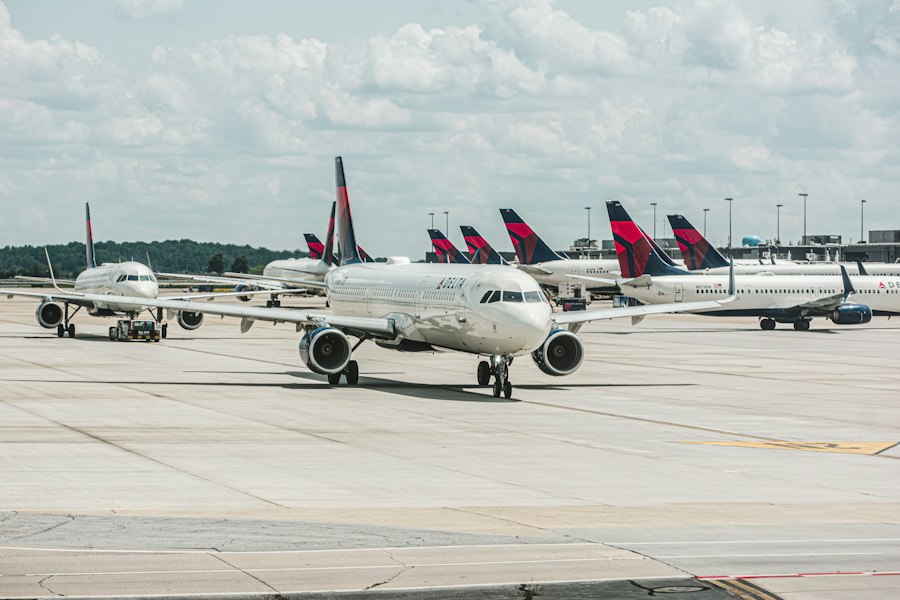
Loyalty programs aren’t just about flights and credit cards. Airlines are increasingly adept at finding other ways to monetize your engagement and generate revenue through their loyalty platforms.
Beyond the Ticket Price: Ancillary Revenue Streams Through Loyalty
You might think of ancillary revenue as baggage fees and seat upgrades. However, loyalty programs have become a powerful channel for driving these revenue streams.
- Priority Services as Loyalty Perks (and Paid Add-ons): While top-tier members get priority boarding and check-in for free, these services are often available for purchase by lower-tier members or the general public. The loyalty program acts as a marketing vehicle for these lucrative ancillary services.
- Upgrade Offers and Bid-Up Programs: Airlines frequently use their loyalty databases to send targeted upgrade offers or run “bid-up” programs where you can bid on a premium cabin seat. This is a way to sell unsold premium inventory at a potentially higher price than they might have otherwise.
- Ancillary Product Bundles: Loyalty programs often offer bundles of ancillary services – like extra legroom seats, lounge access, and priority boarding – at a discounted rate. This encourages you to spend more on these add-ons, increasing the overall revenue per passenger.
The “Convenience” Fee: Strategic Surcharges and Program Adjustments
Airlines are constantly looking for ways to optimize their profitability, and loyalty programs are not exempt from these adjustments.
- Fuel Surcharges on Award Tickets: While the base fare might be covered by miles, airlines can still levy fuel surcharges on award tickets. These are essentially fees that contribute directly to the airline’s operational costs.
- Dynamic Redemption Adjustments: As mentioned, dynamic award pricing is a powerful tool. Airlines can subtly increase the number of miles required for certain routes or during peak seasons, effectively devaluing your miles without an explicit devaluation announcement.
- Fees for Program Services: Some programs may introduce fees for certain services, such as transferring miles between accounts, booking award flights over the phone, or even for certain types of elite status benefits if not used within a specified timeframe. These small fees, when applied across millions of members, can add up significantly.
Understanding the profitability of airline loyalty programs can be quite complex, but it is essential for both airlines and frequent flyers. A related article that delves deeper into this topic can be found at How Wealth Grows, where various factors influencing the success of these programs are analyzed. By exploring the strategies that airlines employ to enhance customer retention and maximize revenue, readers can gain valuable insights into how loyalty programs function and their impact on the overall profitability of the airline industry.
The Long Game: Customer Retention, Data Analytics, and Future Innovation
| Metrics | Explanation |
|---|---|
| Customer Lifetime Value (CLV) | The predicted net profit attributed to the entire future relationship with a customer. |
| Customer Acquisition Cost (CAC) | The cost associated with convincing a customer to buy a product or service. |
| Churn Rate | The percentage of customers who stop using a product or service within a given time period. |
| Net Promoter Score (NPS) | A measure of customer loyalty and satisfaction that ranges from -100 to 100. |
The profitability of airline loyalty programs is not a short-term game. It’s about building lasting relationships, leveraging vast amounts of data, and continuously innovating to stay ahead of the curve.
The Ultimate Goal: Unwavering Customer Loyalty and Repeat Business
At its core, the success of a loyalty program is measured by its ability to keep you flying with that airline.
- Reduced Price Sensitivity: Loyalty program members, especially those with elite status, tend to be less sensitive to price fluctuations. The perceived value of the perks and accumulated miles outweighs minor price differences, ensuring consistent bookings.
- Word-of-Mouth Marketing: Happy and engaged loyalty members are more likely to recommend the airline to friends and family. This organic marketing is incredibly valuable and cost-effective.
- Predictable Revenue Streams: Loyal customers provide a more predictable revenue stream, allowing airlines to better forecast demand and optimize their operations.
Leveraging Big Data for Personalization and Optimization
The sheer volume of data generated by loyalty program members is a goldmine for airlines. This data is meticulously analyzed to drive profitability.
- Predictive Analytics for Travel Behavior: Airlines can use your past booking history, redemption patterns, and partner spending to predict your future travel needs and preferences. This allows for highly targeted marketing campaigns.
- Personalized Offers and Promotions: Based on your data, airlines can tailor offers that are most likely to resonate with you, increasing the conversion rate of promotions. This might include special mileage offers for routes you frequently fly or discounts on ancillary services you’re likely to purchase.
- Program Evolution Based on Member Insights: Airlines use data to understand which program features are most valued by their members and which are underutilized. This insight informs program evolution and ensures that the program remains relevant and appealing.
The Future of Loyalty: Blockchain, NFTs, and Evolving Member Expectations
The world of loyalty is constantly evolving, and airlines are at the forefront of exploring new technologies and strategies to maintain their competitive edge.
- Exploring Blockchain for Transparency and Transferability: Blockchain technology offers the potential for greater transparency in mileage accrual and redemption, as well as the ability to transfer or trade miles more freely, though this is still largely experimental.
- NFTs and Unique Digital Collectibles: Some programs are experimenting with Non-Fungible Tokens (NFTs) to offer unique digital collectibles or exclusive experiences to their most loyal members.
- Increased Demand for Experiential Rewards: Beyond free flights, members are increasingly seeking experiential rewards – unique travel experiences, access to exclusive events, or even opportunities to meet pilots or crew. Airlines are adapting their offerings to meet these evolving demands.
In conclusion, airline loyalty programs are far more than just a way to earn free flights. You are a crucial component in a sophisticated profit-generating machine. From the initial hook that brings you in, to the strategic management of your unredeemed miles, and the vast network of partnerships that extend your earning potential, every aspect of these programs is meticulously designed for maximum profitability. By understanding these secrets, you can become a more informed traveler, better able to navigate the world of airline loyalty and perhaps even maximize your own rewards.

How Airlines Make Billions Without Flying You
FAQs
What is an airline loyalty program?
An airline loyalty program is a marketing strategy designed to encourage customers to continue using the services of a specific airline. Customers earn points or miles for their loyalty, which can be redeemed for free flights, upgrades, or other rewards.
How do airline loyalty programs make a profit?
Airline loyalty programs make a profit through a variety of means, including selling miles to partner companies, charging fees for miles redemption, and leveraging customer data for targeted marketing and partnerships.
What are the benefits of airline loyalty programs for customers?
Customers benefit from airline loyalty programs by earning rewards such as free flights, upgrades, priority boarding, and access to airport lounges. These programs also offer perks like waived baggage fees and expedited security screening.
What are the challenges of running an airline loyalty program?
Challenges of running an airline loyalty program include managing liability from outstanding miles, maintaining customer engagement, and navigating complex partnerships with other businesses.
How do airline loyalty programs impact customer loyalty and airline profitability?
Airline loyalty programs can increase customer loyalty by incentivizing repeat business and providing a competitive advantage. They also contribute to airline profitability through increased customer retention, ancillary revenue, and partnerships with other companies.