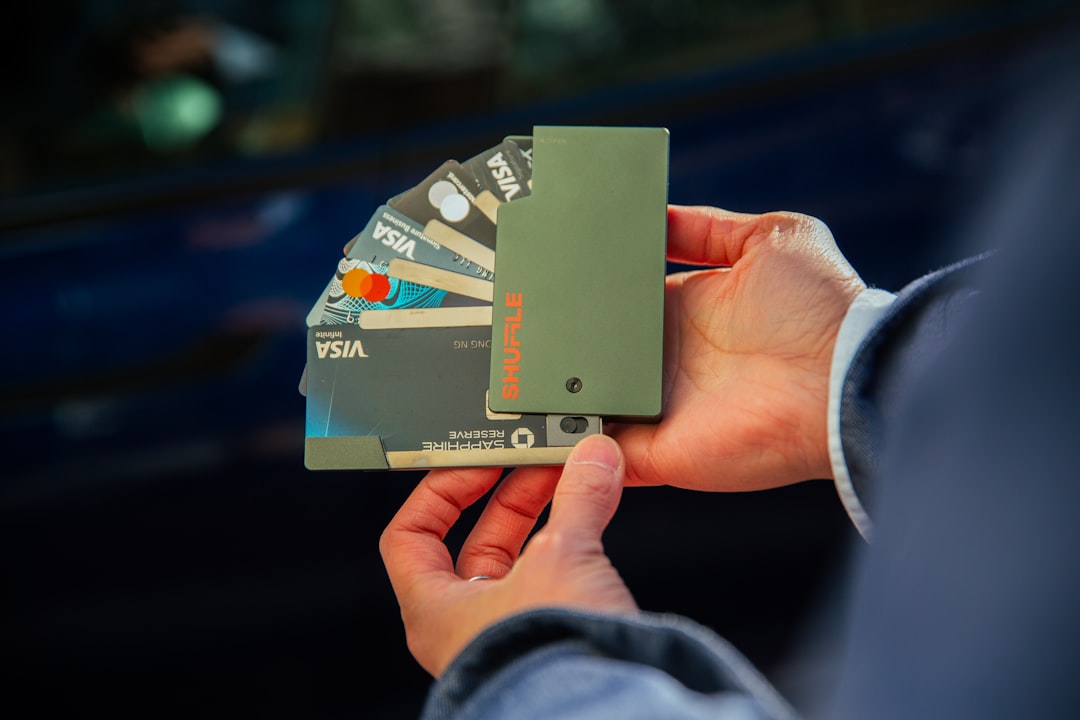
You’re probably holding one right now, or at least have one tucked away in your wallet. That sleek plastic rectangle, emblazoned with the familiar logo of your favorite airline, isn’t just a way to pay for your coffee. It’s a powerful financial tool, and for airlines, it’s a golden goose. You might think of it as a ticket to travel perks, a way to earn points for that dream vacation. But beyond the miles and the lounge access, you’re participating in a deeply profitable partnership that fuels a significant portion of the airline industry’s revenue. You are the key ingredient in a complex recipe for airline profitability.
This isn’t just about brand loyalty. It’s a strategic alliance, a symbiotic relationship where you, the cardholder, provide a steady stream of income, and the airline, in turn, offers you perceived value that keeps you flying with them and spending with their partners. The sheer scale of this operation is astounding. Billions of dollars change hands annually, and you, with every swipe of your co-branded credit card, are contributing to that flow. So, let’s delve into the mechanics of this lucrative partnership and understand exactly how airlines cash in on your credit card.
The bedrock of this profitable relationship is the co-branded credit card. These aren’t just any credit cards; they are meticulously designed instruments that blur the lines between a financial product and a loyalty program. You see the airline’s logo alongside the credit card network’s logo (Visa, Mastercard, American Express), but the airline’s influence runs deep, shaping everything from the rewards structure to the marketing campaigns. This is where the journey of your money, and the airline’s profit, truly begins.
Understanding the Co-Branding Model
At its core, co-branding involves a partnership between an airline and a financial institution, typically a bank. The bank issues the credit card, handles the underwriting, and manages the day-to-day operations of the account – processing transactions, managing credit lines, and dealing with customer service. The airline, on the other hand, lends its brand name, its customer base, and its unique loyalty program to the card. This creates a powerful dual identity that appeals to consumers and, more importantly, to the airline’s bottom line.
The Mutual Benefits: Why Airlines and Banks Team Up
It’s not just airlines benefiting. Banks see co-branded cards as a way to acquire new customers, increase transaction volume, and generate significant revenue through interchange fees. However, the airline’s role is crucial in driving card acquisition and usage. They have a captive audience of frequent flyers who are already predisposed to their brand. This allows them to offer targeted marketing and exclusive incentives that would be far more expensive for a bank to acquire through traditional channels. For the airline, it’s about transforming your loyalty into a tangible revenue stream that extends far beyond ticket sales.
Beyond Just Miles: The Value Proposition for You
You’re likely drawn to these cards for the miles, the points, the free flights, and the premium experiences. And that’s exactly what the airlines want you to think. They curate an attractive package of benefits designed to appeal to your aspirational travel desires. From airport lounge access and priority boarding to free checked bags and exclusive discounts on in-flight purchases, these perks make flying with your chosen airline feel more rewarding and less of a chore. This perceived value is what drives your engagement with the card, and by extension, with the airline.
Airlines have developed various revenue streams to enhance their profitability, and one significant avenue is through partnerships with credit card companies. By offering co-branded credit cards, airlines not only provide customers with rewards and incentives for using their cards but also earn substantial fees from the credit card issuers. This symbiotic relationship allows airlines to boost customer loyalty while generating additional income. For a deeper understanding of how airlines leverage credit cards to increase their revenue, you can read more in this related article: How Airlines Make Money from Credit Cards.
The Multi-Faceted Revenue Streams for Airlines
The revenue generated from co-branded credit cards isn’t a single, simple transaction. It’s a sophisticated ecosystem of income streams, each contributing to the airline’s financial health. You might be surprised at the various ways your spending indirectly benefits your preferred carrier.
1. Licensing Fees and Royalties: A Direct Payout
Perhaps the most straightforward revenue stream for airlines is the licensing fee they receive from the issuing bank. When a bank wants to put an airline’s brand on their credit card, they pay a significant fee for that privilege. Think of it as renting out their brand equity. This upfront payment is a substantial injection of cash. Furthermore, airlines also receive a royalty for every transaction made on the co-branded card. This royalty is a percentage of the transaction value, and as you can imagine, with millions of cardholders spending billions of dollars, this adds up incredibly quickly.
The “Brand Tax” on Your Purchases
While you’re enjoying your rewards, a small portion of every purchase you make on your co-branded card is effectively a “brand tax” paid by the merchant to the bank, a portion of which then flows back to the airline. This is a subtle but constant revenue generator. The more you spend, the more the airline earns, even if you’re buying groceries or filling up your car.
2. Interest Income and Fees: The Power of Debt
While airlines don’t directly earn interest from your credit card balance, the issuing bank does. And a portion of that interest income, through complex agreements, can be shared with the airline. More significantly, the bank earns substantial revenue from late fees, annual fees, and other charges. While these fees are typically charged by the bank, the allure of earning airline miles often incentivizes customers to maintain their accounts, even if they occasionally incur such charges. The airline benefits from the continued engagement of these customers.
The Annual Fee Advantage
Many premium co-branded cards come with a hefty annual fee. While you might justify it with the travel perks, this fee is a direct revenue stream for the issuing bank, and a portion of this revenue is often factored into the revenue-sharing agreements with the airline. For the airline, even if you don’t fully utilize every perk, the presence of these high-fee cards in their portfolio contributes to their overall financial standing and the perceived value of their loyalty program.
3. Enhanced Customer Data and Insights: The Priceless Information
In today’s data-driven world, information is currency. Co-branded credit cards provide airlines with an incredibly rich dataset about your spending habits, your travel preferences, and your lifestyle. This data is invaluable for targeted marketing, personalized offers, and product development. By understanding what you buy, where you buy it, and when you travel, airlines can tailor their promotions to maximize your engagement and spending, further fueling their revenue.
Personalization for Profit: Targeting Your Next Purchase
Imagine the airline knowing that you frequently purchase specific types of merchandise or patronize certain types of businesses. They can then use this information to offer you bonus miles on those specific categories or partner with those businesses for exclusive promotions. This hyper-personalization not only increases your engagement but also drives revenue for the airline through partnerships and increased card usage.
4. Driving Ticket Sales and Ancillary Revenue: The Primary Goal
While the direct financial benefits from the credit card itself are substantial, the ultimate goal for airlines is to leverage these cards to drive more business their way. Co-branded cards are powerful tools for customer acquisition and retention, encouraging you to fly with them and spend money on their services.
The “Sign-Up Bonus” Incentive
The lucrative sign-up bonuses offered on these cards are designed to entice new customers. These bonuses, while appearing as a cost to the airline, are a strategic investment. They attract a large pool of new customers who are likely to remain loyal and spend significantly on flights and other services, far outweighing the initial cost of the bonus. You’re essentially getting paid to become a more engaged customer.
Ancillary Revenue Amplification
Beyond ticket sales, airlines generate significant revenue from ancillary services like checked bags, seat selection, Wi-Fi, and in-flight purchases. Co-branded cards often offer discounts or bonus miles on these services, making them more appealing. This encourages you to spend more on these add-ons, directly boosting the airline’s ancillary revenue.
The Psychology of Rewards: Why You Keep Swiping
You might be a savvy traveler, or you might be someone who just enjoys the occasional vacation. Regardless of your travel habits, there’s a powerful psychological element at play that keeps you using your co-branded credit card. The allure of rewards is a carefully crafted strategy, designed to tap into your desires and motivations.
The Sunk Cost Fallacy and Loyalty Program Entrapment
Once you’ve accumulated a significant number of miles, you become hesitant to switch to another airline or card, even if a better deal arises. You’ve invested time and money into earning those miles, and the thought of losing them can be a powerful deterrent. This “sunk cost fallacy” keeps you locked into the airline’s ecosystem.
The “What If I Need Them Later?” Mindset
You might not be planning an immediate big trip, but you hold onto those miles because you know they’re there, a potential resource for a future need. This latent value encourages continued engagement with the card, ensuring that the airline retains your business.
The Gamification of Spending: Earning Towards a Goal
The entire rewards system is a form of gamification. You’re constantly working towards a tangible goal – that free flight, that hotel stay, that upgrade. This makes spending feel more purposeful and less like a mere transaction. It transforms everyday purchases into steps on a journey.
The Thrill of the Chase: Accumulating Points
There’s an inherent satisfaction in seeing your points balance grow. It’s a sense of accomplishment, a digital treasure hunt. This constant progress keeps you engaged and motivated to continue earning, even for small purchases.
Perceived Value vs. Actual Cost: The Art of Deception
Airlines are masters at presenting the value of their rewards in a way that maximizes your perception of benefit. A free flight that might cost $300 in cash could be framed as a reward for spending tens of thousands of dollars on your card. The perceived value is often much higher than the actual cost to the airline.
The Illusion of “Free” Travel
The concept of “free” travel is a powerful marketing tool. While you’re not paying cash for the flight, you are indirectly paying for it through your spending and the potential for interest and fees. The airline benefits from this illusion, as it encourages greater spending and loyalty.
The Future of the Partnership: Evolving Strategies
The world of co-branded credit cards is not static. Airlines and financial institutions are constantly innovating, seeking new ways to enhance the partnership and maximize its profitability. As consumer behavior and technology evolve, so too will these lucrative alliances.
Expanding Beyond Travel: Diversification of Rewards
We’re seeing a trend towards co-branded cards offering rewards that extend beyond just flights. This includes partnerships with hotels, car rental companies, ride-sharing services, and even online retailers. This diversification broadens the appeal of the card and creates more opportunities for spending and earning.
Lifestyle Integration: Making the Card Indispensable
The goal is to make the co-branded card an integral part of your daily life, not just for travel. By integrating rewards into various lifestyle categories, airlines are ensuring that you reach your reward thresholds faster, thus encouraging more spending across a wider range of purchases.
The Rise of Digital Wallets and Contactless Payments
The shift towards digital wallets and contactless payments presents new opportunities for airlines and banks. These technologies can streamline the payment process and offer new avenues for data collection and targeted promotions. You might see more personalized offers appearing directly in your digital wallet.
Seamless Integration and Enhanced Data Capture
As you tap your phone or smartwatch to pay, the transaction data becomes even more immediate and detailed. This allows for real-time offers and loyalty program updates, further enhancing the seamless experience and the airline’s ability to track and influence your spending.
The Impact of Economic Conditions: Resilience and Adaptation
The profitability of these partnerships can be influenced by economic conditions. During economic downturns, consumer spending may decrease, impacting interchange fees and rewards redemptions. However, the diversified revenue streams and the loyalty programs often provide a degree of resilience.
The Loyalty Factor in Tough Times
Even when times are tough, the accumulated miles and the promise of future travel can keep customers engaged. Airlines understand that their most loyal customers, often those with co-branded cards, are less likely to abandon them, providing a stable base of revenue.
Airlines have developed various strategies to enhance their revenue streams, and one significant avenue is through partnerships with credit card companies. These collaborations allow airlines to offer co-branded credit cards that provide customers with rewards such as frequent flyer miles and other travel benefits. This not only encourages customer loyalty but also generates substantial income from transaction fees and annual cardholder fees. For a deeper understanding of how these financial arrangements work and their impact on airline profitability, you can read more in this insightful article on how wealth grows.
Your Role in the Profitable Equation: Being a Savvy Consumer
| Revenue Source | Explanation |
|---|---|
| Co-branded credit cards | Airlines partner with banks to offer co-branded credit cards that earn miles for every dollar spent, generating revenue from annual fees and interchange fees. |
| Rewards programs | Airlines earn money by selling miles to credit card companies, which are then awarded to cardholders as rewards for spending. |
| Loyalty partnerships | Airlines generate revenue by partnering with other businesses to offer co-branded credit cards that earn miles for purchases at those businesses. |
While airlines and banks are undoubtedly cashing in, you’re not a passive participant. You have the power to leverage these partnerships to your advantage. Understanding the mechanics of these programs allows you to make informed decisions and maximize the value you receive.
Understanding the True Cost of Rewards: Beyond the “Free”
It’s crucial to recognize that rewards aren’t truly free. They come with a cost, whether it’s through annual fees, interest charges, or simply by committing to spending more than you otherwise would. Always assess whether the value of the rewards outweighs these costs for your individual financial situation.
Calculating the Opportunity Cost
Before signing up for a new card or maximizing your spending on an existing one, consider the opportunity cost. Could that money be better used elsewhere? Are you sacrificing better returns from other investments or savings accounts for the sake of accumulating miles?
Strategic Card Usage: Maximizing Your Returns
Don’t just swipe your card indiscriminately. Understand the bonus categories, the spending thresholds, and the redemption values. Strategically use your card for purchases that offer the highest return on your investment.
Beyond the Obvious: Finding Hidden Value
Look for opportunities to earn bonus miles on everyday expenses or through targeted promotions. Sometimes, the best way to maximize your rewards is to get creative and explore all the avenues available to you.
Knowing When to Walk Away: The Freedom of Choice
Despite the allure of loyalty programs, remember that you always have the freedom to choose. If another card or airline offers a better deal that truly aligns with your needs, don’t be afraid to explore those options. The power ultimately lies with you.
The Power of Comparison Shopping
Just as you would compare prices for flights or hotels, take the time to compare credit card offers. Understand the terms and conditions, the reward structures, and the associated fees. Making an informed choice will ensure you’re getting the best value for your money and your loyalty.
In conclusion, the partnership between airlines and credit card companies is a masterclass in mutual benefit, with airlines strategically leveraging your spending power to generate significant revenue. While you enjoy the perks of travel rewards, you are an integral part of a sophisticated financial ecosystem. By understanding how this profitable partnership works, you can become a more informed and empowered consumer, ensuring that you’re not just a participant, but a beneficiary of this lucrative alliance. So, the next time you swipe your co-branded card, remember the intricate web of financial relationships you’re a part of, and how your everyday spending helps keep the skies full of opportunity – for both you and the airlines.

How Airlines Make Billions Without Flying You
FAQs
1. How do airlines make money from credit cards?
Airlines make money from credit cards through partnerships with banks and credit card companies. They earn revenue from the sale of miles or points to these partners, as well as from interchange fees when customers use co-branded credit cards to make purchases.
2. What are co-branded credit cards and how do they benefit airlines?
Co-branded credit cards are credit cards that are issued in partnership between an airline and a bank or credit card company. These cards typically offer rewards in the form of airline miles or points for purchases made with the card. Airlines benefit from co-branded credit cards by earning revenue from the sale of miles to the card issuer, as well as from increased customer loyalty and engagement.
3. How do airlines use credit card rewards to incentivize customer spending?
Airlines use credit card rewards to incentivize customer spending by offering miles or points for every dollar spent on the co-branded credit card. Customers can then redeem these rewards for flights, upgrades, or other travel-related perks, which encourages them to use the credit card for their everyday purchases.
4. What are some examples of successful airline credit card partnerships?
Examples of successful airline credit card partnerships include the Delta SkyMiles American Express Card, the United MileagePlus Explorer Card, and the Southwest Rapid Rewards Premier Credit Card. These partnerships have proven to be lucrative for both the airlines and the card issuers, as they offer attractive rewards and benefits to cardholders.
5. How do airlines benefit from customer loyalty programs tied to credit cards?
Airlines benefit from customer loyalty programs tied to credit cards by increasing customer retention and engagement. By offering rewards and perks through their co-branded credit cards, airlines can incentivize customers to remain loyal and continue using their services, ultimately leading to increased revenue and profitability.