You’ve probably seen them, haven’t you? Those little cards, the digital apps on your phone, the emails pinging your inbox with offers. They’re the silent promises of rewards, the sweeteners to your everyday purchases. We’re talking about loyalty programs, and you, as a consumer, are at the heart of their intricate dance with your spending habits. You might be a savvy shopper, meticulously tracking your points, or perhaps you just collect them passively, a forgotten swipe here and there. Regardless of your approach, loyalty programs are undeniably shaping your purchasing decisions, influencing not just what you buy, but how much you’re willing to spend.
The impact of these programs on your consumer spending is a multifaceted phenomenon, a complex interplay of psychology, economics, and marketing strategy. They’re designed to foster a connection, to build a sense of belonging, and ultimately, to keep you coming back for more. But are they truly benefiting you, or are they simply a clever tool to extract more from your wallet? Let’s delve into the world of loyalty programs and explore their profound impact on your spending.
Loyalty programs aren’t just about discounts; they tap into deeper psychological drivers that influence your behavior. Understanding these underlying principles is crucial to grasping why you might feel compelled to choose one brand over another, even when alternatives might be cheaper or more convenient.
The Power of Reciprocity: The Gift That Keeps on Giving (Sort Of)
You’ve likely experienced this: a brand gives you something – a small discount on your first purchase, a freebie after a certain number of visits, or even just a birthday coupon. This act of perceived generosity triggers a psychological principle known as reciprocity. You feel a subconscious urge to return the favor, to demonstrate your appreciation by making another purchase. It’s a subtle, almost imperceptible push to remain engaged with the brand. Think about that coffee shop where you get a free drink after purchasing nine. That tenth cup feels earned, a reward for your consistent patronage. This creates a positive feedback loop, reinforcing your habit of choosing that particular establishment. You’re not just buying coffee; you’re investing in a future reward, a small step towards that free beverage that makes your next purchase feel even more satisfying.
Scarcity and Urgency: The Fear of Missing Out
Loyalty programs often leverage the principles of scarcity and urgency to motivate immediate action. Limited-time bonus points, tiered reward levels that expire if not reached within a certain timeframe, or special member-only sales can create a sense of urgency. You might find yourself purchasing something you didn’t necessarily need immediately, simply because there’s a limited-time offer attached to it. This fear of missing out (FOMO) can override your rational decision-making process, leading to impulse purchases that might not have been on your original shopping list. Consider a scenario where a clothing retailer offers double points on all purchases for a single weekend. If you were considering buying a new jacket, this promotion might encourage you to make the purchase that weekend, even if you could have waited for a sale later or found a similar item elsewhere without the added incentive. The perceived value of the bonus points can make the purchase seem more attractive, driving you to act quickly.
The Endowment Effect: Owning a Piece of the Brand
Once you start accumulating points, engaging with a loyalty program, or even just having a branded card in your wallet, you begin to develop a sense of ownership. This is the endowment effect in action. You feel like you have a stake in the brand, a vested interest in its success. This makes you less likely to switch to a competitor. You’ve invested time and effort into building your status within the program, and relinquishing that would feel like losing something valuable. Think about the airline you fly most often, or the hotel chain you frequent. You’ve accumulated miles or status, and the thought of starting over with another company can be a significant deterrent, even if their prices are slightly lower. This sense of personal investment transforms a simple transactional relationship into something more akin to a partnership, albeit an unequal one.
Loyalty programs have become a significant factor in influencing consumer spending habits, as they encourage repeat purchases and foster brand loyalty. A related article that delves deeper into this topic can be found at How Loyalty Programs Influence Spending. This article explores various strategies employed by businesses to enhance customer engagement through rewards, ultimately leading to increased sales and customer retention.
The Tangible Rewards: Driving Purchase Volume and Frequency
Beyond the psychological nudges, loyalty programs offer concrete benefits that directly influence your spending. These rewards are the most visible aspect of the program and play a significant role in your decision-making process.
Discounts and Coupons: The Immediate Gratification
The most straightforward benefit of loyalty programs is often direct discounts or coupons. These can be offered upon reaching a certain spending threshold, as a special reward for loyal customers, or as part of a promotional campaign. The immediate gratification of saving money is a powerful motivator. You’re more likely to choose a store where you know you can get a discount, even if the initial price might be slightly higher than a competitor. This can lead to increased purchase volume, as you might buy more than you intended to take advantage of the savings. Imagine a grocery store offering 5% off your entire bill if you spend over $100. You might find yourself adding a few extra items to your cart to reach that threshold, turning a planned purchase into a slightly larger one.
Free Products and Services: The Taste of Generosity
Another common reward is free products or services. This could be anything from a free coffee after a certain number of purchases to a complimentary upgrade on a hotel stay. These rewards offer a tangible sense of value and can be a strong incentive to choose a particular brand. The anticipation of earning a free item can encourage repeat purchases and increase the frequency of your visits. Consider a restaurant where you get a free appetizer after your fifth visit. This can influence your decision on where to dine out, especially if you’re craving that particular appetizer. It transforms a simple meal into an investment in a future treat, making the experience feel more rewarding.
Exclusive Access and Perks: The VIP Treatment
Many loyalty programs offer exclusive access to special sales, early product launches, or even dedicated customer service lines. This “VIP treatment” can make you feel valued and special, fostering a deeper connection with the brand. The allure of being part of an inner circle, of having access to things others don’t, can be a powerful motivator for continued engagement and spending. You might be more inclined to purchase a new product from a brand that offers you early access, even if you’re not entirely sure if you need it yet, simply because you’re among the first to have it. This sense of exclusivity can elevate your perception of the brand and solidify your loyalty.
The Ripple Effect: How Loyalty Programs Influence Broader Spending Habits
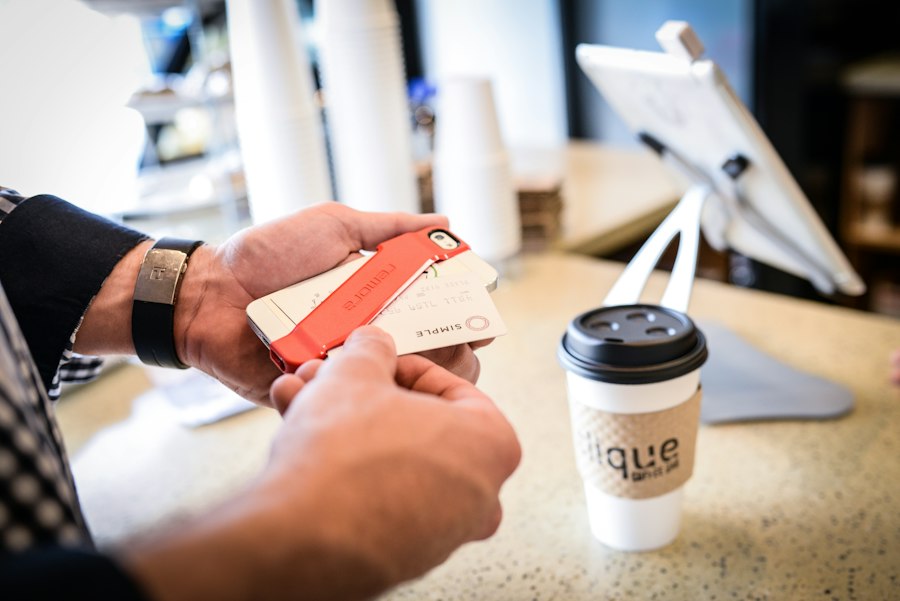
The impact of loyalty programs extends beyond individual transactions. They can subtly reshape your overall shopping behavior and even influence your perception of value.
Increased Purchase Frequency: The Habit Loop
Loyalty programs are designed to create habits. By rewarding repeat purchases, they encourage you to visit the same store or use the same service more often. The accumulation of points or stars becomes a positive reinforcement, a tangible indicator of your loyalty, which in turn encourages you to continue the cycle. This can lead to a significant increase in your overall spending with that particular brand over time. Think about your morning commute. If you frequent a coffee shop with a loyalty program, you’re likely to go there every day to earn those points, rather than switching to a different cafe each day. This establishes a consistent purchasing habit that benefits the coffee shop.
Higher Average Transaction Value: The Upsell Incentive
Loyalty programs can also encourage you to spend more on each transaction. By offering tiered rewards or bonus points for reaching certain spending thresholds, they incentivize you to add more items to your cart. You might find yourself purchasing a larger size, adding an accessory, or opting for a premium version of a product to maximize your rewards. This can lead to a higher average transaction value, benefiting the brand while giving you the feeling of getting more for your money through accumulated points. Imagine a store where you get 10% off if you spend $50 or more. If you were planning to spend $40, this incentive might push you to add an extra item to reach the $50 mark and receive the discount, effectively increasing your purchase.
Brand Preference and Reduced Price Sensitivity: The Unwavering Choice
As you accumulate rewards and enjoy the benefits of a loyalty program, your preference for that brand strengthens. This can lead to reduced price sensitivity. You may be less likely to shop around for the best price, knowing that you’ll be rewarded for your loyalty. The perceived value of the loyalty program can outweigh small price differences with competitors. You might consistently purchase your groceries from a particular supermarket, even if a competitor occasionally has slightly lower prices on certain items, because you trust the rewards you receive from your preferred store. This unwavering choice demonstrates the long-term impact of loyalty programs on shaping your brand perception and reducing your reliance on price as the primary purchasing factor.
The Darker Side: Potential Pitfalls for the Unwary Consumer
While loyalty programs can offer genuine benefits, it’s crucial to be aware of their potential downsides and how they can sometimes work against your best interests.
Impulse Purchases: The Trap of Unnecessary Spending
As mentioned earlier, the allure of earning points or unlocking rewards can lead to impulse purchases. You might buy items you don’t truly need simply because they contribute to a loyalty program goal. This can result in overspending and accumulating items that gather dust. The excitement of earning a reward can overshadow the rational assessment of whether you actually require the purchased item. Think about buying a trinket you don’t need because it’s on sale and contributes to your loyalty points. While the sale price might seem appealing, the unnecessary purchase can ultimately lead to wasted money.
Chasing Points, Not Value: The Diluted Benefit
Sometimes, consumers become so focused on accumulating points that they prioritize spending with a particular brand, even if it means sacrificing value or convenience elsewhere. You might find yourself going out of your way to a specific store or buying a product you prefer less, simply to earn loyalty points. This can lead to a dilution of the program’s actual benefit, as you might be spending more for less value or convenience overall. Imagine driving across town to a specific store to earn a few extra loyalty points, when a closer store offers a similar product at a better price or with better quality. The effort and cost of the extra travel might negate the value of the points earned.
Expiration and Devaluation: The Fading Promise
Loyalty programs are not static. Points can expire, reward tiers can be adjusted, and the value of rewards can be devalued over time. This can leave you feeling disappointed and even cheated, especially if you’ve been diligently accumulating points. The promised rewards might not be as attainable or as valuable as they once were, leading to a sense of disillusionment. You might have been saving up for a particular reward, only to find out that the rules have changed or the reward is no longer available. This can undermine your trust in the program and the brand.
Loyalty programs have become a significant factor in influencing consumer spending habits, as they encourage repeat purchases and foster brand loyalty. A recent article discusses how these programs not only enhance customer retention but also drive higher average transaction values. For more insights on this topic, you can read the article on how wealth grows by following this link. Understanding the psychology behind loyalty programs can help businesses tailor their strategies to maximize customer engagement and ultimately boost their bottom line.
Navigating the Landscape: Becoming a Savvy Loyalty Program Participant
| Metrics | Data |
|---|---|
| Increased Spending | Customers enrolled in loyalty programs spend 12-18% more than non-members |
| Repeat Purchases | Members of loyalty programs are 70% more likely to make repeat purchases |
| Customer Retention | Loyalty programs can increase customer retention by 5% |
| Higher Average Transaction Value | Members tend to have a 5-10% higher average transaction value |
The key to benefiting from loyalty programs lies in approaching them with a strategic and informed mindset. You have the power to control your spending and ensure these programs work for you, not against you.
Know Your Goals: Aligning Rewards with Your Needs
Before you dive headfirst into accumulating points, take a moment to understand your own spending habits and needs. What do you regularly purchase? What brands do you already favor? By aligning loyalty programs with your existing consumption patterns, you can ensure that the rewards you earn are genuinely valuable to you. Don’t be swayed by a tempting offer for a product you’ll never use. Focus on programs that offer rewards that directly contribute to your lifestyle or save you money on things you already buy. For instance, if you’re a frequent traveler, focusing on airline or hotel loyalty programs makes more sense than a program for a niche hobby you rarely engage in.
Compare and Contrast: Not All Programs Are Created Equal
It’s essential to compare different loyalty programs before committing your spending. Look at the earning rates, the redemption options, the expiration policies, and any associated fees. Some programs offer better value than others. Don’t assume that just because a brand has a loyalty program, it’s automatically the best option. Research and choose programs that offer the most beneficial rewards for your specific spending habits. Consider the ease of redemption as well. A program that requires a complex process to redeem your points might be less appealing than one with a straightforward and accessible redemption system.
Be Mindful of Your Spending: Don’t Overspend to Earn
The most important piece of advice is to remain mindful of your spending. Loyalty programs are designed to encourage you to spend more, but this doesn’t mean you should. Resist the urge to make impulse purchases or buy unnecessary items just to earn points. True loyalty is about making smart purchasing decisions that benefit both you and the brand in the long run. If a program is encouraging you to spend beyond your budget, it’s time to re-evaluate your participation. Focus on the value of the products and services themselves, and let the loyalty rewards be a bonus, not the primary driver of your purchases.
In conclusion, loyalty programs are a powerful force in shaping your consumer spending. They leverage psychological triggers and offer tangible benefits to encourage your continued patronage. By understanding their mechanisms, recognizing potential pitfalls, and approaching them with a strategic mindset, you can navigate this landscape effectively, ensuring that these programs enhance your shopping experience rather than lead you into overspending. You hold the reins of your wallet, and with awareness, you can make loyalty programs work in your favor, turning those points into genuine value and satisfying rewards.

How Airlines Make Billions Without Flying You
FAQs
What are loyalty programs?
Loyalty programs are marketing strategies designed to encourage customers to continue shopping at or using the services of a business by offering them incentives or rewards for their repeat business.
How do loyalty programs influence spending?
Loyalty programs influence spending by offering rewards, discounts, or exclusive offers to customers who make repeat purchases. This encourages customers to spend more in order to earn these rewards or benefits.
What are the benefits of loyalty programs for businesses?
Loyalty programs can help businesses increase customer retention, build brand loyalty, and gather valuable customer data. They can also help businesses differentiate themselves from competitors and increase overall sales.
What are the benefits of loyalty programs for customers?
Customers can benefit from loyalty programs by receiving rewards, discounts, or exclusive offers for their repeat business. They can also enjoy a more personalized shopping experience and feel valued by the business.
What are some examples of successful loyalty programs?
Examples of successful loyalty programs include Starbucks Rewards, Amazon Prime, and Sephora’s Beauty Insider program. These programs offer a range of benefits and rewards that have proven to influence customer spending.