You stand at a crossroads, a familiar one for many. The allure of a bigger house is strong, a tangible symbol of success and comfort. But then there’s the whisper of investment, the promise of future wealth and financial freedom. Which path leads to a more secure and prosperous future for you? It’s a question that gnaws at you, especially when you’re considering significant financial decisions. Let’s break down this complex choice, exploring the nuances of both a bigger house and investing, and helping you determine which aligns best with your personal financial goals.
The desire for a bigger house is deeply ingrained in many cultures, often associated with growing families, increased status, and a more comfortable lifestyle. You envision sprawling rooms, a dedicated home office, a larger backyard for entertaining, or simply more space to breathe. This dream is potent, and it’s important to acknowledge its emotional draw before diving into the financial realities.
The tangible benefits of increased square footage
You can almost feel it, can’t you? The extra room for your growing children to play, the luxury of a guest room that doesn’t require wrestling with a sofa bed, or the sheer joy of having a dedicated space for your hobbies. A bigger house offers tangible improvements to your daily life, enhancing your comfort and potentially your quality of life. You might finally have that walk-in closet you’ve always dreamed of, or the open-plan kitchen that makes entertaining a breeze. This isn’t just about bragging rights; it’s about creating an environment that supports your current and future needs.
The emotional and psychological impact of a larger home
Beyond the physical space, a bigger house can evoke a sense of accomplishment and security. It can feel like a reward for your hard work, a stable foundation for your family’s future. You might feel more settled, more in control, and less constrained by your current living situation. For some, it’s about creating a legacy, a home that your children will cherish and perhaps even inherit. The psychological benefits of feeling “established” and having ample space can be significant, contributing to your overall well-being.
Potential drawbacks: More than just a larger mortgage
While the dream is compelling, you must be realistic about the costs associated with a bigger house. It’s not just the upfront purchase price and the larger mortgage payment. You’re looking at increased property taxes, higher homeowners insurance premiums, and significantly higher utility bills. Maintenance and repairs will also scale up; a larger roof to fix, more windows to clean, and a bigger garden to tend. These ongoing expenses can easily erode the perceived financial advantage of extra space if not carefully considered.
When considering whether to buy a bigger house or invest in other opportunities, it’s essential to weigh the long-term benefits and drawbacks of each option. A related article that delves deeper into this topic is available at How Wealth Grows, where you can explore various financial strategies and insights that can help you make an informed decision.
The Power of Compounding: The Case for Investing
On the other side of the spectrum lies investing. This isn’t about immediate gratification; it’s about planting seeds for future growth. Investing, when done wisely, harnesses the power of compounding, allowing your money to generate more money over time. This can lead to significant wealth accumulation, providing financial freedom and security for your future.
Understanding different investment vehicles
You’ve heard the buzzwords: stocks, bonds, mutual funds, ETFs, real estate investment trusts (REITs). Each offers a different approach to growing your money. Stocks represent ownership in companies, offering potential for high returns but also higher risk. Bonds are loans to governments or corporations, generally considered less risky than stocks. Mutual funds and ETFs pool money from many investors to buy a diversified portfolio of assets, offering a way to spread your risk. REITs allow you to invest in income-producing real estate without directly owning physical property. Understanding these options is the first step in building a diversified investment portfolio tailored to your risk tolerance and financial goals.
The magic of compounding: Time as your greatest ally
This is where the real power of investing shines. Compounding is essentially earning returns on your initial investment and on the accumulated returns from previous periods. Imagine a snowball rolling down a hill, gathering more snow as it goes. The longer you let your investments grow, the more dramatic the effect of compounding becomes. Even modest annual returns can snowball into substantial wealth over decades. This is why starting to invest early, even with small amounts, can make a profound difference in your long-term financial outcome.
Diversification: Spreading your risk for a more stable return
You wouldn’t put all your eggs in one basket, and the same applies to investing. Diversification is the strategy of spreading your investments across different asset classes, industries, and geographies. This helps to mitigate risk. If one investment performs poorly, others may perform well, cushioning the impact on your overall portfolio. A well-diversified portfolio is more resilient to market fluctuations and offers a smoother, more predictable path to wealth accumulation.
Weighing Your Options: A Financial Reality Check
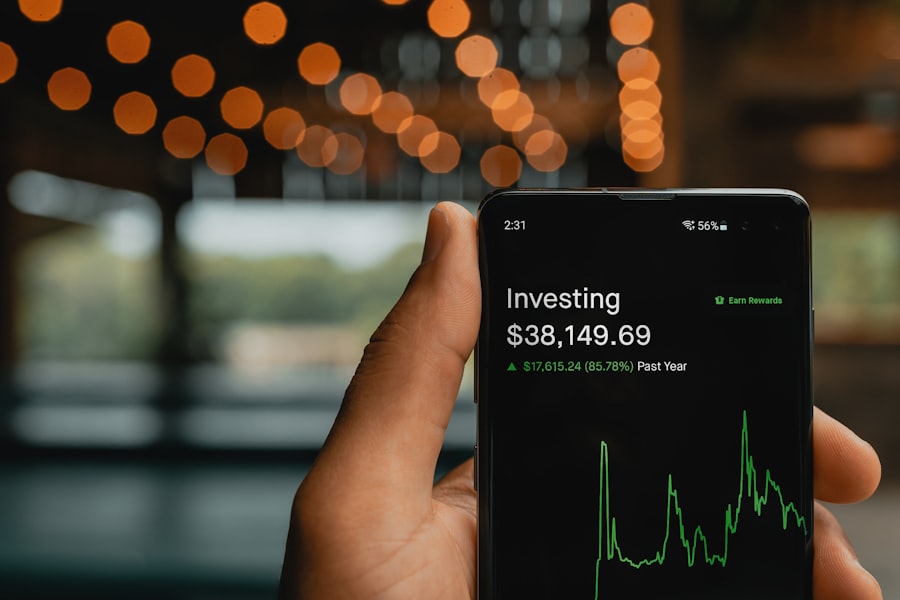
Now that you understand the core appeal of both a bigger house and investing, it’s time for a candid financial reality check. This is where you get down to the numbers and assess what truly makes sense for your personal circumstances.
Assessing your current financial health and goals
Before you can make a sound decision, you need a clear picture of your current financial standing. What are your income and expenses? What are your savings? What debts do you have? Crucially, what are your financial goals? Are you aiming for early retirement, funding your children’s education, or simply building a comfortable nest egg? Your goals will heavily influence whether a larger home or a robust investment portfolio will better serve you. For example, if early retirement is your primary goal, a significant investment in income-generating assets might be more beneficial than the ongoing costs of a larger house.
The opportunity cost: What are you giving up?
Every financial decision involves an opportunity cost – what you sacrifice by choosing one option over another. If you sink a large down payment into a bigger house, that money isn’t available to invest and grow. Conversely, if you dedicate all your discretionary income to investments, you might be delaying your dream of a more spacious home. You need to quantify this opportunity cost. Calculate the potential returns you might be missing out on by buying a house versus the potential appreciation and lifestyle benefits of a larger home.
The impact on your cash flow and long-term financial freedom
A bigger house often means a significantly larger monthly outflow of cash. This can strain your budget, reduce your ability to save, and limit your financial flexibility. Investing, on the other hand, can generate passive income and build wealth over time, potentially leading to greater financial freedom in the long run. You need to consider how each choice will impact your monthly cash flow and your ultimate ability to achieve financial independence. Are you willing to trade some immediate comfort for long-term financial security, or is immediate comfort the priority?
When is a Bigger House the Smarter Financial Choice?
While investing often takes precedence for long-term wealth, there are scenarios where a bigger house can indeed be a sound financial decision. It’s about understanding when the benefits outweigh the costs.
Accommodating a growing family and essential needs
If your current home is genuinely too small to comfortably accommodate your growing family, or if it lacks essential space for your work-from-home needs, the practicalities might outweigh the pure investment argument. This isn’t just about wanting more space; it’s about creating a functional and healthy living environment. Think about the impact on your children’s well-being, your ability to work productively, and your overall quality of life. In such cases, upgrading to a appropriately sized home can be a necessary and financially sensible step.
Strategic location and potential for appreciation
If you’re looking at a bigger house in a highly desirable area with strong potential for property value appreciation, it can act as both a home and a significant investment. Research the local real estate market thoroughly. Are property values consistently rising? Is there a strong demand for housing in that area? If you plan to stay in the home for a significant period, the appreciation could offset some of the ongoing costs. This is a calculated risk, but one that can pay off if the market performs as expected.
Creating equity and leveraging your assets
For some, a larger home represents an opportunity to build equity more rapidly, especially if you can make larger down payments or extra mortgage payments. This equity can then be leveraged for future investments or to achieve other financial goals. It’s about using your home as a financial tool, not just a place to live. However, this requires careful financial planning and a clear strategy for how you intend to utilize that equity.
When considering whether to buy a bigger house or invest your money elsewhere, it’s important to weigh the long-term benefits and drawbacks of each option. Many homeowners find themselves torn between the comfort of a larger living space and the potential for financial growth through investments. For those interested in exploring the financial implications of these choices further, a related article can provide valuable insights. You can read more about this topic in detail by visiting this informative article that discusses the advantages of investing compared to purchasing a larger home.
When is Investing the Clear Financial Winner?
| Factors | Buying a Bigger House | Investing |
|---|---|---|
| Initial Cost | Higher upfront cost for down payment and mortgage | Lower initial cost to start investing |
| Long-term Value | Potential for property appreciation | Potential for investment growth |
| Flexibility | Less flexibility to move or change living situation | More flexibility to access funds or change investment strategy |
| Financial Risk | Risk of housing market fluctuations | Risk of market volatility |
| Return on Investment | Potential for home equity and rental income | Potential for portfolio growth and dividends |
In most cases, for long-term financial security and wealth creation, investing usually presents a more compelling financial argument. The power of compounding and the potential for passive income are hard to ignore.
Prioritizing long-term wealth accumulation and financial independence
If your primary goal is to build significant wealth, achieve financial independence, and secure your future, then prioritizing investments is likely the most effective strategy. The returns from a well-managed investment portfolio, amplified by compounding, can far exceed the appreciation of a single property, especially when considering the ongoing costs of homeownership. This approach allows for greater flexibility and control over your financial destiny.
Maximizing your financial resources and minimizing ongoing expenses
When you consider the substantial ongoing expenses associated with a bigger house – property taxes, insurance, utilities, maintenance – investing becomes a more attractive option for maximizing your available financial resources. The money you save on these expenses can be channeled directly into investments, accelerating your wealth-building journey. This is about making your money work harder for you, generating returns rather than draining your income.
Achieving financial flexibility and future opportunities
A robust investment portfolio provides a level of financial flexibility that a larger, more expensive home often doesn’t. It can provide a cushion for unexpected expenses, allow you to pursue new opportunities without financial strain, and offer a pathway to early retirement or other life goals. You retain the freedom to make choices based on your aspirations, not just your financial obligations.
Making Your Decision: A Personalized Approach
Ultimately, the “right” financial choice is not a universal one. It’s deeply personal, influenced by your unique circumstances, your risk tolerance, your life stage, and your individual aspirations.
Define your “why”: What truly matters to you?
Take a moment to reflect on your deepest desires and motivations. Is it the comfort and space of a bigger home that truly ignites your passion, or is it the freedom and security that financial independence offers? Understanding your “why” will be your compass in navigating this decision. Don’t be swayed by societal pressures or what others are doing; focus on what will genuinely bring you fulfillment and long-term well-being.
Create a detailed financial plan
This isn’t a decision to be made on a whim. Sit down and create a comprehensive financial plan. This should include your current income and expenses, your debt obligations, your savings goals, and your long-term financial objectives. Model out the financial implications of both scenarios: buying a bigger house versus investing a similar amount of money. Consider different investment scenarios and potential market fluctuations. The more detailed your plan, the clearer your path will be.
Seek professional advice
You don’t have to navigate this complex decision alone. Consult with a qualified financial advisor. They can help you analyze your financial situation, understand the intricacies of various investment vehicles, and provide objective guidance tailored to your specific needs and goals. A good advisor can offer insights you might have overlooked and help you create a robust strategy that aligns with your aspirations. They can also help you understand the tax implications of both buying property and investing.
By carefully considering the appeal of a bigger house, understanding the power of investing, and undertaking a thorough financial assessment, you can make an informed decision that sets you on the path to a secure and prosperous future. Remember, the goal is not just to acquire assets, but to build a life that is both comfortable and financially sound. Your choice today will shape your tomorrow.

They Earned the Same $150K. One Became a Millionaire.
FAQs
1. What are the benefits of buying a bigger house?
– Buying a bigger house can provide more space for a growing family or for entertaining guests.
– It can also offer potential for increased property value over time.
– A larger home may provide more room for storage and organization.
2. What are the advantages of investing instead of buying a bigger house?
– Investing can potentially provide higher returns compared to the appreciation of a larger home.
– It offers diversification and the opportunity to grow wealth through various investment vehicles such as stocks, bonds, and real estate.
– Investing can provide more flexibility and liquidity compared to tying up funds in a larger home.
3. What are the financial considerations when buying a bigger house?
– Buying a bigger house typically involves a larger mortgage, increased property taxes, and higher maintenance and utility costs.
– It’s important to consider the impact of a larger home on overall financial stability and long-term financial goals.
– Upfront costs such as down payment, closing costs, and moving expenses should also be factored in.
4. What are the potential risks of investing instead of buying a bigger house?
– Investing involves market risk and the potential for loss of principal, especially in more volatile investment options.
– There is no guarantee of returns when investing, and market fluctuations can impact investment performance.
– It’s important to carefully assess risk tolerance and investment goals before choosing to invest instead of buying a bigger house.
5. How can I make an informed decision between buying a bigger house and investing?
– Consider your long-term financial goals, lifestyle preferences, and current financial situation.
– Evaluate the potential costs and benefits of buying a bigger house versus investing, and seek professional financial advice if needed.
– Take into account factors such as market conditions, interest rates, and personal priorities when making a decision.