
You’ve probably caught yourself scrolling through those opulent real estate listings, marveling at the sprawling mansions, the infinity pools, the panoramic ocean views. You might even have a mental picture of yourself sipping champagne on a custom-built terrace, the envy of your friends. But then, a small voice in the back of your mind whispers, “Is this really the smartest financial move?”
The allure of a breathtakingly expensive house is potent. It’s a tangible symbol of success, a place to create memories, and a sanctuary you can call your own. However, when you stack it up against the world of investing, the question of which truly holds more worth becomes a complex and often deeply personal one. This isn’t just about aesthetics; it’s about the long-term financial trajectory you’re setting for yourself. So, let’s dive deep into this crucial dilemma and explore whether that dream home is a sound investment or a beautiful, but potentially costly, indulgence.
There’s no denying the immediate gratification that comes with owning an expensive house. It’s an experience, a lifestyle, a statement. You’re not just buying bricks and mortar; you’re investing in comfort, security, and a certain social cachet.
The Status Symbol Factor
Let’s be honest, a magnificent home carries weight. It speaks volumes about your achievements and can elevate your social standing. You’ve worked hard, and you deserve to enjoy the fruits of your labor.
The “Keeping Up With the Joneses” Syndrome
It’s human nature to compare. When your neighbors are upgrading to larger properties with more amenities, the desire to do the same can be overwhelming. The perceived pressure to match or exceed your peers’ material possessions can be a powerful motivator.
The Personal Sanctuary Dream
Beyond the external perception, there’s the deeply personal aspect of a dream home. You envision hosting unforgettable parties, raising a family in a spacious and well-appointed environment, or simply having a tranquil retreat to unwind in after a long week. These emotional drivers are incredibly strong and shouldn’t be dismissed lightly.
Tangible Assets and Perceived Security
Unlike stocks or bonds, a house is something you can see, touch, and live in. This tangibility often translates to a feeling of greater security and control over your assets.
The “Hard Asset” Mentality
For many, real estate is the quintessential “hard asset” – something that has intrinsic value and is less susceptible to the volatility of financial markets. This belief can be reassuring, especially in uncertain economic times.
The Immediate Lifestyle Upgrade
The moment you step into your new, luxurious abode, your lifestyle changes. You have more space, better amenities, and a more aesthetically pleasing environment. This immediate upgrade in quality of life is a significant, albeit often subjective, form of “worth.”
When considering the financial implications of purchasing an expensive house versus investing that money elsewhere, it’s essential to weigh the potential returns and risks associated with each option. An insightful article that delves into this topic is available at How Wealth Grows, which discusses the long-term benefits of investing compared to the immediate gratification of home ownership. This resource can provide valuable perspectives for anyone navigating the complexities of real estate and investment decisions.
The Calculated Risk: The Power of Investing
In stark contrast to the immediate gratification of a lavish home, investing offers a different kind of reward: the potential for significant long-term wealth accumulation. It’s a game of patience, strategy, and understanding risk.
The Magic of Compounding
The true superpower of investing lies in compounding. It’s the process where your earnings generate their own earnings, creating a snowball effect that can dramatically increase your wealth over time.
Simple Interest vs. Compound Interest
Understanding the difference is crucial. Simple interest pays you only on your initial principal. Compound interest, however, pays you on your principal and on the accumulated interest from previous periods. The longer your money is invested, the more pronounced the compounding effect becomes.
The Time Horizon Advantage
The longer you give your investments to grow, the more powerful compounding becomes. This is why starting early is so often emphasized. Even small, consistent investments can grow into substantial sums over decades.
Diversification and Risk Management
Investing isn’t about putting all your eggs in one basket. A well-diversified portfolio can help mitigate risk.
Spreading Your Bets
By investing in a variety of asset classes – stocks, bonds, real estate investment trusts (REITs), etc. – you reduce the impact of any single investment performing poorly. If one sector experiences a downturn, others may remain stable or even grow.
Professional Management and Expertise
For many, navigating the complexities of the investment world can be daunting. Investing through mutual funds or exchange-traded funds (ETFs) allows you to tap into the expertise of professional fund managers who research and select investments on your behalf.
Potential for Higher Returns
While real estate can appreciate, historically, the stock market has offered higher average annual returns over long periods.
Historical Market Performance
Looking at historical data, major stock market indices have consistently outperformed real estate appreciation over the long haul. This doesn’t guarantee future performance, but it’s a significant factor to consider.
Growth Potential in Various Sectors
Investing allows you to participate in the growth of innovative companies and emerging industries. This potential for exponential growth is often not matched by traditional real estate markets.
The Cost Breakdown: Beyond the Sticker Price

When you’re comparing an expensive house to investing, it’s essential to look beyond the initial purchase price. Both have ongoing costs that can significantly impact your overall financial health.
The True Cost of Homeownership
An expensive house isn’t just about the mortgage. There are a multitude of other expenses that eat into your disposable income.
Mortgage Payments: Principal and Interest
This is the most obvious cost, but understanding the amortization schedule is vital. In the early years, a significant portion of your payment goes towards interest, not equity.
Property Taxes: A Recurring Burden
These taxes are levied by local governments and can be substantial, especially in affluent areas. They are an ongoing expense that increases with property value.
Homeowners Insurance: Essential Protection
Protecting your substantial investment is non-negotiable. Premiums can be high for expensive properties.
Maintenance and Repairs: The Unforeseen Expenses
Even the most well-maintained home will require repairs. For a luxury property, these costs can be astronomical – think custom HVAC systems, elaborate landscaping, or specialized roofing. This is where the “dream” can quickly become a financial nightmare.
Utilities: The Ever-Present Drain
Larger homes with more amenities naturally consume more energy. Heating, cooling, and powering a mansion can be significantly more expensive than a modest dwelling.
Potential for Depreciation and Obsolescence
While real estate generally appreciates, certain features or architectural styles can become outdated, leading to depreciation. You might find yourself needing to spend more on renovations to keep up with market trends.
The Costs of Investing
While often perceived as “cheaper” than buying a house, investing also has its associated costs.
Transaction Fees and Commissions
When buying or selling investments, you may encounter brokerage fees or commissions. While many platforms now offer commission-free trading, there can still be other associated charges.
Management Fees
If you invest in mutual funds or ETFs, you’ll typically pay a management fee (also known as an expense ratio). These fees are deducted annually and can impact your overall returns.
Taxes on Investment Gains
When you sell an investment for a profit, you’ll likely owe capital gains tax. The rate depends on how long you’ve held the asset.
Opportunity Cost of Capital
Every dollar you spend on a house is a dollar that cannot be invested. This is a crucial concept to grasp: the return you could have earned by investing that money elsewhere.
The Return on Investment (ROI): A Comparative Analysis
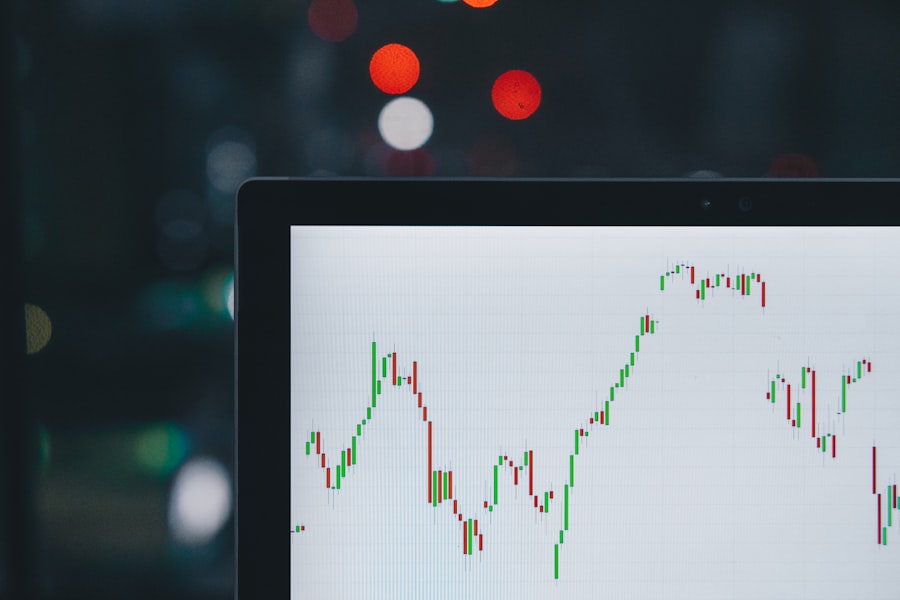
Ultimately, the question of “worth” boils down to return on investment. How much financial bang do you get for your buck?
Real Estate as an Investment
While often viewed as a primary residence, a house can also be an investment, especially if you consider its potential for appreciation and rental income.
Property Appreciation: A Long-Term Game
Historically, real estate has appreciated over the long term, providing a return on your investment. However, this appreciation is not guaranteed and can be cyclical. Market conditions, location, and economic factors all play a significant role.
Rental Income Potential
If you choose to rent out your property, you can generate a steady stream of income. However, managing tenants, maintenance, and potential vacancies are all factors to consider.
Leveraging Your Investment: The Mortgage
A mortgage allows you to control a large asset with a smaller initial outlay, amplifying your potential returns. However, it also magnifies your risk.
Investing: The Growth Engine
The diverse world of investments offers various avenues for wealth creation.
Stock Market Returns: Potential for Exponential Growth
As previously mentioned, the stock market has historically offered higher average returns than real estate. The potential for significant growth in successful companies can be a powerful wealth-building tool.
Bond Yields: Stability and Income
Bonds offer a more conservative approach, providing regular income streams and a degree of capital preservation. They are often used to balance riskier assets in a portfolio.
Real Estate Investment Trusts (REITs): Diversified Property Exposure
REITs allow you to invest in a portfolio of income-generating real estate without the complexities of direct ownership. You can gain exposure to commercial properties, apartments, and more.
Alternative Investments: Expanding Horizons
This category includes assets like commodities, private equity, and venture capital. These can offer diversification and the potential for high returns but often come with higher risk and lower liquidity.
When considering the decision between purchasing an expensive house and investing that money elsewhere, it’s important to weigh the potential returns of each option. Many people find themselves torn between the allure of homeownership and the benefits of investing in assets that may yield higher returns over time. For a deeper understanding of how wealth can grow through strategic investments, you can explore this insightful article on the topic. It provides valuable perspectives that can help you make an informed choice about whether to invest in real estate or other financial opportunities. To read more, visit this article.
The Decision: Which is Worth More to You?
| Factors | Expensive House | Investing More |
|---|---|---|
| Initial Cost | High | Variable |
| Potential Return | Stable | Variable |
| Liquidity | Low | High |
| Risk | Low | High |
| Long-term Growth | Stable | Potentially Higher |
The ultimate answer to “expensive house vs. investing: which is worth more?” isn’t a universal one. It’s deeply tied to your individual circumstances, financial goals, and risk tolerance.
Your Financial Goals: Short-Term vs. Long-Term
Are you focused on immediate lifestyle improvements and tangible assets, or are you prioritizing long-term financial independence and wealth accumulation?
Immediate Gratification vs. Future Security
The allure of an expensive house provides immediate gratification, but is that worth sacrificing the potential for substantial future financial security that investing can offer?
Building Equity vs. Building a Portfolio
Owning a home builds equity in a tangible asset. Investing builds a diversified portfolio that can provide financial freedom and options for the future.
Your Risk Tolerance: Comfort with Volatility
How comfortable are you with market fluctuations and potential short-term losses?
The Stability of Homeownership (Perceived)
Many people perceive homeownership as more stable than the stock market, even though real estate markets can also experience significant downturns.
The Calculated Risks of Investing
Investing involves inherent risks, but with proper diversification and a long-term perspective, these risks can be managed effectively.
Lifestyle Choices: The Trade-offs You’re Willing to Make
Ultimately, this is about the life you want to live.
The Dream Home Lifestyle
If your dream involves grand entertaining, expansive living spaces, and a prestigious address, an expensive house might be the right choice for you, provided you can comfortably afford it.
The Freedom of Financial Independence
If your dream involves early retirement, the ability to travel extensively, or the flexibility to pursue passions without financial constraints, prioritizing investments might be the more prudent path.
The Verdict: While an expensive house offers immediate lifestyle benefits and a tangible sense of accomplishment, the long-term financial potential of strategic investing is often significantly greater. It’s not about choosing one over the other definitively, but rather understanding the trade-offs. For many, a balanced approach – owning a comfortable, affordable home while diligently investing the rest of their disposable income – is the most sensible way to build lasting wealth and achieve both lifestyle fulfillment and financial security. Before you get swept away by the sheer grandeur of those multi-million dollar listings, take a hard look at your finances, your aspirations, and ask yourself: what truly holds more value for your future?

They Earned the Same $150K. One Became a Millionaire.
FAQs
1. What are the benefits of investing in a more expensive house?
Investing in a more expensive house can potentially lead to higher resale value and appreciation over time. It can also provide a higher level of comfort and luxury amenities for the homeowner.
2. What are the advantages of investing more money in other forms of investment instead of a house?
Investing more money in other forms of investment, such as stocks, bonds, or mutual funds, can provide diversification and potentially higher returns compared to real estate. It also offers more liquidity and flexibility for the investor.
3. What are the risks associated with investing in an expensive house?
Investing in an expensive house carries the risk of market fluctuations, potential maintenance and repair costs, and the possibility of a decline in property value. It can also tie up a significant amount of capital in a single asset.
4. What are the potential drawbacks of investing more money in other forms of investment instead of a house?
Investing more money in other forms of investment can involve market volatility, potential losses, and the need for active management. It also may not provide the same level of tangible benefits as owning a home.
5. How can individuals determine the best investment strategy for their financial goals?
Individuals should consider their long-term financial goals, risk tolerance, and overall financial situation when determining the best investment strategy. Consulting with a financial advisor can also provide valuable insights and guidance.