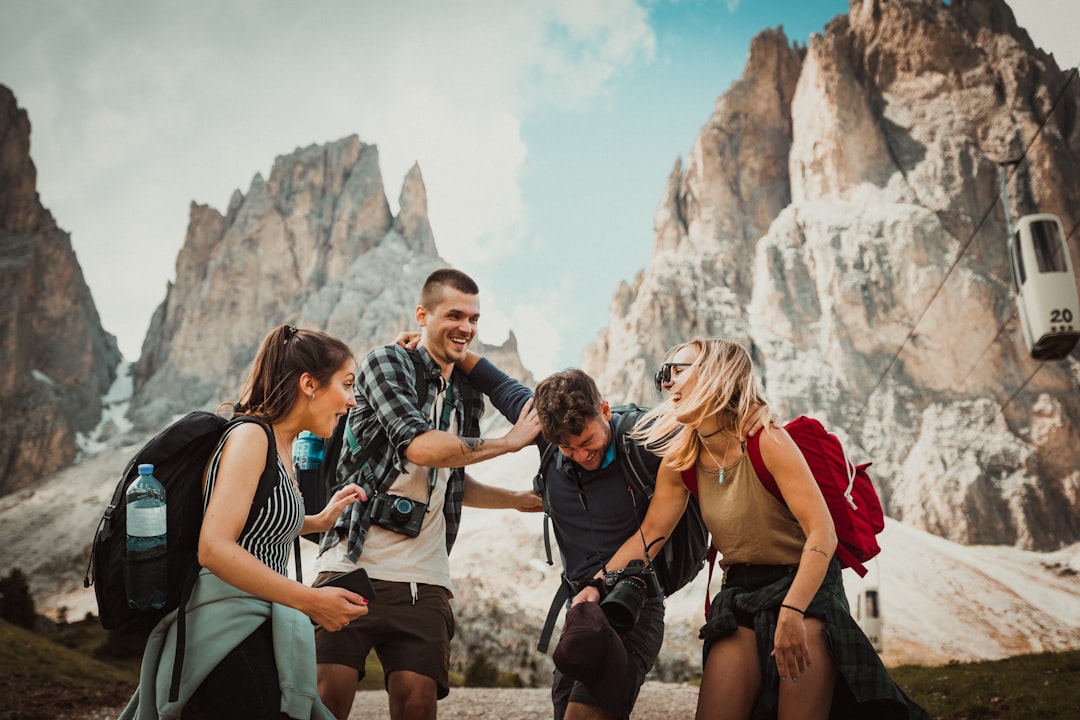
You’ve been dreaming about that epic trip with your besties, the one filled with laughter, shared adventures, and memories that will last a lifetime. But then reality kicks in: your income situations are as diverse as your personalities. One friend lives on ramen noodles while another enjoys the finer things in life. The thought of planning a trip that keeps everyone happy and financially comfortable can feel like navigating a minefield. Don’t let this put a damper on your travel dreams! With a little strategic planning and open communication, you can absolutely orchestrate a budget-friendly adventure that caters to everyone, regardless of their bank balance. This isn’t about one person footing the bill or another feeling left out; it’s about finding that sweet spot where shared experiences trump individual spending habits.
Before you even start browsing Skyscanner or scrolling through Airbnb, the most crucial step you can take is to have an open and honest conversation with your friends about finances. This might feel awkward, but trust us, it’s far less awkward than a tense vacation where someone feels resentful or pressured. Think of it as laying the groundwork for a successful trip.
Setting the Scene: The “Money Talk”
- Initiate the Conversation Early: Don’t wait until you’re booking flights. Bring it up when the trip idea is still in its nascent stages. “Hey guys, I’m super excited about this trip! I was thinking we should chat about budgets beforehand so everyone feels comfortable and we can plan accordingly.” This sets a collaborative tone.
- Be Direct, But Gentle: Avoid accusatory language. Instead of “You always spend too much,” try “I know we all have different financial situations, and I want to make sure this trip works for everyone. What’s your general budget looking like for this trip?”
- Share Your Own Budget (Optional but Recommended): If you’re comfortable, sharing your own estimated budget can help normalize the conversation and encourage others to do the same. “For this trip, I was thinking of aiming for around [X amount] for flights and accommodation, and then a bit extra for activities and food. How does that sound to you all?”
- Listen Actively: Pay attention to what your friends say. Are they hesitant? Do they offer a specific number? Do they express concerns about certain types of spending? Your ability to listen will inform your planning.
- Emphasize Shared Goals: Remind everyone that the primary goal is to spend quality time together and create memories. Financial differences shouldn’t detract from that. “The most important thing to me is that we all get to experience this together, no matter how we spend our individual money.”
Understanding Different Financial “Tiers”
Your friends likely fall into different financial categories, and acknowledging this without judgment is key.
The Budget Traveler: Making Every Penny Count
This friend is probably the most experienced in finding deals, looking for free activities, and is often the one suggesting the cheapest accommodation options. They might be saving up for a major purchase, have student loans, or simply have a more frugal lifestyle.
- Their Strengths: They are invaluable for finding hidden gems, local markets, and free or low-cost attractions. They often have a knack for navigating public transport and packing light.
- How to Support Them: Ensure that major group expenses (like accommodation) are kept within their comfortable range. Be mindful of impromptu, expensive excursions.
The Mid-Range Traveler: Comfortable but Mindful
This friend likely has a stable income and can afford more than the bare essentials, but they’re not looking to splurge excessively. They’re likely to be open to a mix of paid activities and free ones.
- Their Strengths: They can bridge the gap between the budget traveler and the more affluent friend. They’re often open to trying new things and are willing to contribute to shared experiences.
- How to Support Them: They can often accommodate slightly more expensive activities if the overall trip budget remains reasonable. They might be happy to split the cost of a nice meal occasionally.
The Comfort Traveler: Prioritizing Experiences (and Amenities)
This friend might have a higher disposable income and their priority might be on comfort, convenience, and unique experiences. They might be less concerned with the cheapest flights or basic accommodation, preferring something with more amenities or a prime location.
- Their Strengths: They can often help facilitate group activities that might be slightly more expensive, but also might have a higher tolerance for individual splurges.
- How to Support Them (and Them Supporting Others): This is where clear communication about optional extras becomes crucial. They might be happy to treat the group to a special meal or activity if everyone is aware and appreciative. However, it’s important they don’t feel obligated to subsidize others constantly.
Traveling with friends can be a rewarding experience, but it often comes with challenges, especially when friends have different income levels. It’s important to find ways to accommodate everyone’s budget while still enjoying the trip. For tips on navigating these financial differences and ensuring a fun and inclusive travel experience, you can check out this insightful article on managing travel plans with friends of varying incomes at How Wealth Grows.
Strategic Planning: The Art of the Compromise
Once you’ve established the financial landscape, it’s time to dive into the nitty-gritty of planning. This is where your collective understanding of budgets comes into play. The goal is to find a trip that offers a variety of experiences so everyone can participate comfortably.
Accommodation: The Big Ticket Item
Accommodation often represents a significant portion of a trip’s cost, so finding a solution that works for everyone is paramount.
Finding a Home Away From Home: Options for Every Budget
- Shared Airbnb/Vacation Rentals: This can be a fantastic middle ground. You can find properties with varying numbers of bedrooms and bathrooms, allowing for private spaces while still sharing common areas.
- Budget-Friendly Tip: Look for places slightly outside the most touristy areas. They’re often cheaper and offer a more local experience. Negotiate with the host if you’re booking for a longer stay.
- Comfort Traveler Tip: They might be happy to pay a bit more for a place with a great view, a pool, or a desirable location, as long as it’s a group decision.
- How to Split: You can split the cost equally, or if there are significant differences in room preferences (e.g., one person wants a private ensuite, another is happy with a shared bathroom), you can adjust accordingly with prior agreement.
- Hostels with Private Rooms: Don’t dismiss hostels entirely! Many offer private rooms that can be as comfortable as a budget hotel, but with the added benefit of communal areas and often a lower price point.
- Budget-Friendly Tip: This is often the most affordable option for private rooms. Look for hostels with good reviews and amenities.
- Comfort Traveler Tip: They might be less keen on this, but can be persuaded if the private room is decent and the communal areas are well-maintained and offer good social opportunities.
- Budget Hotels with Multiple Rooms: Booking several rooms in a budget-friendly hotel chain can also be an option.
- Budget-Friendly Tip: Look for deals and book in advance. Consider hotels that offer free breakfast to save on morning expenses.
- Comfort Traveler Tip: They might find this less appealing due to a lack of communal living space, but could be okay if the hotel has a decent lounge or bar area.
- Camping/Glamping: For the adventurous group, camping can be incredibly budget-friendly. Glamping offers a more comfortable experience while still being more affordable than hotels.
- Budget-Friendly Tip: This is usually the cheapest option, especially if you have your own gear.
- Comfort Traveler Tip: This might be a stretch, but they might be open to a “glamping” experience with comfortable tents and amenities.
Transportation: Getting There and Getting Around
The cost of getting to your destination and then navigating once you’re there can vary wildly.
Navigating the Miles: Smart Travel Choices
- Flights:
- Budget-Friendly Tip: Be flexible with dates and times. Utilize flight comparison websites religiously. Consider budget airlines, but always factor in baggage fees and other hidden costs. Flying on weekdays or during the off-season is usually cheaper.
- Comfort Traveler Tip: They might be willing to pay a bit more for a direct flight or a more convenient departure time. This is an area where they might be able to “treat” the group if everyone agrees on the benefits.
- How to Split: If everyone books their own flights, then individual responsibility is clear. If the group decides to book together for a potential group discount, agree on the total cost and how it will be split beforehand.
- Road Trips:
- Budget-Friendly Tip: Splitting gas and tolls among friends is significantly cheaper than individual plane tickets. Pack your own snacks and drinks.
- Comfort Traveler Tip: They might be willing to contribute more to gas if they can ensure the car is comfortable and has good amenities (e.g., good sound system, charging ports).
- How to Split: Decide on a clear system for tracking gas and toll expenses. Using an app like Splitwise can be very helpful.
- Public Transportation: Once at your destination, relying on buses, trains, and subways is often the most economical way to get around.
- Budget-Friendly Tip: Research local transit passes. Many cities offer day or week passes that are cheaper than individual tickets.
- Comfort Traveler Tip: They might prefer taxis or ride-sharing services for convenience, especially late at night. This is where you can agree that these are optional individual expenses.
- Walking and Biking: Embrace exploring on foot or by bike! It’s free, healthy, and often the best way to discover hidden corners of a city.
Food: Fueling Your Adventures Deliciously (and Affordably)
Food is a major expense, but it’s also a huge part of the travel experience. Finding a balance between enjoying local cuisine and keeping costs down is crucial.
Eating Well Without Breaking the Bank
- Cook Some Meals Together: If you have access to a kitchen in your accommodation, plan to cook a few meals together. This is a fantastic bonding activity and significantly cheaper than eating out for every meal.
- Budget-Friendly Tip: Visit local supermarkets or markets to buy fresh ingredients. Everyone can take turns cooking or contributing to a meal.
- Comfort Traveler Tip: They might be happy to contribute a bit more to the grocery budget for higher-quality ingredients or a special shared meal.
- Picnics and Packed Lunches: For day trips or sightseeing, packing your own lunch and snacks can save a significant amount of money.
- Budget-Friendly Tip: This is a staple for budget travelers. It’s easy to make sandwiches, grab fruit, and pack water bottles.
- Comfort Traveler Tip: They might be more inclined to do this if the picnic is in a scenic location or involves some delicious treats they picked up from a local bakery.
- Street Food and Local Eateries: Seek out authentic street food stalls and local, non-touristy restaurants. These are often delicious and incredibly affordable.
- Budget-Friendly Tip: This is where your budget-savvy friend can shine with their recommendations!
- Comfort Traveler Tip: They might enjoy the experience of trying new things, but might prefer to opt for a sit-down restaurant over a very basic street stall.
- “Splurge” Meals: Designate one or two meals where the group might decide to splurge on a slightly nicer restaurant.
- How to Handle: This is where the comfort traveler might be willing to treat, or where everyone contributes a bit more for a special occasion. It’s important that this is a conscious decision by the whole group.
- Happy Hour and Drink Specials: If your group enjoys a drink, take advantage of happy hour deals or local bars with good prices.
Activities and Experiences: Creating Memories for Everyone

The experiences you share are what truly make a trip memorable. The trick is to offer a variety of activities that cater to different interests and budgets.
Balancing Thrills and Chills: Inclusivity in Exploration
- Free Activities: Prioritize free attractions and activities. Many cities offer incredible museums with free admission days, beautiful parks, hiking trails, walking tours (tip-based), and vibrant street art.
- Budget-Friendly Tip: This is their bread and butter! Encourage them to research free activities in advance.
- Comfort Traveler Tip: They might initially overlook free options, but can be won over by a particularly beautiful park, an interesting historical site, or a lively local festival.
- Low-Cost Activities: Look for activities that offer good value for money, such as local markets, historical sites with affordable entry fees, or scenic viewpoints.
- Budget-Friendly Tip: They’ll be great at finding the best deals for these.
- Comfort Traveler Tip: They might be willing to participate in these as part of a broader itinerary.
- Optional “Splurge” Activities: Offer a few optional activities that are more expensive, but make it clear that participation is entirely up to individual choice.
- How to Handle: This is where the comfort traveler might choose to indulge, or where a group might decide together to pool money for a special experience (e.g., a boat trip, a concert). The budget traveler can opt out gracefully without feeling left out.
- Example: “Hey, there’s an option to do a [expensive activity] on Tuesday. It’s about [cost] per person. No pressure at all to join, but if anyone’s interested, let me know by [date] so I can book it.”
- DIY Tours: Instead of hiring expensive guided tours for everything, consider creating your own! Research historical sites, interesting neighborhoods, or scenic routes and explore them together.
- Budget-Friendly Tip: This is a fantastic way to save money and have a more personalized experience.
- Comfort Traveler Tip: They might enjoy the freedom of exploring at their own pace and discovering things on their own terms.
The Art of the “Individual Splurge” and Group Harmony
It’s inevitable that at some point, your friends might want to spend money on something that others don’t. This is where the concept of individual splurges comes into play.
Respecting Personal Choices: Navigating Solo Spending
- Acknowledge and Respect Individual Choices: The core principle here is that everyone has the right to spend their money as they see fit. If your budget-conscious friend wants to skip a museum to buy a souvenir, that’s their prerogative. Similarly, if your comfort-oriented friend wants to enjoy a spa treatment, that’s their choice.
- No Judgment Zone: Create an environment where no one feels judged for their spending habits. Avoid comments like, “Oh, you’re buying that?” or “I can’t believe you spent money on that.”
- Establish “Free Time” or “Separate Exploration” Slots: Build into your itinerary times when people can pursue their own interests or do their own shopping. This allows for individual splurges without impacting group activities or budgets.
- The “Optional Add-On” Mentality: Frame any activity that has a significant cost as an “optional add-on.” This reinforces that it’s not a mandatory part of the group experience.
- The “Treat” Culture (Use with Caution): While it’s wonderful when friends treat each other, ensure this doesn’t become an unspoken expectation. If someone offers to treat, accept gratefully but don’t rely on it. If the comfort traveler wants to treat the group to a nice meal, that’s a lovely gesture, but it shouldn’t be expected. It’s about genuine generosity, not obligation.
- Focus on Shared Experiences: Constantly remind yourselves that the most valuable aspect of the trip is the time spent together. A shared laugh over a cheap street taco can be more memorable than an expensive, solitary meal.
Traveling with friends can be a rewarding experience, but it often comes with challenges, especially when friends are on different income levels. Finding a balance between budget-friendly activities and splurges can help ensure everyone enjoys the trip without financial strain. For insights on navigating these dynamics, you might find this article on managing travel plans with varying budgets helpful. It offers practical tips for creating an inclusive travel experience for all. Check it out here for more information.
Tools and Tricks: Making Budget Management Easier
| Income Level | Expenses | Accommodation | Activities |
|---|---|---|---|
| High Income | Higher | Luxury hotels | Fine dining, excursions |
| Medium Income | Moderate | Mid-range hotels or rentals | Local attractions, casual dining |
| Low Income | Lower | Budget accommodations or hostels | Free or low-cost activities, street food |
Modern technology offers a plethora of tools to help you manage group finances and stay on track with your budget.
Leveraging Technology for Seamless Splitting
- Budgeting Apps (Splitwise, Tricount, etc.): These apps are invaluable for tracking shared expenses. You can input who paid for what, and the app will calculate who owes whom and settle up at the end. This eliminates awkward calculations and ensures fairness.
- How to Use: Designate one person to be the primary “tracker” or have everyone add their shared expenses as they occur.
- Shared Spreadsheets (Google Sheets, Excel Online): For a more visual approach, a shared spreadsheet can be used to outline the overall budget, track major expenses, and even list optional activities with their costs.
- Pre-Paid Cards or Group Accounts (Use with Caution): In some cases, if everyone is comfortable, you might consider pooling a certain amount of money into a pre-paid card for communal expenses like groceries or group outings. However, this requires a high level of trust.
- Cash Envelopes: For those who prefer tangible money, assigning cash envelopes for different spending categories (food, activities, souvenirs) can be a visual reminder of your budget.
- Early Bird Discounts and Group Rates: Always be on the lookout for early bird discounts on flights, accommodation, or attractions. If possible, research if any venues offer group rates for larger parties.
- Loyalty Programs and Rewards: If any of your friends have travel loyalty programs or credit card rewards, see if these can be leveraged to reduce costs for the group.
By embracing open communication, strategic planning, and leveraging the right tools, you can transform the challenge of navigating different incomes into an opportunity for a more inclusive, memorable, and budget-friendly adventure with your friends. The goal is not to restrict anyone’s spending, but to create a framework where everyone can participate and enjoy the journey together, making those shared memories the true currency of your trip.

What Happens When You Make More Money Than Your Friends?
FAQs
1. How can I plan a trip with friends who have different incomes?
It’s important to have an open and honest conversation with your friends about budget constraints and expectations for the trip. Consider choosing destinations and activities that are affordable for everyone, and be flexible with accommodations and dining options.
2. What are some tips for splitting costs when traveling with friends on different incomes?
One option is to divide costs based on each person’s budget, so that everyone pays an equal percentage of their income towards shared expenses. Alternatively, you can take turns treating each other to meals or activities, or use apps to track and split expenses.
3. How can I avoid financial tension when traveling with friends on different incomes?
Set clear expectations and boundaries before the trip, and be respectful of each other’s financial situations. Avoid pressuring anyone to spend beyond their means, and be understanding if someone needs to opt out of certain activities due to budget constraints.
4. What are some affordable travel options for groups with varying incomes?
Consider destinations with a lower cost of living, such as Southeast Asia or Eastern Europe. Look for budget-friendly accommodations like hostels or vacation rentals, and prioritize free or low-cost activities such as hiking, sightseeing, or visiting local markets.
5. How can I make sure everyone feels included and valued during the trip?
Encourage open communication and be mindful of each person’s preferences and limitations. Plan activities that cater to different interests and budgets, and be considerate of everyone’s needs and comfort levels throughout the trip.