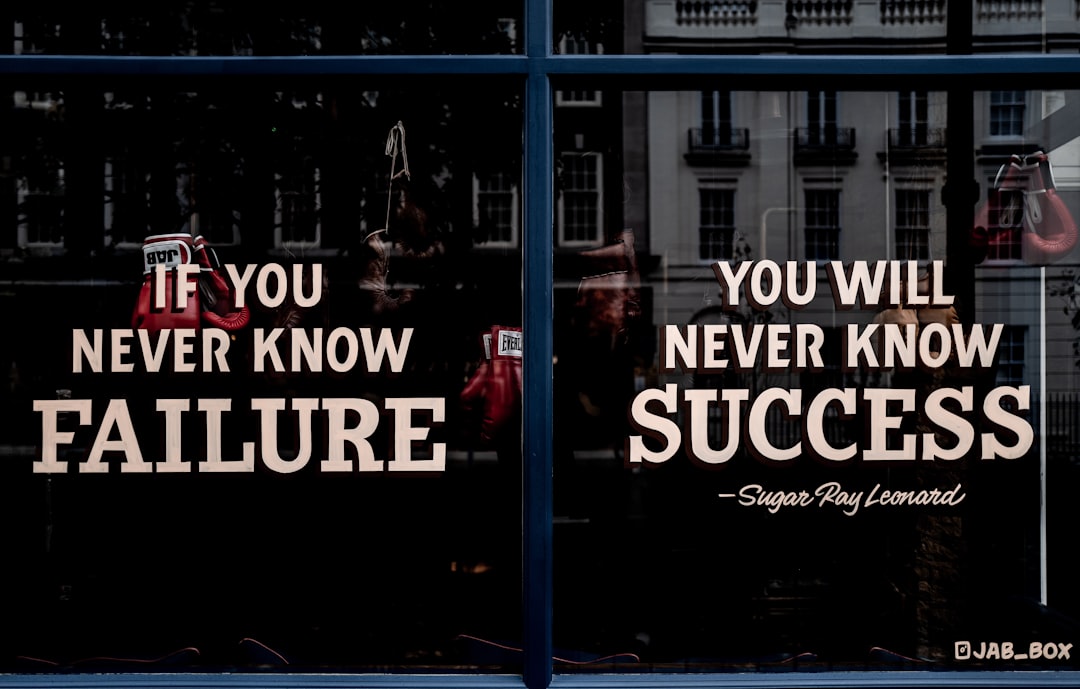
You did it. You achieved that thing you’ve been working towards, the one that felt like a distant star for so long. Whether it’s landing that dream job, launching your business, publishing your book, or reaching a significant personal milestone, the feeling of accomplishment is exhilarating. The applause, the congratulations, the sense of validation – it’s everything you hoped for. But as the initial wave of euphoria begins to settle, you start to notice a subtle shift, a quiet hum in the background of your relationships. Your friends, the ones who cheered you on, the ones you shared your struggles with, are treating you differently. This isn’t always malicious or intentional, but it’s there, a tangible change in the dynamics you once considered rock-solid. You’re navigating the aftermath of success, and one of the most complex landscapes you’ll encounter is the altered terrain of your friendships.
Your success, while a personal triumph, can inadvertently become a benchmark against which your friends measure themselves. This isn’t about them being inherently envious, but rather about the inherent human tendency to compare. When you’ve reached a height they haven’t yet, or perhaps aspire to, it can create a subtle tension.
The Unspoken Yardstick
Suddenly, your achievements aren’t just about you anymore. They become a reference point. A friend might find themselves thinking, “If they can do it, why can’t I?” This thought, even if fleeting, can lead to a sense of inadequacy. It’s as if your success has illuminated a path they haven’t yet cleared, and the contrast can be uncomfortable. You might overhear conversations where your name is brought up in a way that highlights their own perceived shortcomings, even if that’s not the intention. It’s a complex interplay of admiration and self-doubt.
The Shift in Conversation Topics
Previously, you and your friends might have bonded over shared struggles, everyday annoyances, and mutual aspirations. Now, your conversations might start to feel a little unbalanced. While you’re eager to share your new experiences – the exciting projects, the new responsibilities, the travel opportunities – your friends might struggle to relate or, conversely, feel their own lives are being overshadowed. They might feel less inclined to share their own problems, fearing they sound trivial in comparison to your newly elevated status. You might find yourself censoring your own excitement, trying to gauge their reaction, or even feeling a pang of guilt for your good fortune.
The “Buts” and “What Ifs”
You’ll start to notice the subtle qualifiers friends might add when congratulating you. “That’s amazing, but I still can’t believe how hard you worked for it,” or “It’s great you got that promotion, what if I had taken that chance too?” These aren’t necessarily meant to diminish your achievement, but they reveal an internal dialogue within them. They are grappling with their own choices and paths, and your success has stirred up those reflections. You might find yourself trying to reassure them, to downplay your effort, or to emphasize the sacrifices you made, all in an attempt to bridge the gap created by their internal comparisons.
Experiencing success can often lead to a shift in how friends perceive and treat you, which is a topic explored in depth in the article found at this link. Many individuals report feeling a change in their social dynamics after achieving significant milestones, as some friends may become envious or distant, while others may treat them with newfound respect or admiration. This phenomenon raises important questions about the nature of friendship and the impact of success on personal relationships, highlighting the complexities of social interactions in the face of change.
The Emergence of Distance: When Life Paths Diverge
Success often brings with it new responsibilities, a changed schedule, and a broader social circle. This natural evolution can create a physical and emotional distance between you and your long-standing friends, even if no one actively wishes for it.
The Busy Bee Syndrome
Your calendar, once filled with casual meetups and spontaneous outings, now might be packed with work events, networking opportunities, and commitments tied to your new role. You might find yourself canceling plans more often, not because you don’t want to see your friends, but because your schedule simply doesn’t allow it. This can be frustrating for both sides. Your friends might feel you’re prioritizing your new life over them, while you feel misunderstood and stretched thin. The spontaneous coffee dates or late-night chats become a rarity, replaced by carefully scheduled and often brief interactions.
The New Social Circles
As you climb the ladder, you’ll inevitably meet new people. Colleagues, industry peers, mentors – these new connections are essential for your growth. However, the time and energy you invest in these relationships can inadvertently take away from the time you have for your old friends. You might find yourself at events where your old crew isn’t present, or you might be invited to gatherings that are specifically geared towards your new professional life. This can lead to a feeling of being on different wavelengths, as your social universes begin to expand in separate directions.
The Awkwardness of Shared History
Sometimes, the very foundation of your friendships – your shared history and experiences – can become a source of awkwardness. If your friends are still navigating the early stages of their careers or facing different challenges, they might feel out of place in conversations about your advanced professional life. Conversely, you might find yourself having to explain concepts or contexts that are second nature to you now, but completely foreign to them. This can lead to silences, or to a conscious effort to steer conversations away from topics that might highlight the divergence in your life experiences.
The Shifting Power Dynamics: When Influence Fades or Grows

Success can subtly alter the way your friends perceive your influence and your role within the group. Depending on your personality and theirs, this can manifest in different ways.
The “You’re So Successful, You Don’t Need Us Anymore” Syndrome
Some friends might interpret your success as a sign that you’ve outgrown them. They might feel you no longer need their support, advice, or companionship. This can lead to them pulling back, assuming you have more important people to spend your time with. They might hesitate to ask for favors, fearing they’ll be seen as taking advantage of your newfound status, or they might avoid asking for advice, believing you’re too busy with more significant matters. This can be a lonely realization for you, as you still value their input and connection.
The “You Can Fix It” Expectation
Conversely, some friends might see your success as a means to an end. They might begin to view you as a resource, someone who can leverage their connections or provide solutions to their problems. This can manifest as constant requests for introductions, job referrals, or even financial assistance. While it’s natural to want to help your friends, it can become draining if you feel like you’re being used or that your success is primarily serving their needs. The lines between genuine friendship and transactional relationships can become blurred.
The Loss of the “Peers” Dynamic
When you were all at a similar stage, there was an easy camaraderie, a sense of being on equal footing. Success can disrupt this. Your friends might start to defer to you more, seeking your opinion on matters outside your expertise, or they might become overly cautious in their interactions, as if walking on eggshells. You might miss the easy banter and the feeling of being just one of the gang, rather than someone with a perceived higher status. This can lead to you feeling isolated, even within a group of people you’ve known for years.
The Test of True Friendship: Loyalty in the Face of Change

The aftermath of success is a powerful litmus test for your friendships. It reveals who your true allies are, the ones who can celebrate your wins without being diminished by them, and who can offer support without expecting anything in return.
The Fair-Weather Friends vs. The Steadfast Supporters
You’ll start to distinguish between those who were present when things were easy and those who stood by you through the tough times. The “fair-weather friends” might fade into the background, their interest waning as the excitement of your success subsides. They might be the ones who were quick to congratulate but slow to offer genuine support or understanding. The “steadfast supporters,” on the other hand, will remain a constant. They will be genuinely happy for your achievements, offer a listening ear when you need to vent about the pressures of success, and continue to value your friendship for who you are, not what you’ve accomplished.
Navigating Requests and Boundaries
One of the crucial aspects of maintaining healthy friendships after success is learning to set boundaries. It’s okay to say no. It’s okay to prioritize your well-being and your own needs. You don’t have to be an ATM or a personal career counselor for everyone you know. This can be challenging, especially if you’re naturally a people-pleaser or if you feel guilty saying no. However, establishing clear boundaries is essential for preserving your own energy and ensuring that your friendships remain authentic and reciprocal.
The Importance of Reciprocity
A true friendship is a two-way street. As you navigate your success, it’s important to remember to nurture your friendships by showing interest in your friends’ lives, celebrating their achievements, and offering support when they need it. Don’t let your success become a monologue. Make an effort to listen, to engage, and to be present for them, just as they have (or should have) been for you. This might involve actively seeking out opportunities to connect, even if it means making a little extra effort.
Experiencing success can sometimes lead to unexpected changes in friendships, as some people may treat you differently once they perceive you as more successful. This shift in dynamics can be challenging to navigate, and understanding the reasons behind it can provide valuable insights. For a deeper exploration of how success influences relationships, you might find this article on wealth and friendship dynamics insightful. It discusses the complexities of social interactions in light of personal achievements, which can be found here.
Rebuilding and Rekindling: Nurturing Connections in a New Era
| Friend | Treatment |
|---|---|
| Friend 1 | Supportive and happy for your success |
| Friend 2 | Jealous and distant |
| Friend 3 | Acting indifferent or dismissive |
| Friend 4 | Trying to take advantage of your success |
The changes in your friendships don’t have to be permanent. With conscious effort and a willingness to adapt, you can rebuild and even strengthen your connections in this new era of your life.
Open and Honest Communication
The most crucial tool in navigating these shifts is open and honest communication. Don’t let assumptions fester. If you feel a distance growing, or if you sense a friend is struggling with your success, have a conversation. Express your feelings, listen to theirs, and try to find common ground. It might be uncomfortable, but it’s far better than letting resentment or misunderstandings build up. You might say, “I’ve noticed things feel a little different between us lately, and I wanted to talk about it,” or “I’m really enjoying this new chapter, but I also really value our friendship, and I want to make sure we’re still connected.”
Intentional Connection
Given the demands on your time, you need to be intentional about connecting with your friends. Schedule regular catch-ups, even if they’re just brief phone calls or video chats. Make an effort to attend their important events, and invite them into your new world when appropriate. Show them that their friendship still matters, even if your circumstances have changed. This might mean proactively reaching out rather than waiting for them to initiate.
Understanding and Empathy
Try to approach the situation with empathy. Remember that your friends are on their own journeys, and their reactions to your success are likely a reflection of their own internal experiences. Be patient, be understanding, and offer them the same grace you would hope for yourself. Recognize that their feelings are valid, even if they’re not easy for you to hear. Ultimately, true friendship is about weathering life’s changes together, celebrating the highs and supporting each other through the lows, no matter how those highs and lows manifest. Your success is a part of your story, but it doesn’t have to be the end of your friendships. It can, in fact, be a catalyst for deeper, more resilient connections.

What Happens When You Make More Money Than Your Friends?
FAQs
1. Why do friends sometimes treat you differently after you achieve success?
Friends may treat you differently after you achieve success due to jealousy, feelings of inadequacy, or a shift in power dynamics within the friendship. Your success may also highlight differences in values or priorities between you and your friends.
2. How can you address friends treating you differently after success?
It’s important to communicate openly with your friends about any changes in the dynamics of your relationship. Express your feelings and listen to their perspectives. Setting boundaries and maintaining empathy can also help navigate these changes.
3. What are some signs that friends may be treating you differently after your success?
Signs that friends may be treating you differently after your success include passive-aggressive behavior, subtle put-downs, or a lack of support for your achievements. They may also show signs of envy or resentment.
4. How can you maintain friendships after experiencing success?
To maintain friendships after experiencing success, it’s important to stay grounded, show gratitude, and remain empathetic towards your friends’ feelings. Additionally, finding common ground and engaging in activities that don’t revolve around your success can help maintain the friendship.
5. What are some strategies for finding new friends who support your success?
Finding new friends who support your success can involve seeking out like-minded individuals in professional or social settings. Engaging in activities related to your interests or joining groups and communities with similar goals can also help you connect with supportive individuals.