
Does Money Really Buy Happiness?
You’ve likely heard the old adage, “Money can’t buy happiness.” Perhaps you’ve even uttered it yourself, a well-worn phrase passed down through generations. But as you navigate your own life, with its bills, its desires, and its aspirations, a nagging question persists: to what extent is that saying actually true? Does that ever-present hum of financial concern truly disappear with a healthy bank balance? And if it doesn’t, what does that mean for your pursuit of contentment? Let’s delve into this complex relationship between wealth and well-being, exploring the nuances and the realities of whether money, in your experience, can indeed pave the road to happiness.
It’s undeniable that when you’re struggling to meet your basic needs, financial security acts as a powerful balm. Imagine the relief you’d feel if you suddenly had enough money to cover your rent, buy nutritious food, and ensure your loved ones are taken care of. This isn’t about extravagant luxuries; it’s about shedding the crushing weight of poverty.
Escaping the Grind of Scarcity
Think back to times when you’ve experienced genuine financial stress. The sleepless nights, the constant calculations, the sacrifices you’ve had to make. Now, picture yourself in a position where those worries are a distant memory. You can afford to fix your car without dread, to replace worn-out clothes without guilt, and to enjoy a spontaneous outing without agonizing over the cost. This newfound freedom from scarcity is a profound source of happiness. It liberates your mind, allowing you to focus on other aspects of your life instead of being consumed by survival.
The Power of Basic Needs Fulfilled
This isn’t a controversial statement; it’s a fundamental truth. When your basic human needs are met – shelter, food, healthcare, safety – your immediate sense of well-being skyrockets. You’re no longer operating from a place of fear and desperation. This foundational happiness, born from security, is the bedrock upon which other forms of contentment can be built. For you, this might translate into a stable job, a comfortable home, and the ability to provide for your family. The absence of these worries is, in itself, a significant form of happiness.
Access to Opportunities and Experiences
Beyond mere survival, money also unlocks a world of opportunities. You can afford to pursue education, to travel and broaden your horizons, to engage in hobbies that enrich your life, and to invest in your health and well-being through fitness or therapy. These experiences can lead to personal growth, deeper understanding, and a greater sense of fulfillment. Consider the joy of learning a new skill, the wonder of exploring a new culture, or the peace of mind that comes from proactive healthcare. These are all experiences that money can facilitate, contributing to your overall happiness.
The age-old debate about whether money can truly buy happiness has been explored in various studies and articles. One insightful piece that delves into this topic is found at How Wealth Grows, which examines the relationship between financial security and overall life satisfaction. The article discusses how, while money can provide comfort and opportunities, it is often the experiences and relationships that contribute more significantly to long-term happiness.
The Plateau Effect: Diminishing Returns on Wealth
However, the initial euphoria that comes with increased financial resources doesn’t last indefinitely. Research consistently shows that beyond a certain point, additional income has a significantly smaller impact on your happiness levels. This is where the adage truly starts to resonate.
The Hedonic Treadmill: Always Wanting More
You’ve probably experienced this yourself. You get a raise, and you’re thrilled. You buy something you’ve been wanting, and for a while, you feel great. But soon, that feeling fades. You adapt to your new circumstances, and your desires shift. You start looking at what others have, or you develop new aspirations, and the cycle begins again. This phenomenon, known as the hedonic treadmill, means that you’re constantly chasing a moving target of happiness, where your baseline satisfaction resets with each new acquisition.
The Perils of Comparison
In a world saturated with social media and outward displays of wealth, it’s easy to fall into the trap of comparing yourself to others. You see perfectly curated lives, lavish vacations, and expensive possessions. Even if you have more than you ever dreamed of, a constant comparison can leave you feeling inadequate and unhappy. You might be financially secure, but if you’re constantly measuring your worth against someone else’s perceived success, your contentment will be elusive. It’s a mental battle that money, on its own, cannot win.
The Erosion of Gratitude
When wealth becomes the norm, it can be easy to take what you have for granted. The things that once brought you joy and relief can become ordinary. You might forget the feeling of striving and appreciate the absence of struggle less. Cultivating gratitude for what you possess, regardless of its monetary value, is crucial for sustained happiness. When you stop noticing and appreciating the blessings in your life, even significant wealth can feel hollow.
What Money Can’t Buy: The Intangibles of True Happiness
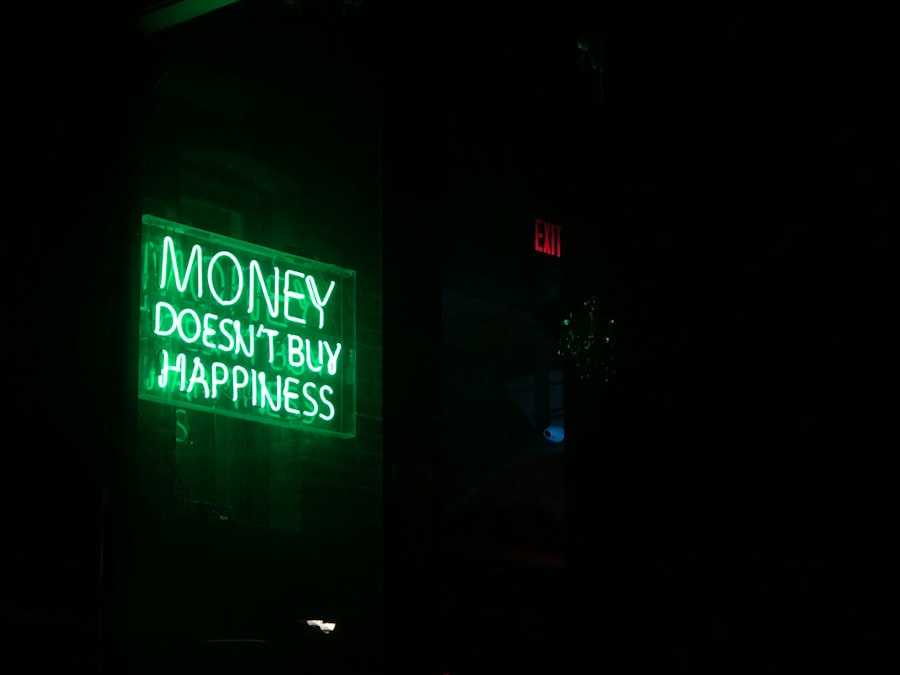
While money can provide comfort, security, and access, there are fundamental aspects of human happiness that it simply cannot purchase. These are the deeply personal and often profound elements that truly enrich your life.
Meaningful Relationships
Think about the people who truly matter in your life: your family, your friends, your loved ones. The deep connections, the shared laughter, the unwavering support – these are the cornerstones of a happy life. Money can facilitate gatherings and experiences, but it cannot create genuine love, empathy, or a sense of belonging. You can’t buy a best friend, a soulmate, or the warmth of a family’s embrace. These relationships are built on shared experiences, mutual respect, and emotional investment, none of which are for sale.
Purpose and Fulfillment
Having a sense of purpose, a reason to get up in the morning that extends beyond earning a living, is a vital component of happiness. This could be a passion project, a meaningful career, or contributing to a cause you believe in. While money can provide the freedom to pursue these things, it cannot imbue your life with inherent meaning. You can be incredibly wealthy but feel utterly lost and unfulfilled if you lack a sense of purpose. Discovering what truly drives you and aligning your life with that purpose is a deeply personal journey, independent of your bank balance.
Health and Well-being
While money can certainly buy access to excellent healthcare and allow you to prioritize your physical and mental health through gym memberships, healthy food, and therapy, it cannot guarantee good health. You can have all the wealth in the world, but if you’re battling a chronic illness or struggling with mental health issues, your happiness will be profoundly impacted. Furthermore, true well-being is not just about the absence of illness; it’s about a sense of vitality, peace, and resilience. These are often cultivated through lifestyle choices, mindset, and strong support systems, which money can facilitate but not directly purchase.
Inner Peace and Contentment
Ultimately, true happiness stems from within. It’s about your mindset, your perspective, and your ability to find joy in the present moment. You can be surrounded by material possessions and still feel anxious, stressed, or unfulfilled. Conversely, someone with very little might possess a deep sense of inner peace and contentment. Cultivating mindfulness, practicing self-compassion, and developing a positive outlook are internal skills that no amount of money can buy. It’s about how you choose to perceive and interact with your life, regardless of your financial circumstances.
The Strategic Use of Money: How to Make It Work for Your Happiness
While money itself may not be the direct source of happiness, how you choose to use it can have a significant impact on your well-being. It’s not just about accumulating wealth; it’s about being intentional with your financial resources.
Investing in Experiences Over Possessions
You’ve likely heard this before, and it bears repeating. Research consistently shows that spending money on experiences – travel, concerts, learning new skills, spending time with loved ones – tends to bring more lasting happiness than spending on material possessions. Experiences create memories, foster connections, and lead to personal growth, all of which are far more enduring than the fleeting pleasure of a new gadget or piece of clothing. Think about your most cherished memories – are they of things you bought, or of moments you shared and experiences you had?
Generosity and Prosocial Spending
Studies have demonstrated that spending money on others, whether through charitable donations or acts of kindness, can significantly boost your own happiness. The feeling of making a positive impact on someone else’s life, of contributing to something larger than yourself, is incredibly rewarding. This “prosocial spending” taps into our innate desire to connect and contribute, leading to a sense of purpose and satisfaction that material purchases often fail to provide. Consider the joy you feel when you can help a friend in need or support a cause you believe in.
Buying Time and Reducing Stress
Money can indeed buy you time, which is a precious commodity. You can delegate tasks that drain your energy and consume your precious hours. This could mean hiring a cleaner, outsourcing errands, or even choosing a job that offers a better work-life balance, even if it means a slightly lower salary. By freeing up your time, you can invest it in activities that bring you joy, nurture your relationships, or simply allow you to rest and recharge. The reduction in stress that comes from not having to do everything yourself can also significantly improve your overall well-being.
The debate over whether money truly buys happiness has intrigued researchers and individuals alike for years. A fascinating article that delves deeper into this topic can be found at How Wealth Grows, which explores the relationship between financial stability and emotional well-being. It highlights various studies that suggest while money can provide comfort and security, true happiness often stems from relationships and personal fulfillment rather than material wealth.
The Bottom Line: A Tool, Not a Destination
“`html
| Study | Findings |
|---|---|
| Harvard Business School Research | Money can buy happiness up to a certain point, but beyond that, its impact diminishes. |
| Princeton University Study | Emotional well-being rises with income, but there is a point where more money doesn’t lead to more happiness. |
| University of Pennsylvania Research | Higher income is associated with greater life satisfaction, but the effect levels off at a certain income level. |
“`
So, does money really buy happiness? The answer, you’ve likely concluded, is nuanced. Money is a powerful tool, and like any tool, its effectiveness depends on how you use it. It can be a significant contributor to happiness, particularly in alleviating the burdens of poverty and providing access to opportunities. However, it is not a magic wand that can conjure contentment out of thin air.
The Importance of Financial Literacy and Management
To make money work for you, you need to be financially literate and manage your resources wisely. This means budgeting, saving, investing, and avoiding unnecessary debt. When you have a solid understanding of your finances and are in control of your money, you can make more intentional choices that align with your values and contribute to your happiness. Poor financial management, regardless of income level, can be a significant source of stress and unhappiness.
Cultivating an Internal Locus of Happiness
Ultimately, the most profound and lasting happiness comes from within. It’s about cultivating gratitude, practicing mindfulness, nurturing meaningful relationships, and living a life aligned with your values and purpose. While money can facilitate some of these pursuits, it cannot replace the internal work required to achieve true contentment. You are the architect of your own happiness, and while money can be a helpful building material, it’s not the blueprint itself.
Redefining Success: Beyond the Bank Balance
Perhaps the most crucial takeaway is the need to redefine what success means to you. Is it solely about accumulating wealth and possessions, or does it encompass a broader spectrum of well-being, including strong relationships, personal growth, and a sense of purpose? By shifting your focus from solely material gain to a more holistic understanding of a life well-lived, you can leverage your financial resources to support your true aspirations, leading to a richer and more fulfilling existence. Money can be a facilitator, but the destination of happiness is ultimately an internal one.

You Hit $1 Million… So Why Doesn’t It Feel Like Enough?
FAQs
1. What does research say about the relationship between money and happiness?
Research shows that while money can contribute to happiness up to a certain point, once basic needs are met, additional income has diminishing returns in terms of increasing overall happiness.
2. How does money impact happiness?
Money can impact happiness by providing a sense of security, access to resources and opportunities, and the ability to enjoy experiences and material possessions. However, beyond a certain income threshold, the correlation between money and happiness becomes weaker.
3. Can money buy temporary happiness?
Yes, money can buy temporary happiness in the form of experiences, material possessions, and relief from financial stress. However, this type of happiness is often short-lived and may not contribute to long-term overall well-being.
4. What are some factors that contribute to long-term happiness aside from money?
Factors that contribute to long-term happiness aside from money include strong social connections, a sense of purpose and meaning, physical and mental health, personal growth, and a positive mindset.
5. How can individuals increase their happiness without relying solely on money?
Individuals can increase their happiness by cultivating relationships, practicing gratitude, engaging in activities they enjoy, setting and pursuing meaningful goals, prioritizing self-care, and contributing to their communities. These factors have been shown to have a significant impact on overall well-being, independent of financial status.