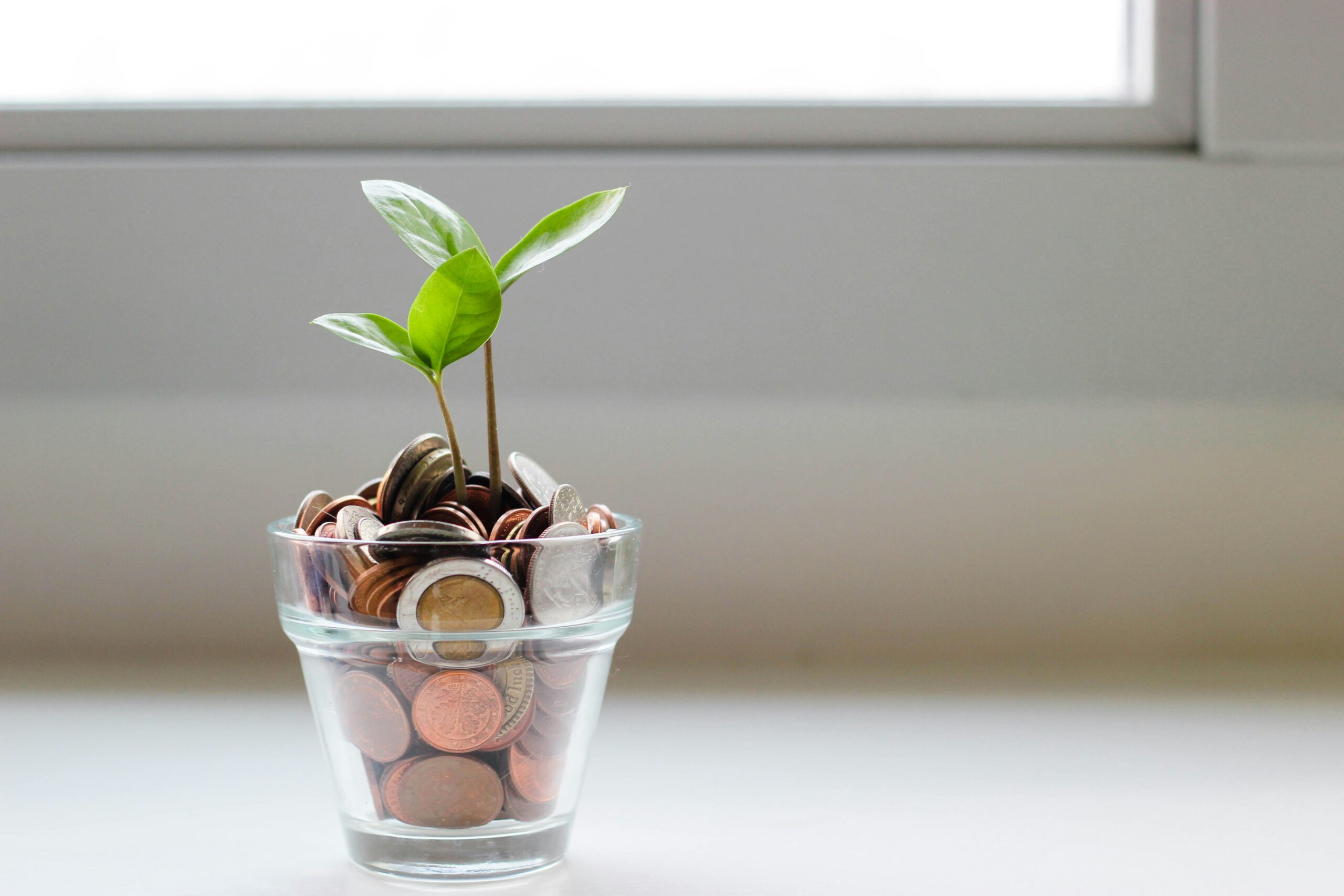
You’re tired of the endless chase, aren’t you? The whispers of “more,” the nagging feeling that true happiness lies just beyond the next pay raise or the latest shiny object. You see others seemingly flaunting their success, and you wonder if you’re somehow missing the secret code. But what if I told you that “living rich” isn’t about the size of your bank account, but about the quality of your life, the peace in your mind, and the freedom you possess? What if you could build true wealth, not just financially, but holistically, without ever feeling the need to appear wealthy? This is the path to living rich without feeling wealthy, and it’s a journey you can start today.
Before you can build something, you need to understand what it is. For so long, society has equated wealth with material possessions, status symbols, and a constantly increasing net worth. You’ve been bombarded with images of luxury cars, sprawling mansions, and extravagant vacations as the ultimate indicators of success. But this definition is often shallow, fleeting, and ultimately, unfulfilling. True wealth, on the other hand, is a much deeper and more nuanced concept. It’s about having enough resources, time, and freedom to live the life you truly desire, on your own terms. It’s about security, peace of mind, and the ability to make choices that align with your values, not just your obligations.
The Illusion of Material Wealth
You’ve seen it, you’ve probably even fallen prey to it. The relentless advertising, the peer pressure, the societal narrative that tells you you’re not enough unless you have this or that. This illusion of material wealth is a powerful trap. It convinces you that happiness can be bought, that fulfillment comes from accumulation. But how many times have you bought something you thought would make you happy, only to find the thrill fading within days or weeks? This isn’t to say that possessions are inherently bad, but when they become the primary measure of your worth or your success, you’re on a treadmill to nowhere. You’re building a facade, not a foundation.
The Pillars of Holistic Wealth
So, what are these pillars of holistic wealth? Think of them as the sturdy legs of a table, each essential for stability and support.
Financial Security and Freedom
This is the bedrock. It’s not about being a millionaire, but about having enough to cover your needs, your wants, and your future without constant anxiety. It’s about having choices. Can you handle an unexpected medical bill? Can you take a few months off if needed? Can you retire comfortably without being a burden? This is the freedom that true financial security provides.
Time and Autonomy
Your time is your most precious, non-renewable resource. Wealthy individuals often have immense control over their time. They aren’t bound to a desk from 9 to 5 if they don’t want to be. They have the autonomy to pursue passions, spend time with loved ones, or simply rest and recharge. This autonomy is a profound form of richness that money alone cannot buy.
Health and Well-being
What good is all the money in the world if you’re too sick to enjoy it? Your physical and mental health are paramount. Investing in your well-being – through healthy habits, stress management, and regular check-ups – is an investment in your long-term wealth. A vibrant life, full of energy and vitality, is a sign of true richness.
Meaningful Relationships and Community
Humans are social creatures. Rich relationships, built on trust, love, and mutual support, are a vital component of a well-lived life. Being part of a community, contributing to something larger than yourself, and having a strong support network adds immeasurable value and a deep sense of belonging.
Purpose and Personal Growth
Having a sense of purpose, a reason to get up in the morning that extends beyond earning a living, is a profound source of fulfillment. This can come from your work, your hobbies, your volunteer efforts, or your personal development. Constantly learning, growing, and challenging yourself keeps life vibrant and meaningful.
Building wealth without feeling wealthy is a concept that resonates with many individuals striving for financial stability and independence. For those interested in exploring this topic further, a related article can provide valuable insights and strategies. You can read more about practical approaches to wealth accumulation in the article found at How Wealth Grows. This resource offers tips on managing finances effectively while cultivating a mindset that prioritizes long-term goals over immediate gratification.
Building Your Financial Foundation: The Smart Way
Now, let’s get practical. Building financial wealth doesn’t require a secret offshore account or a winning lottery ticket. It’s about smart habits, consistent effort, and a clear understanding of where your money is going and where you want it to go. You don’t need to feel wealthy to be building towards it. The quiet accumulation, the consistent savings, the intelligent investments – these are the true architects of financial freedom.
Mastering Your Cash Flow: The Art of Budgeting and Tracking
You’ve heard it before, and you’ll hear it again, because it’s that important. Budgeting isn’t about restriction; it’s about control. It’s about understanding your income, your expenses, and making conscious decisions about where your money goes. Tracking your spending, even for a month, can be an eye-opening experience. You’ll discover where your money is leaking, those small, seemingly insignificant expenses that add up to a significant sum.
The Power of Knowing Where Your Money Goes
When you know precisely where every dollar is going, you gain immense power. You can identify areas where you can cut back without feeling deprived. You can allocate more towards your savings goals, your debt reduction, or your investments. This knowledge is empowering; it transforms you from a passive observer of your finances to an active architect.
Creating a Realistic and Flexible Budget
A budget that’s too rigid will be abandoned. A budget that’s too loose will be ineffective. The key is to create a realistic plan that reflects your lifestyle and your financial goals, while also allowing for flexibility. Life happens, and sometimes you’ll need to adjust. The important thing is to get back on track.
Saving with Purpose: Automate and Prioritize
Saving isn’t an afterthought; it’s a fundamental pillar of wealth building. It’s the oxygen that fuels your financial future. The trick is to make it effortless and automatic. Treat your savings like any other essential bill.
The “Pay Yourself First” Philosophy
This is a game-changer. Before you pay any bills, before you buy that coffee, before you indulge in anything else, allocate a portion of your income directly to your savings. Set up automatic transfers from your checking account to your savings or investment accounts on payday. This way, you’re not tempted to spend it, and it’s always there, growing.
Emergency Funds: Your Financial Safety Net
An emergency fund is non-negotiable. It’s the buffer that protects you from the unexpected – job loss, medical emergencies, major home repairs. Aim to save at least 3-6 months of living expenses. This fund provides immense peace of mind, preventing you from derailing your long-term financial goals when life throws a curveball.
Intelligent Investing: Making Your Money Work for You
Saving is crucial, but to truly accelerate your wealth building, you need to invest. This doesn’t mean becoming a stock market guru overnight. It means understanding the power of compounding and making informed decisions. You can build wealth without feeling like a Wall Street trader.
The Magic of Compound Interest
Albert Einstein is famously quoted as saying compound interest is the eighth wonder of the world. And he was right. It’s the process where your earnings start earning money themselves. The earlier you start investing, the more time your money has to grow exponentially. Even small, consistent investments can grow into substantial sums over time.
Diversification: Don’t Put All Your Eggs in One Basket
This is a fundamental principle of investing. Spreading your investments across different asset classes – stocks, bonds, real estate, etc. – reduces your overall risk. If one investment performs poorly, others may do well, balancing out your portfolio.
Low-Cost Index Funds and ETFs: Your Entry Point
For most people, investing in low-cost index funds or exchange-traded funds (ETFs) is an excellent way to get started. These funds passively track a market index, offering broad diversification and lower fees compared to actively managed funds. You’re investing in the overall market’s growth, not trying to pick individual winners, which is a much more sustainable and less stressful approach.
Cultivating a Rich Mindset: Beyond the Material

You can have all the money in the world, but if your mind is filled with scarcity, anxiety, and comparison, you’ll never feel truly rich. Shifting your mindset is as crucial as any financial strategy. It’s about appreciating what you have, embracing gratitude, and focusing on what truly matters.
The Power of Gratitude: Appreciating What You Have
It sounds simple, but it’s profound. When you consciously focus on what you’re grateful for – your health, your relationships, a roof over your head, even a good cup of coffee – you begin to shift your perspective. Gratitude rewires your brain to focus on abundance rather than lack. It reduces envy and fosters contentment.
Daily Gratitude Practices
Make it a habit. Before you go to bed, or first thing in the morning, jot down three things you’re grateful for. They don’t have to be grand. A warm bed, a sunny day, a kind word from a stranger – these are all opportunities for gratitude.
Shifting from Scarcity to Abundance
The scarcity mindset tells you there’s never enough. The abundance mindset recognizes that there is plenty to go around, and that your own life is rich in ways you may not even realize. This shift in thinking will transform how you approach your finances and your life.
Embracing Minimalism and Intentional Living
Living rich without feeling wealthy often involves decluttering not just your physical space, but your life. Minimalism isn’t about deprivation; it’s about intentionality. It’s about keeping only what adds value to your life and letting go of the rest.
Decluttering Your Physical Space
A cluttered home can lead to a cluttered mind. Take the time to go through your belongings. Ask yourself: “Does this add value to my life? Do I use it? Do I love it?” If the answer is no, consider donating, selling, or discarding it.
Streamlining Your Commitments and Obligations
This applies to your time and your mental energy too. Are you overcommitted? Are you saying yes to things out of obligation rather than genuine desire? Learn to say no. Protect your time and your energy for what truly matters.
Continuous Learning and Personal Growth
A truly rich life is one of continuous evolution. You never stop learning, growing, and expanding your horizons. This intellectual and personal growth fuels your sense of fulfillment and keeps your life vibrant.
Reading and Expanding Your Knowledge
Make time for reading. Whether it’s books, articles, or podcasts, immerse yourself in topics that interest you, challenge you, or inspire you. This intellectual stimulation is a wealth-builder in itself.
Developing New Skills and Pursuing Passions
Learning a new skill, picking up a new hobby, or delving deeper into an existing passion provides a sense of accomplishment and a source of joy that money can’t replicate. These activities enrich your life immeasurably.
Prioritizing Experiences Over Possessions

You’ve probably heard that “money can’t buy happiness,” and while it’s a cliché, there’s a lot of truth to it. The fleeting joy of a new gadget pales in comparison to the lasting memories created by meaningful experiences. Living rich without feeling wealthy means investing in moments that nourish your soul.
The Lasting Impact of Memories
Think about your most cherished memories. Are they primarily about the things you owned, or the people you were with, the places you visited, the challenges you overcame? Experiences create stories, build connections, and shape who you are in a way that material possessions rarely do.
Travel and Exploration: Broadening Your Horizons
Travel, even on a budget, can be incredibly enriching. It exposes you to new cultures, different perspectives, and challenges your assumptions. It opens your mind and creates a wealth of stories to tell.
Investing in Relationships: Quality Time with Loved Ones
The most valuable experiences often involve the people you care about. Prioritize quality time with family and friends. Plan outings, share meals, have meaningful conversations. These moments are the building blocks of a rich and fulfilling life.
The Joy of Shared Experiences
Experiences become even more powerful when shared. Participating in activities with loved ones creates shared memories and strengthens bonds. These shared moments are the true currency of a life well-lived.
Hobbies and Activities that Bring Joy
Engage in hobbies and activities that genuinely bring you joy and a sense of purpose. These could be anything from hiking and gardening to painting and playing music. These pursuits are investments in your well-being and your overall richness.
Building wealth without feeling wealthy is a journey that many embark on, often seeking practical strategies to enhance their financial stability while maintaining a balanced lifestyle. One insightful resource that delves into this topic is an article on how to cultivate a mindset geared towards financial growth without the pressure of immediate wealth. You can explore more about this approach in the article found here, which offers valuable tips and perspectives on achieving financial success gradually and sustainably.
The Journey Continues: Sustainable Wealth and Fulfillment
| Metrics | Explanation |
|---|---|
| Saving Rate | The percentage of your income that you save each month, which is crucial for building wealth. |
| Investment Portfolio | The mix of stocks, bonds, and other assets that you hold to grow your wealth over time. |
| Debt-to-Income Ratio | The percentage of your income that goes towards paying off debt, which can impact your ability to build wealth. |
| Net Worth | The total value of your assets minus your liabilities, which is a key measure of your wealth. |
| Financial Independence | The point at which your investments generate enough income to cover your living expenses, allowing you to be free from the need to work for a living. |
Building wealth, in its truest sense, is not a destination but a continuous journey. It’s about creating sustainable habits, making conscious choices, and consistently prioritizing what truly matters. You don’t need to feel like you’ve “made it” to be living a rich life. The peace of mind, the freedom, the joy in everyday moments – these are the indicators of true wealth, and they are within your reach, starting now.
Regular Review and Adjustment: Staying on Course
Life is dynamic, and so should be your approach to wealth building. Regularly review your financial goals, your budget, and your investment portfolio. Make adjustments as needed to stay on track. This proactive approach ensures that you are always moving forward.
Financial Check-ins: Quarterly and Annually
Set aside time each quarter and at least once a year for a thorough financial review. Assess your progress, identify any roadblocks, and make necessary changes to your plans.
Reassessing Your Goals and Values
As you grow and evolve, your goals and values may shift. Ensure that your financial strategies remain aligned with what is most important to you. Are you still living in accordance with your core values?
Long-Term Vision: Planning for the Future Without Stress
Building wealth is also about planning for the future, but without letting that planning become a source of anxiety. It’s about creating a secure future that allows you to live fully in the present.
Retirement Planning: Not Just About Money
Retirement planning isn’t solely about accumulating a large sum. It’s about envisioning the life you want to live in your later years and ensuring you have the resources to support that vision. This includes financial resources, but also a sense of purpose and community.
Estate Planning: Ensuring Your Legacy
While it may seem distant, estate planning is an important part of long-term wealth management. It ensures that your assets are distributed according to your wishes and provides for your loved ones.
The Ongoing Pursuit of Fulfillment
Ultimately, living rich without feeling wealthy is about the ongoing pursuit of fulfillment. It’s about recognizing that true richness lies in the quality of your life, the depth of your relationships, and the peace in your heart. You are already rich in many ways. By focusing on these foundational elements and building your financial well-being intentionally, you can experience a life of profound abundance and lasting happiness, without the burden of needing to feel wealthy. You can build a life that is truly rich, one conscious choice at a time.

You’re Financially Better Off—So Why Does Money Still Scare You?
FAQs
What does it mean to build wealth without feeling wealthy?
Building wealth without feeling wealthy means accumulating assets and financial security without necessarily living a lavish lifestyle or flaunting material possessions. It involves making smart financial decisions and investments to secure long-term financial stability.
What are some strategies for building wealth without feeling wealthy?
Some strategies for building wealth without feeling wealthy include living below your means, investing in assets such as stocks and real estate, creating multiple streams of income, and prioritizing long-term financial goals over short-term gratification.
How can one live below their means to build wealth?
Living below your means involves spending less than you earn, avoiding unnecessary debt, and being mindful of your expenses. This can be achieved by budgeting, prioritizing needs over wants, and being conscious of your spending habits.
What role does investing play in building wealth without feeling wealthy?
Investing plays a crucial role in building wealth without feeling wealthy as it allows individuals to grow their money over time. By investing in assets such as stocks, bonds, and real estate, individuals can generate passive income and build a solid financial foundation for the future.
How can one prioritize long-term financial goals over short-term gratification?
Prioritizing long-term financial goals over short-term gratification involves creating a financial plan, setting specific goals, and staying disciplined in your spending and investment decisions. This may require making sacrifices in the present to secure a more financially stable future.