
You’re staring at your bank account balance, a familiar knot tightening in your stomach. It’s not that you’re broke, not by a long shot. You earn a decent living, you’re responsible, you track your expenses. Yet, the simple act of looking at your finances sends a wave of unease through you. This, my friend, is frugal anxiety. It’s the relentless, often irrational, fear of not having enough, even when your reality suggests otherwise. It’s the internal tug-of-war between your desire for security and the constant, nagging voice whispering about impending financial doom.
You’ve meticulously planned your budget, you’ve squirreled away a respectable emergency fund, and you diligently avoid impulse purchases. You’re doing all the ‘right’ things, the ones your financial gurus and self-help articles preach. But still, the anxiety persists. It’s a phantom limb, a financial ghost that haunts your every spending decision. You might find yourself foregoing small pleasures, opting for the cheapest option even when it sacrifices quality or enjoyment, or obsessively checking your accounts multiple times a day. This isn’t just about being careful with money; it’s about the emotional toll that carefulness takes. It’s about how the pursuit of financial security can, paradoxically, lead to significant stress and emotional discomfort. You are not alone in this. This article will delve into the multifaceted nature of frugal anxiety, exploring its origins, its manifestations, and most importantly, how you can begin to untangle yourself from its grip.
You might wonder why, despite your best efforts, this anxiety takes hold. It’s not a sudden onset; it’s often a slow, creeping phenomenon, its roots entwined with your past experiences and societal conditioning. Understanding these origins is the first crucial step in dismantling the power it holds over you.
Childhood Experiences and Financial Scarcity
Think back to your childhood. Were there times when money was a significant concern for your family? Perhaps you witnessed your parents worry about bills, heard hushed conversations about financial struggles, or experienced firsthand the limitations that a tight budget imposed. These early experiences can imprint a deep-seated sense of insecurity. Even if your current financial situation is vastly different, your subconscious might still carry the echoes of that scarcity. It’s as if a tiny alarm bell, triggered by any hint of financial pressure, continues to ring, even when the actual danger has long passed. This isn’t about blaming your parents; it’s about recognizing how deeply formative those early financial lessons can be, even the unintentional ones. You learned to associate money with survival, with a constant need for vigilance.
Societal Pressures and the Illusion of Abundance
We live in a society that often equates financial success with happiness and worth. Advertisements bombard you with messages of aspiration, showcasing lifestyles that demand significant spending. Social media further exacerbates this, presenting curated versions of reality where everyone seems to be on perpetual vacation or acquiring the latest designer goods. This constant exposure can create a feeling of inadequacy, a subtle pressure to keep up, even when your personal values and financial goals are entirely different. You might feel a pressure to appear financially secure, even if it means stretching your resources thin. The fear of being seen as less-than, as someone who can’t ‘afford’ certain experiences, can fuel your frugal anxiety. It’s the fear of social judgment that can drive your financial behaviors.
The Control Imperative and Fear of the Unknown
For many, money represents a sense of control. Having savings, having a plan, gives you a buffer against life’s uncertainties. When that sense of control feels threatened, or when you anticipate future unknowns (like job loss, unexpected medical bills, or economic downturns), anxiety can surface. This is particularly true if you’ve experienced instability in other areas of your life. The predictability of a well-managed budget can become a form of comfort, and any deviation from that predictability can feel like a step into the unknown, a loss of that hard-won control. Your meticulous saving habits are a way of arming yourself against the unpredictable nature of life.
Saving money is often seen as a pathway to financial security, yet many individuals still experience anxiety about their financial future. This paradox can stem from various factors, including unexpected expenses or the fear of not having enough saved for emergencies. For those looking to navigate this emotional landscape while still focusing on their financial goals, a helpful resource can be found in the article titled “How to Save Money Without Losing Your Peace of Mind.” You can read more about it by visiting this link.
Recognizing the Manifestations of Frugal Anxiety in Your Life
Frugal anxiety isn’t just an abstract concept; it manifests in tangible ways that can impact your daily decisions and your overall well-being. Learning to identify these signs in yourself is the next crucial step towards managing it.
The Compulsive Budgeter and Extreme Saving Habits
You’re not just a planner; you’re a master strategist. Your budget is a work of art, meticulously detailed, and you adhere to it with unwavering discipline. But the line between healthy budgeting and obsessive behavior can become blurred. You might find yourself agonizing over minor expenses, re-calculating every penny, and feeling intense guilt over even the smallest deviations. The joy of saving can be overshadowed by the fear of overspending, leading to a cycle of self-imposed deprivation. You might be saving for a future you’re too anxious to enjoy.
The ‘Just in Case’ Hoard: Accumulating Beyond Necessity
This extends beyond just saving money. You might find yourself accumulating items, buying in bulk even when you don’t need that much, or holding onto things “just in case” they become useful. This ‘just in case’ mentality, while often rooted in a desire for preparedness, can become an outlet for your anxiety. You’re trying to buffer yourself against all potential future needs, even those that are highly improbable. This can lead to clutter, wasted resources, and a general feeling of being overwhelmed by possessions. It’s an attempt to control the future by preempting every possible scenario.
Sacrificing Present Enjoyment for Future Security
The most poignant manifestation of frugal anxiety is often the sacrifice of present enjoyment. You might postpone vacations, forgo social outings, or deny yourself small luxuries that would bring you joy, all in the name of future security. While a healthy balance is important, constant deprivation can lead to resentment and a feeling that life is passing you by. The irony is that the very security you’re striving for is being undermined by the lack of present fulfillment. You’re so focused on building a future that you’re not truly living in the present.
Many people strive to save money in order to achieve financial stability, yet they often find themselves feeling anxious about their financial future. This anxiety can stem from various factors, such as unexpected expenses or the fear of not having enough saved for emergencies. To explore effective strategies for managing your finances while alleviating some of that stress, you might find this article on saving money particularly helpful. It offers practical tips and insights that can empower you to take control of your financial situation. For more information, you can read the article here.
The Constant Worry and Intrusive Financial Thoughts
Even when you’re not actively engaging with your finances, the anxiety can linger. You might find yourself replaying past spending decisions, worrying about future expenses that haven’t even materialized, or experiencing intrusive thoughts about financial ruin. This constant mental chatter can be exhausting and can interfere with your ability to focus on other aspects of your life. You might find yourself distracted during conversations, constantly checking your phone for banking notifications, or losing sleep over hypothetical financial disasters.
The ‘What If’ Scenario Planning from Hell
Your mind becomes a breeding ground for worst-case scenarios. “What if I lose my job next month?” “What if there’s a massive recession?” “What if I get sick and can’t work for a year?” You can spend hours meticulously planning for these unlikely events, often without a clear strategy for how to cope if they did occur. This hyper-vigilance, while seemingly proactive, can be paralyzing and prevent you from enjoying the present. You are so busy preparing for the storms that you forget to enjoy the sunshine.
The Guilt Associated with Spending, Even on Necessities
Even when you spend on essential items, a sense of guilt can creep in. You might question if you really needed that item, if you could have found a cheaper alternative, or if that money could have been better saved. This is especially true for discretionary spending, but it can even extend to necessities if the anxiety is particularly strong. You might find yourself delaying necessary purchases out of guilt, which can sometimes lead to more costly problems down the line.
Strategies for Alleviating Your Frugal Anxiety
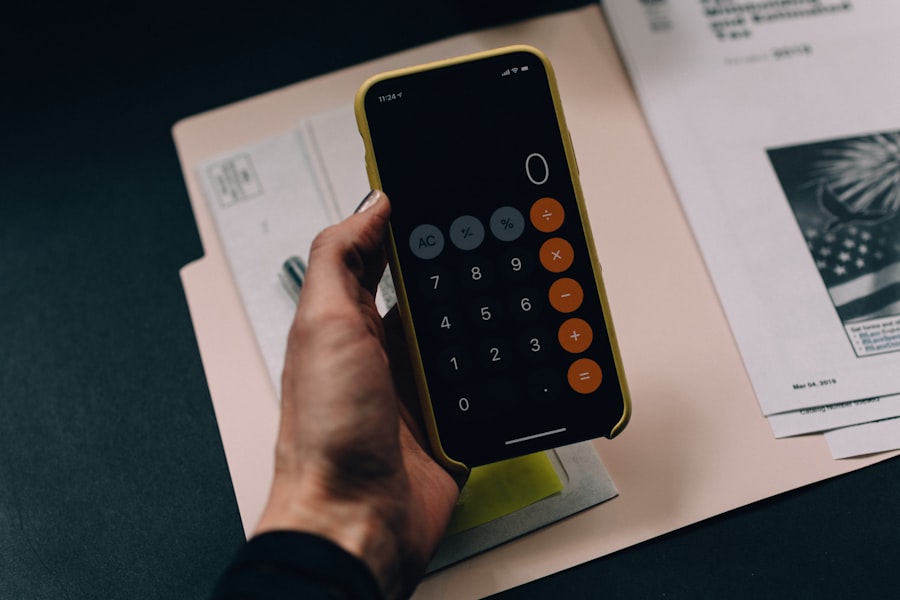
The good news is that frugal anxiety is not an incurable condition. By understanding its roots and recognizing its manifestations, you can begin to implement strategies to manage and alleviate it. It’s about shifting your mindset and adopting a more balanced approach to your finances.
Re-evaluating Your Relationship with Money: Beyond Scarcity
The first and perhaps most important step is to consciously re-evaluate your relationship with money. This involves challenging the scarcity mindset and reframing your perspective.
Practicing Gratitude for What You Have
Take a moment each day to acknowledge and appreciate what you do have, both financially and otherwise. This could be a roof over your head, food on your table, a stable job, or supportive relationships. Cultivating gratitude can shift your focus from what you lack to what you possess, diminishing the power of scarcity-driven anxiety. It’s about recognizing the abundance that already exists in your life, even if it’s not material wealth.
Differentiating Between Needs and Wants with Compassion
While you’re already good at this, the key here is to do it with compassion, not judgment. Understand that fulfilling certain wants can contribute to your overall well-being and happiness. It’s not about indulging in extravagance, but about allowing yourself small, intentional pleasures that enrich your life without derailing your financial goals. This is where you learn to distinguish between a frivolous splurge and a genuinely enriching experience.
Implementing Mindful Spending Practices
Mindful spending isn’t about restriction; it’s about intention. It’s about making conscious decisions about where your money goes, aligning your spending with your values and goals.
The ‘Pause and Reflect’ Technique Before Purchases
Before making any non-essential purchase, implement a “pause and reflect” technique. Ask yourself: “Do I truly need this? Will this bring me lasting value? Can I afford this without compromising my essential financial goals?” Give yourself a designated waiting period (e.g., 24 hours) before committing. This allows the impulse to pass and gives you time for rational consideration. It’s about creating a buffer between desire and action.
Budgeting for Joy and ‘Treats’
Your budget doesn’t have to be solely about austerity. Allocate a specific amount for discretionary spending, for things that bring you joy, or for occasional ‘treats.’ This allows you to indulge guilt-free, knowing it’s a planned and accounted-for expense. It’s about demonstrating to yourself that you can both save and enjoy life. This ‘fun money’ can be a powerful antidote to the feeling of deprivation.
Building Financial Resilience Beyond Just Savings
While savings are crucial, financial resilience encompasses more than just a large bank account. It’s about having a holistic approach to your financial well-being.
Diversifying Your Income Streams (If Possible)
Exploring opportunities to diversify your income, even in small ways, can provide an added layer of security and reduce reliance on a single source of income. This could be a side hustle, freelance work, or even passive income streams. The knowledge that you have multiple avenues for income can significantly alleviate anxiety about job loss. It’s about creating a safety net with multiple anchors.
Investing in Your Skills and Knowledge
Investing in yourself, through education, training, or skill development, can enhance your career prospects and earning potential. This not only improves your long-term financial outlook but also boosts your confidence and sense of self-worth, which can indirectly reduce anxiety. You are your greatest asset, and investing in yourself is a wise financial decision.
Seeking Support and Shifting Your Perspective

You don’t have to navigate this anxiety alone. Reaching out for support and actively working to shift your perspective can be incredibly empowering.
The Power of Talking it Out: Friends, Family, or Professionals
Sometimes, simply articulating your fears and anxieties can be therapeutic. Talk to trusted friends or family members who can offer a listening ear and a different perspective. If your frugal anxiety is significantly impacting your life, consider seeking professional help from a therapist or financial counselor who specializes in anxiety and financial well-being. They can provide tools and strategies tailored to your specific situation. You are not alone in this struggle, and seeking help is a sign of strength.
Reframing Financial Goals: From Fear to Freedom
Shift your financial goals from a place of fear to a place of freedom. Instead of saving to avoid disaster, focus on saving to create opportunities, to achieve your dreams, and to live a life of purpose. Visualize what financial freedom looks like for you, not just the absence of debt, but the presence of choice and the ability to pursue what truly matters. This is about envisioning a future where money is a tool for liberation, not a source of dread.
Embracing Imperfection and the Journey
Recognize that financial management is a journey, not a destination. There will be ups and downs, missteps and lessons learned. Embrace imperfection and allow yourself to learn and grow. Focus on progress, not perfection. Celebrate your successes, no matter how small, and be kind to yourself when you face challenges. You are human, and your financial journey is a part of your larger life experience.
Frugal anxiety is a pervasive, yet often overlooked, form of stress. By understanding its origins, recognizing its manifestations, and actively implementing strategies for management, you can begin to untangle yourself from its grip. It’s about finding a healthy balance between prudence and pleasure, between security and living. Your financial well-being is important, but so is your mental and emotional health. You can have both. You can learn to save money without sacrificing your peace of mind. It’s time to stop letting the fear of not having enough prevent you from truly living. You have the power to create a more peaceful and fulfilling financial future.

You’re Financially Better Off—So Why Does Money Still Scare You?
FAQs
What are some practical ways to save money without feeling anxious?
Some practical ways to save money without feeling anxious include creating a budget, setting specific savings goals, and finding ways to cut expenses without sacrificing essential needs.
How can I manage my anxiety about saving money?
Managing anxiety about saving money can be done by practicing mindfulness, seeking support from friends or a therapist, and reframing negative thoughts about money and saving.
What are some common causes of anxiety about saving money?
Common causes of anxiety about saving money include fear of not having enough for emergencies, feeling overwhelmed by financial responsibilities, and comparing oneself to others’ financial situations.
How can I save money while still enjoying life?
You can save money while still enjoying life by finding free or low-cost activities, prioritizing experiences over material possessions, and being mindful of your spending habits.
What are some resources for learning more about managing money and anxiety?
There are many resources available for learning more about managing money and anxiety, including books, online courses, financial advisors, and support groups.